- Home
- Products
- About Us
- Resources
- Support
- Contact Us
Leave Your Message
-
Phone
-
E-mail
-
Whatsapp
-
WeChat


Turnkey climatic and altitude simulation equipment engineered for stringent international compliance, tropicalized operation, and high-throughput production laboratories.
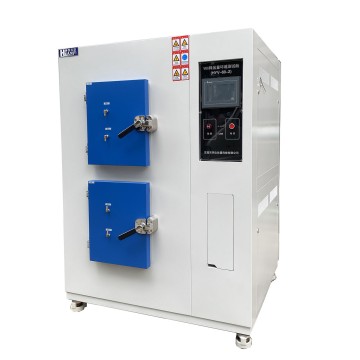
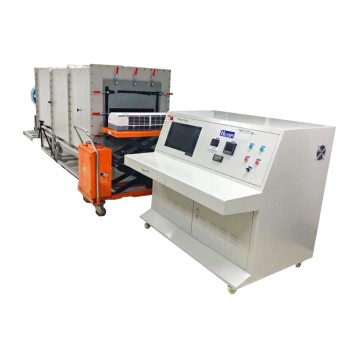
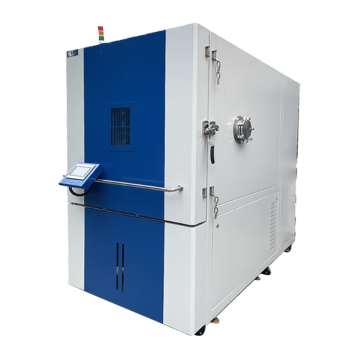
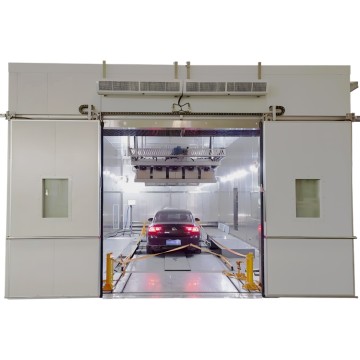
Malaysia stands at the pivotal intersection of global supply chain shifts, transitioning rapidly under the New Industrial Master Plan 2030 (NIMP 2030) and the National 4IR Policy into a high-value manufacturing and testing powerhouse. As the Silicon Valley of the East expands across Penang’s Bayan Lepas and Batu Kawan, alongside the advanced manufacturing clusters of Kulim Hi-Tech Park (Kedah) and the aerospace ecosystem anchored in Subang and Sepang (Selangor), rigorous environmental qualification has transitioned from an optional validation step to a regulatory prerequisite.
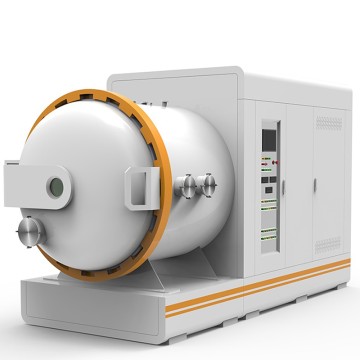
Operating an altitude test chamber in Malaysia requires specialized engineering that takes into consideration both extreme local ambient parameters and critical operational profiles. Malaysian test laboratories must manage equatorial ambient temperatures hovering above 32°C and relative humidity levels frequently surpassing 85% RH, while simulating hypobaric conditions equivalent to altitudes reaching 100,000 feet (approximately 30,480 meters) and negative pressures down to 1.0 kPa.
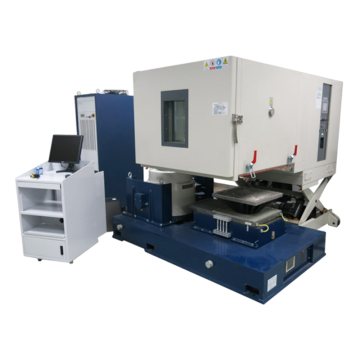
Huanyi delivers state-of-the-art combined Temperature, Humidity, and Altitude (Low Pressure) Test Chambers engineered specifically to conquer these climatic challenges, empowering multinational Tier-1 vendors, local research institutes (such as SIRIM), and contract manufacturing corporations across ASEAN with high-repeatability testing infrastructure.
Designed with reinforced structural integrity, precision multi-stage vacuum architecture, and intelligent AI-assisted PID control for non-stop reliability.
Delivering tailored hypobaric and environmental testing workflows directly into Malaysia's high-growth industrial clusters.
Malaysia commands approximately 13% of the global semiconductor packaging, assembly, and testing (OSAT) market. In facilities across the Bayan Lepas Free Industrial Zone and Kulim Hi-Tech Park, MEMS sensors, micro-controllers, optoelectronics, and power modules undergo rigorous altitude testing. Operating in rarefied air tests heat sink dissipation efficiency when convective air currents diminish, preventing thermal throttling or premature die cracking during airborne transit.
With Malaysia's National Aerospace Industry Blueprint 2030 targeting regional leadership, testing avionics instrumentation, flight deck communication assemblies, carbon-fiber fuselage sub-assemblies, and hydraulic actuators under true atmospheric pressure drops is mandatory. Huanyi altitude test chambers simulate climb, cruise, rapid depressurization, and high-altitude emergency descent profiles.
With Proton's Automotive Hi-Tech Valley (AHTV) and Perodua upgrading towards electrification, lithium-ion battery modules, Battery Management Systems (BMS), high-voltage junction boxes, and onboard chargers require altitude testing per UN 38.3 (T.1 Altitude Simulation). Testing validates that cell casings do not burst, rupture, or short-circuit under sudden high-altitude freight pressure declines.
Ground transceivers, low-earth orbit (LEO) terminal sensors, and 5G base-station radio units deployed in diverse topographical elevations are subjected to combined temperature, humidity, and altitude profiles. Our chambers simulate up to 100,000 ft, preventing partial discharge degradation, corona discharge, and insulation breakdown across critical printed circuit assemblies.
Malaysia is the global epicenter for medical gloves, intravenous sets, and disposable medical devices. When sterile barrier pouches and blister packs are flown via air cargo out of Kuala Lumpur International Airport (KLIA) or Penang International Airport, hypobaric pressure induces significant differential pressure across seal lines. Testing verifies seal tensile integrity per ASTM D6653 and ISO 11607.
Ruggedized computing hardware, night vision sensors, and military communication equipment utilized by Malaysian defense agencies must prove operational readiness according to MIL-STD-810H. Our chambers facilitate controlled combined climatic profiles simulating tropical base camps to mountainous military operations.
Versatile environmental simulation solutions serving cross-industry quality assurance across Malaysia and Southeast Asia.
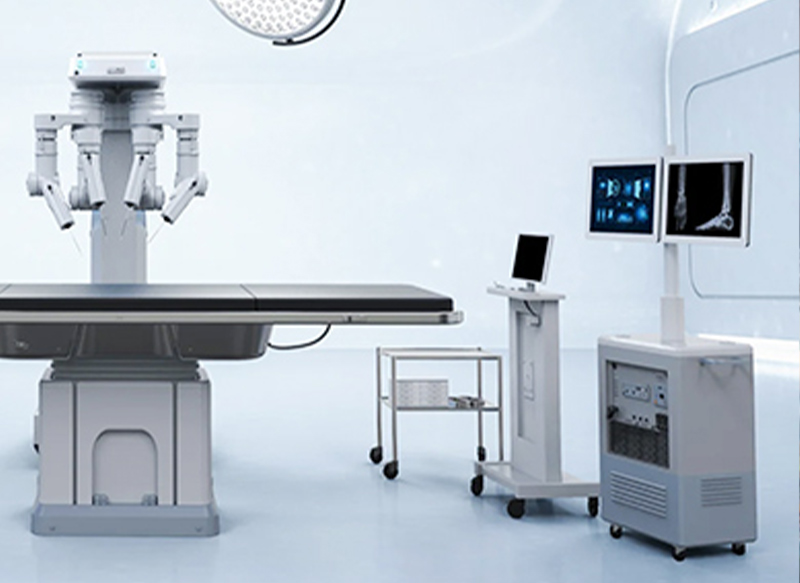

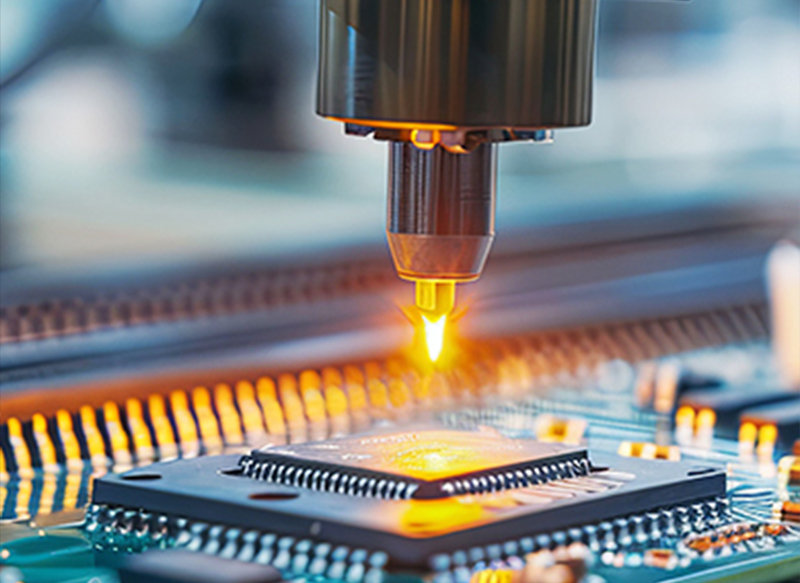





Engineered to deliver flawless compliance with global commercial, defense, and aviation standards required by Malaysian exporters.
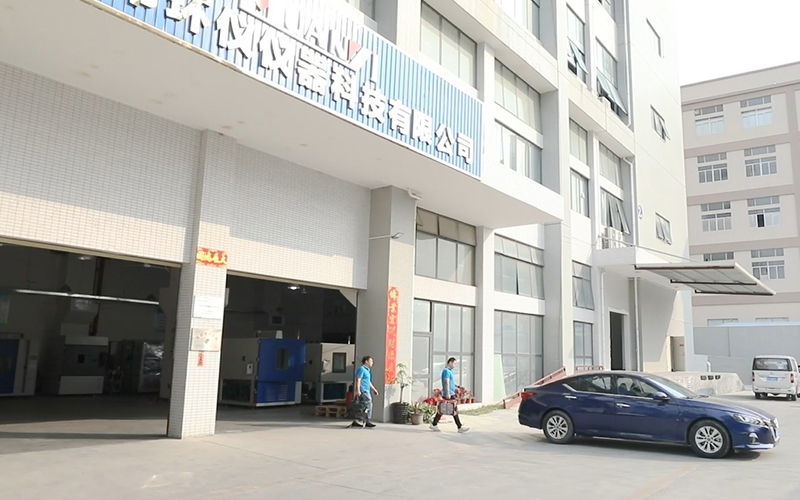
Dongguan Huanyi Instruments Technology Co., Ltd. was established on March 20, 2007, covering an area of 6,022 square meters. It is a high-tech enterprise integrating R&D, production, sales and after-sales service. It participated in the drafting of national standards and industry standards for environmental simulation test equipment.
Our philosophy is "customer-centric, quality-guaranteed, honesty-based, and innovation-oriented". Through unremitting efforts, Huanyi has cultivated a high-quality team with rich production, R&D and management experience. Since its establishment, the company has been providing customers with the "most competitive" products, continuously introducing international advanced technologies, learning from others and integrating them.
Unlike third-party equipment traders, Huanyi provides direct-from-factory engineering customization tailored to Malaysian power grids (415V 50Hz 3-phase standard), local water treatment parameters for humidity circuits, and tropical condenser ambient balancing. Our direct engineering channel guarantees uninterrupted access to proprietary schematics, PLC source modifications, firmware updates, and rapid component replenishment across West and East Malaysia.
Validated by premier multinational laboratories, aerospace manufacturers, and automotive leaders worldwide.







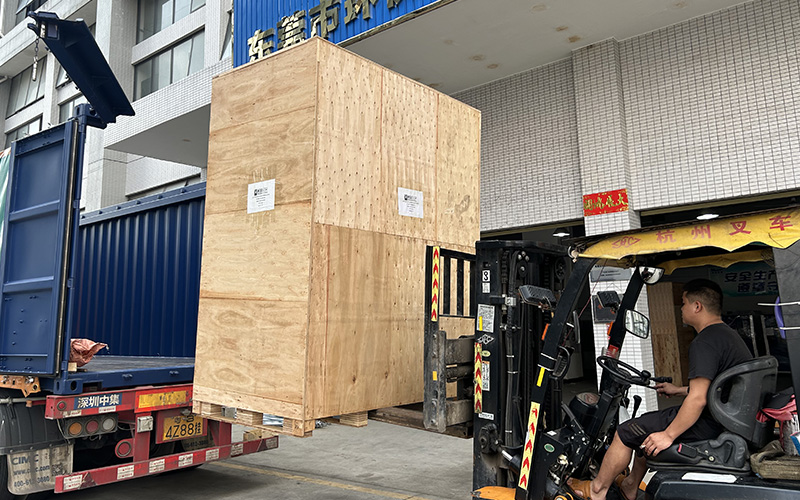
Standardized, transparent 6-stage lifecycle execution ensuring zero-defect delivery from factory floor to Malaysian facility.
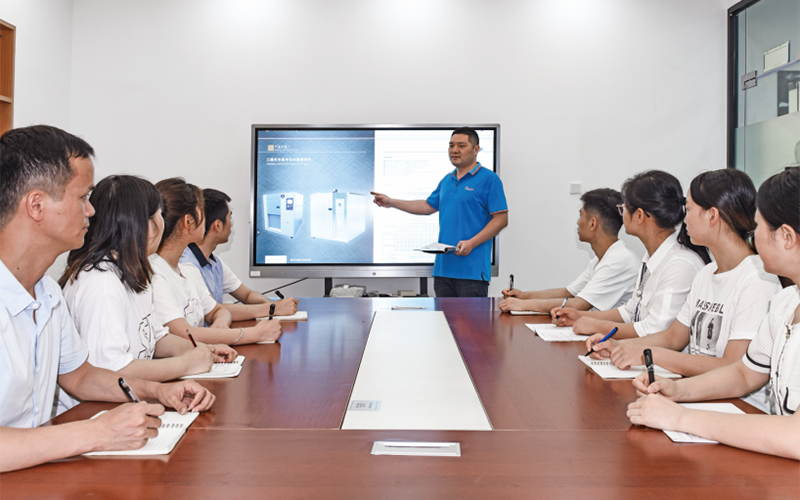
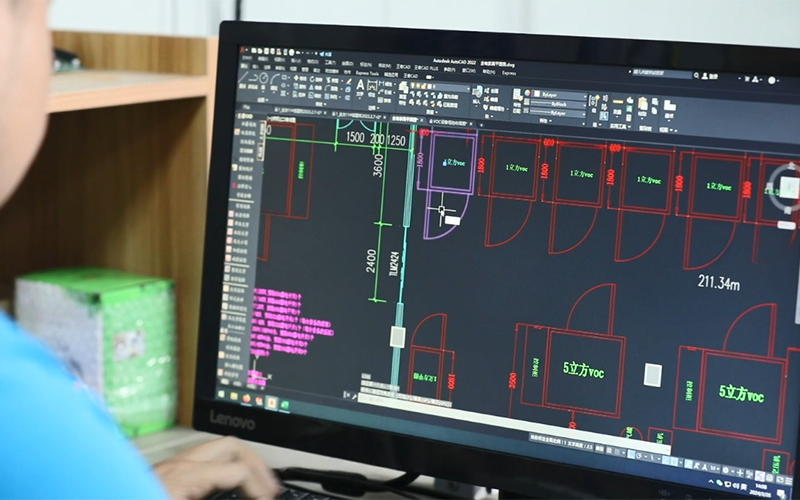
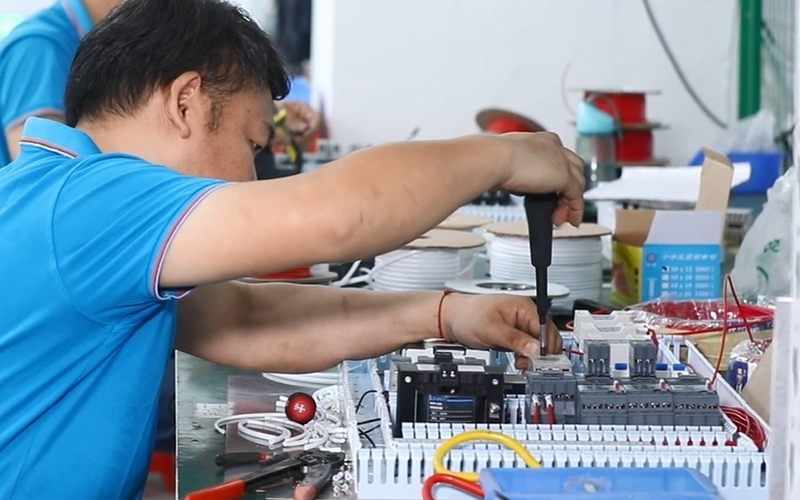
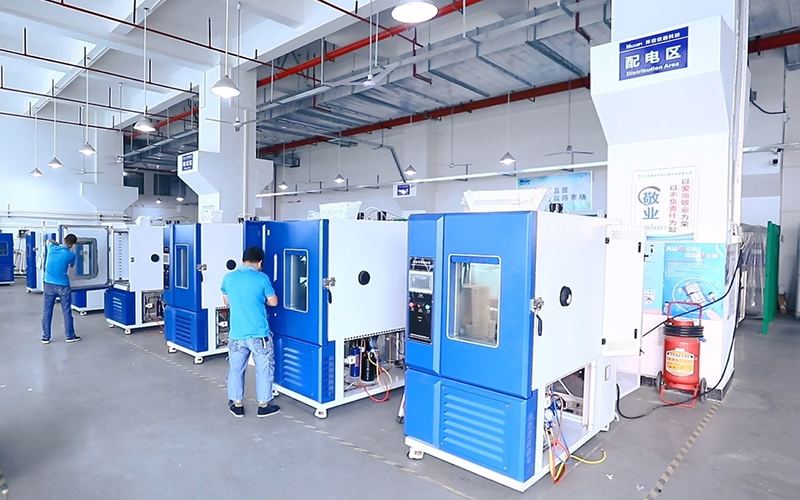
Complete testing apparatus catalog manufactured in our 6,022 m² production facility, supporting advanced industry testing needs.
Direct technical answers for laboratory managers, quality directors, and test engineers.