- Home
- Products
- About Us
- Resources
- Support
- Contact Us
Leave Your Message
-
Phone
-
E-mail
-
Whatsapp
-
WeChat


Engineered to inspect material degradation, off-gassing, mechanical stress, and climatic durability under extreme tropical ambient conditions.
How the shift toward green mobility, renewable storage, and tech manufacturing demands specialized environmental testing facilities across Northern and Southern Vietnamese economic corridors.
Over $30B+ in foreign direct investment has funneled into Bac Ninh, Thai Nguyen, and Hai Phong, creating a high-density supply chain for lithium battery packaging, electronics, and automotive drivetrains.
Vietnam’s high heat (up to 42°C) combined with 90%+ relative humidity triggers severe electrochemical condensation, accelerating dendrite growth and demanding rigorous walk-in climatic testing.
Strict domestic and export certifications (such as UN 38.3, UL 2580, IEC 62660, and TCVN regulations) enforce stringent validation protocols for thermal runaway, impact, and altitude simulations.
The Socialist Republic of Vietnam is experiencing an unprecedented industrial transition, transforming from a traditional manufacturing hub into a premier epicenter for high-technology hardware, renewable energy equipment, and electric mobility systems in Southeast Asia. Driven by the Vietnamese government’s National Green Growth Strategy and its pledge to achieve net-zero carbon emissions by 2050, the country has become fertile ground for gigafactories, battery pack assembly facilities, and automotive R&D institutions.
Domestic automotive pioneers such as VinFast, alongside foreign technology giants including Samsung SDI, LG Energy Solution, Amkor, Foxconn, and Luxshare, have poured tens of billions of dollars into high-tech assembly operations across provinces like Bac Ninh, Bac Giang, Thai Nguyen, Hai Phong, and Binh Duong. These world-scale manufacturing corridors do not merely produce standard consumer electronics; they manufacture next-generation prismatic, cylindrical, and pouch lithium-ion cells, modular battery packs for electric two-wheelers (e-scooters), passenger electric vehicles (EVs), commercial buses, and grid-scale Battery Energy Storage Systems (BESS).
However, lithium-based chemistries (NMC, LFP, and solid-state variants) are inherently volatile when exposed to electrical abuse, thermal destabilization, or extreme external climatic conditions. Consequently, tier-one manufacturers, third-party quality testing organizations (like Vinacomin, Quatest 1, Quatest 3, and SGS Vietnam), and academic research institutes are investing aggressively in industrial-grade, explosion-proof Battery Test Chambers. The demand has expanded rapidly from simple temperature humidity chambers to comprehensive, multi-stress environmental simulation chambers integrated with battery cyclers, inert gas purging systems, and gas detection matrices.
Vietnam’s domestic market features the fastest growing electric two-wheeler adoption in ASEAN, led by brands like VinFast, Dat Bike, Pega, and Selex Motors. Testing compact lithium packs for extreme tropical thermal cycles and waterproof IP-ratings under monsoonal flash-flood conditions has turned reliable environmental simulation equipment into an absolute operational necessity.
Deploying energy storage solutions in Vietnam requires equipment to withstand one of the most punishing tropical climates in the world. The northern industrial zones encounter severe seasonal shifts—from chilly, damp winters to sweltering, high-humidity summers where ambient temperatures frequently surpass 40°C with relative humidity exceeding 92%. In the southern industrial heartlands of Dong Nai and Binh Duong, constant tropical heat and alternating torrential downpours generate intense hydrothermal stress.
When battery cells, management systems (BMS), and enclosures operate in this setting, multiple degradation vectors accelerate simultaneously:
To ensure consumer safety and product warranties extending up to 8–10 years, local manufacturers cannot rely solely on computer-simulated models. They must perform continuous environmental stress screening (ESS), thermal shock testing, and high-temperature cycling utilizing dedicated battery test chambers engineered to simulate twenty years of tropical weather exposure within weeks.
The utilization of environmental test equipment in Vietnam spans a wide array of specialized application scenarios, each requiring dedicated engineering architectures and fail-safe safety features:
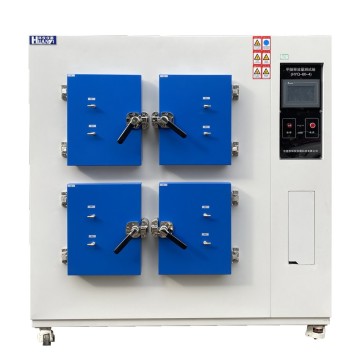
With more than 70 million registered motorbikes in Vietnam, the transition to electric scooters is accelerating exponentially. Companies operating in Hanoi, Hung Yen, and Ho Chi Minh City require benchtop and reach-in battery test chambers to validate swappable LFP battery modules against thermal shock (from -20°C to +80°C), rapid charging thermal dissipation, and waterproof housing seal reliability.
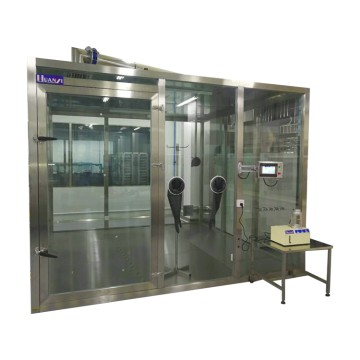
Automotive battery test chambers represent the pinnacle of environmental testing complexity. In facilities such as Cat Hai (Hai Phong), engineers require walk-in and drive-in climatic chambers capable of accommodating entire multi-hundred-kilowatt-hour battery packs. These chambers integrate explosion relief blow-out panels, Class 1 Division 1 intrinsically safe air circulators, and real-time integration with multi-channel battery cyclers for simultaneous thermal, electrical, and structural stress validation.
Vietnam leads Southeast Asia in installed solar and wind energy capacity, particularly across the Central Highlands (Dak Lak, Gia Lai) and South-Central coasts (Ninh Thuan, Binh Thuan). Because solar generation peaks during midday and wind surges during monsoonal gusts, grid balancing requires massive containerized BESS installations. Testing container rack modules inside environmental walk-in chambers ensures insulation resistance, HVAC chilling stability, and fire retardancy before remote field deployment.
Vietnam supplies approximately 50% of the world’s mobile phones and smart devices. In the assembly facilities of Bac Ninh and Thai Nguyen, millions of miniature pouch lithium polymer batteries undergo rapid temperature cycling, swelling measurement, and high-altitude low-pressure simulation tests daily to prevent catastrophic consumer device failures.
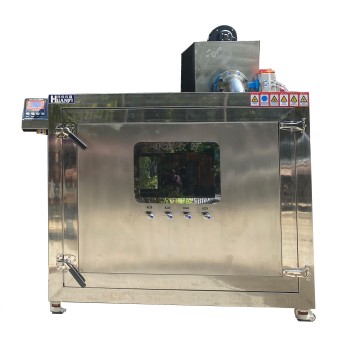
Testing lithium-ion batteries is fundamentally distinct from testing passive electronic boards. If a cell reaches thermal runaway during overcharge or rapid thermal cycling, it releases flammable gases (hydrogen, carbon monoxide, methane, and toxic HF) and can ignite or explode violently. Modern battery test chambers deployed in Vietnamese factories strictly adhere to EUCAR (European Council for Automotive R&D) hazard levels 1 through 7.
Huanyi’s customized battery testing chambers incorporate a comprehensive multi-tier safety architecture:
For Vietnamese industrial enterprises, sourcing environmental simulation equipment from an established high-tech manufacturer like Dongguan Huanyi Instruments Technology provides an unparalleled strategic advantage. Rather than dealing with fragmented middlemen or exorbitant European import markups, Vietnamese manufacturers gain direct access to custom-engineered machinery built to international standards (ISO, CE, IEC, UL, UN), backed by seamless logistics across regional trading corridors and dedicated technical consultation.
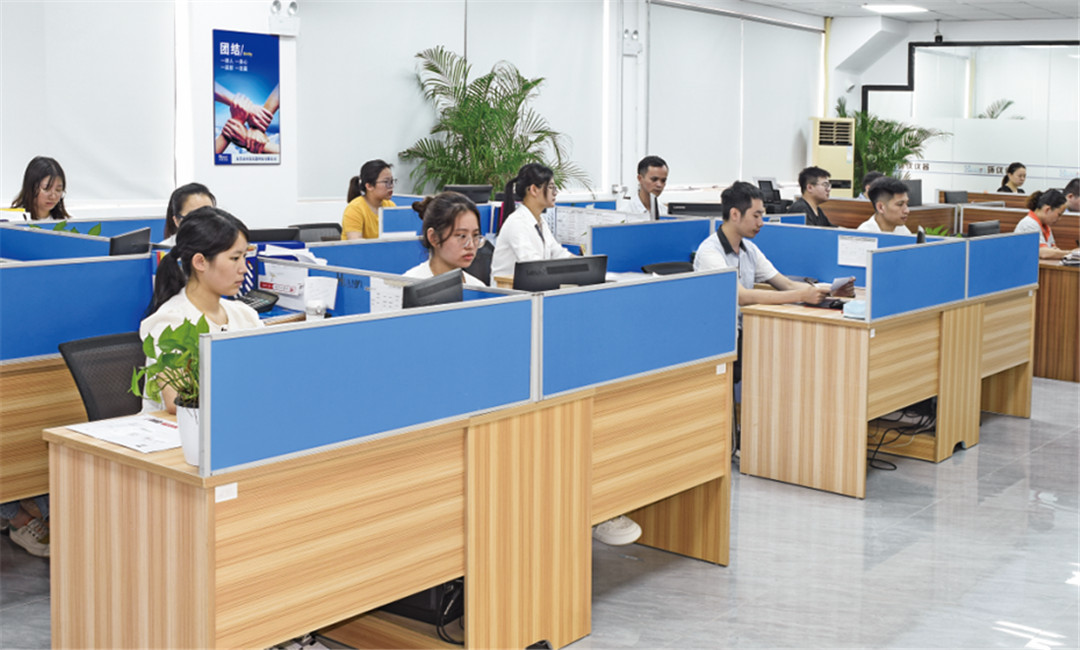
Dongguan Huanyi Instruments Technology Co., Ltd. was established on March 20, 2007, covering an area of 6,022 square meters. It is a high-tech enterprise integrating R&D, production, sales and after-sales service. It participated in the drafting of national standards and industry standards for environmental simulation test equipment.
Our philosophy is "customer-centric, quality-guaranteed, honesty-based, and innovation-oriented". Through unremitting efforts, Huanyi has cultivated a high-quality team with rich production, R&D and management experience, providing reliable environmental test systems for clients throughout Southeast Asia and Vietnam.
Contact Us Today

With the persistent efforts of all staff, our products have been selling to Southeast Asia, Europe, the United States, the Middle East and other regions, and have gotten good feedback from customers. Since its establishment, we have accumulated more than 2,500 customers, and the products have won unanimous praise. The company provides customers with the most competitive products, continuously introducing international advanced technologies and integrating them.
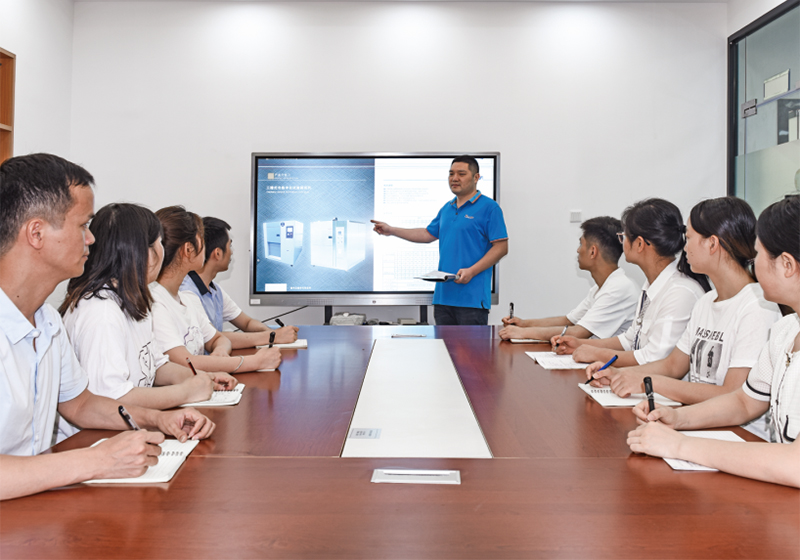
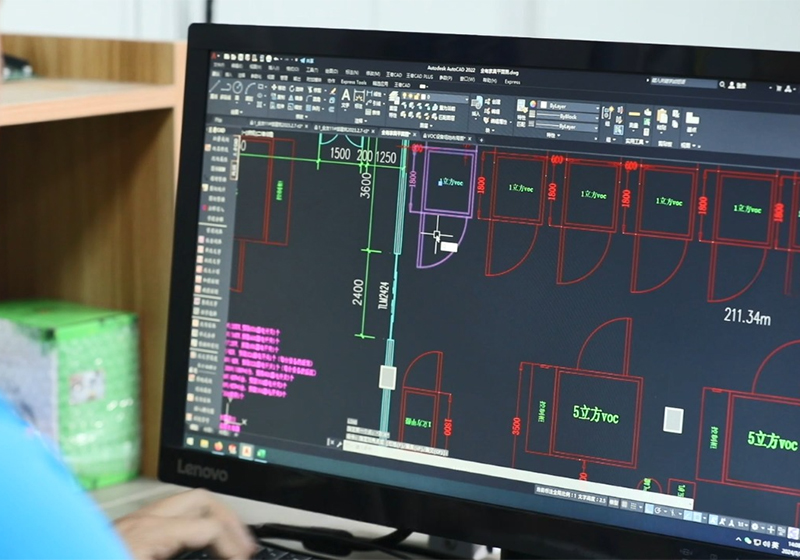
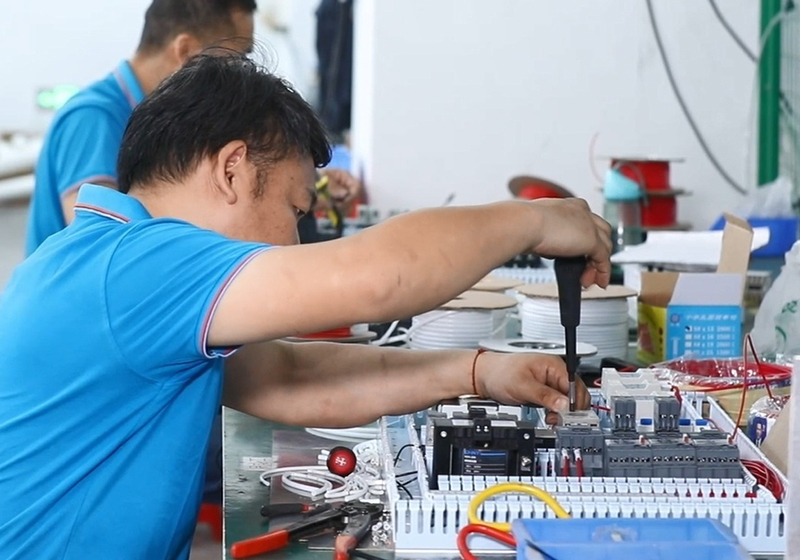
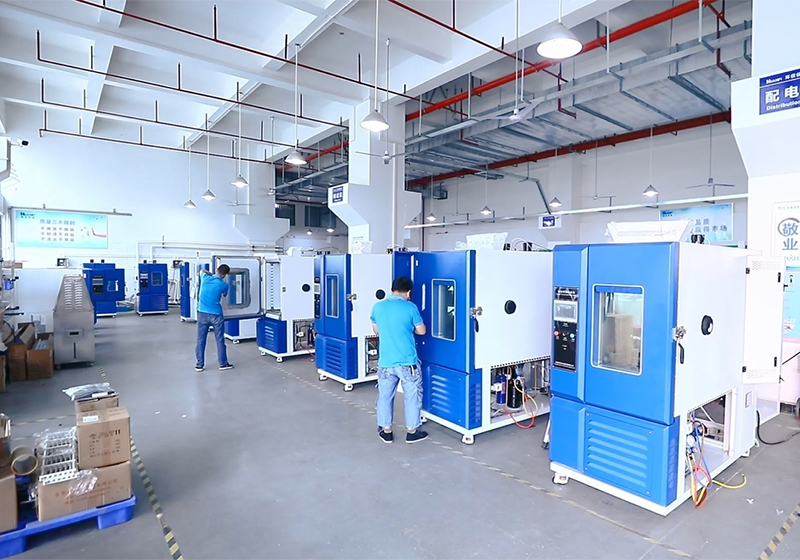
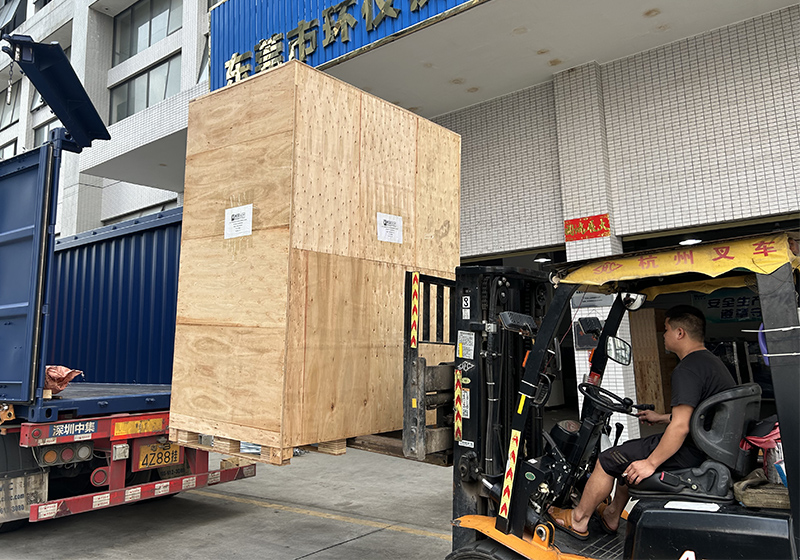
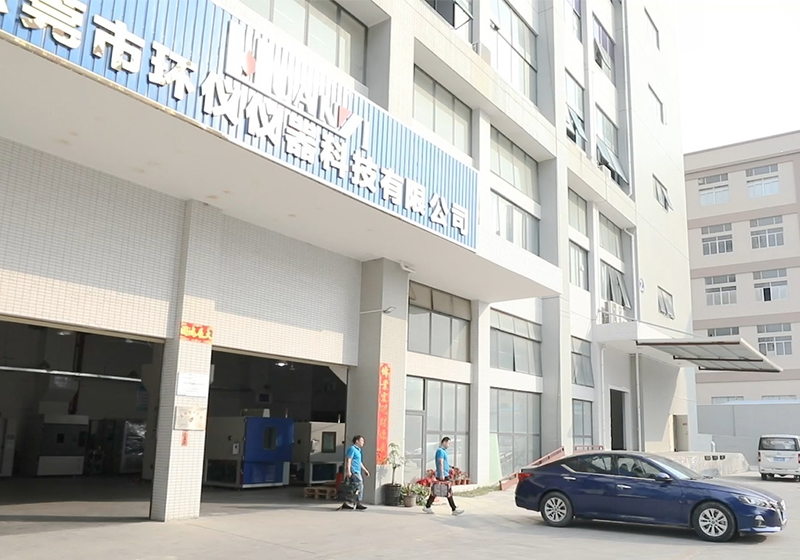
State-of-the-art precision equipment, certified environmental processes, and rigorous quality assurance protocols.
High Quality Control from every aspect of raw material, production, installation, and commission.
With more than 20 years of experience, we have professional production and R&D personnel. Huanyi can meet large-volume production orders at any time. Additionally, we use an ERP system to monitor the production process, ensuring timely delivery.
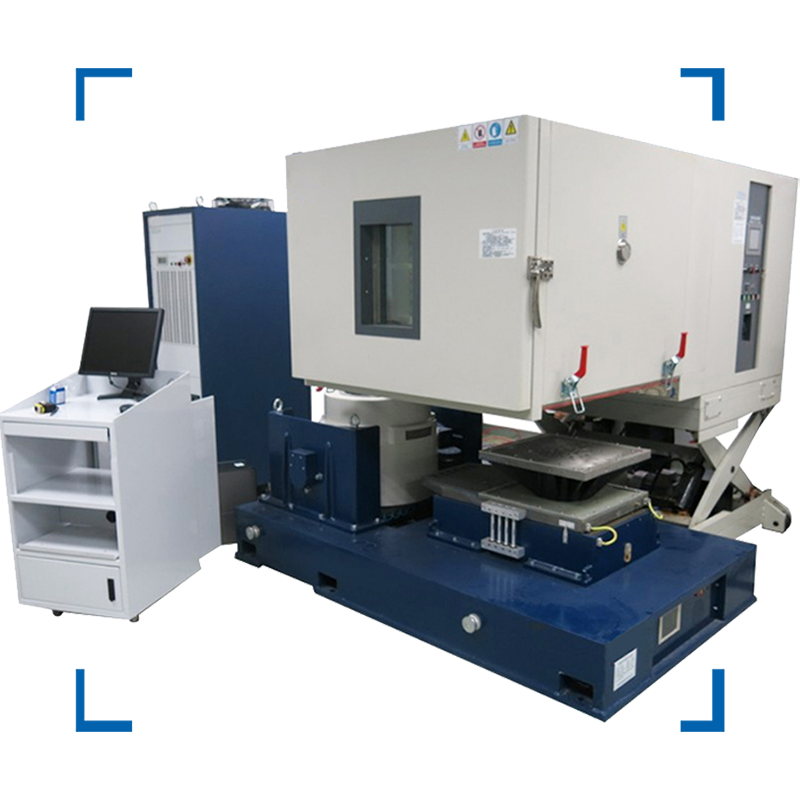
Modern equipment and superb process production including laser cutting panels and wood, ERP systems, production control systems, cutting automation, our advanced equipment can help us reduce waste.
ISO 9001 factory manufacturing. Mature technology, premium raw materials, and professional after-sales service.
The main components of all the company's products are made of internationally renowned brand components to ensure the quality and performance of the products. The company has strong independent innovation capabilities. In recent years, it has fully realized product upgrades and launched new domestically advanced test instruments, which have been widely praised by users at home and abroad.
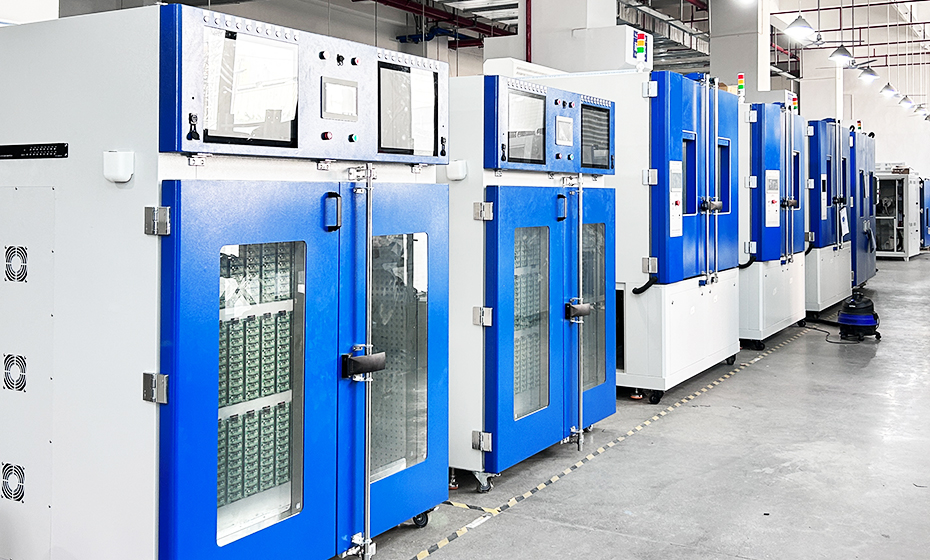
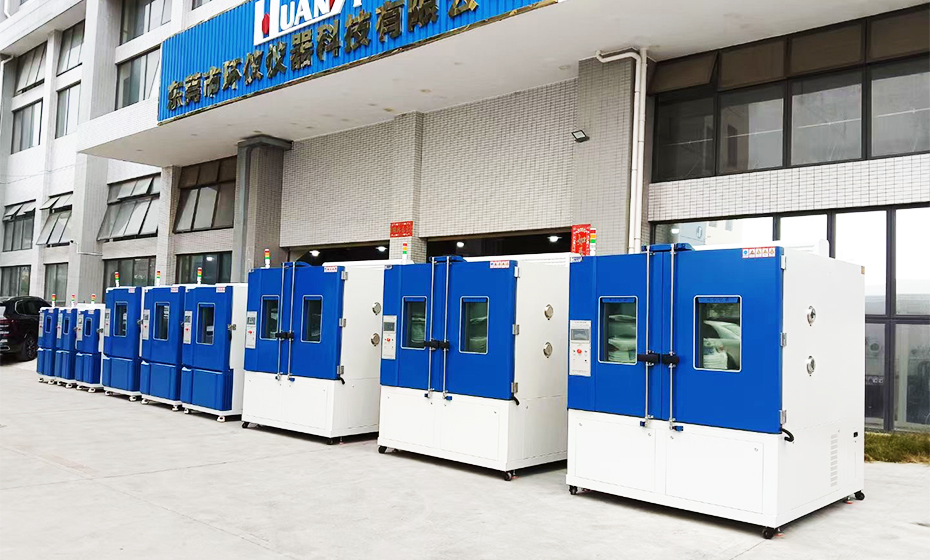
Certified compliance adhering to international test protocols, European CE directives, SGS safety verifications, and quality assurance frameworks.
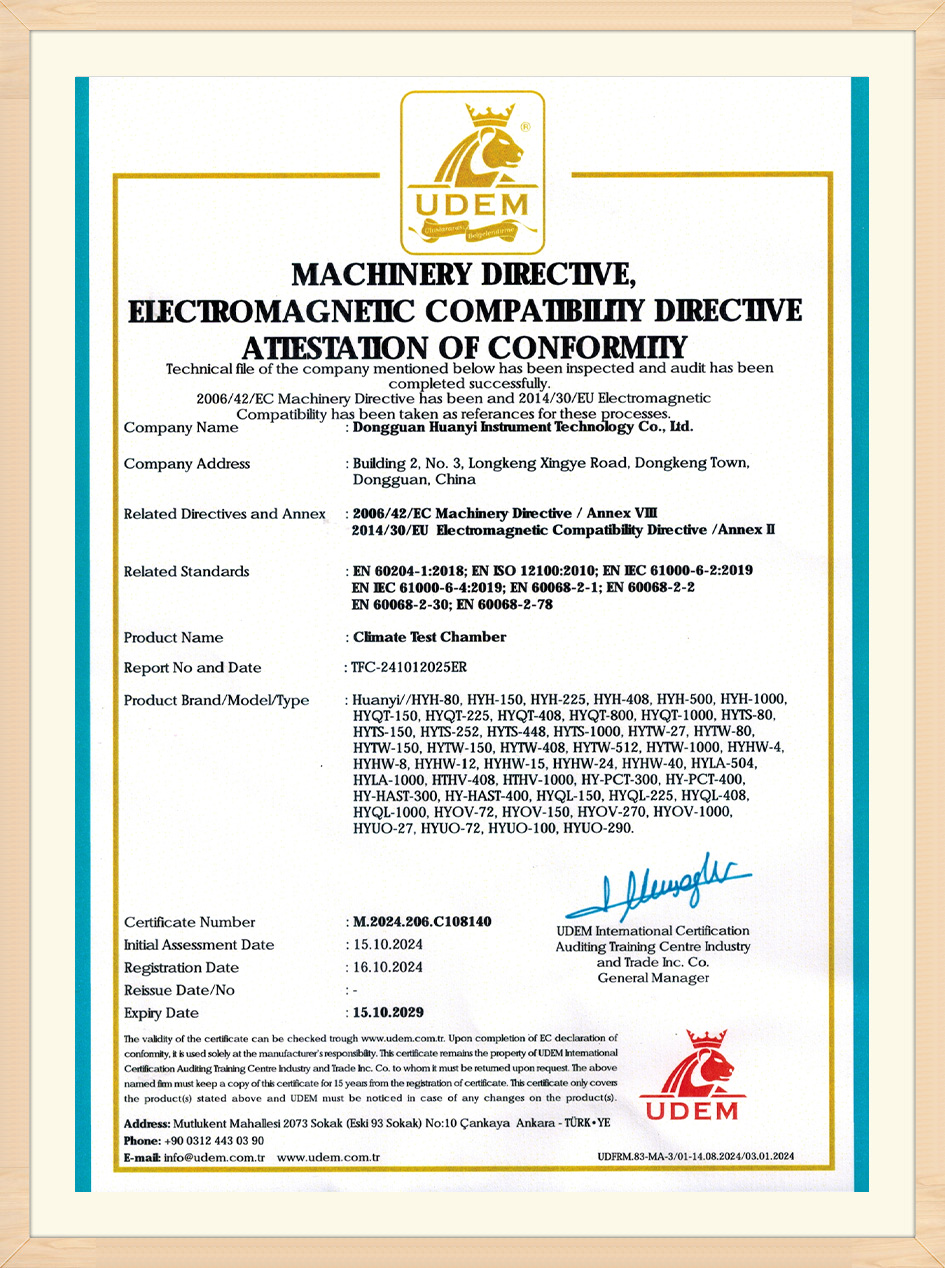
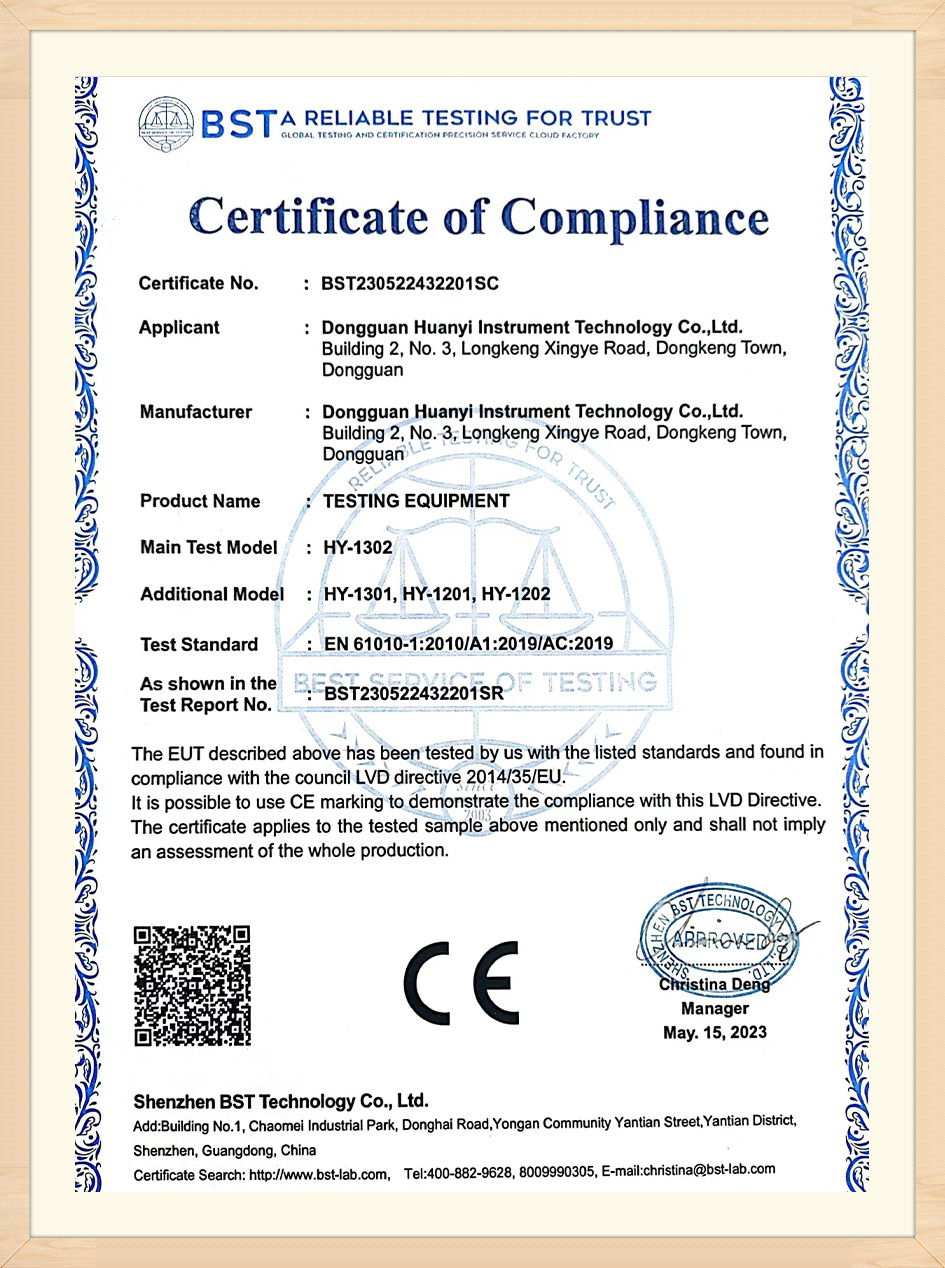
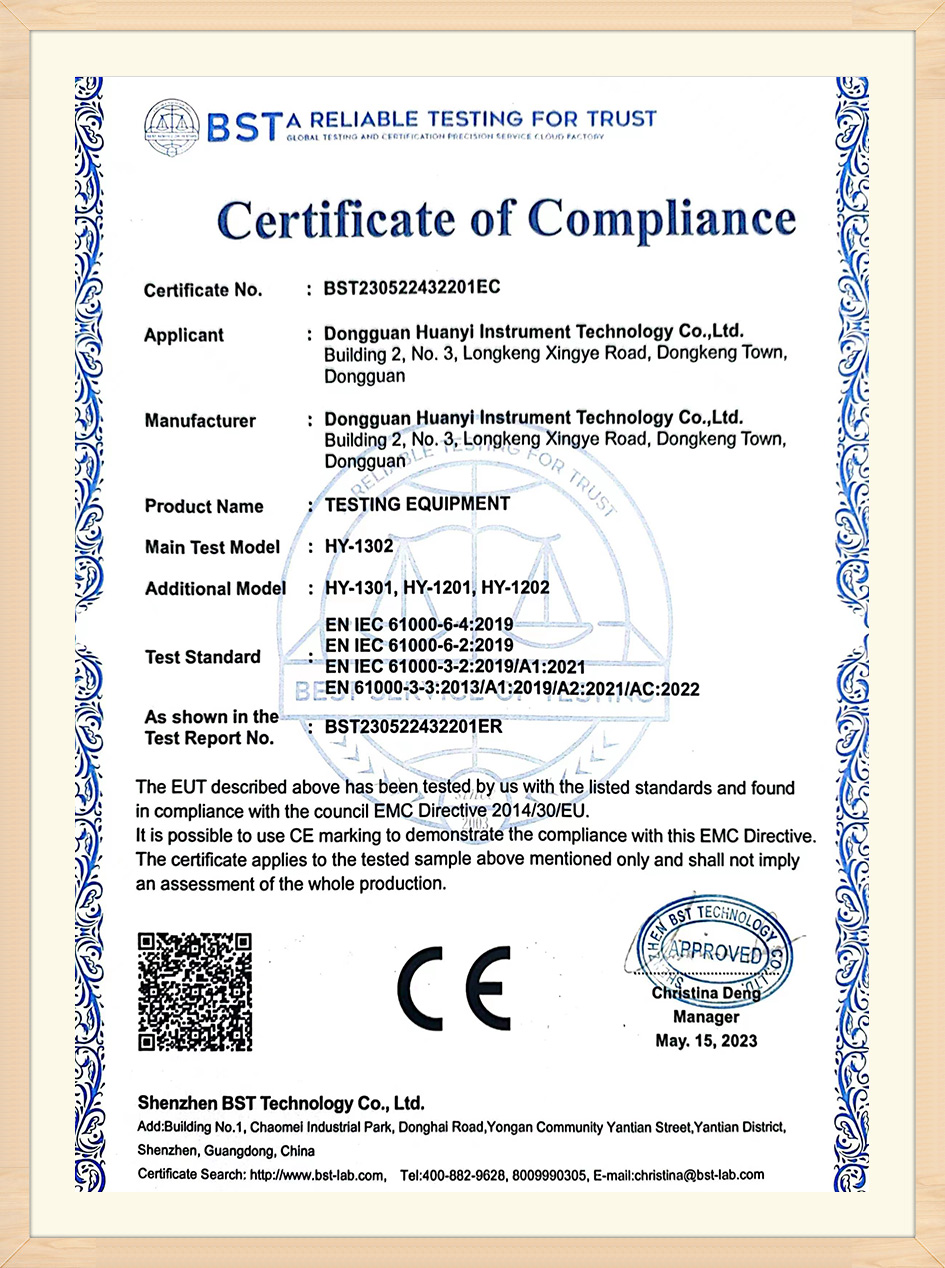
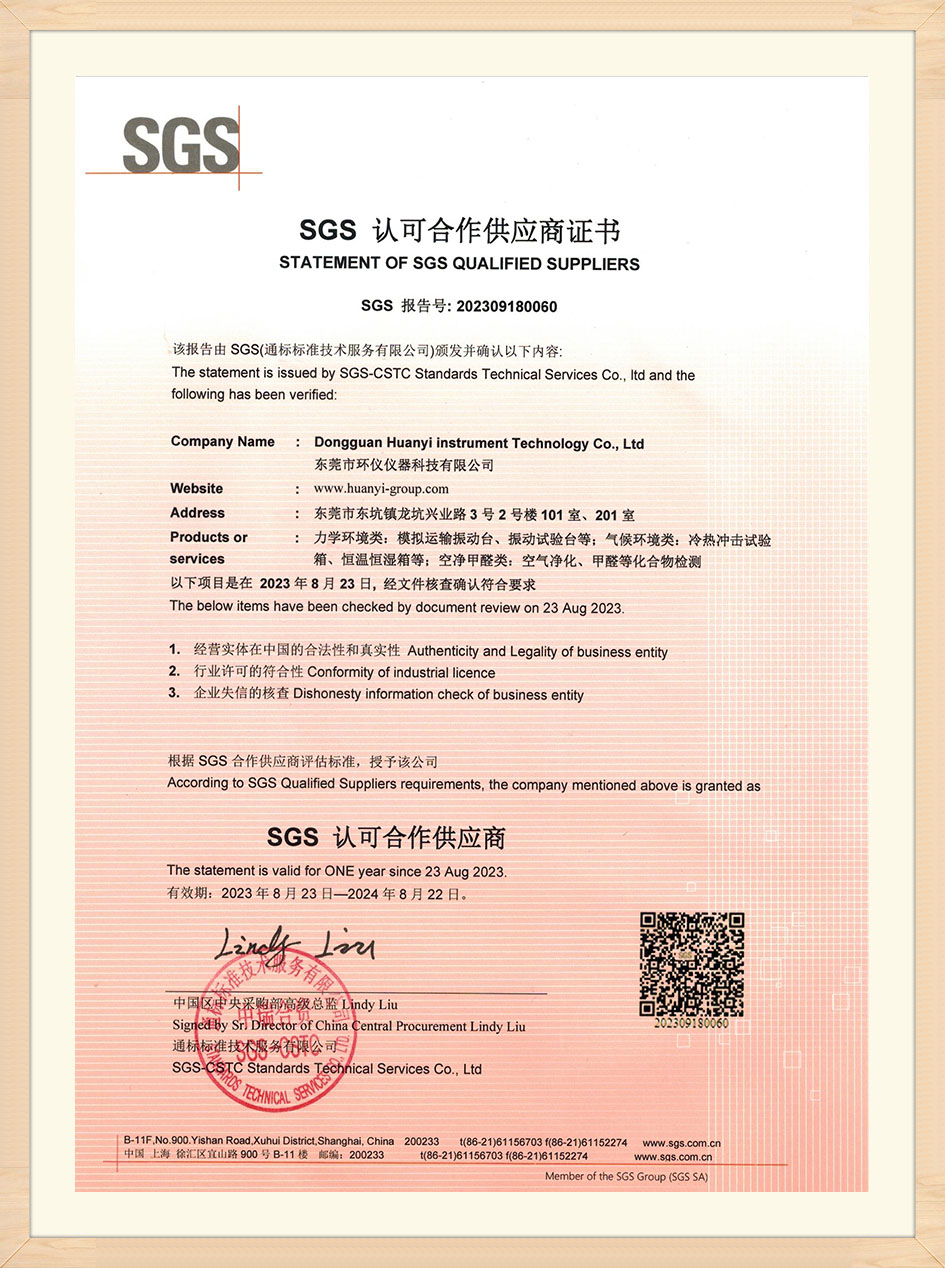
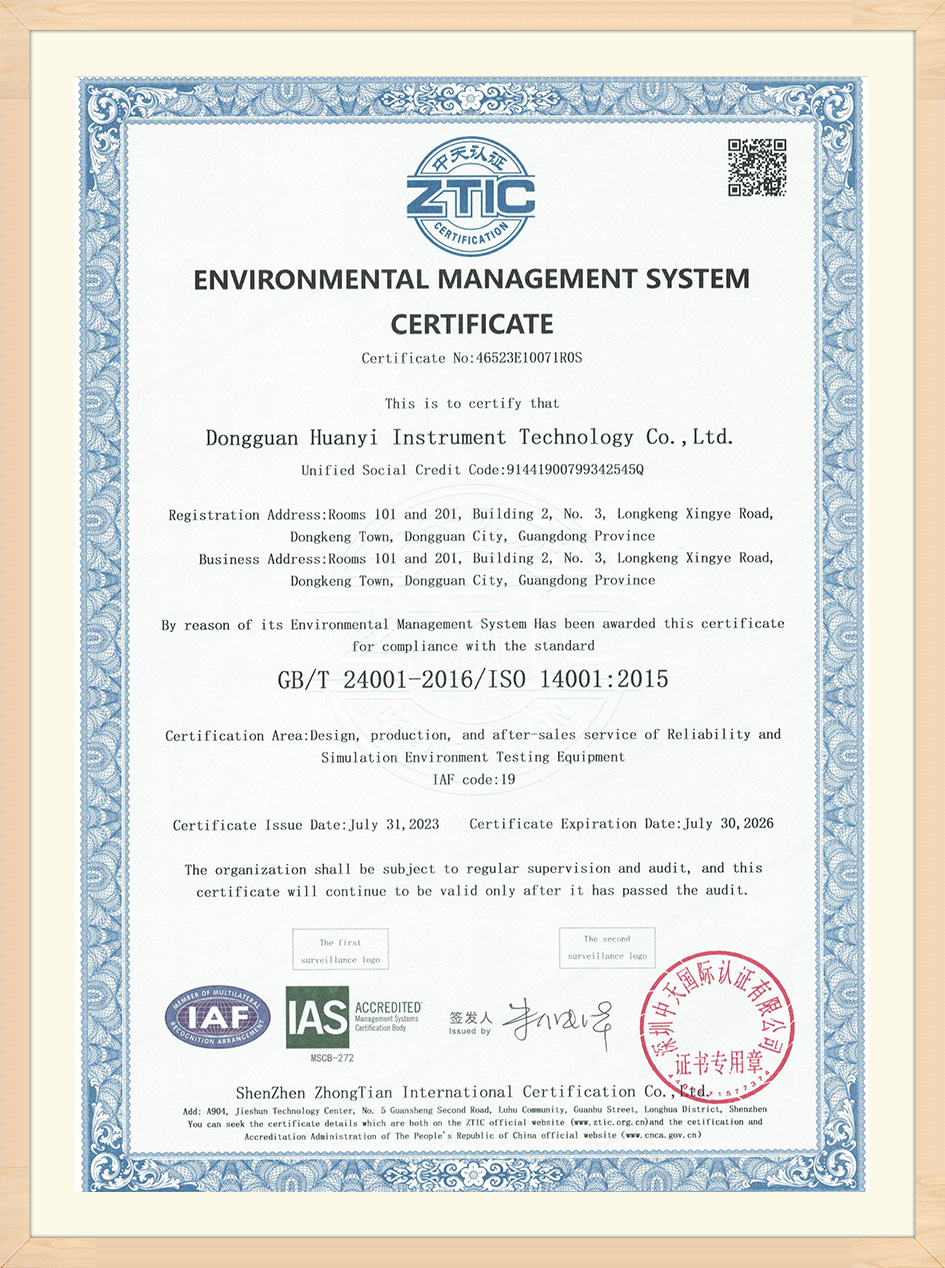
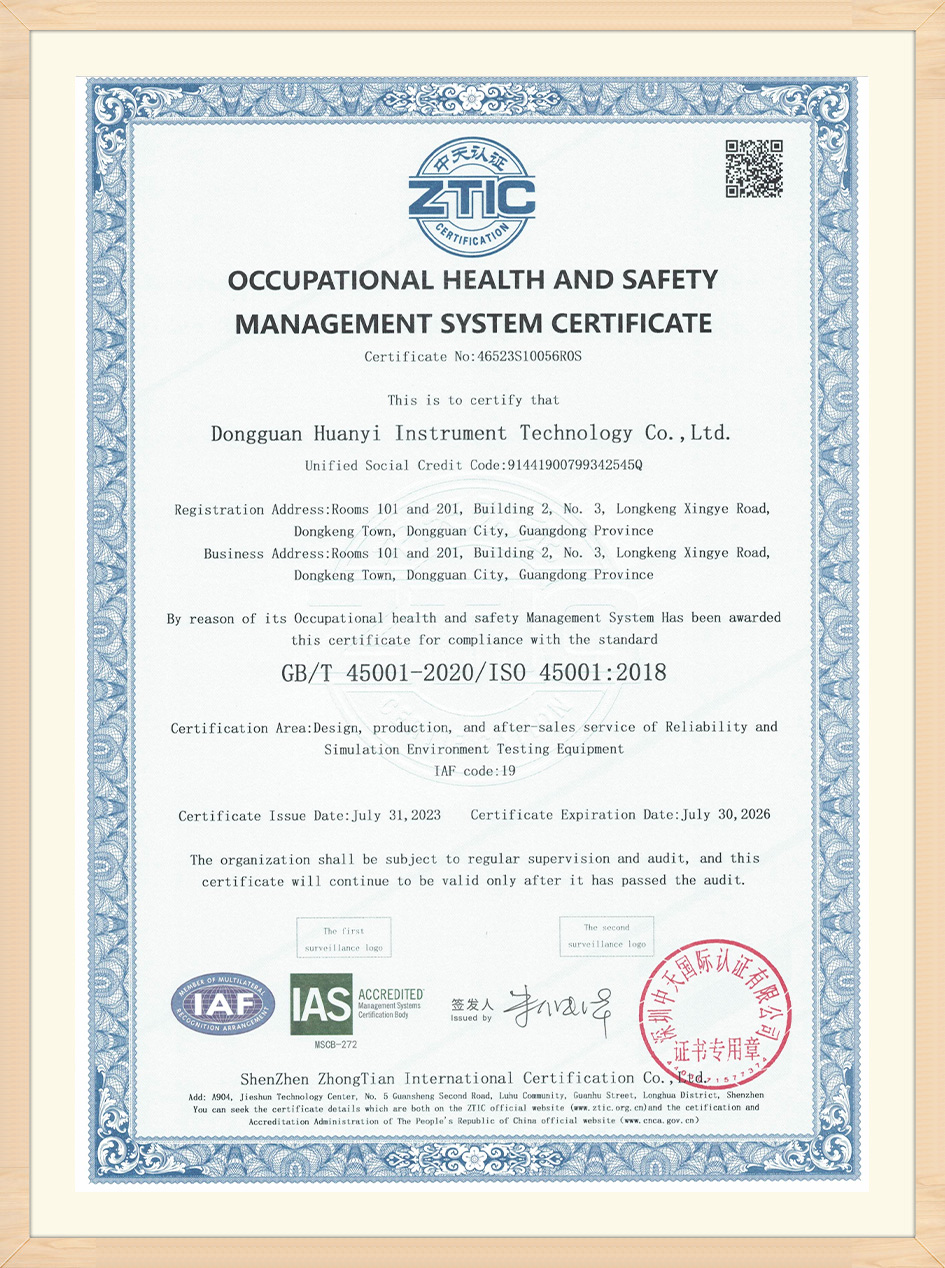
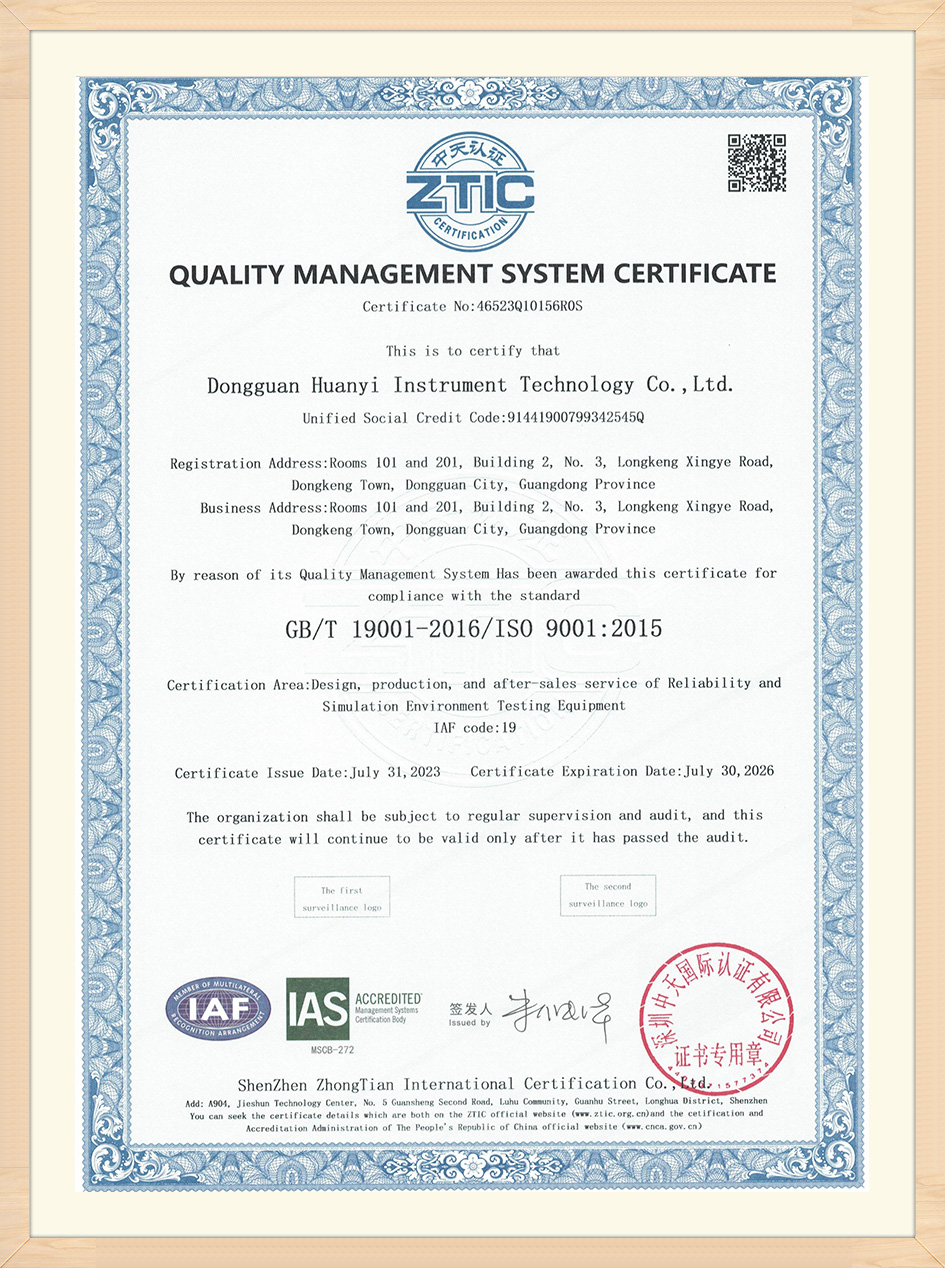
Explore our complete range of certified test chambers, gas detectors, and stress simulators supplied directly to factory assembly facilities across Vietnam and Southeast Asia.