In today’s fast-changing world of lab gear, the Digital Vacuum Oven really stands out for being so efficient and precise. Dr. Emily Chen, who’s a top expert at Innovative Lab Solutions, points out how important these ovens are: “A good quality Digital Vacuum Oven can really make a difference in how you dry things.” This kind of device plays a key role across various fields—whether you’re into pharmaceuticals or electronics, it’s a game-changer.
If you’re thinking about getting a Digital Vacuum Oven, it’s worth paying attention to stuff like how well you can control the temperature and the quality of the materials used. Not all brands are created equal—some perform way better than others, and picking the wrong one could leave you pretty disappointed. Also, don’t underestimate how much power you’ll need—skimping on that can lead to drying times that just won’t cut it.
Honestly, it can feel kinda overwhelming trying to sort through all the options out there. You’ll probably find yourself comparing different brands, specs, and price points—it’s a lot. But remember, each choice you make can really impact how well your setup works. Staying up-to-date with the latest tech and features will help you pick the perfect Digital Vacuum Oven for your specific needs.

Understanding Digital Vacuum Ovens: Key Features and Technologies
Digital vacuum ovens are gaining traction in various industries. They are essential for drying, curing, and sterilizing materials. These ovens operate under reduced pressure, allowing evaporation at lower temperatures. This feature is crucial for heat-sensitive materials, such as certain pharmaceuticals and electronics.
There are key technologies that define the functionality of digital vacuum ovens. Advanced temperature control systems provide precise heating. This ensures uniform processing. The integration of user-friendly digital displays allows for easy monitoring. A report by MarketsandMarkets indicates that the global vacuum oven market is projected to grow at a CAGR of 5.1% from 2021 to 2026. As industries adopt more automated solutions, the digital aspect becomes vital for efficient operation.
However, users often overlook some challenges. Maintenance can be demanding and requires regular checks for leaks or malfunctions. Calibration of sensors needs attention, or else, the accuracy may diminish over time. Data from industry surveys suggest that nearly 30% of users report difficulties in troubleshooting issues. Understanding these nuances is critical before making a purchase decision.
Market Analysis: Global Demand and Trends for Vacuum Ovens in 2026
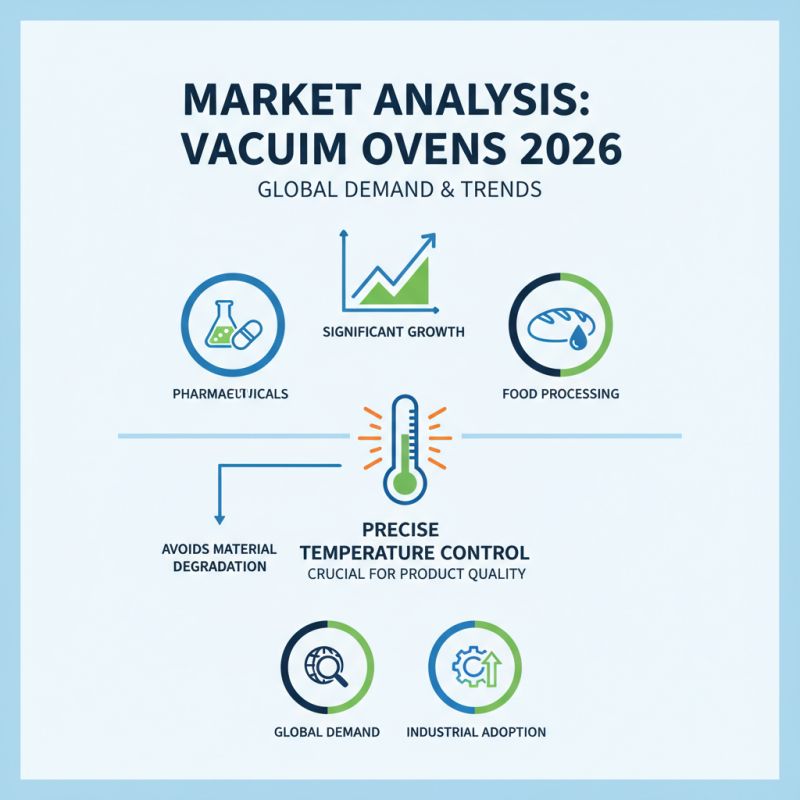
As we approach 2026, the global demand for vacuum ovens is poised to grow significantly. Industries such as pharmaceuticals and food processing increasingly rely on these specialized tools. Understanding the importance of precise temperature control is vital for maintaining product quality. This control is crucial in avoiding degradation of sensitive materials.
Current trends indicate a shift towards energy-efficient models. Many manufacturers seek to minimize energy consumption while enhancing performance. More buyers are prioritizing eco-friendly features in their purchasing decisions.
However, it’s essential to acknowledge potential challenges. Some manufacturers may overlook quality standards while chasing affordability. As buyers, it’s crucial to assess not just price, but also reliability and performance. Selecting the right vacuum oven involves careful evaluation of features and long-term value. Balancing cost with effectiveness is an ongoing concern for many buyers in the market today.
Factors Influencing the Selection of Digital Vacuum Ovens
When selecting a digital vacuum oven, several factors come into play. The technology utilized in vacuum ovens greatly affects their performance and efficiency. Advanced models use precise temperature control and vacuum levels. Data from the Global Vacuum Oven Market Report indicates that 35% of users prefer ovens with automated controls for better results.
Material and build quality also significantly impact user experience. Stainless steel is favored for its durability and resistance to corrosion. Research shows that the longevity of vacuum ovens can extend with high-quality construction. Buyers often overlook how insulation affects energy efficiency. Poor insulation can lead to higher operational costs.
Another crucial aspect is capacity. Buyers must consider their intended use. A small lab may require a compact oven, while larger operations may need industrial-scale sizes. User feedback highlights inconsistencies in product specifications. Some ovens advertised as high-capacity often fall short in practical terms. Therefore, reviewing specifications and user experiences is crucial. A well-informed choice can lead to significant operational improvements.
Top Brands and Manufacturers of Digital Vacuum Ovens Worldwide
When selecting a digital vacuum oven, it’s essential to consider various brands and manufacturers from around the globe. Each offers unique features and capabilities tailored for diverse applications. Investing time in research can lead to better choices that suit specific needs.
Top manufacturers often pride themselves on precision and technology. They focus on providing reliable temperature control and vacuum features. However, some brands may not deliver consistently high quality across all models. This inconsistency can make decision-making challenging for buyers. It's crucial to read reviews and gather real-user feedback.
Furthermore, the landscape of digital vacuum ovens is constantly evolving. Innovations emerge regularly, yet not every new feature proves useful. Some advanced options may complicate usability instead of enhancing it. The key is to find a balance between innovation and practicality. Always reflect on how features align with your operational requirements.
Price Range and Budget Considerations for Vacuum Oven Buyers
When considering a vacuum oven, price range plays a crucial role. Quality vacuum ovens can range significantly in cost, from $1,200 to over $8,000. Factors affecting this pricing include functionality, capacity, and advanced features like digital controls. Industrial-grade models typically come at a higher price due to their robust construction and extended capabilities.
Buyers must evaluate their budget carefully. Entering the market without a defined financial limit may lead to impulsive decisions. A recent industry report indicates that manufacturers are increasing features while maintaining competitive pricing. This means buyers have a better opportunity to find quality ovens for varying budget levels. However, investing in a more expensive model could lead to reduced operational costs and enhanced productivity over time.
Tips: Evaluate features beyond the initial price. Consider maintenance costs and energy efficiency. Assess warranties and customer service options offered by distributors. While a low upfront cost is tempting, it might lead to higher long-term expenses. Investing in a reputable model can prevent future regrets, and ultimately save money. Always read real user reviews to gauge reliability and performance.
Safety Standards and Compliance Regulations for Vacuum Ovens
When purchasing vacuum ovens, safety standards are crucial. These devices must adhere to strict regulations to ensure safe operation. The design must feature reliable pressure controls and adequate ventilation. This helps prevent dangerous pressure buildups during the vacuum process. Buyers should look for ovens that meet or exceed industry standards for electrical safety and material integrity.
Understanding compliance regulations is essential. Different regions may have unique requirements. Buyers should familiarize themselves with local safety codes. Certification labels can help verify compliance with these standards. It's vital to check if the oven has undergone third-party testing. This adds a layer of confidence in the equipment’s safety.
While many manufacturers claim compliance, not all may provide clear documentation. Some may overlook essential testing processes. Thus, it is important for buyers to ask for detailed safety reports. Engaging with industry experts or safety consultants can provide additional insights. A well-informed decision will undoubtedly lead to better outcomes. Safety should never be compromised in the pursuit of efficiency.
2026 Top Digital Vacuum Oven Buying Guide for Global Buyers
| Feature | Description | Compliance Standard | Safety Features |
| Temperature Range | Ambient to 300°C | ISO 9001 | Over-temperature protection |
| Vacuum Level | Up to 0.1 mbar | CE Marking | Automatic venting |
| Control Mechanism | Digital PID Controller | ROHS Compliance | Safety interlock |
| Capacity | 20 to 100 liters | ASTM Standards | Pressure relief valve |
| Material | Stainless steel | FDA Compliance | High-quality seals |
Maintenance Tips for Longevity and Performance of Vacuum Ovens
When investing in a vacuum oven, attention to maintenance is crucial for longevity and efficiency. Regular cleaning is essential. Keeping interior surfaces free from residue can prevent contamination of samples. According to industry reports, neglecting this can reduce operational efficiency by up to 20%.
Temperature calibration is another important aspect. Ensure that your vacuum oven is regularly calibrated. This process maintains precision, which is critical for consistent results. Poor calibration can lead to significant errors in sensitive experiments, and studies indicate that a mere 5°C deviation can impact outcomes drastically.
Lastly, monitoring vacuum integrity can prevent costly issues. A drop in vacuum quality can lead to inefficient drying or curing. Check seals and gaskets regularly for wear. Frequent inspections of these components can help preempt any potential breakdown. Though attention to these details may seem tedious, they are necessary for reliable operations.
“Exploring the Efficiency and Applications of Electric Blast Drying Ovens: Insights from Recent Industry Reports and Statistical Analysis”
Electric blast drying ovens are revolutionizing the efficiency across multiple industries by offering a reliable solution for drying materials. Recent industry reports highlight their versatility, making them a popular choice for sectors such as chemistry, medicine, food, and textiles. These ovens utilize electric heating to generate a powerful airflow, ensuring that products are dried uniformly and quickly. This rapid drying process not only enhances productivity but also maintains the integrity of sensitive materials.
In the fields of fine chemicals and pharmaceuticals, where precision is critical, the electric blast drying oven provides an invaluable tool for manufacturers. It supports stringent quality control measures, allowing for accurate moisture removal without compromising the chemical properties of the substances being processed. Additionally, in the food and bioengineering industries, the efficient drying capabilities help preserve the nutritional value and freshness of products, ensuring that they meet both regulatory standards and consumer expectations. With advancements in technology, these ovens are becoming increasingly efficient, offering users a tailored solution that meets their specific drying needs.
FAQS
: Consider technology, material quality, insulation, and capacity. Each factor affects performance and efficiency.
Precise temperature control ensures consistent results. It enhances the efficiency of the vacuum process.
High-quality materials, like stainless steel, resist corrosion and extend oven life. Durability is key for effective use.
Some products may not meet their advertised capacity. User experiences often reveal inconsistencies.
Safety standards prevent hazardous conditions. Reliable pressure controls and ventilation are essential for safe operation.
Look for certification labels and ask for detailed safety reports. Third-party testing enhances safety confidence.
Not always. Some advanced features may complicate use instead of enhancing efficiency. Balance is key.
Yes, consulting with experts can provide valuable insights. This knowledge enhances decision-making regarding safety and efficiency.
Buyers often neglect proper insulation, which can lead to higher operational costs. This affects overall efficiency.
User feedback offers practical insights on product performance. Reviews can highlight potential issues overlooked in specifications.
Conclusion
The "2026 Top Digital Vacuum Oven Buying Guide for Global Buyers" provides comprehensive insights into the world of digital vacuum ovens. It begins with an exploration of essential features and technologies that define these appliances, highlighting their importance in various applications such as material drying and heat treatment. The guide analyzes market trends and global demand for vacuum ovens in 2026, offering valuable information for potential buyers.
Factors influencing the selection of a digital vacuum oven, including performance, size, and energy efficiency, are also discussed. Additionally, it covers price ranges, budget considerations, and safety standards that buyers should be aware of. Finally, the article emphasizes maintenance tips to ensure the longevity and optimal performance of digital vacuum ovens, making it a crucial resource for informed purchasing decisions.