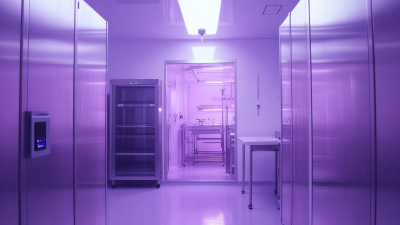
Lately, we've seen a real uptick in how important Environmental Humidity Chambers have become across various industries. People are finally catching on to how much humiditycan impact the performance and lifespan of products. If you've checked out recent market reports, like the one from Research and Markets, you'll see that the global market for Environmental Testing Chambers is projected to hit around$1.05 billion by 2025. This growth is mainly fueled by the need for trustworthy product testing in sectors like electronics, pharmaceuticals, and automotive.
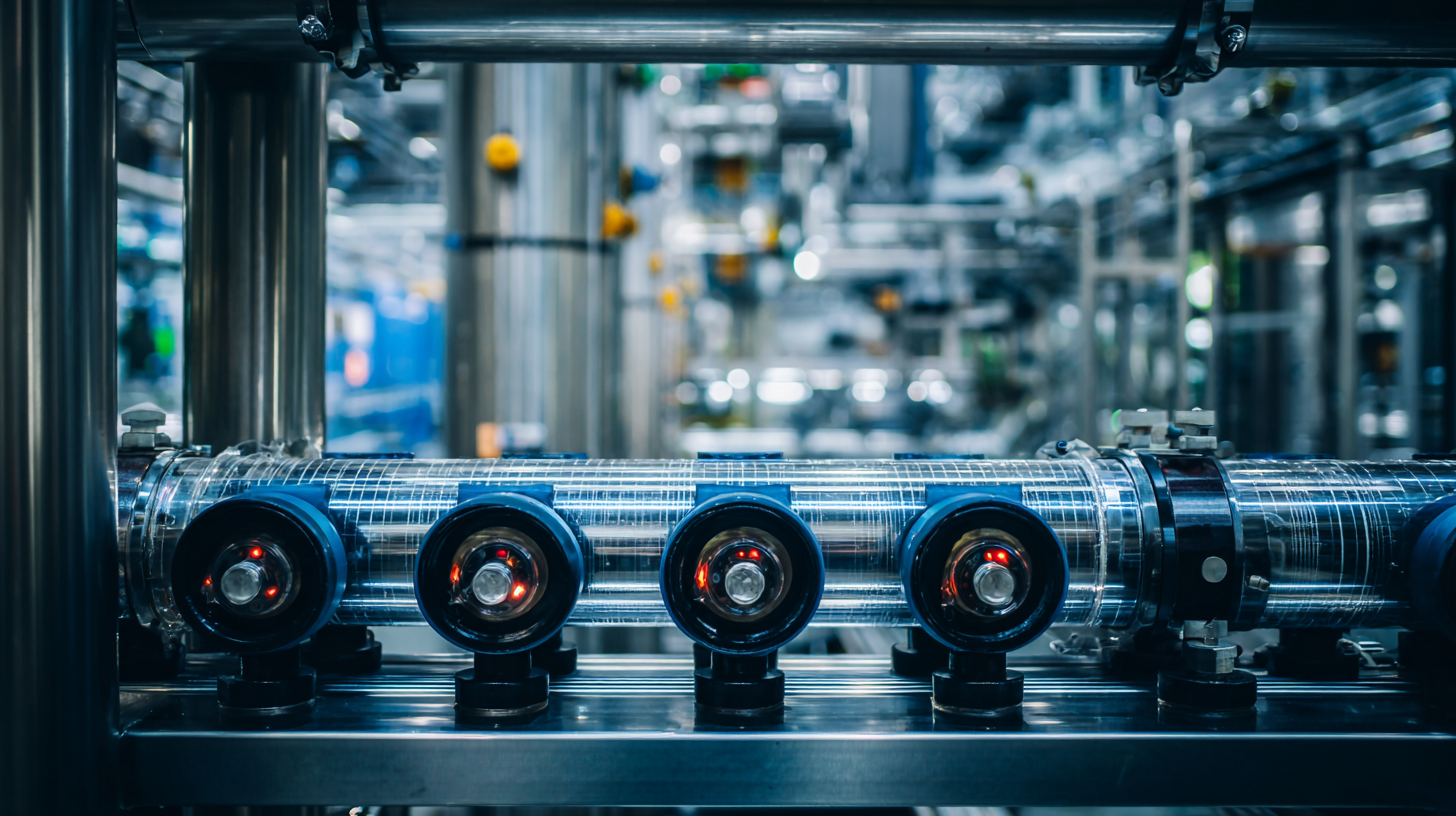
Here in Dongguan, Huanyi Instruments has been leading the charge since 2007, blending research, manufacturing, and sales of top-notch environmental simulation equipment. We're also actively involved in shaping national and industry standards because we’re truly dedicated to offering cutting-edge humidity chambers that deliver precise results and help industries stay compliant with all those strict regulations. It’s an exciting time for this field, and we’re proud to be part of it.
Benefits of Environmental Humidity Chambers in Industrial Settings
Environmental humidity chambers are pretty essential in a bunch of industrial settings. They offer some serious advantages when it comes to testing products and making sure everything’s up to standard. Basically, these chambers let manufacturers control both humidity and temperature with great precision, so they can mimic real-world conditions that the products might face out in the wild. At Dongguan Huanyi Instruments Technology Co., Ltd., they truly understand how important this kind of equipment is. That’s why they’ve poured resources into R&D, creating top-notch environmental simulation testers that meet both national and industry standards.
Now, why bother with these chambers? Well, the benefits are quite a few. They help keep testing conditions consistent, which means the results you get are more reliable — and that’s huge for product durability. Industries like pharmaceuticals, electronics, and textiles depend on these chambers a lot. They use them to speed up development, avoid unexpected failures, and keep quality steady across different humidity levels. Plus, with cutting-edge tech built into their design and manufacturing, companies like Dongguan Huanyi are making it easier for businesses to streamline their testing. In the end, this all helps foster innovation and makes companies more competitive in a tough market.
Key Features to Look for in Humidity Chambers for Optimal Performance
When you're choosing humidity chambers for industrial uses, there are a few key features that really make a difference in how well they perform. First off, having precise control over the humidity levels is a must. I came across a report from the International Society of Automation saying that keeping humidity consistent can cut down product defects by about 20%, which is pretty significant—especially in sectors like pharmaceuticals and electronics. Modern humidity chambers with microprocessor controls are great because they let you monitor and tweak things in real time, so you’re always maintaining the perfect humidity without much fuss.
Another thing to think about is the size of the chamber and what it's made of. This can really impact how energy-efficient and durable it is. According to the Engineering Toolbox, insulated chambers can cut energy use by up to 30%, which is definitely a big bonus in the long run. Plus, choosing materials that resist corrosion, like stainless steel, means the chamber will last longer—especially if you’re testing products that tend to release moisture or chemicals.
And don’t forget about versatility — a good humidity chamber should offer different modes for testing, such as cycling humidity or maintaining steady levels. Research from the Materials Research Society shows that having these options helps better mimic real-world conditions, making your testing more accurate and reliable. Overall, if you focus on these features, your equipment will perform better, and you’ll get more trustworthy results, plus it’ll last longer and save you some money too.
Best Practices for Implementing Humidity Chambers in Manufacturing
When you’re using humidity chambers in manufacturing, it’s super important to follow some best practices to really get the most out of them. First off, you wanna check what kind of humidity levels your materials and parts actually need. Different products can be pretty sensitive to moisture, so customizing the chamber’s settings to suit those needs helps avoid defects and keeps the quality up. It’s also a good idea to calibrate the chamber regularly—this way, you know it’s maintaining consistent conditions, which is crucial for stable production.
On top of that, don’t forget to do routine maintenance and keep an eye on the humidity levels. Having a schedule for cleaning and inspecting the control systems can save you from bigger problems down the line. And if possible, using advanced monitoring tech can give you real-time updates on the environment—meaning you can tweak things on the fly if needed. All in all, sticking to these best practices means you’ll get better reliability from your humidity chambers, leading to higher quality products and smoother production runs.
Unlocking the Advantages of Environmental Humidity Chambers in Industrial Applications - Best Practices for Implementing Humidity Chambers in Manufacturing
| Application Area | Humidity Level (%) | Temperature Range (°C) | Testing Duration (Hours) | Best Practices |
| Pharmaceuticals | 30-70 | 15-25 | 48 | Regular calibration and monitoring |
| Electronics | 40-60 | 20-30 | 72 | Maintain stable environment to prevent corrosion |
| Food Industry | 60-80 | 0-10 | 24 | Ensure proper sealing and monitoring |
| Textiles | 40-70 | 15-25 | 48 | Control humidity to prevent static charge |
| Cosmetics | 40-50 | 15-30 | 36 | Ensure consistency and avoid separation |
Case Studies: Successful Industrial Applications of Humidity Chambers
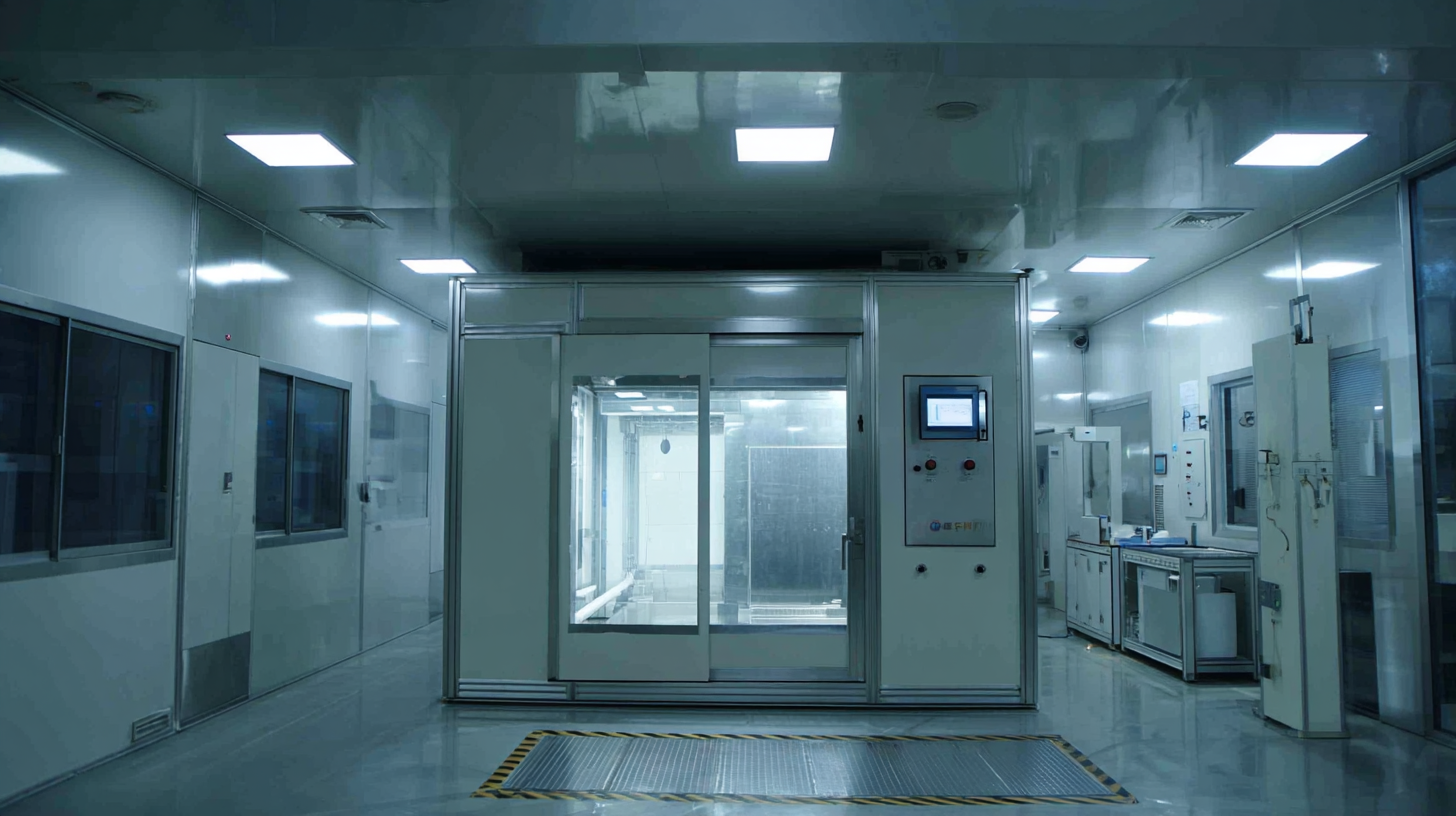 Humidity chambers have really become essential tools in a lot of industries these days. They’re basically like controlled environments where you can simulate specific humidity levels for testing and developing products. For example, in the electronics world, companies rely on humidity chambers to check how their gadgets hold up under different humidity conditions. By exposing devices to high humidity, manufacturers can spot potential issues early on, making sure the products are tough enough for real-world use. This kind of proactive testing not only boosts reliability but also helps avoid those costly recalls and keeps customers happy.
And it doesn’t stop there—pharmaceutical companies are big users of humidity chambers, especially for testing the stability of medications and vaccines. They replicate storage conditions to see how humidity might influence the effectiveness or integrity of their products over time. This is super important for meeting regulatory standards and making sure consumers get safe, high-quality meds. All in all, these chambers play a crucial role—they really help improve product quality and performance across different fields, no kidding.
Tips for Maintaining and Calibrating Humidity Chambers Effectively
Keeping those environmental humidity chambers in tip-top shape is super important if you want your results to be both accurate and trustworthy in the industrial world. A well-calibrated humidity chamber gives you this awesome level of control over environmental conditions — which is a big deal when you're doing tests or experiments that really care about moisture levels. Just a heads-up: doing regular maintenance like cleaning it up, double-checking the seals, and making sure the sensors are working right can save you from unexpected data quirks caused by external stuff. It's a smart move to set up a maintenance routine so everything stays in perfect condition.
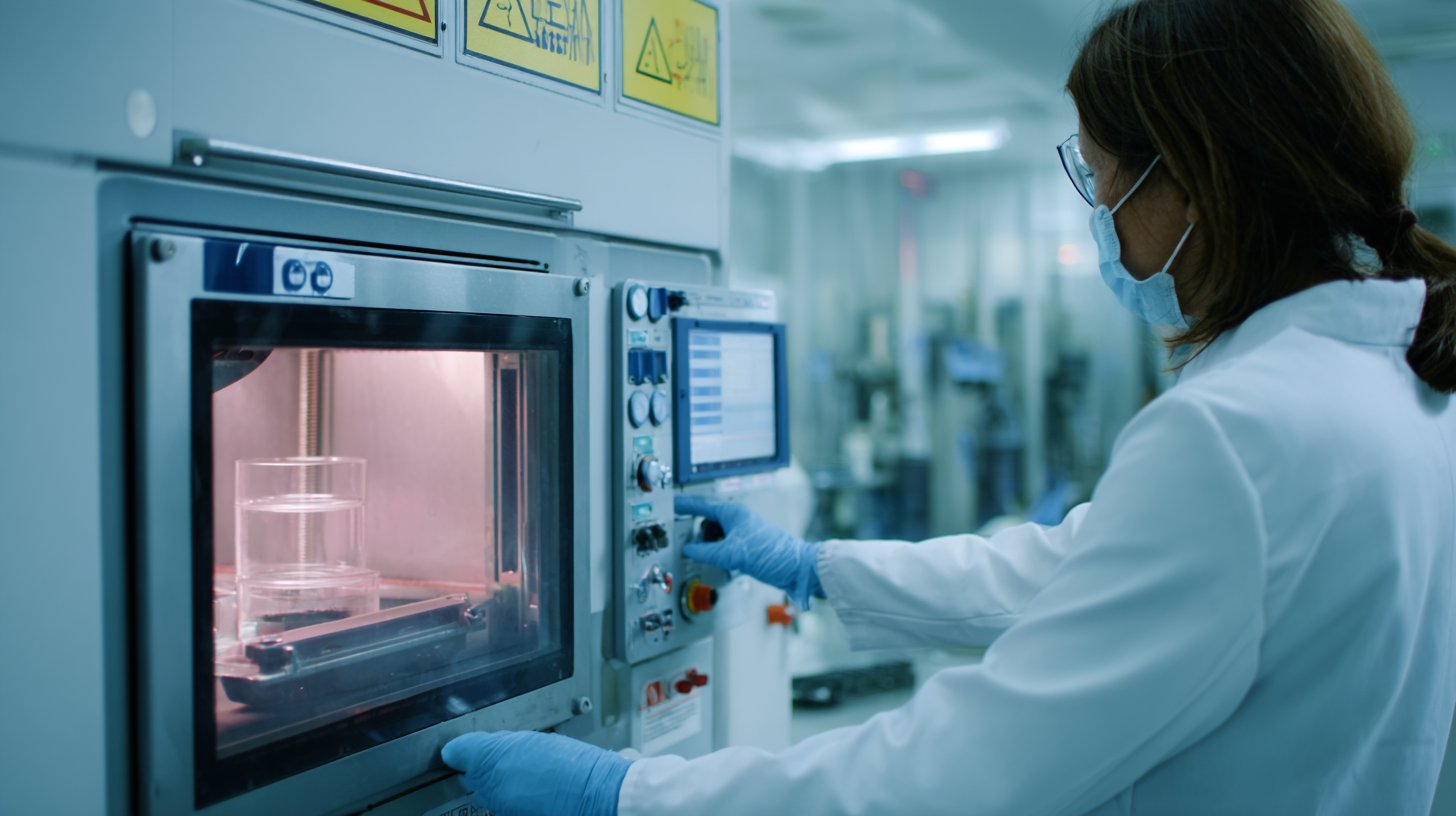
Getting the calibration just right can seriously boost the quality of your results. Things like using standard reference materials or trying out new calibration tech can make a big difference in making your data more reliable. These days, there's some pretty cool advancements—like specialized chambers designed to test low-cost sensors—that underline how crucial it is to keep conditions consistent during testing. If you adopt these strategies, you'll likely see more consistent, reproducible results — which is key especially in industries that depend on tight humidity control for their products or research. It’s all about keeping things steady and dependable, ya know?
Future Trends in Humidity Chamber Technology for Industrial Use
So, the way humidity chamber technology is evolving these days is pretty exciting — it’s really going to change things up in industries. I came across some recent market analysis from ResearchAndMarkets, and guess what? It predicts that the humidity chamber market will grow at about 6.8% annually until 2027. That’s a solid jump, and it’s mainly because more industries like pharma, electronics, and food packaging need reliable environmental testing. You know, controlling humidity precisely is key for keeping products quality-approved and meeting all those strict regulations.
On top of that, there’s a lot of buzz around smarter humidity chambers. Manufacturers are really focusing on integrating tech like IoT, which means you can now monitor things in real-time and analyze data seamlessly. This not only makes operations smoother but also cuts down on mistakes that happen from manual checks. A recent report from MarketResearchFuture even suggests that chambers with automation and connected data features are going to grab quite a big chunk of the market by 2025. Basically, it’s heading toward more advanced, user-friendly equipment that not only ticks all the regulatory boxes but also helps save resources — pretty cool, right? It really shows that humidity chamber tech has a bright future, especially when it comes to making industries greener and more efficient.
FAQS
: Environmental humidity chambers allow for precise control of humidity and temperature, enabling manufacturers to simulate real-world conditions for product testing and quality assurance.
By enabling consistent testing conditions, humidity chambers lead to more reliable results which ultimately enhance product durability.
Industries such as pharmaceuticals, electronics, and textiles rely on humidity chambers to accelerate material development and maintain product quality under varying humidity levels.
Best practices include assessing the specific humidity requirements of materials, tailoring chamber settings accordingly, and ensuring regular calibration and maintenance of the humidity chambers.
Regular calibration is vital for maintaining stable and predictable conditions, which helps ensure consistent manufacturing processes and prevents defects.
Integrating advanced monitoring technologies can provide real-time data on environmental conditions, enabling manufacturers to make informed adjustments swiftly.
A maintenance schedule should include routine cleaning and checking the functionality of humidity control systems to prevent potential issues.
They allow for controlled testing scenarios that simulate different environmental conditions, helping to identify potential product failures before they occur.
By streamlining testing processes and ensuring quality, humidity chambers foster innovation and enhance operational efficiency in competitive markets.
Manufacturers should assess the specific humidity sensitivities of their products and adjust chamber settings to align with these requirements for optimal performance.
Conclusion
Environmental Humidity Chambers are pretty essential in a bunch of industrial settings, mainly because they offer controlled environments that mimic specific humidity levels. Honestly, these chambers can really boost the accuracy of product testing, improve quality control, and help companies meet even the toughest industry standards. When you're choosing one, pay attention to a few key features—like precise humidity control, stable temperature, and solid data logging capabilities—to get the best performance.
Getting the hang of best practices really makes a difference when using these chambers at work. Companies like Dongguan Huanyi Instruments Technology Co., Ltd. are leading the way with innovative humidity chambers that meet all the national and industry standards—so you can trust the results. And as technology keeps advancing, we're seeing some pretty exciting trends—more advanced humidity management systems that can really make a difference in industrial processes and applications down the line.