When you're diving into space research, material testing, or product development, one thing that definitely catches your attention is the price of a Thermal Vacuum Chamber. It’s a pretty big deal because these chambers can vary a lot — based on their size, features, and tech inside. I read somewhere that, over the past five years, the average cost for a standard chamber has gone up by about 15%, mainly thanks to increased demand and cooler tech integrations. Crazy, right?
As the aerospace and defense folks keep pushing boundaries, the need for reliable thermal vacuum testing gets even more important. Big players like NASA and ESA are always upgrading with the latest and greaTest Chambers to mimic extreme conditions. But for smaller companies — it’s not always easy to justify the price tag. They often have to decide whether it’s worth the cost for their project, which can sometimes cause delays or tough choices.
Getting a handle on how much these chambers typically cost is pretty crucial for making smart buying decisions. It helps organizations stay within their budgets while still meeting their testing needs. And honestly, staying up-to-date with industry trends can really give you an edge. Looking into pricing and tech value regularly will be key for growth down the line in this ever-changing market.
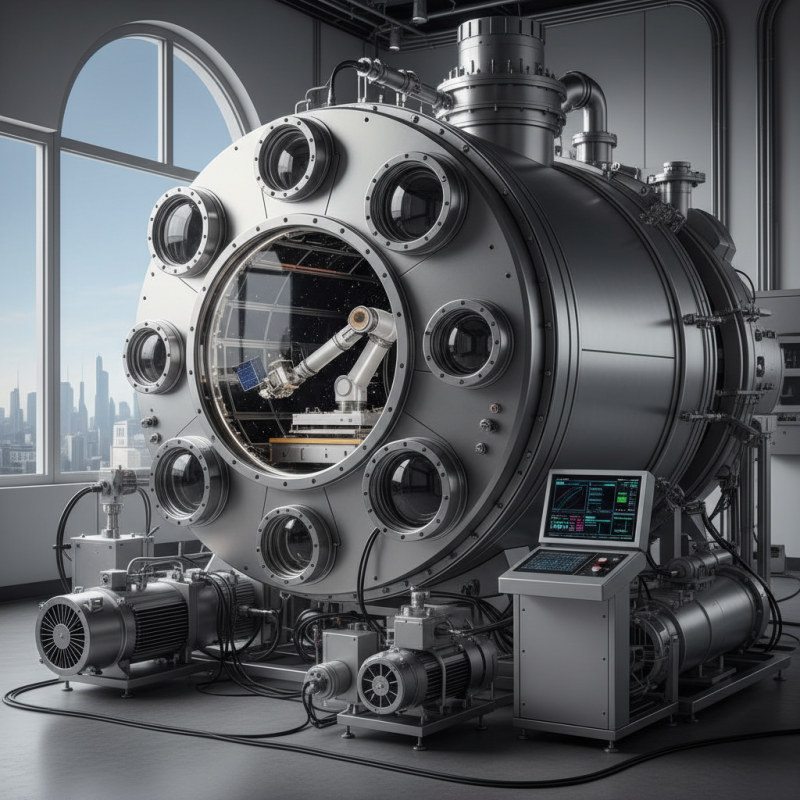
Factors Influencing Thermal Vacuum Chamber Prices
When considering the price of thermal vacuum chambers, several key factors come into play. The size and design of the chamber significantly influence costs. A larger chamber generally requires more material, increasing its price. Custom designs, tailored to specific testing needs, can also lead to higher costs due to specialized engineering.
Another critical factor is the technology used in the chambers. Advanced features such as precise temperature control, vacuum capabilities, and data acquisition systems can push prices higher. The complexity of these systems requires expertise in design and manufacturing, which adds to the overall expense. Each component must be reliable to ensure accurate testing results.
Lastly, market demand affects pricing. During periods of high demand, prices may rise due to limited availability. Conversely, a surplus in production can lead to competitive pricing. The balance between demand and supply shapes what buyers can expect to pay. Investing in extensive research and careful consideration of these factors is essential for anyone looking to purchase a thermal vacuum chamber.
Current Market Trends in Thermal Vacuum Chamber Pricing
Thermal vacuum chambers play a crucial role in various industries, especially in aerospace. The demand for these chambers is influenced by technological advancements and market trends. Today, the average price of thermal vacuum chambers can vary significantly. Factors such as size, capability, and manufacturer reputation greatly affect pricing dynamics.
Currently, many businesses are trying to balance quality with budget constraints. Some thermal vacuum chambers are priced lower, often compromising on features. This trend raises concerns about long-term reliability, which can be costly for users. Investing in a more reputable chamber could yield better performance and durability.
Tips: Always evaluate your specific needs before making a purchase. Consider potential long-term costs rather than just upfront prices. Engage with industry experts for insight, as their experience can guide you. It's also wise to conduct regular market research. Proactive learning is key to making informed choices in a rapidly evolving landscape.
Types of Thermal Vacuum Chambers and Their Cost Differences
Thermal vacuum chambers are essential in testing materials and components in space-like conditions. The types of chambers vary widely in price due to their design and capabilities. Common types include benchtop, large-scale, and custom-built vacuum chambers.
Benchtop chambers are generally the most affordable, costing between $5,000 and $15,000. They are compact and suitable for smaller projects. Large-scale chambers, used for extensive testing, can range from $30,000 to over $100,000. Custom-built options are tailored for specific needs, and their prices can be significantly higher, depending on various features and engineering requirements.
**Tip:** When considering a thermal vacuum chamber, reflect on your exact testing needs. Understand what specifications will serve your purpose best. Be cautious of vendors who oversell the capabilities of their chambers.
Another vital aspect is maintenance. Regular upkeep can prevent costly repairs. Some users overlook this, leading to unexpected expenses. Assess the warranty and service options before finalizing your purchase.
**Tip:** Evaluate the long-term costs associated with each chamber. Sometimes, a higher initial investment leads to lower overall costs. Cost-effectiveness should include performance and maintenance reliability.
Average Thermal Vacuum Chamber Prices by Type
This chart represents the average prices of different types of thermal vacuum chambers in USD. The data reflects current market trends and variations based on chamber specifications.
Average Prices of New vs. Used Thermal Vacuum Chambers
The market for thermal vacuum chambers varies significantly based on whether they are new or used. New thermal vacuum chambers typically range from $30,000 to $100,000, depending on size and technology. For instance, advanced models designed for aerospace testing can push prices even higher. These chambers, often equipped with more sophisticated temperature control and vacuum capabilities, cater to high-demand sectors. A recent industry report suggested that while the upfront cost is substantial, the durability and technology of new units justify the investment.
On the other hand, used thermal vacuum chambers offer a more economical alternative. Prices can start at around $10,000 and go up to $50,000, influenced by the chamber's age and condition. A study showed that buyers often choose used options to save costs while still maintaining operational efficiency. However, it's essential to consider the maintenance history and potential need for upgrades. While the initial savings are attractive, unexpected repairs can erode cost benefits. Thus, careful evaluation is vital to ensure a worthwhile acquisition, particularly in specialized applications like materials testing or electronics validation.
How to Budget for a Thermal Vacuum Chamber Purchase
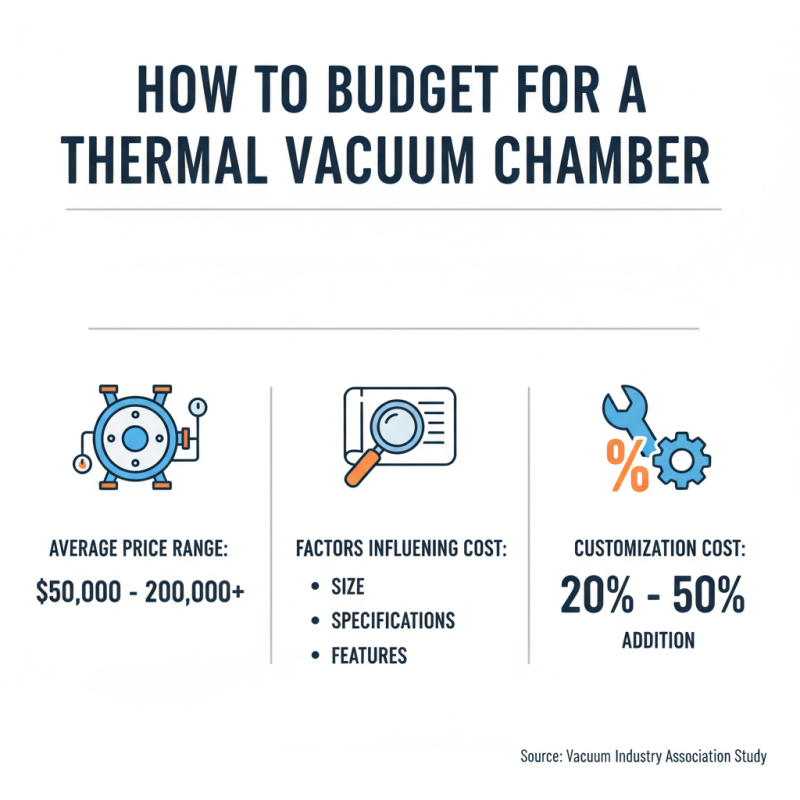
Budgeting for a thermal vacuum chamber purchase requires careful planning. The average price for these chambers can range significantly, from $50,000 to over $200,000. The exact cost depends on the size, specifications, and features required. A study by the Vacuum Industry Association highlights that customization can add 20% to 50% to the baseline price.
Factors influencing budget include chamber size and capability. Larger chambers are generally pricier. Additionally, advanced features like integrated systems or high-performance materials increase costs. These enhancements might be necessary for specific applications, but they also require a critical assessment of actual needs versus wants.
Maintenance and operational expenses should also be factored in. Reports indicate that upkeep can run about 10% of the initial acquisition cost annually. Understanding these ongoing expenses is crucial. Investing in a thermal vacuum chamber necessitates not just a one-time purchase but a comprehensive budget that addresses long-term sustainability and operational efficiency.
Cost Considerations for Custom Thermal Vacuum Chambers
When considering the cost of custom thermal vacuum chambers, several factors come into play. The complexity of the design significantly impacts the final price. Specific requirements, such as size and heat capacity, can drive costs higher. For example, a larger chamber needs more materials and engineering time. A standard small chamber might be more affordable, yet custom features add to the expenses.
Material selection also plays a crucial role in determining the cost. High-quality, durable materials increase the longevity of the chamber. However, they come at a premium price. The choice of insulation and sealing methods affects both performance and cost. Unique features, like advanced monitoring systems, introduce additional expenses.
Customization can lead to unexpected challenges. Engineers might face difficulties in meeting all specifications. Clients should prepare for potential adjustments. A clear understanding of the intended use can streamline this process, reducing the likelihood of costly modifications. Each project is unique, and budget flexibility is often necessary to realize the desired outcomes.
Impact of Technological Advancements on Chamber Prices
Technological advancements greatly influence thermal vacuum chamber prices today. Modern chambers now include advanced materials and smart technology. These upgrades enhance performance but often raise costs. Manufacturers invest in research to create more efficient systems. Innovations like automated monitoring and temperature controls are now standard. However, increased functionality may come with a higher price tag.
Market competition drives some prices down. Smaller companies may struggle to keep up with big players. This can lead to variability in pricing. Not all manufacturers can offer the same level of technology. It's essential to compare features and reliability. While lower prices can be appealing, they might lack essential capabilities. Serious buyers need to evaluate both price and performance. Investing in quality often pays off in long-term efficiency.
New options emerge regularly. Some products may seem promising but fall short on delivery. This creates a dilemma for buyers. Choosing the right thermal vacuum chamber requires careful consideration. Professionals should prioritize reliability over initial cost. Understanding the underlying technology is vital. This knowledge allows for informed decisions amidst a rapidly evolving market.
Understanding the Importance and Applications of the TVAC Test Chamber in Space Thermal Testing
The TVAC test chamber, or thermal vacuum test chamber, plays a crucial role in the field of space thermal testing by providing a controlled environment that simulates the harsh conditions of outer space. These chambers are engineered to create extreme thermal vacuums, allowing researchers and engineers to evaluate the performance and reliability of materials and systems intended for space applications. By subjecting products to both high and low temperatures alongside high vacuum levels, the TVAC test chamber helps ensure that space-bound equipment can withstand the rigors of launch and the operational environment in orbit.
The applications of thermal vacuum testing extend beyond space exploration; they are also vital in sectors such as aerospace, electronics, and defense. In aerospace, for instance, components such as satellites and spacecraft are rigorously tested in TVAC chambers to confirm their resilience against thermal extremes and the vacuum of space. This testing process ensures that critical systems, including sensors and electronics, will function optimally in their intended environments. Furthermore, the ability to simulate these conditions allows for the identification of potential failure points, leading to improvements in design and reliability prior to deployment. The importance of the TVAC test chamber cannot be overstated, as it serves as an essential tool for innovation and safety in high-stakes industries.
FAQS
: New thermal vacuum chambers typically cost between $30,000 and $100,000.
Advanced technology and durability justify the higher price for new models.
Used thermal vacuum chambers generally range from $10,000 to $50,000.
Buyers need to assess maintenance history and anticipate potential upgrade costs.
Custom features, size, and materials can significantly raise the overall cost.
Durable materials enhance longevity but often come with higher price tags.
Engineers may struggle to meet all specifications, leading to possible adjustments.
A clear understanding of intended use helps reduce costly modifications.
Yes, unexpected repairs can diminish the initial cost savings of used units.
Yes, budget flexibility can help accommodate unique project needs and adjustments.
Conclusion
The article "What is the Average Thermal Vacuum Chamber Price Today?" explores the various factors influencing Thermal Vacuum Chamber prices, such as market trends, the differing types of chambers, and the distinctions between new and used models. Current market dynamics show that pricing can vary significantly based on size, capabilities, and purpose. Infographics reveal that custom thermal vacuum chambers often require additional budgeting due to their specialized needs.
Additionally, the piece highlights how technological advancements have impacted costs, often leading to higher prices for more sophisticated models. Understanding these factors is essential for potential buyers to budget effectively for their thermal vacuum chamber purchase. Overall, an informed approach to assessing the Thermal Vacuum Chamber Price can lead to better investment decisions in this essential equipment for various industrial applications.