- Home
- Products
- About Us
- Resources
- Support
- Contact Us
Leave Your Message
- Phone
- E-mail
- Whatsapp
- WeChat


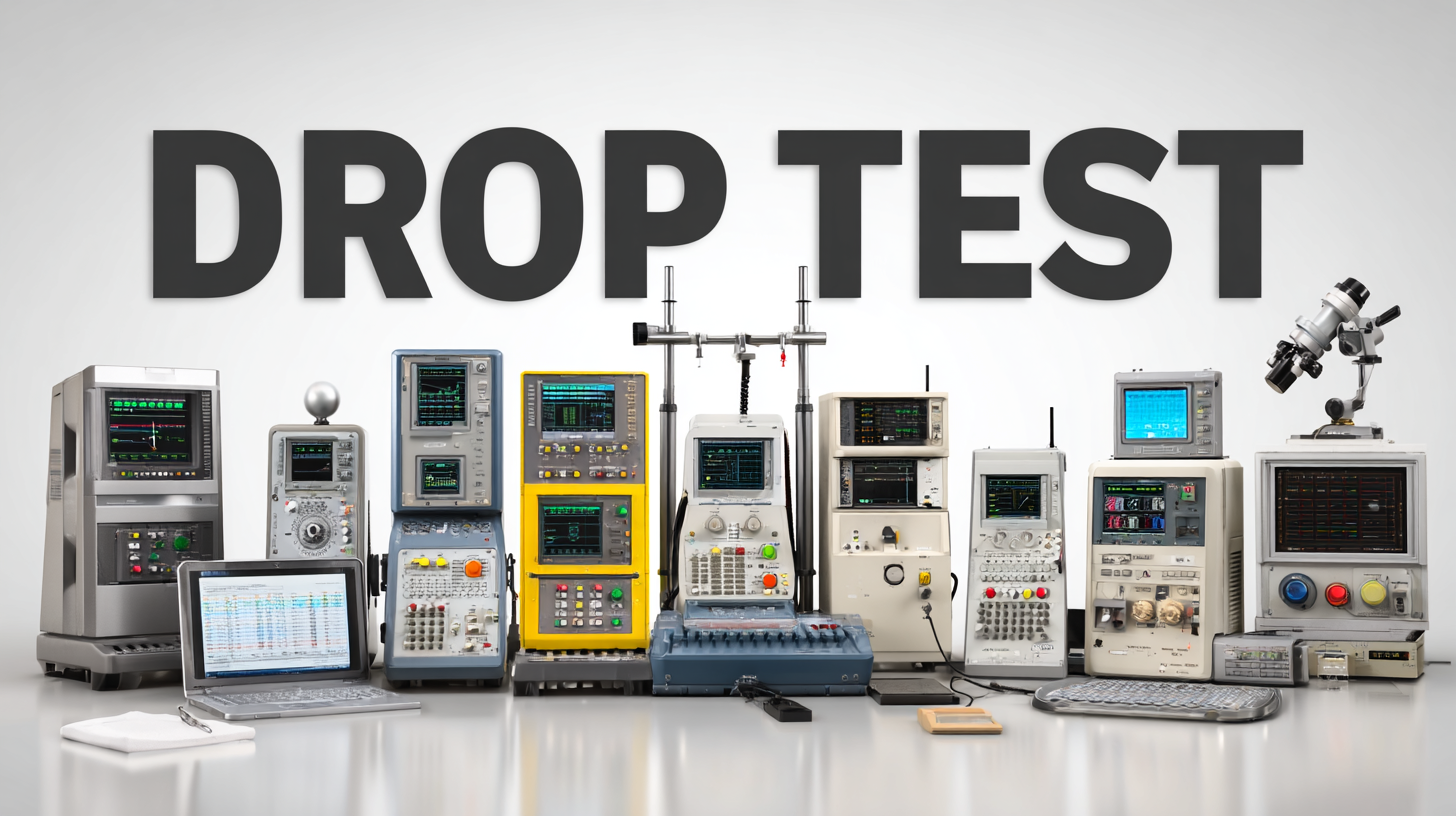
You know, in today’s fast-changing world of product testing, Drop Test Equipment really is key for figuring out just how tough and durable different products are. As we look ahead to 2025, it’s pretty clear that there’s going to be a big jump in the need for reliable drop testing solutions. This demand is mainly fueled by industries like electronics, packaging, and automotive. A recent report even suggests that the global market for this kind of equipment is set to grow at around 7.5% every year. That's a clear sign that companies are really stepping up their game when it comes to product safety and making sure their stuff passes tough testing standards.

Now, on a related note, Dongguan Huanyi Instruments Technology Co., Ltd., which got its start back in 2007, is playing a big role in this tech boom. They’re actually helping set national and industry standards for environmental simulation test gear. In this blog, we’ll dive into the different types of drop test equipment out there and explore their unique features and uses, all while sharing some insights that could really help industry professionals as they navigate the ever-evolving market in the years to come.
Looking ahead to 2025, there are a few key things driving the growth of the drop test equipment market. One big reason is the growing need for product durability testing across a bunch of industries, like electronics, packaging, and logistics. Nowadays, products are getting more and more complex, which means companies really have to make sure their stuff can handle all the rough and tumble of shipping and handling. This push for solid testing solutions is nudging manufacturers to up their game with advanced drop test technologies that deliver trustworthy performance data.
Another major factor fueling market growth is how fast technology is evolving. With cool innovations like IoT integration and AI-powered analytics, testing is becoming way more efficient and spot-on. Businesses can snag real-time data about how their products perform during drop tests, which means they can get insights in no time and tweak their designs and production quickly. As competition heats up, having top-notch drop test equipment not only boosts product quality but also helps meet those tough safety standards, making it a must-have for manufacturers who want to keep thriving in this ever-changing market.
| Category | Market Size (USD Million) | Growth Rate (%) | Key Drivers | Geographical Focus |
|---|---|---|---|---|
| Laboratory Testing Equipment | 250 | 7.0 | Rising safety regulations | North America |
| Consumer Electronics | 180 | 8.5 | Increased demand for durable products | Asia Pacific |
| Automotive Testing Solutions | 300 | 6.5 | Technological advancements in vehicles | Europe |
| Packaging and Transport Testing | 220 | 7.8 | Growing e-commerce sector | Global |
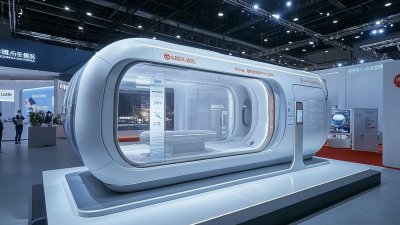
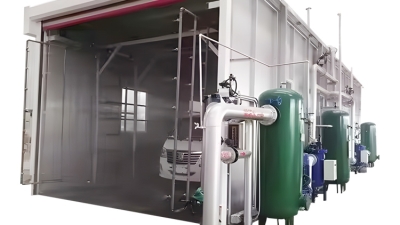
The automotive industry is continuously evolving, with manufacturers striving to meet the latest testing standards that ensure vehicle reliability and performance. One critical aspect of this is the water shower test rooms, which play a pivotal role in assessing a vehicle's rainproof capabilities. These specialized chambers simulate various rainfall conditions, allowing automakers to evaluate the sealing and resistance of their vehicles against water ingress. With the latest testing standards, there is an increasing emphasis on ensuring that vehicles can maintain a dry and comfortable interior, regardless of external weather conditions.
A key product in this domain is the car Rain Test Chamber. This innovative device is designed to effectively simulate different rainfall intensities and angles, providing a comprehensive assessment of a vehicle's water resistance. By accurately replicating real-world rain scenarios, manufacturers are equipped to identify potential vulnerabilities in their designs, thus enhancing the overall quality and durability of their vehicles. As market trends lean towards greater transparency and compliance with rigorous testing standards, investing in advanced rain test chambers becomes essential for auto manufacturers looking to uphold their reputation for quality and reliability.
: When selecting drop test equipment, consider factors such as load capacity, drop height, materials of the items being tested, industry standards, adaptability to testing methods, user-friendly interfaces, and data collection capabilities.
Load capacity is crucial because it determines the maximum weight the equipment can handle during testing, ensuring that it is suitable for the products you need to evaluate for durability and safety.
Market trends towards advanced and automated solutions make it essential to choose versatile drop test equipment that supports a variety of testing scenarios, thereby saving time and resources.
Look for features such as adaptability to various drop test scenarios, user-friendly interfaces, robust data collection capabilities, and support for different surfaces or impact angles.
The drop test equipment market is growing due to rising demand for quality assurance, compliance with safety standards, and increasing investment in innovative technologies by leading manufacturers.
Key players in the drop test equipment market include Instron, ZwickRoell, and MTS Systems Corporation, which are known for their innovative technologies and comprehensive testing solutions.
Evolving consumer preferences, such as a focus on product durability and safety, are pushing organizations to invest in reliable drop test equipment to meet market demands and ensure compliance.
There is a growing preference for health-conscious products with packaging in glass, cans, or plastic, particularly in sectors like sparkling water and donuts, which influences testing requirements for durability and safety.
Companies can stay competitive by investing in innovative technologies, forming strategic collaborations, and focusing on niche markets to address specific customer needs.
Real-time data analytics enhances drop testing performance by improving testing efficiency and accuracy, allowing manufacturers to make informed decisions based on the results.