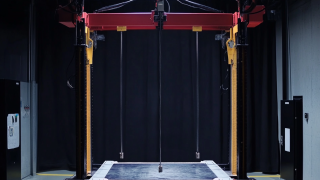
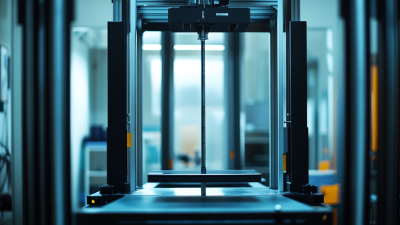
In today's super competitive market, making sure your products hold up over time is more important than ever. One of the best ways to do that is by using a Drop Testing Machine to really push your products to their limits. Did you know that almost 30% of product failures happen because of damage from impacts or drops during shipping and handling? That’s a pretty big chunk! Since starting back in 2007, Dongguan Huanyi Instruments Technology Co., Ltd. has been a leader in this space. We’re not just about R&D, manufacturing, and sales — we’ve also been actively involved in shaping national and industry standards for environmental simulation testing equipment. By adopting the latest drop testing tech, companies can boost the reliability and performance of their products, which means happier customers and fewer returns. In this blog, we’ll take a look at ten of the best drop testing machines out there — tools that can really take your product durability to the next level.
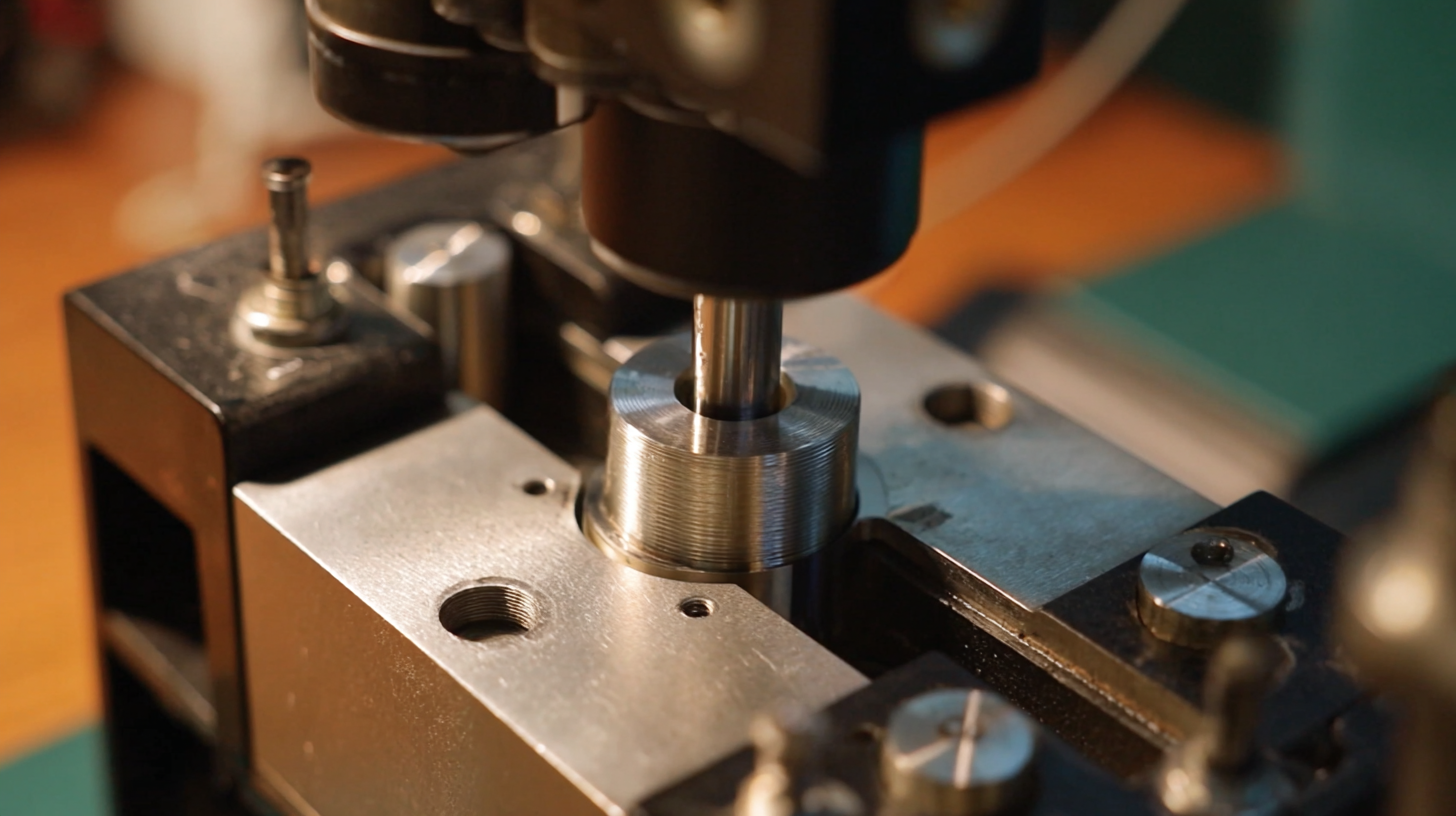
Understanding the Importance of Drop Testing for Product Durability
Drop testing is super important when it comes to making sure your product’s tough enough to handle real life. Think about it—when products are shipped or handled, they’re often dropped or bumped around, right? So, by simulating those drops in a lab, companies can catch issues before the products even reach customers. I read in The International Journal of Engineering Research and Applications that roughly 30% of product failures are due to mechanical shocks during transit, which ends up costing manufacturers a lot of money. Doing thorough drop tests can really help reduce these problems. Plus, it’s a smart move for keeping customers happy and building brand loyalty.
On top of that, the Consumer Electronics Association found that about 60% of folks are quick to ditch a brand if the product doesn’t hold up. That’s a big deal, and it just goes to show why investing in good quality drop testing machines is totally worth it. These machines can mimic all kinds of testing scenarios, so companies know their products can handle the real world. When brands make drop testing a priority during product development, they’re not just improving performance—they’re also strengthening their position in the market. And honestly, it can cut down on warranty claims and returns, which is good news for the bottom line in the long run.
Impact Resistance of Products by Material Type
Key Features to Look for in Drop Testing Machines
If you're out there trying to find the best drop testing machines to boost your product’s durability, there are a few key features you really shouldn’t overlook. First off, the machine’s drop height and weight capacity are pretty much deal-breakers. A versatile tester should be able to handle different product sizes and weights, so it can mimic real-world conditions more accurately. And honestly, it's super helpful if it has adjustable drop heights – that way, you can tweak the tests to match your specific products.
Another big thing to consider is how precise the impact measurement system is. Good quality Drop Testers come with sensors and data recording features that give you all kinds of detailed info on how your products handle shocks and impacts. This kind of data is a game-changer because it helps you make smart decisions about design tweaks or what materials to use. Oh, and don’t forget about user-friendliness. Machines with easy-to-navigate interfaces make testing way less of a hassle and save you a lot of time.
By focusing on these features, you'll be able to pick a drop testing machine that really helps improve your product’s durability and makes it stand out in the market. It’s all about finding the right tools to get the job done smoothly and confidently.
10 Best Drop Testing Machines to Enhance Your Product Durability
| Model | Drop Height (ft) | Weight Capacity (lbs) | Test Cycles | Key Features |
| Model A | 10 | 200 | 500 | Automatic drop release, adjustable height |
| Model B | 8 | 150 | 300 | Variability in drop angles, digital display |
| Model C | 12 | 250 | 1000 | High-precision sensors, remote control |
| Model D | 9 | 180 | 400 | Modular design, easy maintenance |
| Model E | 15 | 300 | 800 | Durable construction, user-friendly interface |
Top 10 Drop Testing Machines: A Comprehensive Overview
When you're serious about making sure your products are durable, investing in a good drop testing machine is pretty much essential. These machines basically mimic real-world drops, so you can see how your products hold up when they’re dropped from different heights and angles. I’ve put together a rundown of the top 10 drop testers out there, highlighting their key features, pros, and which industries they’re best suited for. Each one has its own specialty—some give you control over things like temperature and humidity, while others are designed to handle different product sizes with ease.
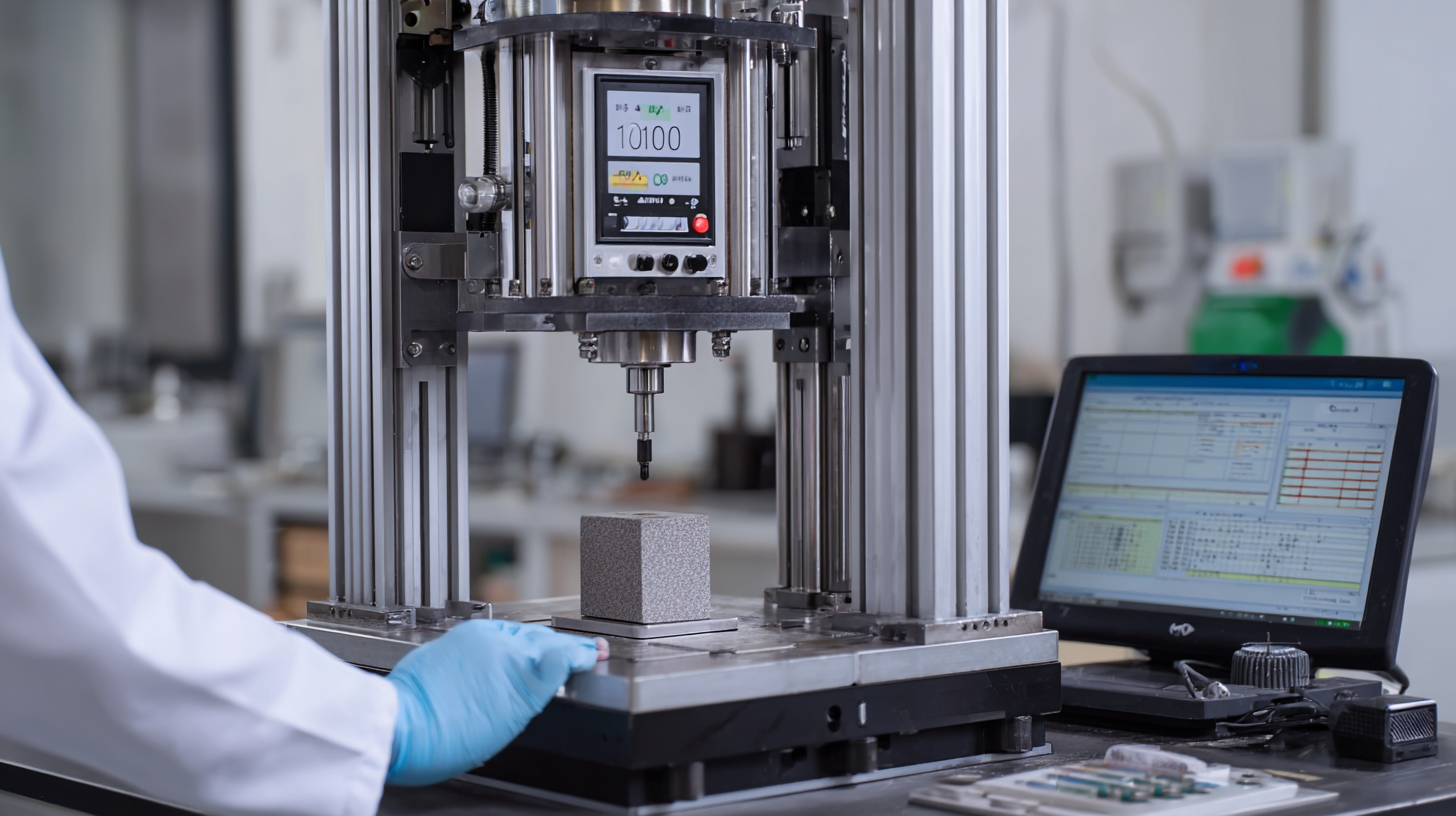
Now, if you're trying to pick the right machine, a good place to start is by thinking about your specific product needs. Things like weight and size matter—a machine that’s perfect for light stuff might not cut it for heavier items. Also, don’t forget to check out how versatile the machine is. A model that can handle different types of tests will save you a ton of time and make your testing process way more efficient.
One other thing — look at how well the machine analyzes and reports data. The fancier models come with software that digs into the test results to give you detailed insights. This can help you spot weak spots in your product design early on. Investing in a machine with solid data analysis features isn’t just about meeting industry standards; it’s also a big help when you’re trying to constantly improve your products.
How to Choose the Right Drop Testing Machine for Your Needs
When you're trying to pick out the right drop testing machine for your needs, it’s really important to think about a few key things. First off, get clear on what your product actually requires — think about its size, weight, and the materials it’s made from. Since different machines are built to handle different shapes and dimensions, figuring out those details early on can save you a lot of headaches later. Also, consider what kind of drops you need to test — some machines can do multi-angle drops or have preset heights to better mimic real-world situations. It’s all about matching the right equipment to what your product needs to endure.
At Dongguan Huanyi Instruments Technology Co., Ltd., we’re pretty proud of our focus on innovation and quality when it comes to environmental test equipment. We’ve been around since 2007, so we’ve got a ton of experience in R&D, manufacturing, and supporting our customers long after the sale. We even help draft industry standards, which means our products aren’t just up to date — they’re designed to put your product through rigorous testing, making it more durable in the real world. With our know-how and customized solutions, you can feel confident that you’re making a smart choice when it comes to drop testing.
Expert Tips on Properly Using Drop Testing Machines for Best Results
When you're working to make sure your products are durable enough, dropping them on testing machines can really make a difference. But to get the most out of these machines, it's good to know some handy tips. For starters, always set the drop height based on what your product is designed for. Doing this helps you simulate real-world conditions more accurately, which means you’ll get better insights into how your product holds up and what needs fixing.
Also, don't forget to test on different surfaces. You’d be surprised—materials like
concrete,
foam, or
carpet can all impact the results in different ways. Running tests on a variety of surfaces gives you a fuller picture of how your product will perform in real life, not just in perfect conditions.
And one more thing—make sure to keep good records of each test. Writing down exactly how you conducted each drop, what settings you used, and what outcomes you saw can really pay off. It helps spot patterns or weaknesses in your design, guiding you to make improvements before you go to market. Taking the time to properly test your products can actually make a
huge difference when it comes to their long-term success.
Maintaining and Calibrating Your Drop Testing Equipment for Longevity
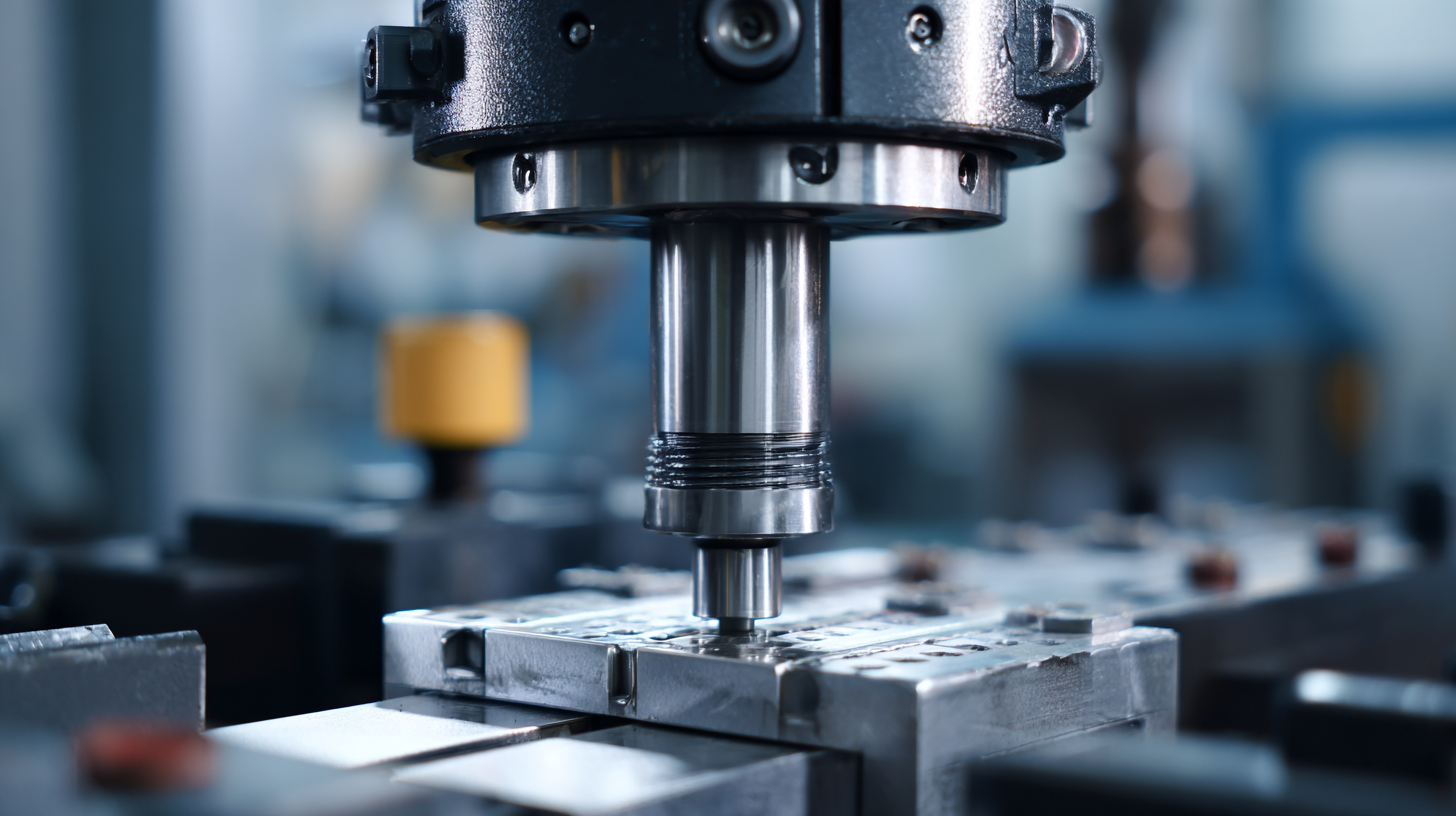 Taking good care of your Drop Testing Equipment and making sure it's calibrated properly is actually pretty important if you want your testing to be reliable and last longer. Regular maintenance isn’t just about keeping things running—it also helps prevent wear and tear that could mess with the machine’s performance. I’ve seen reports suggesting that when you keep your equipment calibrated consistently, the tests become way more reliable, reducing the chance of product failures in the real world by as much as 30%. That’s a pretty big deal, right? It just shows how vital it is to stay on top of calibration so you can spot any issues early on, instead of discovering them after a product has gone out the door.
Plus, using well-calibrated drop testers doesn’t just extend the life of the machines; it also gives you a clearer picture of how durable your products really are. When these machines are working within the right parameters, the test results are more useful, which can directly inform decisions about design and materials. Industry folks generally recommend checking your equipment every three to six months to make sure things are still spot-on. Setting up a regular maintenance routine can save you a lot of hassle down the line—less downtime, better results, and products that meet top durability standards. It’s all about staying consistent and proactive, really.
FAQS
: Drop testing simulates real-world conditions to evaluate product durability and reliability, reducing the risk of failures during handling and transportation.
Approximately 30% of product failures are attributed to mechanical shock during transit, leading to significant economic losses for manufacturers.
High-quality drop testing machines accurately replicate various drop scenarios, helping manufacturers improve product performance, reduce warranty claims, and enhance customer satisfaction.
Manufacturers should assess specific product requirements including weight, dimensions, and the versatility of the machine to configure different test scenarios effectively.
Regular maintenance and calibration enhance the longevity and accuracy of drop testing machines, potentially reducing product failures by up to 30%.
Industry standards recommend routine checks every three to six months to ensure that drop testing machines are functioning correctly.
Advanced machines come with data analysis capabilities that provide detailed insights into test results, allowing manufacturers to identify and address weaknesses in product designs.
About 60% of consumers might abandon a brand after a negative experience with product durability, making drop testing vital for maintaining brand loyalty.
Implementing a structured drop testing strategy can lead to a reduction in warranty claims and product returns, ultimately contributing to a healthier financial position for businesses.
Testing various drop scenarios allows manufacturers to understand how their products withstand impacts from different heights and angles, leading to more reliable designs.
Conclusion
In today's super competitive market, making sure your products are durable enough is more important than ever. One of the best ways to do that is by using a Drop Testing Machine. Essentially, these machines mimic the kind of bumps and knocks products might face during shipping or everyday use. This helps manufacturers spot any weak spots in their designs before it’s too late. In this blog, I’ll dive into why drop testing really matters for product durability, what key features to look out for when picking a drop testing machine, and give you a rundown of the top 10 machines out there right now.
Choosing the right drop testing machine can really make a difference in how tough your products turn out. I’ll also share some expert tips on how to get the most out of these machines and why regular maintenance and calibration are so crucial for keeping them reliable and long-lasting. At Dongguan Huanyi Instruments Technology Co., Ltd., we’re passionate about pushing the latest tech in environmental simulation testing to help brands hit their quality assurance goals—and we’re here to support you every step of the way.