In today’s pretty competitive manufacturing world, picking the right equipment can really make a big difference in how smoothly things run. When it comes to drying ovens, manufacturers play a pivotal role—they’re not just about making the final product look good, but also about keeping the whole operation efficient and hassle-free. Like industry expert Dr. Emily Carter often says, a good drying oven can help streamline your processes and cut down on downtime, which in turn boosts your output and profits.
So, if you're trying to excel and stay ahead, it’s really important to carefully choose the right drying oven manufacturer. It’s not just about buying any ol’ oven; it’s about finding a partner who gets what your unique needs are and can deliver some of the best, most innovative solutions out there. The right choice can mean better energy savings, more consistent product quality, and lower operating costs. As companies look to make their production lines more efficient, understanding the ins and outs of different drying oven technologies from established manufacturers becomes super important.
In the end, working with top-tier drying oven makers could be the difference between a process that’s kind of stagnant and one that’s thriving with efficiency. As manufacturers keep pushing for higher standards and more reliable equipment, it’s pretty clear that having the right oven—along with some expert advice—can give you a serious edge in the market.
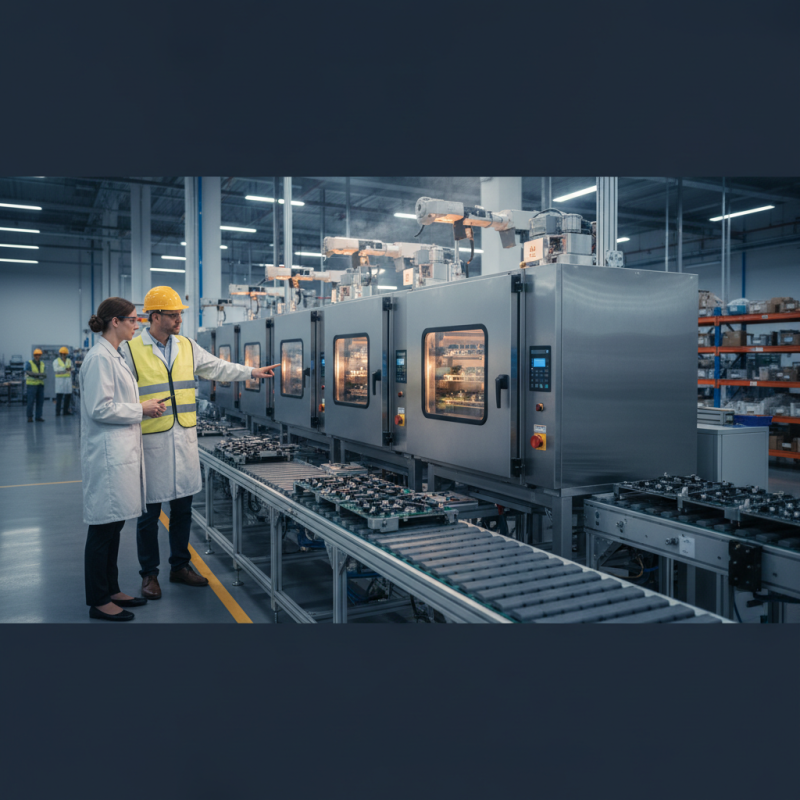
Understanding the Importance of Drying Ovens in Production Efficiency
Drying ovens play a crucial role in various industries, significantly impacting overall production efficiency. By removing moisture from materials, they not only enhance product quality but also reduce processing times. This is particularly important in sectors like pharmaceuticals, food processing, and manufacturing. Efficient drying can lead to fewer product defects, longer shelf life, and increased throughput, ultimately driving profitability.
To optimize the use of drying ovens, it’s essential to choose models that align with your production needs. Factors such as temperature uniformity, energy consumption, and size capacity must be carefully considered. Investing in advanced ovens that offer precise control can lead to consistent results, minimizing the risk of over-drying or under-drying, which can compromise product quality.
Tips:
1. Regular maintenance of drying ovens ensures optimal performance. Schedule routine checks to avoid unexpected downtime.
2. Train staff on best practices for using drying ovens. Proper operation can lead to better efficiency and safety in production processes.
3. Monitor moisture content consistently to adjust drying parameters in real-time, ensuring products meet quality standards without excessive energy use.
Key Factors to Consider When Selecting Drying Oven Manufacturers
When selecting a drying oven manufacturer, there are several key factors to consider that can significantly influence your production efficiency. Firstly, you should evaluate the manufacturer’s experience and reputation in the industry. An established manufacturer with a proven track record is likely to provide reliable products and support, ensuring that your operations run smoothly. Look for customer reviews, case studies, and testimonials to gauge the performance and dependability of the manufacturer’s drying ovens.
Secondly, consider the specific technical features of the drying ovens. This includes temperature control, uniformity of heat distribution, and energy efficiency. Advanced features such as programmable settings and digital interfaces can enhance usability and precision, which can lead to better product quality and reduced operational costs.
Tips: Always request a demonstration of the drying oven to observe its performance in real-world conditions. Additionally, inquire about the availability of after-sales support and maintenance services, as these can greatly affect your long-term satisfaction and operational efficiency. By taking these factors into account, you can make an informed decision that will not only optimize your production process but also contribute to overall business growth.
Why Choosing the Right Drying Oven Manufacturers Can Boost Your Production Efficiency
This chart illustrates the key factors that influence production efficiency when selecting drying oven manufacturers. High-quality materials have the most significant impact, followed closely by reliable support and energy efficiency. Understanding these factors can help businesses maximize their operational effectiveness.
How Quality Equipment Influences Workflow and Productivity
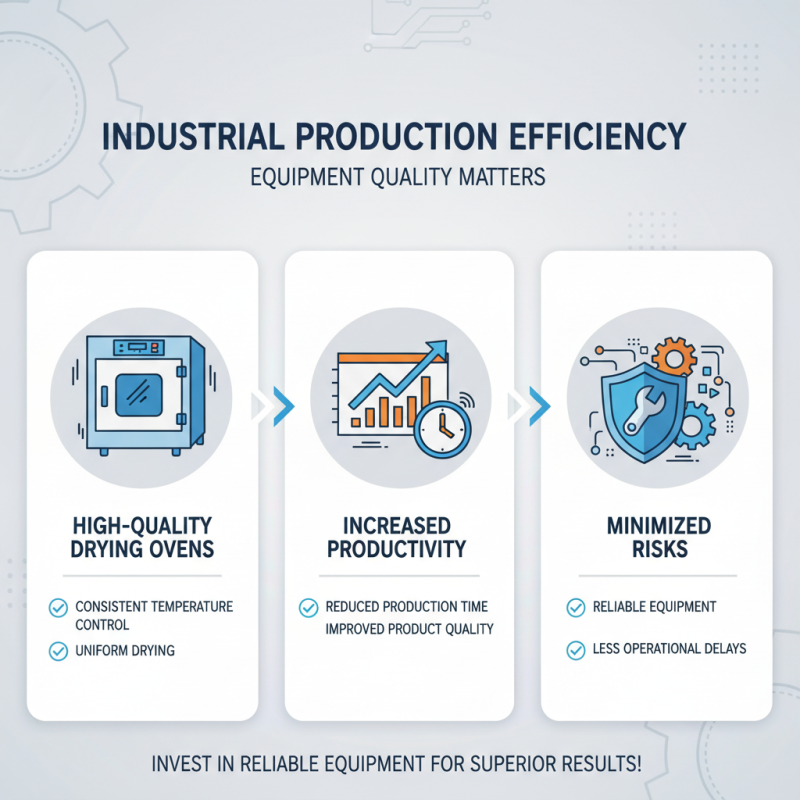
When it comes to industrial production, the efficiency of your workflow is often heavily influenced by the quality of the equipment you use. Drying ovens, for instance, play a crucial role in various manufacturing processes, from food production to pharmaceuticals. High-quality drying ovens ensure consistent temperature control and uniform drying, which can significantly reduce production time and improve product quality. When manufacturers invest in reliable equipment, they not only enhance their productivity but also minimize the risk of operational delays caused by equipment failure.
Tips for selecting the right drying oven include evaluating the specific needs of your production process. Consider factors such as capacity, temperature range, and humidity control. Additionally, it’s essential to check the durability and energy efficiency of the drying oven, as this will impact your operational costs in the long run. Choosing equipment that is easy to maintain and has a reputation for reliability can reduce downtime and help sustain a continuous workflow.
Moreover, fostering a proactive approach toward equipment maintenance can greatly influence production efficiency. Regular inspections and timely repairs not only extend the lifespan of your drying ovens but also prevent potential disruptions in your workflow. Always keep communication open with your equipment suppliers to stay informed about the latest advancements and support services available.
Evaluating Technological Innovations in Drying Ovens
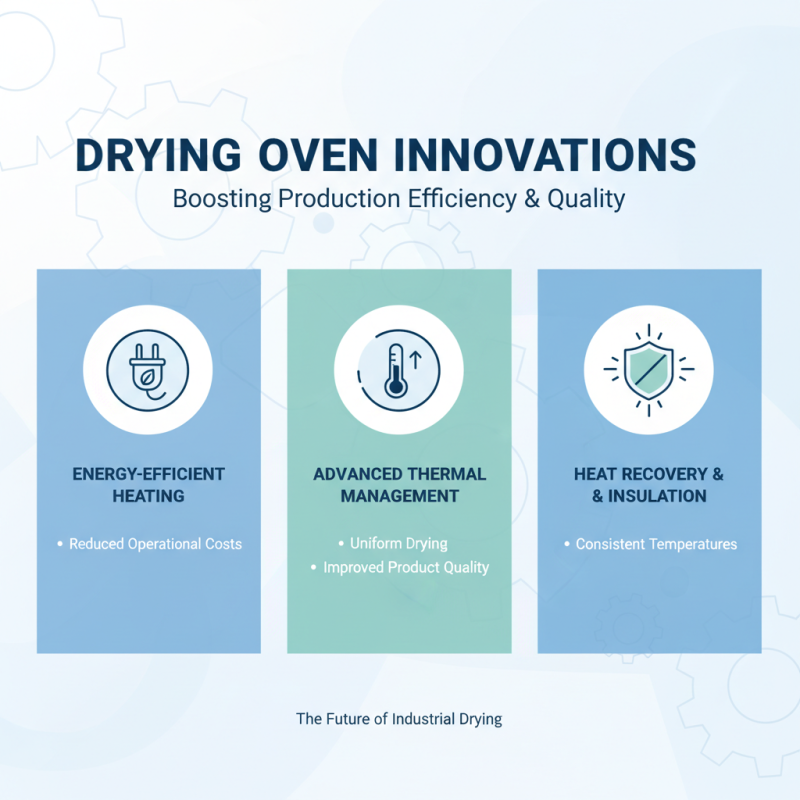
When evaluating technological innovations in drying ovens, one must consider several key advancements that significantly enhance production efficiency. Modern drying ovens are increasingly designed with energy-efficient heating technologies that not only reduce operational costs but also improve thermal management. Innovations such as advanced insulation materials and heat recovery systems allow these ovens to maintain optimal temperatures consistently, ensuring uniform drying throughout the process. This leads to improved product quality and minimizes the risk of damage to sensitive materials.
In addition to energy efficiency, the integration of smart technologies in drying ovens is revolutionizing how industries manage their drying processes. Features like real-time monitoring, automated control systems, and data analytics empower manufacturers to optimize drying cycles. With the ability to track performance metrics and adjust parameters instantaneously, companies can achieve higher throughput and reduce waste. Such technological advancements not only streamline operations but also provide valuable insights that can lead to further improvements in production methodologies, making the selection of the right manufacturer crucial for future-focused businesses.
The Role of After-Sales Support and Service in Choosing Manufacturers
When selecting a drying oven manufacturer, after-sales support and service play a critical role in ensuring production efficiency. A reliable manufacturer should provide comprehensive support that goes beyond the initial sale. This includes timely maintenance, troubleshooting, and access to spare parts. With proper after-sales service, any operational issues that arise can be swiftly addressed, minimizing downtime and keeping production running smoothly.
Additionally, a strong after-sales support system fosters a collaborative relationship between the manufacturer and the buyer. This partnership can lead to improved understanding of the user's specific needs and operational challenges. The manufacturer can then offer tailored solutions and upgrades that enhance productivity and efficiency. A commitment to after-sales service also indicates a manufacturer’s confidence in their products, as they are willing to stand behind their offerings and ensure customer satisfaction over the long term.
Case Studies: Successful Upgrades with the Right Drying Oven
Upgrading to the right drying oven can significantly enhance production efficiency, as demonstrated by several case studies across various industries. For instance, a leading pharmaceutical company faced bottlenecks in their production line due to outdated drying equipment. By investing in a modern drying oven with advanced temperature control and energy-efficient technology, they managed to reduce drying times by 30%. This upgrade not only improved their throughput but also resulted in better product quality, aligning with stringent regulatory standards.
Another case involves a food processing facility that struggled with inconsistent drying results using older models. After switching to a high-performance drying oven, they reported a notable improvement in product uniformity and a reduction in waste. The enhanced control systems allowed for precise adjustments, ensuring that every batch met quality specifications efficiently. As a result, their overall production efficiency skyrocketed, leading to increased profitability and customer satisfaction. These examples illustrate the tangible benefits of carefully selecting drying oven manufacturers that prioritize innovation and reliability.
Why Choosing the Right Drying Oven Manufacturers Can Boost Your Production Efficiency - Case Studies: Successful Upgrades with the Right Drying Oven
| Case Study | Industry | Previous Efficiency (%) | Post-Upgrade Efficiency (%) | Production Volume Increase (%) | Energy Savings (%) |
| Case Study 1 | Pharmaceutical | 65 | 85 | 30 | 20 |
| Case Study 2 | Food Processing | 70 | 90 | 25 | 15 |
| Case Study 3 | Electronics | 60 | 80 | 33 | 25 |
| Case Study 4 | Chemical | 72 | 88 | 22 | 18 |
| Case Study 5 | Textiles | 68 | 86 | 26 | 16 |
Cost-Benefit Analysis of Investing in Quality Drying Ovens
Investing in quality drying ovens can significantly enhance production efficiency. A cost-benefit analysis reveals that the initial expenditure for high-quality equipment is often offset by the long-term savings gained from reduced operational costs and increased productivity. Quality drying ovens offer better temperature control and uniformity, leading to improved product quality and fewer defects. This improvement minimizes the need for reprocessing, thus saving time and resources.
Tips for selecting the right drying oven include evaluating the specific needs of your production process. Consider factors such as the required drying temperature, the volume of materials to be processed, and the space available in your facility. It's also beneficial to look for ovens with energy-efficient features. This not only contributes to lower utility bills but also supports sustainable manufacturing practices.
Another crucial aspect is the reliability of the manufacturer. Look for manufacturers with a proven track record and positive customer feedback. Investing in reputable manufacturers often means better after-sales support and maintenance services, which can prolong the lifespan of your drying ovens and keep production running smoothly. Conduct thorough research and analysis before making a decision to ensure that your investment translates into real efficiency gains.
Exploring the Impact of Electric Blast Drying Ovens on Industrial Efficiency: Insights from Recent Market Analysis Reports
The recent market analysis reports delve into the significant role that electric blast drying ovens play in enhancing industrial efficiency across various sectors. These innovative drying solutions are essential for industries such as chemistry, medicine, food processing, textiles, and electronics. Their versatility allows them to cater to a wide range of drying needs, enabling companies to streamline their production processes and improve output quality.
Electric blast drying ovens are designed to provide rapid, precise, and efficient drying. This is particularly beneficial in fine chemical and pharmaceutical production, where maintaining exact moisture levels is crucial for product integrity. The consistent heating and superior air circulation capabilities of these ovens ensure that materials dry uniformly, reducing the risk of contamination and enhancing overall production reliability. In sectors like bioengineering and materials science, the ability to effectively control drying parameters leads to significant advancements in product development and innovation.
Adopting electric blast drying ovens not only boosts operational efficiency but also contributes to cost savings. By accelerating the drying process and reducing energy consumption compared to conventional drying methods, these ovens help industries optimize resource utilization and improve their bottom line. The insights from recent market analyses underline the growing importance of this technology in driving industrial progress and maintaining competitive edge across diverse applications.
FAQS
: Drying ovens are essential for removing moisture from materials, which enhances product quality, reduces processing times, and minimizes product defects, ultimately increasing throughput and profitability.
To optimize drying ovens, choose models that meet your production needs by considering factors such as temperature uniformity, energy consumption, and size capacity. Regular maintenance and staff training on best practices are also crucial.
Evaluate the manufacturer's experience, reputation, technical features of the ovens, and the availability of after-sales support and maintenance services to ensure reliability and operational efficiency.
Important features include precise temperature control, uniform heat distribution, energy efficiency, programmable settings, and digital interfaces, all of which contribute to improved product quality and reduced operational costs.
While the initial investment for quality drying ovens may be high, the long-term savings from reduced operational costs, improved product quality, and fewer defects typically outweigh these costs, leading to greater productivity.
Consider the required drying temperature, the volume of materials to be processed, and the available space in your facility. Additionally, look for energy-efficient features to reduce utility bills.
Regular maintenance ensures optimal performance and prevents unexpected downtime, which can disrupt production and impact overall efficiency.
Consistently monitoring moisture content allows for real-time adjustments to drying parameters, ensuring products meet quality standards and reducing excessive energy use.
Proper training enhances efficiency and safety in production processes, leading to better utilization of the equipment and improved product outcomes.
Conduct thorough research, request demonstrations of the ovens to observe real-world performance, and analyze customer feedback to ensure you choose a product that meets your production needs.
Conclusion
Choosing the right drying oven manufacturers is essential for enhancing production efficiency in various industries. Drying ovens play a crucial role in ensuring optimal workflow and productivity by affecting quality and consistency in processes. When selecting a manufacturer, key factors such as equipment quality, technological innovations, and reliable after-sales support should be thoroughly evaluated.
Technological advancements in drying ovens can lead to significant improvements in efficiency and output. Additionally, understanding the cost-benefit ratio of investing in high-quality drying ovens can further justify the choice of manufacturer. Real-world case studies demonstrate how businesses have successfully upgraded their production lines by partnering with the right drying oven manufacturers, ultimately leading to improved operational success.