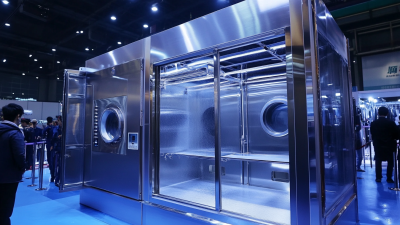
You know, when it comes to material science, really understanding how long materials last and how durable they are is super important — especially in cases where weather or environmental conditions can cause things to break down faster. That’s where Corrosion Testing Chambers come into play; they help simulate tough conditions that materials might face out in the real world. This way, scientists and manufacturers can get a pretty good idea of how long their stuff will actually last. Interestingly, industry stats show that almost 20% of materials end up failing earlier than expected because of corrosion, which racks up a ton of costs—over $2.5 trillion every year worldwide! Dongguan Huanyi Instruments Technology Co., Ltd., started back in 2007, has been leading the way in creating all sorts of high-tech environmental test equipment, especially Corrosion Testing Chambers. They're serious about R&D, making products, and even helping establish standards in the industry. Basically, Huanyi is all about making materials more reliable through thorough testing, and in doing so, they're helping improve product durability across many different sectors.
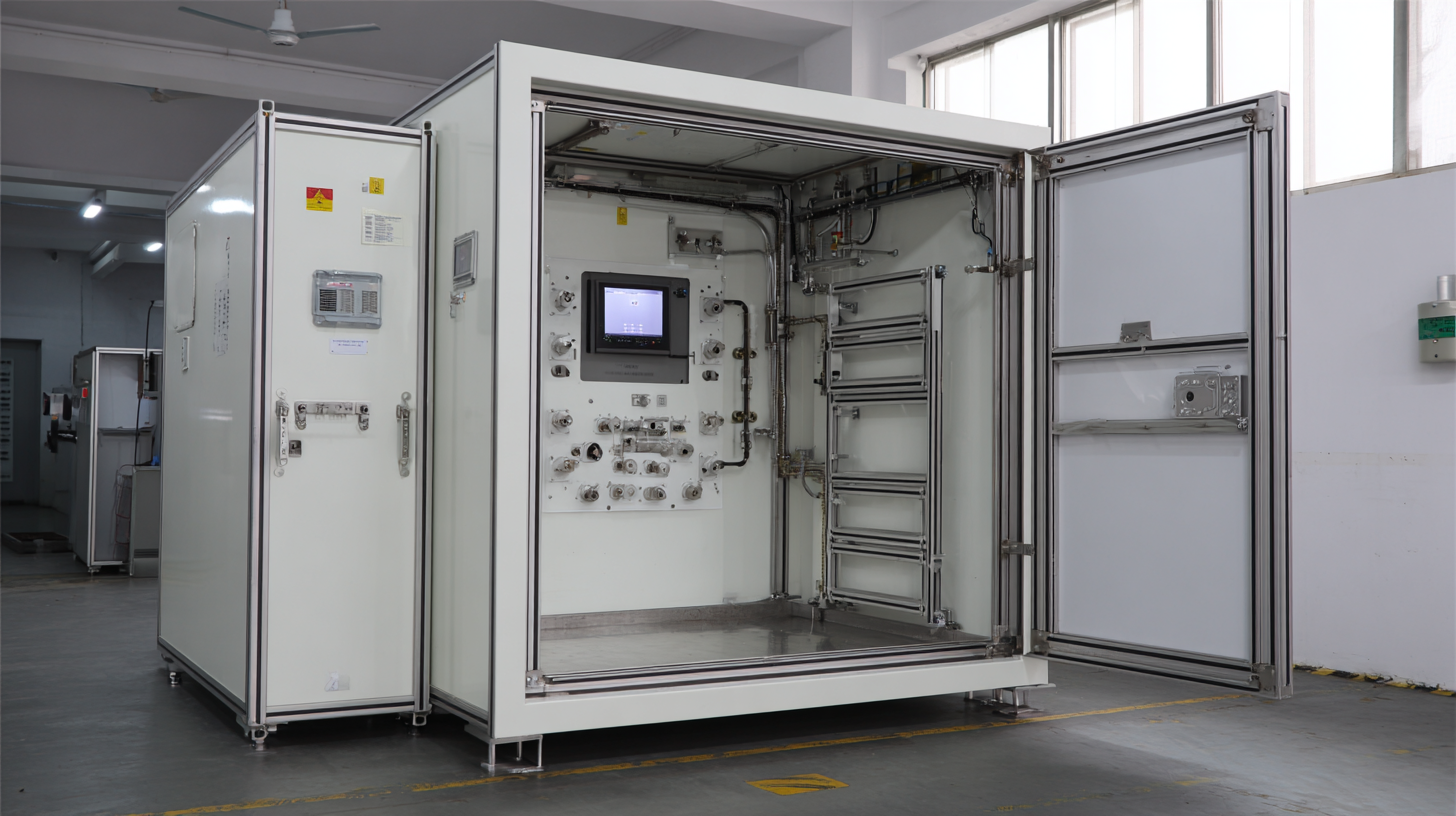
Understanding the Fundamentals of Corrosion Testing Chambers in Material Science
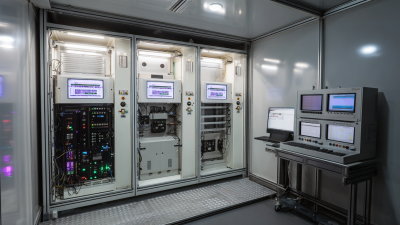
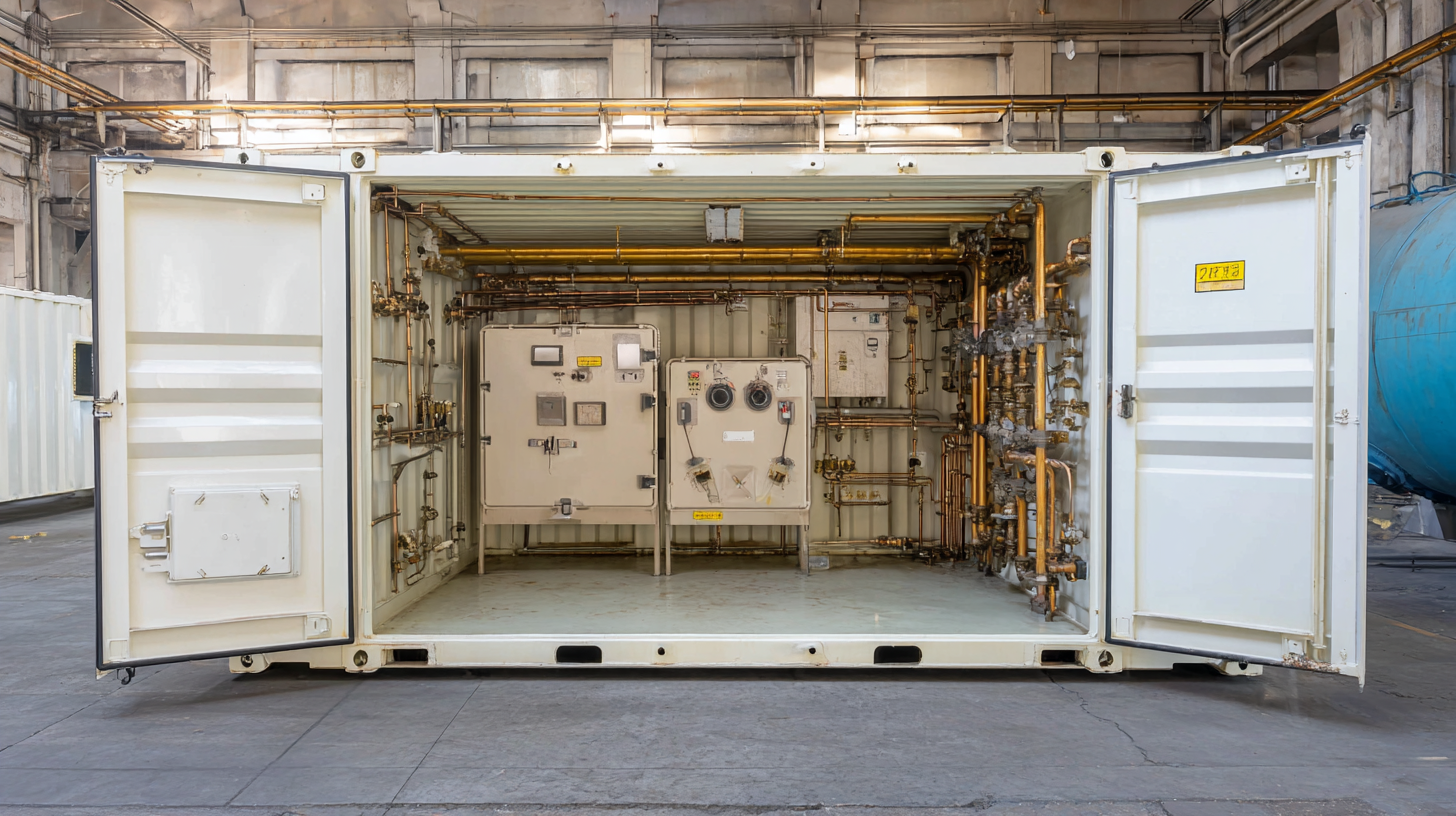
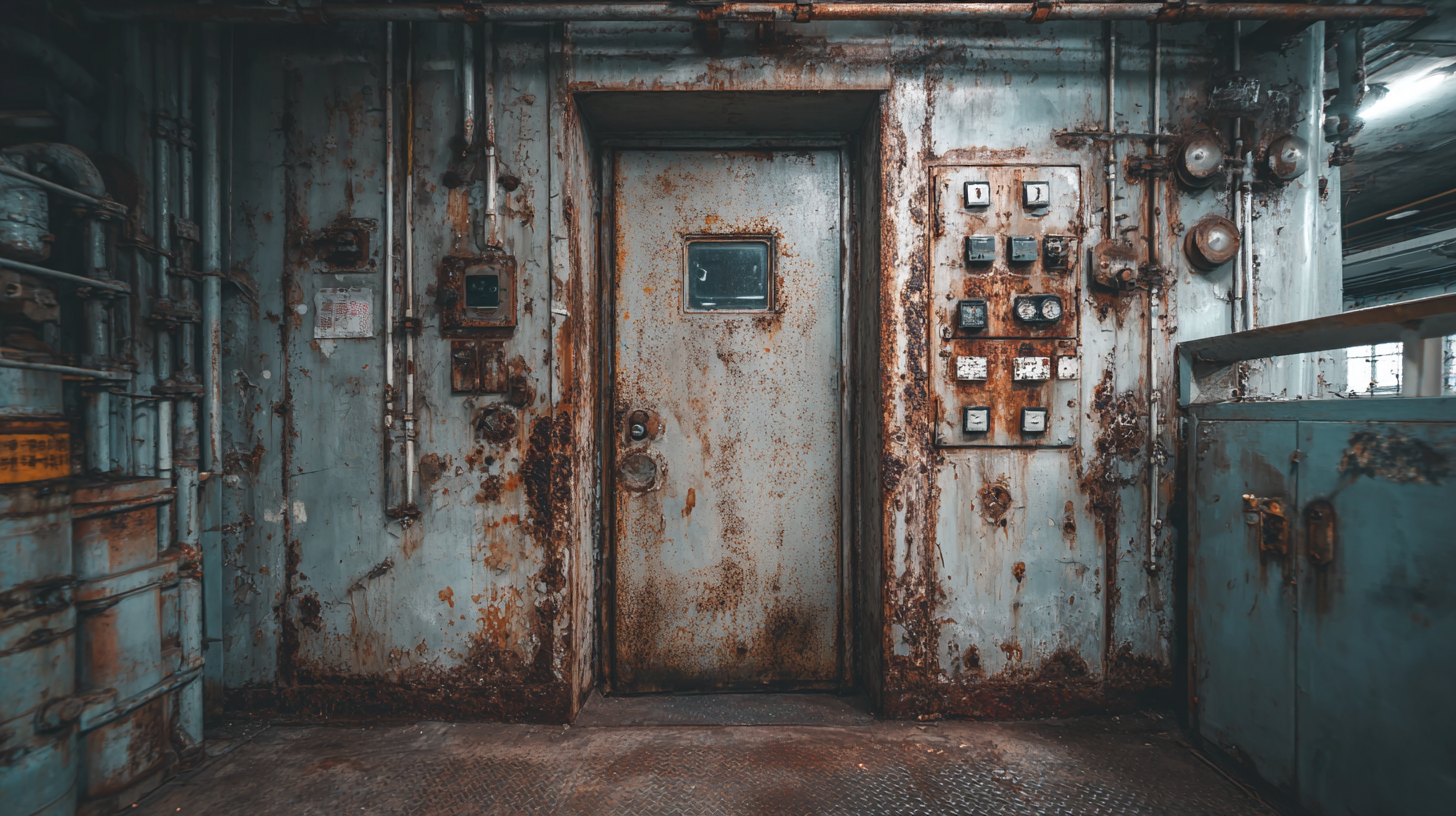 Corrosion testing chambers are pretty essential in material science—they basically create controlled environments that mimic the kinda corrosive conditions materials might face down the line. If you’re a researcher or engineer, knowing the ins and outs of these chambers is super important ’cause it helps you figure out how durable different materials really are. These chambers can simulate things like humidity, heat, and even salt spray, so you get a good idea of how well a material can resist corrosion in real-world situations.
The design and features of these chambers are usually custom-built to meet specific testing standards, like ASTM or ISO. These standards set the rules for how long and how intensely the materials are exposed to corrosive elements. By using these chambers, scientists can collect all sorts of data on how different materials, coatings, or treatments hold up over time. That info is gold when it comes to making smart choices about materials and designing longer-lasting products. Knowing how to run these tests and interpret the results kind of becomes the backbone of progress in material science, helping us create stuff that’s more durable and reliable.
In a nutshell, these chambers are like the testing ground for making better, longer-lasting materials—and understanding them is key to pushing the whole field forward.
Key Factors Influencing the Performance of Corrosion Testing Chambers
Corrosion testing chambers are pretty essential when it comes to figuring out how long materials will last across different industries. Things like temperature, humidity, and salt levels can really affect how well these materials hold up. I came across a report from ASTM International that pointed out something interesting—materials exposed to salty environments tend to corrode way faster. In fact, when humidity jumps above 75%, the rate of corrosion can shoot up by as much as 20%. That’s why it’s so important to keep these chambers tightly controlled, so they can mimic real-world conditions as closely as possible.
Another thing that’s often overlooked but super important is making sure the chambers are properly calibrated and maintained. Regular checks against standards like ISO 9227 are a must—they help ensure the testing conditions match what the materials would actually face out there. If chambers aren’t well-maintained, results can get wonky, which might throw off product development or quality checks. So, basically, paying attention to these basics really pays off. It helps companies get more reliable results, push forward innovations in material science, and ultimately extend the life span of our industrial products.
Unlocking the Secrets of Corrosion Testing Chambers: Essential Insights for Durability and Longevity in Material Science
| Parameter | Description | Ideal Range | Impact on Performance |
| Temperature | The operational temperature of the chamber. | 20°C to 60°C | Affects the rate of corrosion, simulating different environmental conditions. |
| Humidity | The moisture level in the chamber. | 30% to 95% | Higher humidity promotes electrochemical reactions leading to corrosion. |
| Salt Concentration | Concentration of salt solution used in testing. | 0% to 10% | Increases the corrosion acceleration on materials. |
| Test Duration | Length of time the materials are exposed to the test conditions. | 1 hour to 1000 hours | Longer exposure can yield more significant data on material durability. |
| Airflow Rate | Rate of air circulation within the chamber. | 0.1 m/s to 2.5 m/s | Affects the distribution of corrosive agents across material surfaces. |
Essential Parameters for Effective Corrosion Testing Setup
When it comes to making sure materials last and stand the test of time in materials science, understanding the key factors for effective corrosion testingis super important. Corrosion Test Chambers are a big deal—they help us see how materials hold up under conditions that mimic real-world environments. TheASTM (that's the American Society for Testing and Materials) points out a few critical things to keep an eye on—like temperature, humidity, and salt levels. These can really impact how quickly or slowly corrosion happens during your tests. For example, a 2021 report from NACE International mentioned that just shifting the temperature around can change corrosion rates by as much as 30%. That’s why it’s so crucial to control these variables accurately during your experiments.
A couple of tips: When you're setting up your corrosion chamber, make sure to calibrate it regularly. This way, your temperature and humidity stay on point. Also, sticking to standardized salt solutions helps make your results more reliable—that means you can compare your data more easily with other studies.
Another thing to keep in mind is how long you expose your samples. Short testing periods might not reveal the full picture of how materials degrade, since corrosion often depends on time. Running longer tests or a full protocol that extends exposure gives a better idea of how durable the material really is.
Here's a tip: try a phased approach—start with milder conditions and gradually step up the environment’s intensity. This can really give you a sense of how corrosion begins and spreads over time, helping you understand how materials perform in the long run.
Best Practices for Maintaining and Operating Corrosion Testing Chambers
Keeping your corrosion testing chambers in tip-top shape is super important if you want reliable and accurate results in material science. One thing I’ve found really helpful is doing regular check-ups of both the inside and outside parts of the chamber—just to spot any wear and tear before it becomes a bigger problem. It’s also crucial to keep an eye on the environmental conditions, like humidity and temperature, making sure they stay within the right ranges. And don’t forget about calibrating your instruments for measuring corrosion—gotta keep those readings precise, right?
Another point that matters a lot is how you select and prepare your test specimens. Making sure samples are squeaky clean and free from contaminants really helps get consistent results. Setting up a solid monitoring schedule is also a good idea—this way, you can track how the chamber’s doing over time. And keeping your maintenance logs up to date? That’s a real lifesaver! It helps spot any patterns or issues early on so you can fix things before they turn into big headaches. Stick to these simple, but really effective tips, and you’ll boost the reliability of your corrosion tests—leading to better insights about material durability and how long stuff really lasts.
Analyzing Test Results: Interpreting Data for Material Longevity
Looking at test results from corrosion chambers is really key if you want to get a good feel for how long a material will last. Using data-driven methods, researchers can sort through all that complex test data and actually find useful insights about how materials behave when they’re exposed to corrosive environments. When you add in machine learning and deep learning, it’s like having a supercharged way to diagnose damage—giving us a much clearer picture of how materials break down over time. This kind of analysis doesn’t just improve prediction accuracy; it also helps us better figure out what really influences durability.
Plus, when you're trying to compare different materials’ lifespan, it’s important to do a solid cost-benefit analysis. That means weighing financial costs against less tangible stuff, like environmental impact and long-term performance. For example, life cycle assessments (LCA) can shed light on the environmental footprint of a material across its entire life, helping us make smarter choices. Honestly, if these methods are applied thoughtfully, they make sure we pick materials that perform well throughout their entire life span, which is a big win for sustainability and overall material science.
So, all in all, embracing these analytical tools really helps us make better, more informed decisions about materials—saving money, reducing environmental impact, and making sure things last the long haul.
Innovative Technologies in Corrosion Testing for Enhanced Durability
You know, corrosion testing chambers have really become a big deal when it comes to figuring out how long materials last and how tough they are in different industries. These days, cutting-edge tech like salt spray tests, cyclic corrosion methods, and electrochemical techniques are pretty much leading the way in material science. They let researchers and manufacturers simulate real-world environments with pretty amazing precision, so they can get a good idea of how long a material might hold up and perform under corrosive conditions.
When you're choosing a corrosion testing chamber, it’s a good idea to think about how versatile it is—can it simulate different kinds of environments? That way, your materials get a thorough workout that mimics what they’d face out in the real world. Oh, and stay in the loop with the latest in testing tech—those new advancements can really give you a better understanding of how materials behave and help you stay ahead in developing better products.
Lately, one trend that’s gaining a lot of traction is adding automation and data analysis into the mix. Automated systems can boost efficiency, cut down on human error, and give you consistent, reliable results. Plus, with all the data these systems generate, you can really dig into understanding where materials might be vulnerable, which can make a huge difference when designing for more durability.
My tip? Consider investing in automated chambers with features like real-time monitoring and reporting. It’ll save you time, boost accuracy, and ultimately help you craft tougher, more resilient materials—and who doesn’t want that?
FAQS
: Corrosion testing chambers simulate various corrosive conditions to assess the durability and resistance of materials, enabling comprehensive evaluations of their performance over time.
These chambers can replicate humidity, temperature, and exposure to salt spray, providing realistic testing conditions for materials.
These standards dictate specific parameters for testing, including exposure duration and intensity, ensuring that the results are reliable and applicable to real-world scenarios.
Higher salinity environments can accelerate corrosion rates, with studies indicating a potential increase of up to 20% when humidity exceeds 75%.
Regular calibration according to industry standards ensures accurate simulation of environmental conditions, while maintenance prevents erratic results that could mislead product development.
Technologies like salt spray testing, cyclic corrosion testing, and electrochemical techniques enhance the precision in simulating corrosive environments for better material evaluation.
Automated systems increase testing efficiency and reduce human error, while data analytics provide deeper insights into material vulnerabilities, aiding better decision-making in design.
Consider the chamber's versatility in simulating different environments to ensure thorough evaluation that mirrors real-world conditions.
These features save time, improve result accuracy, and contribute to the development of more resilient materials by providing consistent and reliable data.
Conclusion
The article titled "Unlocking the Secrets of Corrosion Testing Chambers: Essential Insights for Durability and Longevity in Material Science" really dives into how important these chambers are when it comes to figuring out how long materials will last and how tough they are. It kicks off with a simple overview of what these chambers are all about—how they mimic real-world environmental conditions to give us an idea of how materials perform over time. It also talks about the key factors that affect how well these chambers work, like keeping temperature and humidity just right, plus what you need to consider when setting up your own testing process.
On top of that, the article shares some practical tips for maintaining and running these chambers to get accurate, reliable results. Understanding the test data is super important if you want to truly know how durable a material is, and it highlights some cutting-edge technologies in corrosion testing that could really boost the reliability and lifespan of materials. Companies like Dongguan Huanyi Instruments Technology Co., Ltd. are a big part of this scene—they're helping shape national standards and pushing innovation in material testing all at once.