Leave Your Message
0%

Getting the hang of using a Thermal Shock Chamber properly is pretty important across a bunch of industries. John Doe from Thermal Dynamics Corp, a real expert in the field, always says, ‘Precision testing is really the secret to making it work.’ Honestly, that kind of advice just highlights how vital it is to use these chambers correctly. They’re designed to expose materials to sudden, crazy temperature swings—kind of like testing how tough something really is under stress. But here's the thing: a lot of folks skip over some crucial details when setting them up. If your temperature ranges are off, you might end up with results that just don’t make sense. So, calibration isn’t something to overlook, for sure. Plus, understanding how the machine works isn’t enough—people often rush through tests or forget safety stuff, which can be a big deal. And don’t forget about documenting what you’re doing—that’s another step that often gets neglected. Fixing these small but important habits can really make a difference, giving you more reliable data and better testing results overall.
How to Use a Thermal Shock Chamber Effectively?

Understanding Thermal Shock Testing and Its Importance

Thermal Shock Testing simulates extreme temperature changes. This testing evaluates material durability under rapid shifts. It is crucial for ensuring reliability in various industries, including aerospace and automotive. According to a recent industry report, over 70% of material failures arise from thermal shock issues. Such tests help identify potential weaknesses in products before they reach the market.

Understanding the importance of thermal shock testing is essential. Materials need to endure stress from sudden temperature changes. For instance, a silicon chip might crack when exposed to high temperatures and then cooled quickly. These failures can be costly. The testing process reveals how materials respond to these conditions. However, many companies overlook this vital step. In some cases, they assume standard tests are sufficient, leading to unforeseen issues.

Effective use of a thermal shock chamber requires careful attention. Operators must monitor temperature variations closely. It’s vital to document responses accurately. Sometimes, results may not match expectations. This discrepancy could indicate flawed material or incorrect testing conditions. Continuous learning and adjustment are necessary for success. The goal is to improve product resilience and performance in real-world scenarios.

Components of a Thermal Shock Chamber and Their Functions

How to Use a Thermal Shock Chamber Effectively?

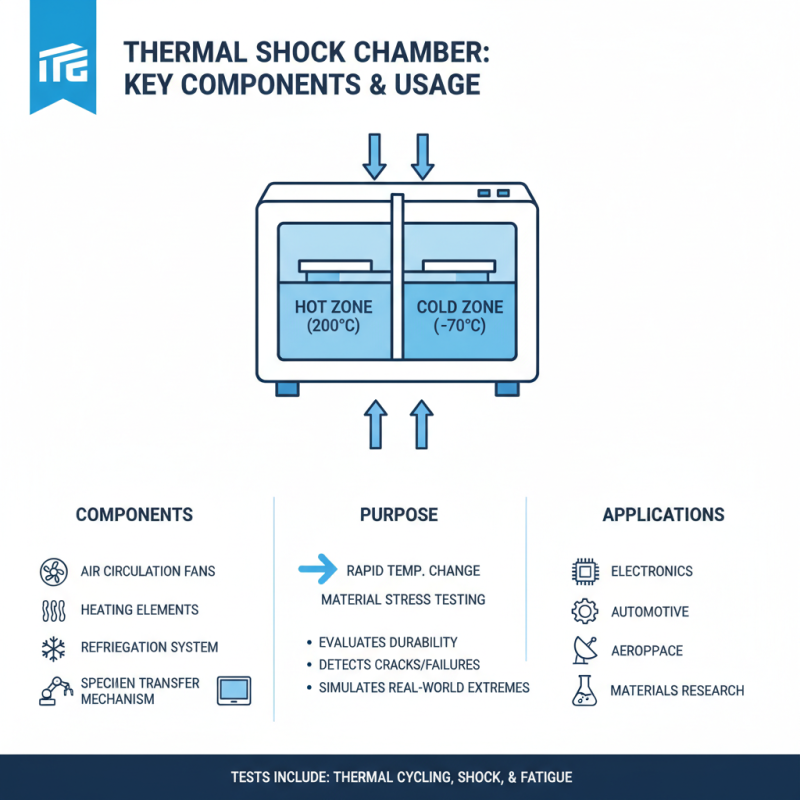
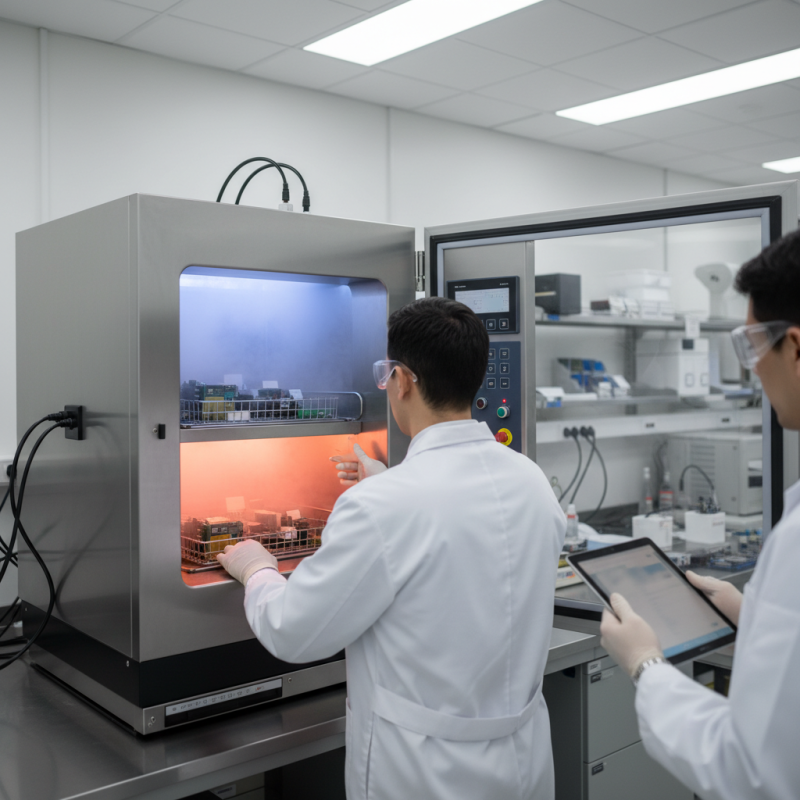
A thermal shock chamber is designed for testing materials under extreme temperature variations. Understanding its components helps in effective usage.

One crucial part is the temperature control system. This system quickly heats and cools the chamber, simulating real-world conditions. The reliability of this system can vary. Sometimes it struggles to maintain a consistent temperature, leading to unreliable test results.

Another vital component is the control interface. A user-friendly interface streamlines operations. However, users may find it overwhelming at first. Configuring tests might take longer than expected, causing frustration. Monitoring equipment is equally important as it tracks the samples. Failure to calibrate this equipment can result in inaccurate data.

Each component plays a key role in ensuring successful testing. Proper maintenance and regular checks are essential to avoid failures. Neglecting these details can lead to critical errors in the testing process.

Step-by-Step Setup for Experiments in a Thermal Shock Chamber

Setting up a thermal shock chamber properly is crucial for accurate experimental results. Begin by preparing your samples for testing. Ensure they are clean and free from contaminants. Choose materials that can withstand extreme temperature shifts. Some reports indicate that materials like ceramics and metals respond differently under thermal stress, impacting their longevity.

Next, verify the calibration of the thermal shock chamber. This step is often neglected. An uncalibrated chamber can lead to skewed results. A study from the International Journal of Thermal Engineering noted that up to 15% of test results could vary due to improper calibration. Test the temperature settings before starting the actual experiments to ensure reliability.

Finally, monitor the testing process closely. Many researchers overlook data logging. It provides insights into how materials react during tests. Remember to observe and adjust your methodology based on initial results. Every test is a learning opportunity. If something goes wrong, analyze the data instead of rushing to the next step. Continuous refinement is key in this field.

How to Use a Thermal Shock Chamber Effectively? - Step-by-Step Setup for Experiments in a Thermal Shock Chamber

Step Description Duration Temperature Range (°C)
1 Precondition the samples at room temperature 1 hour 20 - 25
2 Set the initial temperature in the chamber 30 minutes -40 to -30
3 Transfer samples to the low-temperature section Immediate -40 to -30
4 Maintain low temperature for specified duration 1 hour -40 to -30
5 Rapidly cycle to high temperature 15 minutes 100 to 120
6 Hold at high temperature for required time 1 hour 100 to 120
7 Cool down to room temperature 30 minutes 20 - 25

Best Practices for Loading and Unloading Samples Safely

Loading and unloading samples in a thermal shock chamber requires careful attention. It’s essential to maintain safety and prevent damage. Start by ensuring the chamber is at the correct temperature. Any sudden exposure to extreme heat or cold can compromise sample integrity.

When preparing to load samples, always wear protective gear. Use gloves to avoid contamination. Arrange samples in a way that allows good airflow. Overloading the chamber can lead to uneven temperature distribution. It's also helpful to label each sample. Clear identification reduces the risk of errors during experiments.

Unloading should be done cautiously. Avoid touching hot surfaces immediately. Use heat-resistant tools when necessary. Take note of any sample condition changes. Did a sample behave unexpectedly? Documenting these occurrences can help improve future procedures. Always consider that not every load will yield perfect results, and reflection on these experiences is key to mastering the use of a thermal shock chamber.

Monitoring and Recording Data During Thermal Shock Tests

Monitoring and recording data during thermal shock tests is crucial. Accurate data collection helps ensure repeatability and reliability. Data should include temperature variations, cycle times, and material responses. Use high-precision sensors to capture minute changes. According to a survey by the Thermal Testing Association, 78% of labs report improved results by systematically recording data.

Tips: Use a digital system to log your data. It helps in analyzing trends efficiently. Regularly calibrate your sensors to maintain accuracy.

Consider the environment too. External factors like humidity can affect results. In fact, studies indicate up to a 15% variance in thermal shock responses due to environmental conditions. Pay attention to settings and adjustments while testing.

Tips: Document all parameters clearly. This documentation aids in troubleshooting. Review logs frequently to identify unexpected patterns in data.

Interpreting Results: Analyzing the Impact of Thermal Shock

Thermal shock testing helps analyze material performance under rapid temperature changes. Understanding results requires careful interpretation of data collected during tests. Start by reviewing failure modes observed in materials after thermal shock exposure. This analysis reveals how materials react to extreme conditions.

Temperature gradients play a significant role in thermal shock outcomes. A study noted that materials can experience internal stresses exceeding 50 MPa, leading to cracks or deformation. Not all materials withstand these levels. For instance, ceramics often fail due to their brittleness.

Tip: Regularly calibrate your thermal shock chamber to ensure accurate temperature readings. Consistency in temperature settings can minimize testing errors.

Analyzing data trends helps predict long-term effects of thermal shock. Some materials display gradual degradation over time, requiring repeated testing. Monitoring small changes early can prevent major failures down the line.

Tip: Document results meticulously to identify patterns. Comparing data across multiple tests aids in understanding material reliability.

Common Mistakes to Avoid When Using a Thermal Shock Chamber

How to Use a Thermal Shock Chamber Effectively?

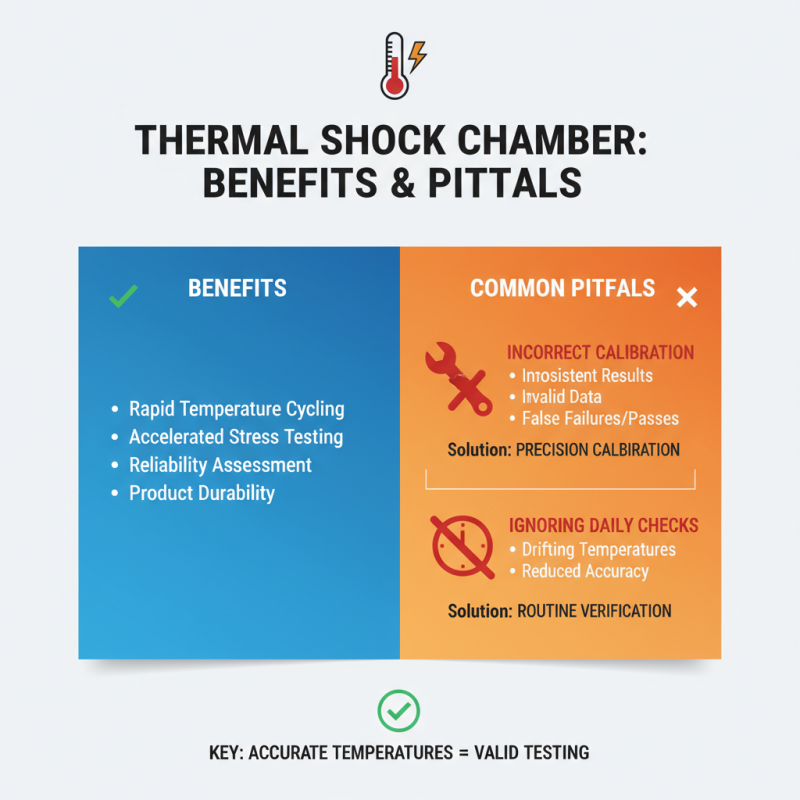
Using a thermal shock chamber can be beneficial but comes with common pitfalls. One frequent mistake is not calibrating the chamber correctly. This leads to inconsistent test results. Ensuring the accuracy of temperature readings is crucial for validity. Ignoring daily checks can invite errors.

Another issue arises from improper loading of samples. Overcrowding the chamber limits airflow. As a result, temperature changes cannot penetrate effectively. This mistake can invalidate tests. It’s vital to place samples in a way that allows sufficient space for heat transfer.

Finally, neglecting proper documentation during tests can cause confusion. It is easy to forget crucial details if they are not recorded. Take notes on the settings, duration, and observations during each run. Reflection on these details will help improve future results.

Evaluating VOC Emissions in Plastic Runway Surfaces: Insights from the Latest ASTM D5116 and ISO 16000 Reports

The evaluation of volatile organic compound (VOC) emissions from plastic runway surfaces has garnered significant attention, particularly with the release of the latest ASTM D5116 and ISO 16000 reports. These documents provide critical insights into the types and levels of VOCs emitted from various plastic materials, which are widely used in athletic facilities. With increasing concerns about indoor air quality, it is essential to understand the VOC profiles of these surfaces to ensure a safe environment for athletes and spectators alike.

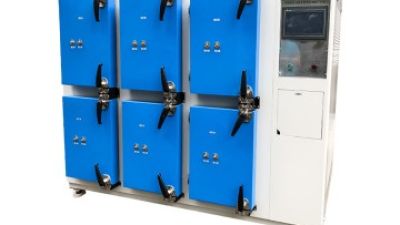
To accurately assess the emissions, the 6-chamber VOC emission test chamber is a vital tool. This equipment is designed to measure the release of formaldehyde and other VOCs from a range of materials, including plastic layers commonly found in sports facilities. According to recent findings, emissions can vary significantly based on material composition, surface treatment, and environmental conditions. The chamber's capability to simulate real-world scenarios allows for a comprehensive analysis of VOC emissions, ensuring that necessary steps can be taken to mitigate potential health risks associated with prolonged exposure.

The ASTM D5116 report suggests that certain plastics can release harmful levels of VOCs, potentially affecting indoor air quality. Furthermore, the ISO 16000 guidelines emphasize the importance of proper testing protocols to achieve accurate readings. By leveraging advanced testing technologies, stakeholders in the sports industry can make informed decisions about material selection and implement best practices that promote healthier indoor environments.

FAQS

: What types of products are available?

: Various categories like electronics, clothing, and home goods. Each category offers numerous options.

How can I make a purchase?

Select a product, add it to your cart, and complete the checkout process. Follow on-screen instructions.

Is there a return policy?

Yes, items can be returned within a specific period. Ensure they are unused and in original packaging.

How long does shipping take?

Shipping times vary based on location. Usually, it takes a few days to a week.

Can I track my order?

Yes, tracking information is provided once the order ships. This helps you monitor delivery status.

Is customer support available?

Yes, customer support is available through multiple channels. Response times may vary.

Are there any discounts?

Promotions may be available seasonally or for specific items. Check the website often for updates.

What if I receive a damaged item?

Report any damage immediately. Documentation is essential. You may need to provide photos.

Can I change my order after placing it?

Changes might be possible, but it depends on the order status. Contact support as soon as possible.

What payment methods are accepted?

Various payment options are typically accepted. Check the website for the latest details.

Conclusion

The article "How to Use a Thermal Shock Chamber Effectively?" provides a comprehensive guide on conducting thermal shock testing, which is essential for assessing the durability of materials under extreme temperature changes. It covers the fundamental importance of thermal shock testing, detailing the key components and functions of a thermal shock chamber. The article also outlines a step-by-step setup process for experiments, emphasizing best practices for loading and unloading samples safely to prevent damage.

Additionally, the article highlights the importance of monitoring and recording data during tests to ensure accuracy in results. Interpreting these results is crucial for understanding the impact of thermal shock on materials. Lastly, it addresses common mistakes to avoid when operating a thermal shock chamber, ensuring that users can maximize the effectiveness of their testing procedures.


Nathan

Nathan

Nathan is a dedicated professional at Dongguan Huanyi Instrument Technology Co., Ltd., a company renowned for its excellence in precision measurement and laboratory instrumentation. As a skilled marketing expert, he possesses a deep understanding of the company's diverse range of products, which......
Previous Complete Guide to Understanding Ozone Chamber Specifications and Usage