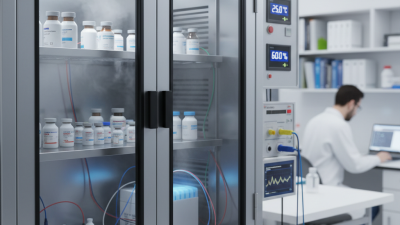
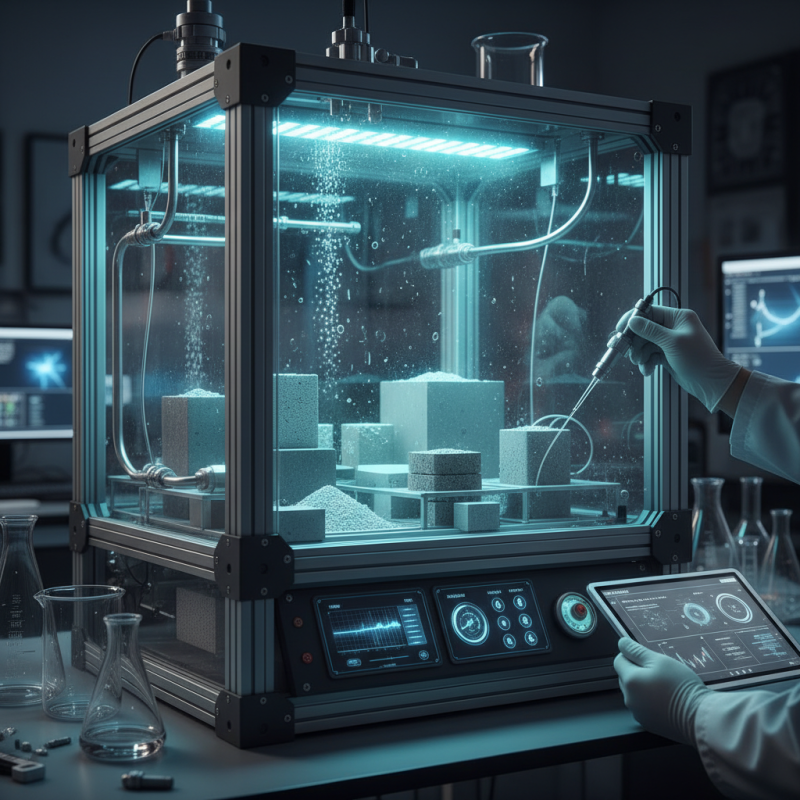
An Accelerated Carbonation Chamber is honestly a pretty important tool when it comes to both science and industry. Think of it as a way to mimic the natural carbonation process, which helps materials absorb CO2 more efficiently. It’s awesome because it gives researchers the ability to control the environment—like temperature, humidity, and CO2 levels—and really dig into how fast carbonation happens and how to make it better. With more focus these days on sustainability, knowing how these chambers work is more relevant than ever.
If you’re planning to use one, then understanding how to set it up properly is a must. Tiny details like precise temperature and humidity levels or CO2 concentration can make a huge difference—get those wrong, and your results might be all over the place. And let’s not forget, a few careless setup mistakes can totally lead you astray, which is why paying close attention and double-checking things is so important.
Also, it's a good idea that the chamber is designed with easy access so you can do routine maintenance without much hassle. Regular checks and upkeep might seem like a pain, but they can save you from unexpected failures down the line. Honestly, it’s those little things—like making sure everything is tight and working—that can make or break your experiments. Bottom line: Be mindful and thorough, so you can get the most reliable and accurate results from your Accelerated Carbonation Chamber.
Understanding the Accelerated Carbonation Chamber: Principles and Applications
An accelerated carbonation chamber (ACC) is a specialized environment designed to foster the carbonation process in materials like concrete. Understanding its principles is crucial for effective application. The chamber simulates atmospheric conditions that enhance carbon dioxide absorption. High carbon dioxide concentrations and controlled humidity create an optimal environment. These factors lead to quicker and more efficient carbonation, which can improve the durability of concrete structures.
Applications of ACC are diverse. It is frequently used in research and quality control. Engineers can test materials faster than traditional methods. However, results can vary based on several factors, including temperature and material composition. It's essential to monitor these variables closely. An imbalance can lead to inconsistent carbonation results, impacting structural integrity.
Despite its advantages, using an ACC is not without challenges. Operators must maintain precise conditions to yield reliable data. Deviations may complicate interpretation. Continuous learning is vital as researchers navigate the complexities of carbonate behavior in materials. Trying new methods and adapting approaches can lead to improved outcomes in the long run.
Key Components of Accelerated Carbonation Chambers in Industry
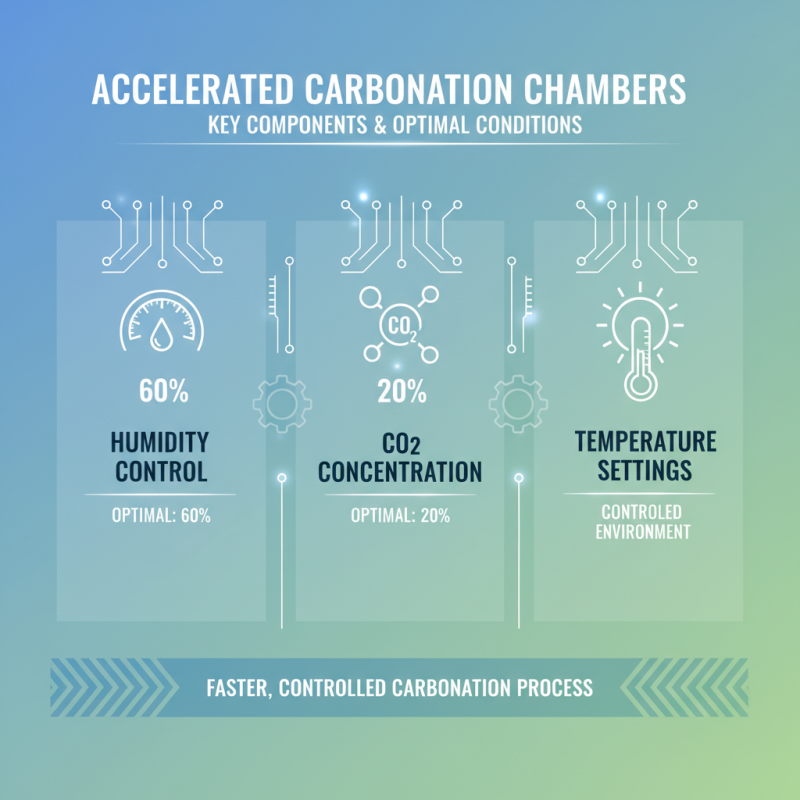
Accelerated carbonation chambers are vital in various industries, particularly in materials testing and environmental research. The key components of these chambers include precise humidity controls, CO2 concentrations, and temperature settings. Industry data indicates that maintaining 60% humidity and 20% CO2 concentration can significantly enhance the carbonation process. Such conditions mimic natural carbonation, but in a controlled, accelerated manner.
When setting up these chambers, ensure you calibrate sensors accurately. Small deviations can lead to inaccurate results. Regular maintenance is essential to monitor component efficiency and prevent potential failures. It’s crucial to document all settings and outcomes for reliable analysis. The use of high-quality materials for chamber construction can influence longevity and performance. Research shows that failure to use appropriate materials can lead to significant errors in data.
Tip: Regularly reviewing operational procedures can identify areas for improvement. Implement feedback loops with your team to enhance the setup process and operational efficiency. Data collection software can streamline analysis, turning raw data into actionable insights. Reflecting on these factors can foster better results and more reliable outcomes in your carbonation studies.
Optimal Operating Conditions for Enhanced Carbonation Efficiency
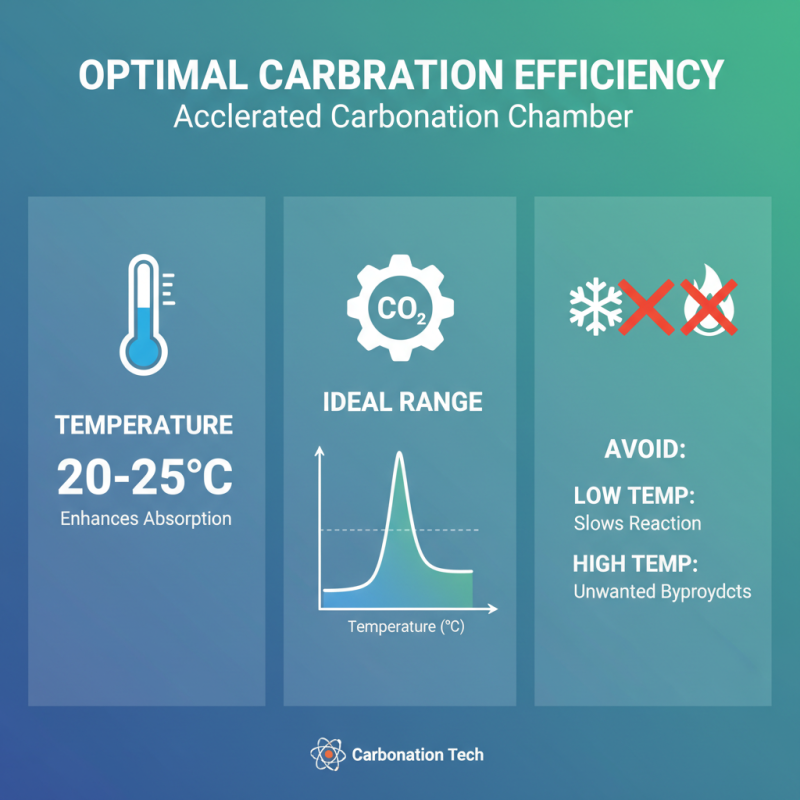
To achieve optimal carbonation efficiency in an accelerated carbonation chamber, certain operating conditions should be prioritized. **Temperature** plays a crucial role in the carbonation process. Typically, maintaining a temperature around 20-25°C enhances absorption rates. Lower temperatures can slow down the reaction, while excessively high temperatures may lead to unwanted byproducts.
**Pressure** is equally important. A moderate pressure setting, generally between 2 to 5 bar, creates a favorable environment for CO2 dissolution. Higher pressure can speed up the process but might force excessive CO2 into the solution, risking oversaturation.
**Tips:** Regular calibration of pressure gauges is essential. Neglecting this can lead to inconsistent results. Monitor temperature fluctuations closely as they can significantly impact carbonation rates. Consider the humidity levels inside your chamber. Too much moisture can hinder gas absorption efficiency.
Additionally, reservoir design matters. A shallow container may lead to uneven carbonation. Ensure the chamber allows for efficient gas-liquid interaction. An ideal chamber will have a baffle or stirrer to promote mixing. It's crucial to regularly review and adjust these conditions, as even small deviations can affect overall performance. Always track your results for ongoing improvement.
Monitoring and Control Strategies for CO2 Concentration and Humidity
Monitoring and controlling CO2 concentration and humidity in an Accelerated Carbonation Chamber are crucial for effective use. A study conducted by the International Journal of Greenhouse Gas Control indicates that optimal CO2 concentration ranges from 40% to 90% for efficient carbonation processes. Deviations can impact the chemical reactions, leading to inconsistent results. Thus, precise measurement tools are essential for real-time monitoring.
Humidity also plays a significant role. The ideal humidity level typically hovers around 60% to 80%. This range keeps the materials' surfaces in a reactive state without causing excessive condensation. However, achieving stable humidity levels can be challenging. Issues such as sensor calibration and fluctuations in Chamber Temperature could lead to unexpected results. Manufacturers often stress the importance of routine checks and recalibrations of humidity sensors to ensure reliability.
It’s important to remember that human error can also affect readings. Operators must be trained to recognize anomalies in both CO2 and humidity data. Regular audits and proactive maintenance are essential for preventing compromises in the carbonation process. Inconsistent monitoring can lead to subpar outcomes, reflecting the need for diligence in operational protocols.
Evaluating the Effects of Temperature on Carbonation Rates
Evaluating the effects of temperature on carbonation rates is crucial for understanding accelerated carbonation processes. Different temperatures can significantly influence how carbon dioxide interacts with materials, especially in concrete and other building materials. Research shows that higher temperatures often lead to faster carbonation rates. This can be attributed to increased molecular activity, which enhances gas diffusion.
However, the relationship is not always straightforward. While elevated temperatures can speed up carbonation, extreme conditions may lead to unwanted side effects. For instance, excessive heat can cause material degradation. This underscores the need for precise controls in experimentation. Testing at various temperatures can yield diverse results, and it’s vital to document these carefully.
In practice, maintaining a consistent temperature is not easy. Variations can arise from equipment fails or ambient changes. It is essential to calibrate machinery regularly and monitor conditions closely. Reflecting on these challenges helps improve experimentation and results. Understanding temperature's impact on carbonation can lead to better construction practices and material longevity.
How to Use an Accelerated Carbonation Chamber Effectively? - Evaluating the Effects of Temperature on Carbonation Rates
| Temperature (°C) | Carbonation Rate (g/L/h) | CO2 Concentration (%) | Pressure (atm) | Duration (hours) |
| 20 | 0.5 | 30 | 1.0 | 24 |
| 25 | 0.7 | 35 | 1.2 | 20 |
| 30 | 0.9 | 40 | 1.5 | 16 |
| 35 | 1.1 | 45 | 1.8 | 12 |
| 40 | 1.3 | 50 | 2.0 | 8 |
Safety Considerations and Best Practices for Chamber Operation
Using an accelerated carbonation chamber can enhance material performance significantly. However, safety considerations must not be overlooked. Pressure levels inside these chambers can reach up to 10 bar. This raises inherent risks. Proper handling of equipment is essential, as is awareness of the materials being tested. Always ensure that all safety protocols are in place.
Tip: Regularly inspect the chamber for leaks or damage. Even minor defects can lead to accidents. Use appropriate personal protective equipment (PPE), such as safety goggles and gloves, to minimize risk when operating the chamber.
Another concern is the moisture levels inside the chamber. Studies suggest that ideal humidity for effective carbonation ranges from 60% to 80%. Imbalance can lead to ineffective carbonation or equipment failure. Regular calibration of humidity sensors is crucial.
Tip: Document all chamber settings and test results meticulously. Keeping a detailed log will help identify patterns or issues over time. Reflecting on data can lead to better practices and safer operations.
Case Studies: Successful Implementations of Accelerated Carbonation
Accelerated carbonation chambers have shown significant potential in carbon capture and utilization. Several case studies illustrate this capability effectively. For instance, a recent project utilized an accelerated carbonation chamber to treat industrial byproducts. The results were impressive, as the chamber effectively mineralized around 90% of the waste material. The process not only captured carbon but also produced a stable product for construction.
Another case involved a collaboration between researchers and a waste management facility. They adapted an existing chamber to enhance the carbonation rate. By tweaking temperature and pressure conditions, they reduced the processing time by 50%. Stakeholders were pleased, but there remained challenges. Scaling the process while maintaining quality was a concern. During trials, variations in waste composition affected the efficiency, prompting further investigation.
In both examples, the implementation of accelerated carbonation stepped into the spotlight. However, teams learned the importance of continuous monitoring. Adjusting parameters in real-time became necessary for optimization. This evolving journey directs future innovations with a focus on sustainability. These reflections highlight that while results can be promising, ongoing refinement is crucial to achieve desired outcomes.
Optimizing Product Reliability: The Role of Unsaturated/Saturated Steam Life Test Chambers in Quality Assurance
In today's competitive market, ensuring product reliability is paramount, especially in sectors such as electronics and semiconductors. One critical aspect of quality assurance is the use of unsaturated and saturated steam life Test Chambers. These chambers play an essential role in accelerating the testing processes by simulating long-term humidity and thermal conditions that products often experience in real-world applications. By accurately replicating these environments, manufacturers can identify potential failure mechanisms earlier in the product development cycle.
The Highly Accelerated Stress Test (HAST) chamber exemplifies the advancements in reliability testing technology. HAST chambers facilitate swift humidity assessments for semiconductor components by drastically increasing temperature and pressure beyond 100°C. This capability allows for an efficient simulation of normal humidity testing while still reflecting the same failure modes. Consequently, manufacturers can significantly reduce the testing duration without compromising the integrity of the results, leading to faster product rollouts and improved market readiness. Emphasis on such innovative testing solutions underscores the commitment to maintaining high standards of quality and reliability in production processes.
Conclusion
The article "How to Use an Accelerated Carbonation Chamber Effectively?" provides a comprehensive overview of the principles and applications of Accelerated Carbonation Chambers in various industrial settings. It delves into key components necessary for the operation of these chambers and discusses optimal conditions to enhance carbonation efficiency. Monitoring CO2 concentration and humidity levels is emphasized as vital for achieving desired carbonation rates, along with temperature effects that significantly influence the process.
Additionally, the article outlines essential safety considerations and best practices for operating the Accelerated Carbonation Chamber, ensuring a secure working environment. Through case studies, it highlights successful implementations, showcasing the practical benefits of using accelerated carbonation techniques. Overall, this guide serves as a valuable resource for industry professionals looking to optimize the use of Accelerated Carbonation Chambers in their operations.