In today's world, when product durability really matters, you can’t overlook the importance of Shock Test Machines. These clever devices mimic all sorts of impacts and stresses that products might face during their everyday use, giving companies crucial insights into how tough and long-lasting their products actually are. Dongguan Huanyi Instruments Technology Co., Ltd., has been around since March 20, 2007, and is really leading the charge in this space. They're a high-tech company laser-focused on R&D, manufacturing, sales, and supporting their customers long after the sale. What’s pretty cool is that Huanyi Instruments also actively helps shape industry standards for environmental testing equipment—that's how committed they are to pushing the industry forward. Using Shock Test Machines allows manufacturers to make sure their products can handle rough conditions, which basically means happier customers and more trust in what they’re buying. In this piece, we’re going to dive into some key methods and best practices for getting the most out of these machines for durability testing. Basically, companies like Huanyi Instruments are playing a big part in keeping quality high and ensuring products really stand the test of time.
The Role of Shock Test Machines in Enhancing Product Reliability
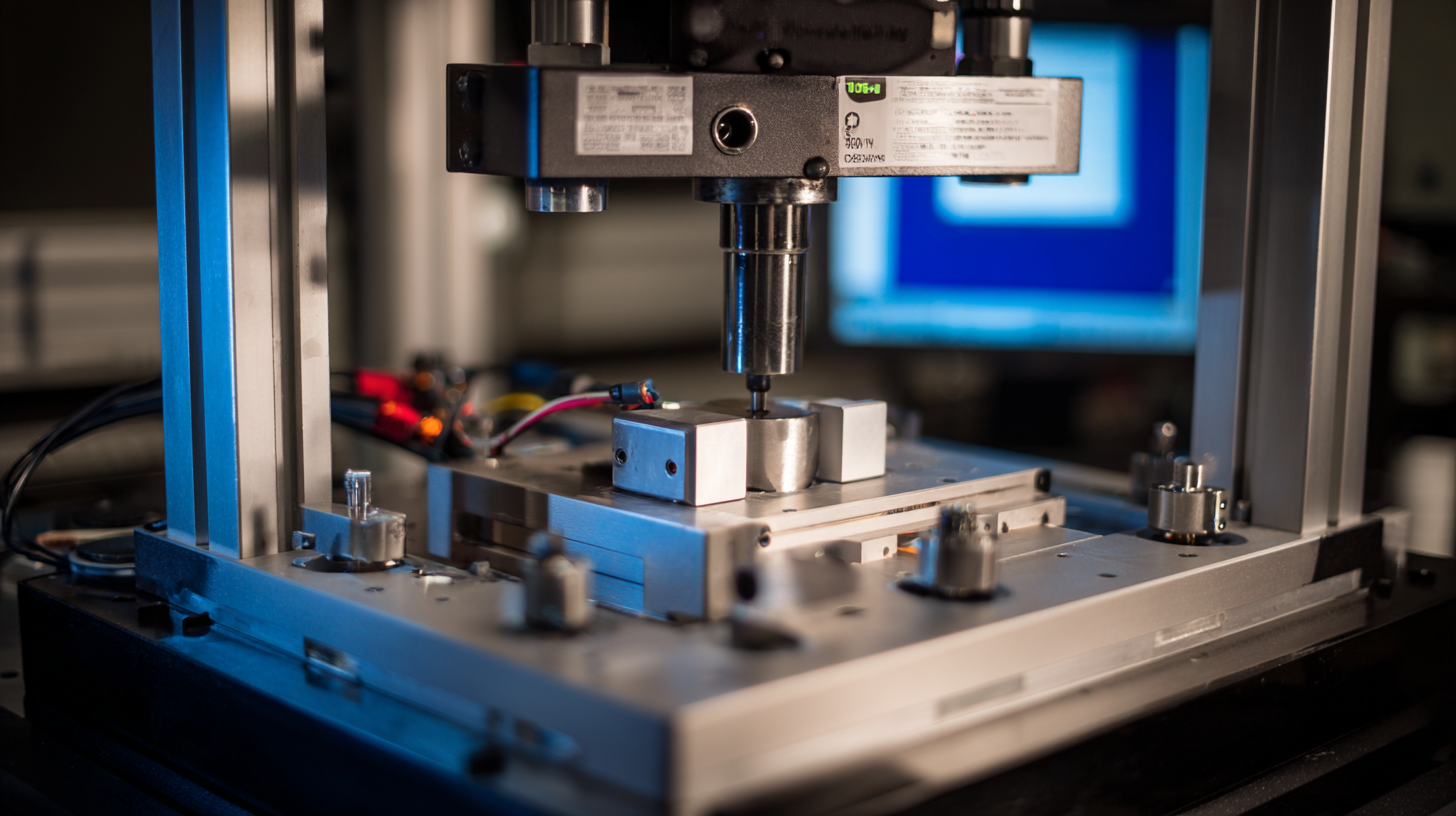
Shock test machines are kind of a big deal when it comes to making sure products are reliable. Basically, they mimic the rough conditions products might face during their lifetime. This helps manufacturers see how well their stuff can handle sudden bumps or impacts—crucial for durability and safety, especially in high-stakes industries like medical devices and electronics. The data gathered from these tests gives designers and engineers a clear picture of any weak spots, so they can tweak designs and choose better materials.
As everyone keeps pushing for higher-performing gadgets and tools, new testing tech—like those fancy horizontal systems for catheter testing—is becoming super important. These innovative systems don’t just make testing more precise; they also help speed up the whole product development process. When manufacturers adopt these advanced shock testing methods, they can get products to market quicker while still meeting all safety and regulatory standards. In the end, it all adds up to more reliable, safer products that consumers can trust.
Impact of Shock Levels on Product Durability
This chart illustrates the relationship between different shock levels (in Gs) and the resulting product durability (measured in hours before failure). Higher shock levels may lead to lower durability, highlighting the importance of rigorous testing using shock test machines.
Key Industry Standards for Durability Testing with Shock Test Machines
Shock test machines are pretty crucial when it comes to figuring out how tough a product really is, no matter the industry. I mean, according to the folks at the International Electrotechnical Commission (IEC), products that go through tough shock tests tend to be more reliable and handle real-world conditions way better. For example, there's this IEC 60068-2-27 standard that lays out methods for testing if equipment can survive mechanical shocks — basically making sure they can handle the bumps and jolts of shipping and everyday use. Sometimes, these tests simulate forces up to 100 times stronger than what the product normally faces during regular operation, just to be safe.
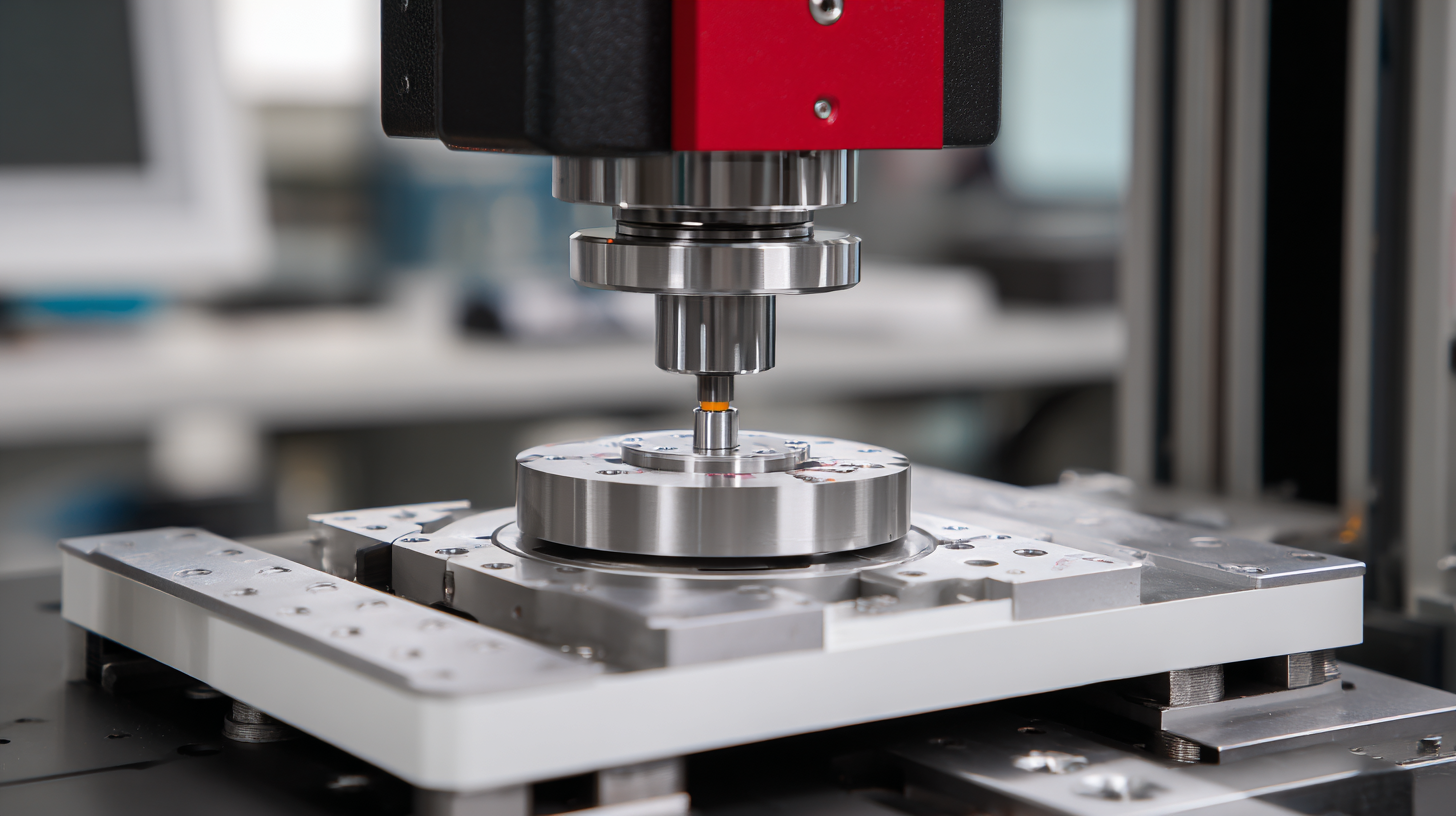
On top of that, there's the ASTM D4169-16 standard, which covers package performance during distribution. Shock testing is a big part of that since nearly a quarter of packaged goods get damaged while being transported — pretty eye-opening, right? So, companies that stick to these standards tend to see fewer returns and happier customers. In fact, data shows that properly testing products before they hit the market can cut down failure rates by up to 30%. Long story short: following these industry standards with shock tests is a key step in making sure your products last and stay reliable over time.
Understanding the Testing Process: How Shock Machines Analyze Product Resilience
Shock testing really plays a big role when it comes to figuring out how tough and dependable products are, especially in industries where you just can't afford to have anything go wrong. Basically, shock machines mimic the kinds of bumps and impacts things might experience over time. When companies like Dongguan Huanyi Instruments Technology Co., Ltd. run these tests in a controlled way, they gather important info that helps ensure their products can handle tough conditions and meet strict standards. It’s not just about making better products—doing these tests also builds customer trust because it shows you’re serious about quality.
During the testing, the shock machines look at stuff like how long impacts last, how hard they hit, and how often they happen. Putting all these pieces together gives a clearer picture of how sturdy the product really is. By seeing how products react to different shock scenarios, manufacturers can make smarter choices about materials and tweak designs to improve durability.
Pro tip: Make sure your shock testing lines up with industry standards—that way, you’ll get the most accurate results. Also, it’s a good idea to test under different environmental conditions to see how your product performs in real-world situations. If you can work with specialized testing services that combine R&D and production, you’ll get even more reliable results—that’s a real game changer.
Understanding the Importance of Shock Test Machines in Product Durability Testing
| Test Method | Test Duration | Shock Level (G) | Product Type | Pass/Fail Criteria |
| Drop Test | 1 hour | 50 G | Electronics | No visible damage |
| Vibration Test | 2 hours | 30 G | Automotive Parts | Functionality intact |
| Shock Impact Test | 30 minutes | 75 G | Consumer Goods | Structural integrity maintained |
| Environmental Test | 1 hour | 20 G | Home Appliances | No failure in operation |
| Free Fall Test | 1 hour | 65 G | Mobile Devices | No cracks or functional issues |
Impact of Shock Testing on Consumer Safety and Quality Assurance
Shock testing is pretty important when it comes to keeping consumers safe. Basically, it mimics the kind of bumps and jolts a product might go through during shipping or everyday use. Manufacturers put items through some controlled shocks so they can spot weak points in the design. By seeing how products react to sudden impacts, companies can tweak and improve their designs — all aiming to reduce the chances of things breaking or malfunctioning. It’s a smart, proactive move that helps make sure products are not just functional but also safe for people. After all, nobody wants a product that can’t take a little rough handling, right?
On top of that, shock testing really helps with quality assurance. When during the development process, it gives valuable info about how well a product holds up under stress. This helps manufacturers tighten up their quality control, making sure only reliable, durable items make it to shelves. Plus, doing these tough tests builds trust with consumers — they see that a brand truly cares about safety and quality. In the end, having solid shock testing protocols in place can lead to happier customers, fewer costly recalls, and fewer warranty claims. It’s definitely a must-have part of modern product design and manufacturing, don’t you think?
Cost-Benefit Analysis of Investing in Shock Test Equipment for Manufacturers
In today's super competitive market, manufacturers are really starting to see how important it is to invest in shock test machines as part of their product durability checks. Honestly, while those machines can be pretty pricey upfront, when you look at the long run, the benefits totally make sense. Making sure your products can handle extreme conditions not only cuts down the chances of costly recalls but also builds trust with consumers. There are different types of shock test machines out there—some are below 5 kN, others between 5 and 50 kN, and some even above 50 kN. Each one is tailored for specific needs, whether it's for aerospace, automotive, or consumer electronics industries.
The market for vibration testing gear is actually on the upswing, thanks to the growing need for reliable products across various sectors. As manufacturers get more into advanced testing methods, regional data shows that global investments in testing services—like military electronics reliability tests—are really increasing. Companies like Dongguan Huanyi Instruments Technology Co., Ltd. are leading the charge here. They’re not just making test equipment but also helping to set national standards, which is crucial for ensuring products meet tough quality requirements. This proactive approach isn’t just about staying ahead; it helps manufacturers uphold high standards and strengthens their market position, especially as consumer expectations keep evolving.
All in all, staying on top of these testing trends is becoming pretty essential if companies want to keep their edge—and I think we're going to see a lot more of this going forward.
Comparative Insights: Shock Testing Versus Other Durability Assessment Methods
You know, shock testing is such an important part when we're talking about figuring out how tough a product really is. Unlike those static tests where everything is pretty calm, shock tests actually mimic real-life scenarios—like drops, bumps, and vibrations—that products might face out there in the wild. I saw a report by MarketsandMarkets that predicts the global shock testing market could hit around $600 million by 2025. That just shows how much people are realizing how crucial this kind of testing is. Doing these tests helps make sure that products don’t just pass the regulations but also hold up when things get rough.
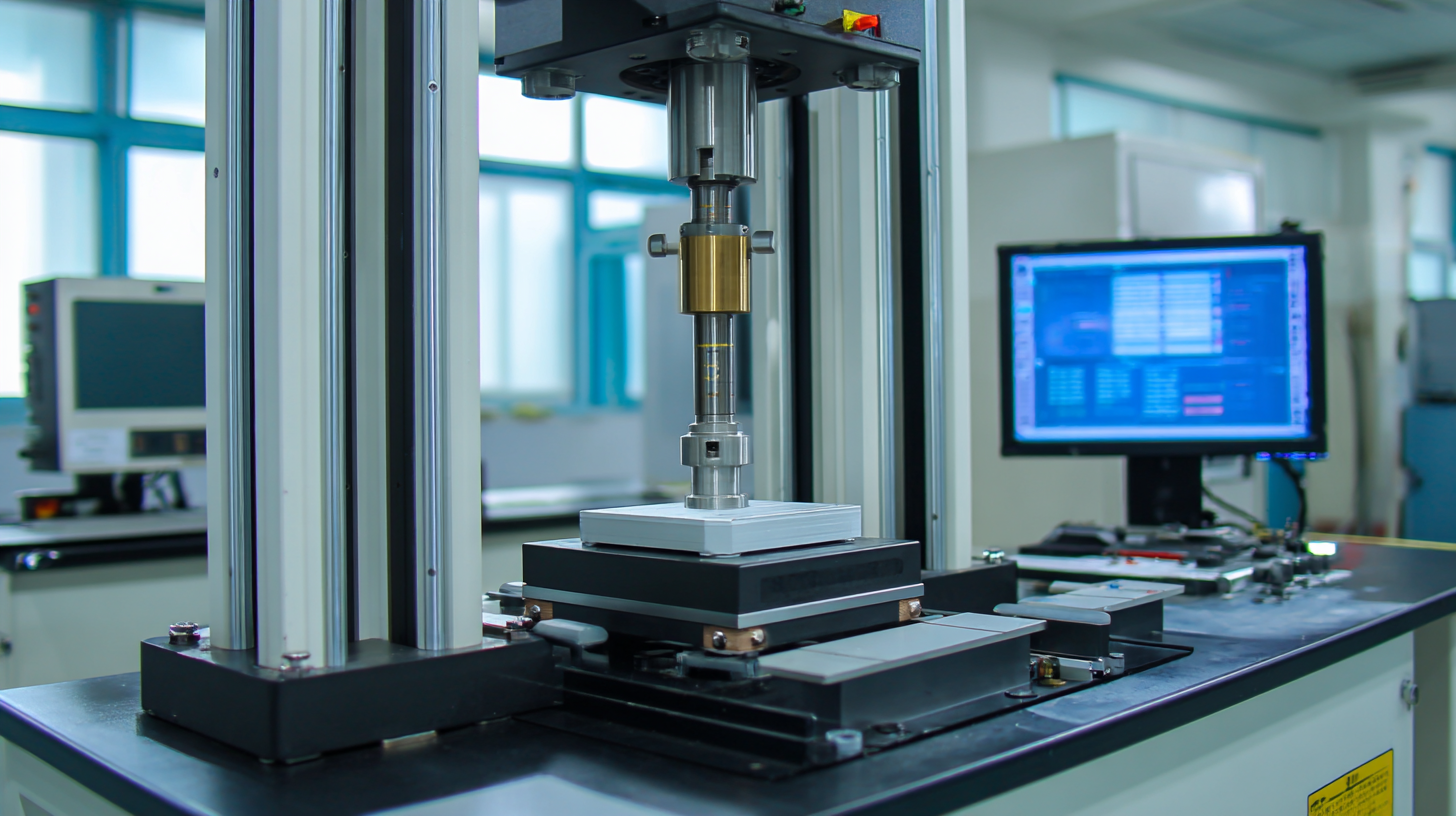
Now, traditional durability tests like dropping stuff or environmental checks are still useful, but they don’t quite capture the full picture of how products behave in real-world situations. There was a study in the Journal of Testing and Evaluation that mentioned products actually show about 25% more failure modes when shock testing is involved compared to just sticking with the regular tests. So, if manufacturers include shock testing into their development process, they can catch problems early on, cut down on recalls, and in the end, keep customers happier and more loyal. As industries keep pushing forward and innovating, investing in comprehensive testing methods like this is gonna be key for creating products that really stand the test of time—especially in such a competitive market out there.
FAQS
: Shock test machines simulate the conditions products may face during their lifecycle, helping manufacturers assess how well products can withstand sudden shocks or impacts, which is essential for ensuring durability and safety.
The data obtained from shock tests informs designers and engineers about potential vulnerabilities, allowing them to improve product designs and materials to enhance reliability.
Key standards include IEC 60068-2-27, which outlines methods for testing a product's ability to withstand mechanical shock, and ASTM D4169-16, which specifies package performance testing for distribution environments and includes shock tests.
Nearly 25% of packaged products suffer damage during transportation, and thorough shock testing can significantly reduce return rates and improve customer satisfaction by ensuring products can endure the stresses of transport.
Unlike static testing methods, shock testing simulates real-world conditions, revealing 25% more failure modes than conventional methods like drop testing and environmental testing.
The global shock testing market is expected to reach $600 million by 2025, indicating the growing recognition of its importance in product durability assessment.
Compliance with industry standards through shock testing helps ensure long-lasting, reliable products and can reduce product failure rates by up to 30% when properly tested before release.
Integrating shock testing can significantly reduce the risk of failures and recalls, leading to higher consumer satisfaction and brand loyalty.
Innovations like advanced horizontal systems for catheter testing are enhancing precision and expediting the product development process, allowing manufacturers to keep pace with high-performance product demands.
By ensuring compliance with safety and regulatory standards through rigorous testing, shock test machines help manufacturers produce more reliable products that meet or exceed consumer expectations.
Conclusion
Shock test machines are super important when it comes to making sure products hold up in the real world. Basically, they simulate impacts and stresses that products might face during their lifetime, giving manufacturers a clear picture of how tough their stuff really is. The testing process checks how well a product can handle sudden shocks — it’s not just about ticking boxes for industry standards, but also about keeping consumers safe and ensuring top-notch quality. Investing in good shock test equipment means companies can spot potential issues early on, fixing them before products even hit the shelves.
And here’s the thing: beyond the safety perks, doing these tests actually makes financial sense. A solid cost-benefit analysis shows that by catching flaws early, manufacturers can save a ton in the long run — fewer returns, happier customers, you know the drill. Compared to other ways of testing durability, shock testing gives really specific insights into how products perform under stress, helping brands deliver higher quality stuff. Over at Dongguan Huanyi Instruments Technology Co., Ltd., we’re pretty passionate about pushing this tech forward. We’ve even helped develop national standards for environmental simulation testing, which just goes to show how seriously we take thorough testing in the manufacturing world.