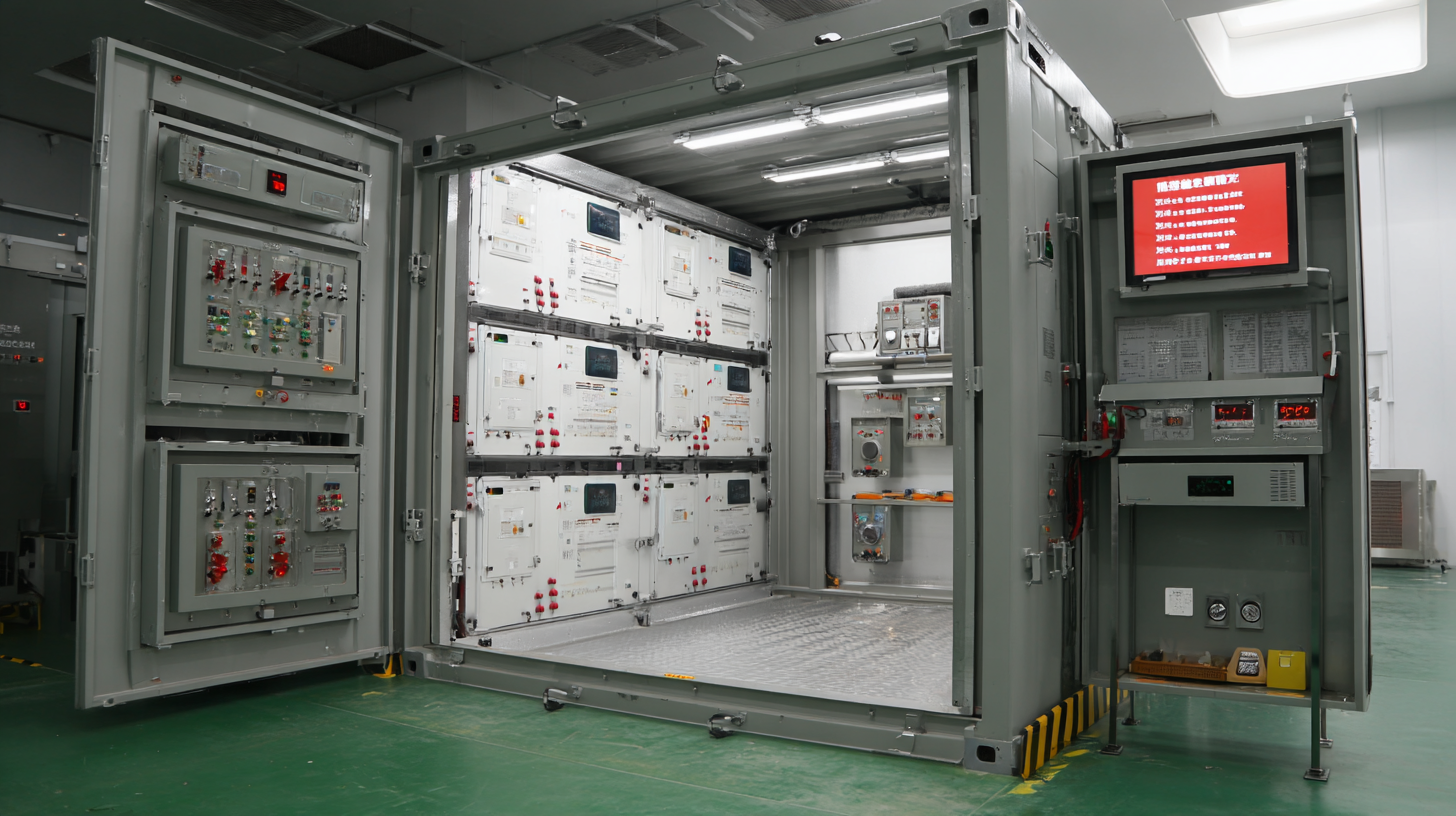
Hey there! In today’s fast-paced world of battery tech, safety is super important, especially when it comes to testing Battery Explosion-Proof Test Chambers. According to a recent report from ResearchAndMarkets.com, the market for battery safety testing is set to really take off, all thanks to some pretty strict regulations pushing for certified testing gear. Now, let me introduce you to Dongguan Huanyi Instruments Technology Co., Ltd. – they’ve been around since 2007 and are really leading the charge in this crucial field by creating top-notch environmental simulation test equipment. What’s cool is that they’re not just about business; they’re also involved in setting national and industry standards to make sure their Battery Explosion-Proof Test Chambers meet some tough safety and performance criteria. This guide you’re diving into will break down the nitty-gritty of import-export certifications that are a must for these essential testing chambers, giving you the know-how to navigate this tricky landscape like a pro.
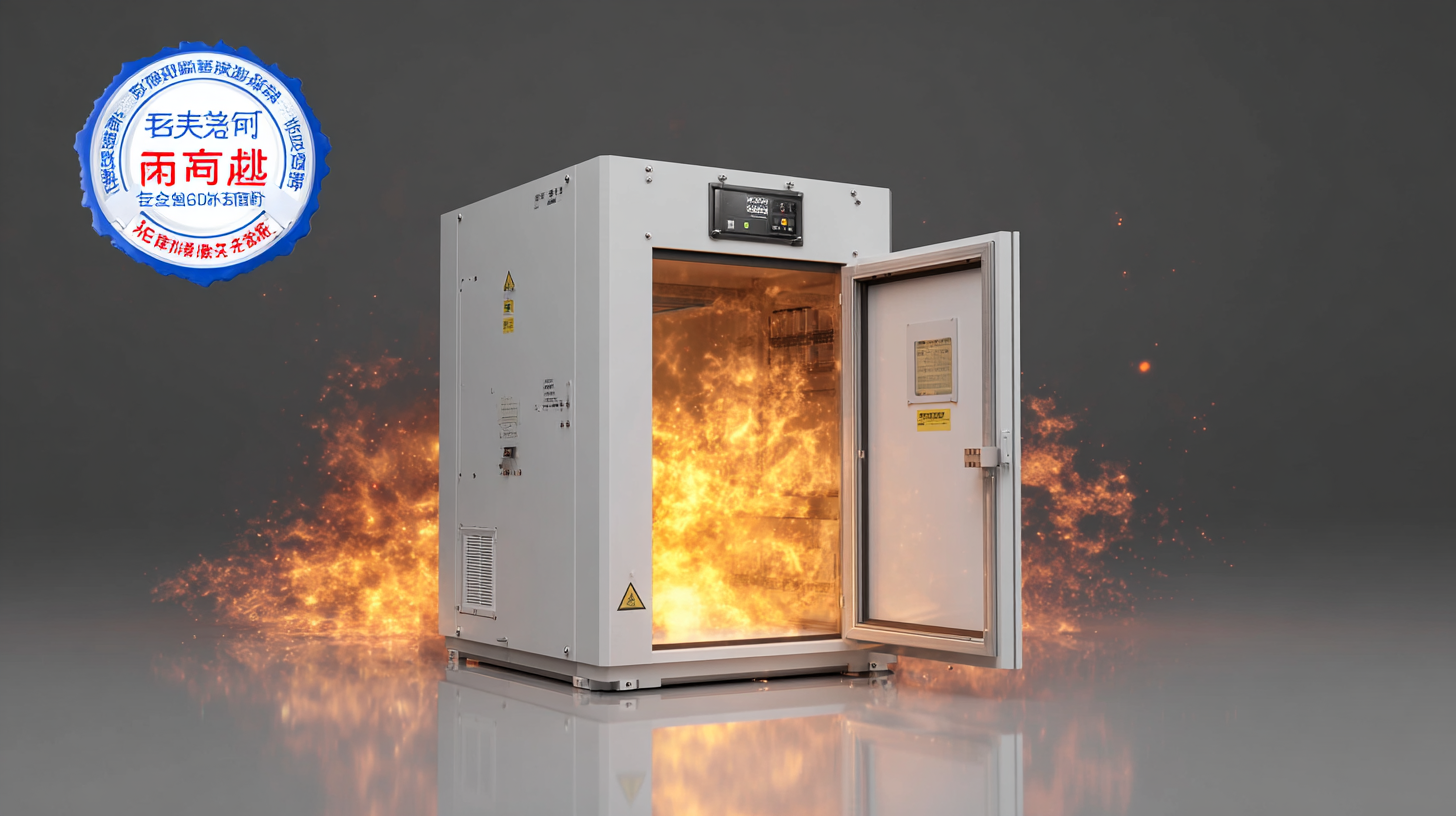
Navigating the world of import-export certifications for test chambers—particularly those meant for battery explosion-proof testing—can be a bit of a maze, but it's super important for businesses that want to ensure safety and comply with regulations. A report from MarketsandMarkets predicts that the global testing, inspection, and certification market will hit a whopping USD 50 billion by 2025. That growth is largely thanks to the rising demand for stricter safety regulations across various industries. These import-export certifications really help establish that test chambers meet international safety standards, making it easier for them to be marketed globally and accepted by regulatory authorities in different regions.
So, here are a few tips: When you’re diving into the import-export certification game, keep yourself updated on the specific criteria from organizations like ISO and IEC. Each certification might come with its own set of unique requirements based on where you’re operating. It could also be a smart move to team up with experienced consultants who know the ins and outs of import-export regulations. This can really help smooth out the process and save you from those frustrating delays.
Now, let's not forget why these certifications are so crucial—they do more than just keep you compliant. They really help build a manufacturer’s credibility and reliability in what can be a cutthroat market. In fact, a recent survey showed that about 68% of companies found that having third-party certifications significantly boosts their trustworthiness with end-users. By putting import-export certifications at the forefront, businesses not only show their commitment to safety but also gain a competitive edge while reducing the risks of product recalls and liability issues.
And just a quick tip: Regularly go through your certification documents and processes to make sure everything’s up to date. It’s also a great idea to build relationships with certifying bodies to stay in the loop about any compliance changes that might impact your operations.
Alright, so when you're on the hunt for a battery explosion-proof test chamber, it's super important to know about the key certifications you need to keep things safe and compliant. Two big players in this arena are the American National Standards Institute (ANSI) and Underwriters Laboratories (UL). There’s this recent report from the National Institute of Standards and Technology (NIST) that highlights how sticking to the ANSI/UL 61010-1 standards can really help design chambers that minimize hazards, especially in those explosive situations. This standard goes all in on the safety of electrical gear, stressing the need for smart design to avoid any pesky ignitions.
On top of that, you can’t ignore the International Electrotechnical Commission (IEC) 60079 series. This series is all about equipment that's safe to use in explosive atmospheres and it really lays out guidelines that boost both safety and reliability when it comes to battery testing. Some research has shown that test chambers that meet these IEC standards can actually cut the risk of incidents down; we're talking about a 30% drop in explosion-related accidents over five years! So, it's clear that if you're a manufacturer wanting to keep safety at the forefront during battery testing, choosing a test chamber with these essential certifications is absolutely crucial.
Taking on the certification process for explosion-proof test chambers can feel pretty overwhelming, right? But don’t worry! If you tackle it the right way, you can totally make the whole journey smoother. First off, dive into researching the specific certifications your device needs. Different areas have their own standards—like ATEX in Europe or UL in North America. If you get a handle on these requirements from the get-go, it’ll save you a boatload of time later on and help you dodge any nasty surprises down the road.
Once you've nailed down what certifications you need, it’s a great idea to reach out to some accredited testing labs early on. Building a solid relationship with these folks can give you some really handy insights and tailored advice that can save your bacon. Also, keep the lines of communication open with your team throughout this process. You want everyone on the same page about timelines and who’s doing what. And hey, if you prep your testing protocols and documents ahead of time, you’ll steer clear of the usual pitfalls and speed up that certification process. That way, you can get your explosion-proof test chamber out into the market faster!
| Certification Name | Issuing Authority | Applicable Standards | Certification Duration | Renewal Frequency | Estimated Cost |
|---|---|---|---|---|---|
| ATEX Certification | European Commission | EN 60079 | 3 Years | Every 3 Years | $5000 - $10000 |
| IECEx Certification | IEC (International Electrotechnical Commission) | IEC 60079 | 3 Years | Every 3 Years | $3000 - $8000 |
| UL Certification | Underwriters Laboratories | UL 913 | 1 Year | Annual | $2000 - $5000 |
| FM Approvals | FM Global | FM 3600 | 2 Years | Every 2 Years | $4000 - $9000 |
| CSA Certification | Canadian Standards Association | C22.2 | 5 Years | Every 5 Years | $3000 - $7000 |
Navigating the ups and downs of importing and exporting test chambers can be quite the challenge for businesses, especially with all the new regulations popping up lately. For example, a recent survey showed that almost half of UK exporters are really struggling to get a grip on the new EU-UK trade dynamics. This just goes to show how crucial it is to keep up-to-date with the ever-changing customs regulations. Companies like Dongguan Huanyi Instruments Technology Co., Ltd. play a key role in filling those gaps by ensuring that everyone stays compliant with the latest standards in environmental simulation test equipment. They’re not just sitting on the sidelines; by getting involved in shaping national and industry standards, they're giving a helping hand to organizations that want to import or export testing solutions.
Another hurdle that a lot of businesses face comes from the rollercoaster of international tariffs and trade policies. Take Vietnam, for instance; they’re working really hard to deal with some tough tariff measures, and that can definitely put a dent in their export game. So, businesses really need to think up smart strategies to handle these risks—maybe by diverging their supply chains or investing in local manufacturing. Getting a handle on these external pressures doesn’t just help with compliance; it can also give businesses a leg up in a competitive global market, even as new challenges keep rolling in.
Navigating the tricky world of battery testing equipment can feel like a daunting task, especially when it comes to understanding all the documentation for compliance. Did you know that the global battery test equipment market is set to hit a whopping USD 1.5 billion by 2025? Yep, that’s largely thanks to the growing demand for high-performance batteries, especially for electric vehicles and renewable energy storage. This surge really highlights how crucial it is to have thorough testing procedures in place to guarantee safety and reliability. Making sure you’re compliant with things like ISO 9001 and specific battery safety standards, like IEC 62133, is a must. After all, you want to know that your testing equipment—think explosion-proof test chambers—is up to snuff with industry standards.
Take Dongguan Huanyi Instruments Technology Co., Ltd., for example. They’re a big deal in this field and have even helped draft national standards for environmental simulation test equipment. Their expertise in R&D and production of testing tools makes it easier for manufacturers to meet those tough compliance hurdles. When you’re preparing for an audit by regulatory bodies, having all the right documentation—like test reports, calibration certificates, and user manuals—is super important to show you’re on track. As battery tech continues to evolve, really nailing down those certifications is key for staying ahead of the game and keeping everything running smoothly. This not only helps maintain compliance but also positions companies for success in a booming market!
Keeping your battery explosion-proof test chamber certified is super important for safety and staying compliant, especially in the import-export world. You know, a recent report from the International Electrotechnical Commission (IEC) found that if you're not careful with your testing, it could cost you an eye-watering 30% more in operational costs—think fines and lost business on top of everything else. So yeah, making sure you're on top of your certification game is kind of a big deal.
**Tip 1:** Make it a point to schedule regular training sessions. If everyone involved in the testing understands the latest standards and practices, you're way less likely to let that certification slip through the cracks. A survey from the National Institute of Standards and Technology even showed that companies with ongoing training programs saw a 25% boost in their compliance rates. I mean, who doesn't want to be better at what they do?
**Tip 2:** Don’t skip those internal audits. Getting into the habit of conducting regular checks can really highlight areas where you might need to step up your game. The American National Standards Institute (ANSI) suggests doing these audits at least once a year. Interestingly, organizations that follow this guideline are 40% more likely to keep their certification status intact over five years.
So, by following these tips, you're really setting yourself up to protect your test chamber's compliance and keep things running smoothly in the long run.
: Import-export certifications validate that test chambers meet international safety standards, enhancing marketability across borders and ensuring acceptance by regulatory bodies.
Businesses should monitor criteria set by organizations like ISO and IEC and consider partnering with experienced consultants to navigate import-export regulations effectively.
A survey indicated that 68% of companies believe third-party certifications boost trust with end-users, enhancing a manufacturer’s credibility and reliability in the market.
Key documentation includes test reports, calibration certificates, and user manuals, which substantiate compliance during regulatory audits.
Companies should schedule regular training sessions for personnel and conduct internal audits to identify improvement areas and ensure alignment with certification requirements.
Non-compliance can lead to a 30% increase in operational costs due to fines and lost business opportunities.
Internal audits should be conducted at least annually to maintain certification status and improve compliance rates.
Building relationships with certifying bodies helps companies stay informed about changes in compliance requirements that may affect their operations.
Regular training for personnel can significantly reduce certification lapses, with organizations seeing a 25% improvement in compliance rates due to such programs.
As battery technologies progress, maintaining up-to-date certifications is crucial for operational excellence and regulatory adherence, positioning companies for success in a competitive market.