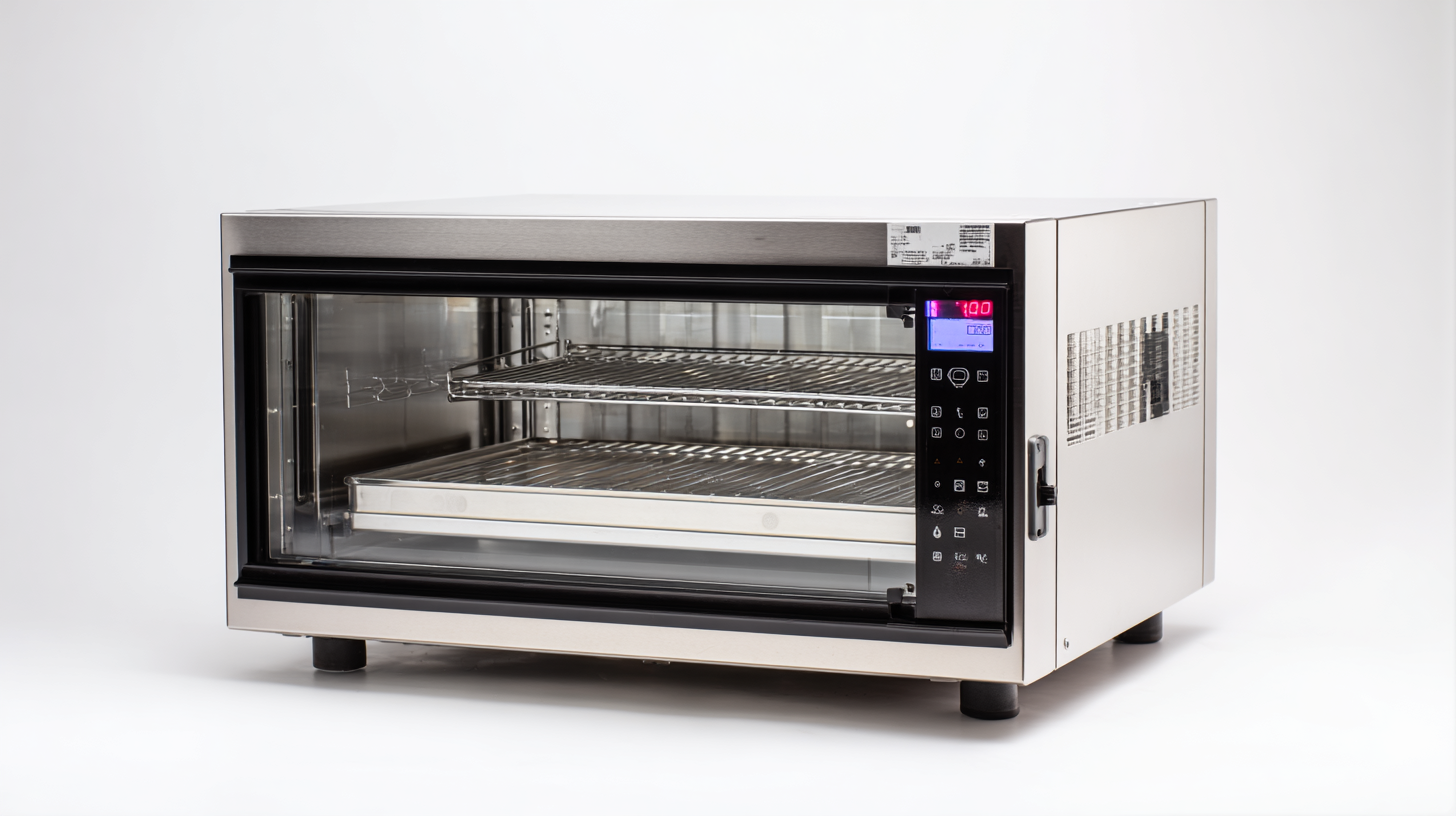
When it comes to modern research, picking the right oven for your lab isn’t just a small detail — it really matters. A good oven can make all the difference in how reliable and accurate your experiments turn out. Recently, industry reports have shown that the global market for Lab Ovens is expected to hit around1.2 billion US dollars by 2026. That just goes to show how much scientists and labs are craving more precise, innovative equipment these days. 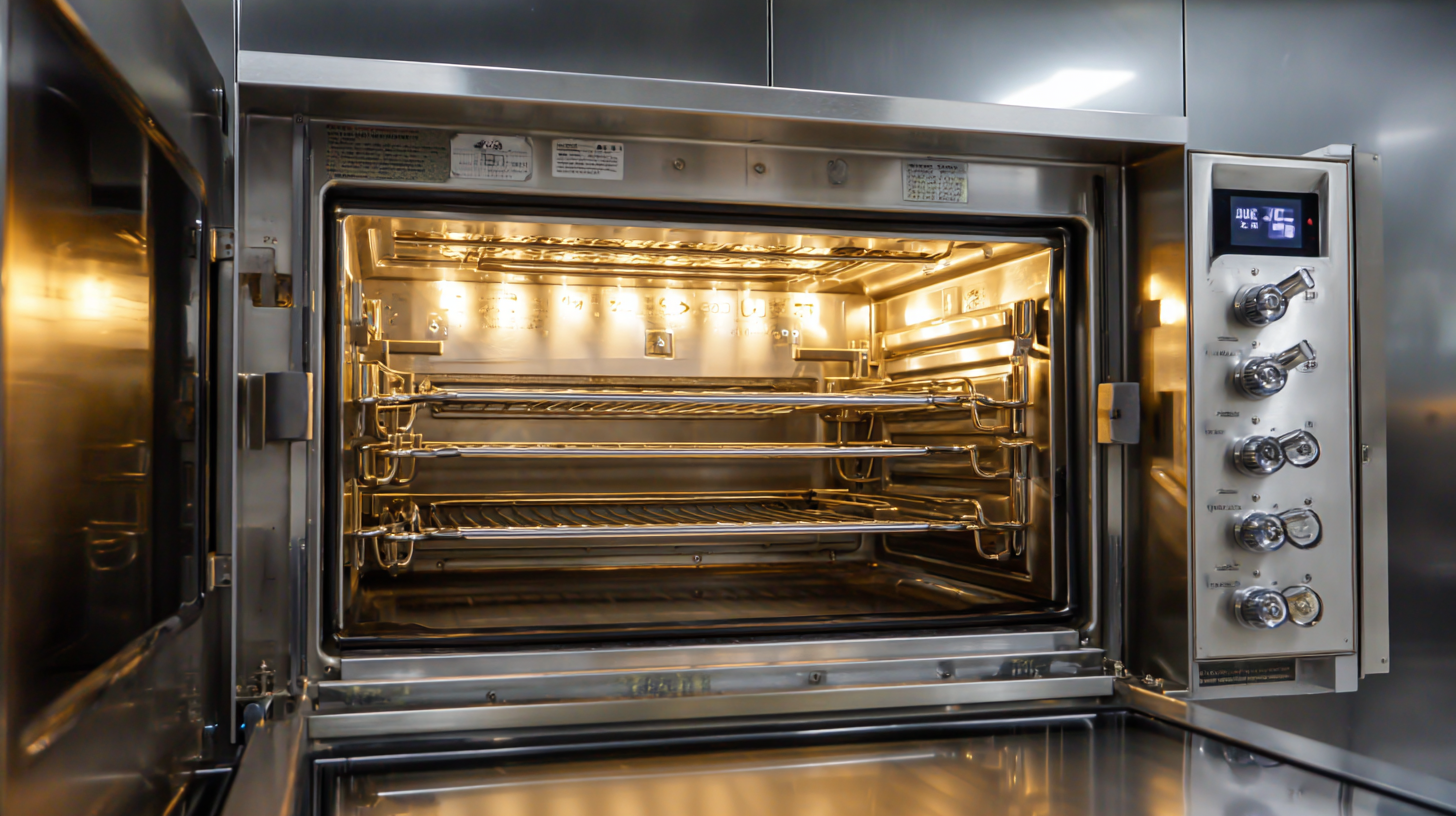 One company that's been making waves in this space is Dongguan Huanyi Instruments Technology Co., Ltd. — they've been around since 2007 and handle everything from R&D to manufacturing, sales, and support for state-of-the-art lab gear, including these super important lab ovens. Plus, they’ve even helped draft national and industry standards for environmental simulation testing, which means they’re serious about quality and performance. Choosing the right oven isn’t just about grabbing the first one you see; you’ve gotta think about things like temperature range, size, and whether it checks all industry standards. Doing so really helps boost your research work and keeps your results trustworthy.
Understanding Different Types of Laboratory Ovens for Specific Applications
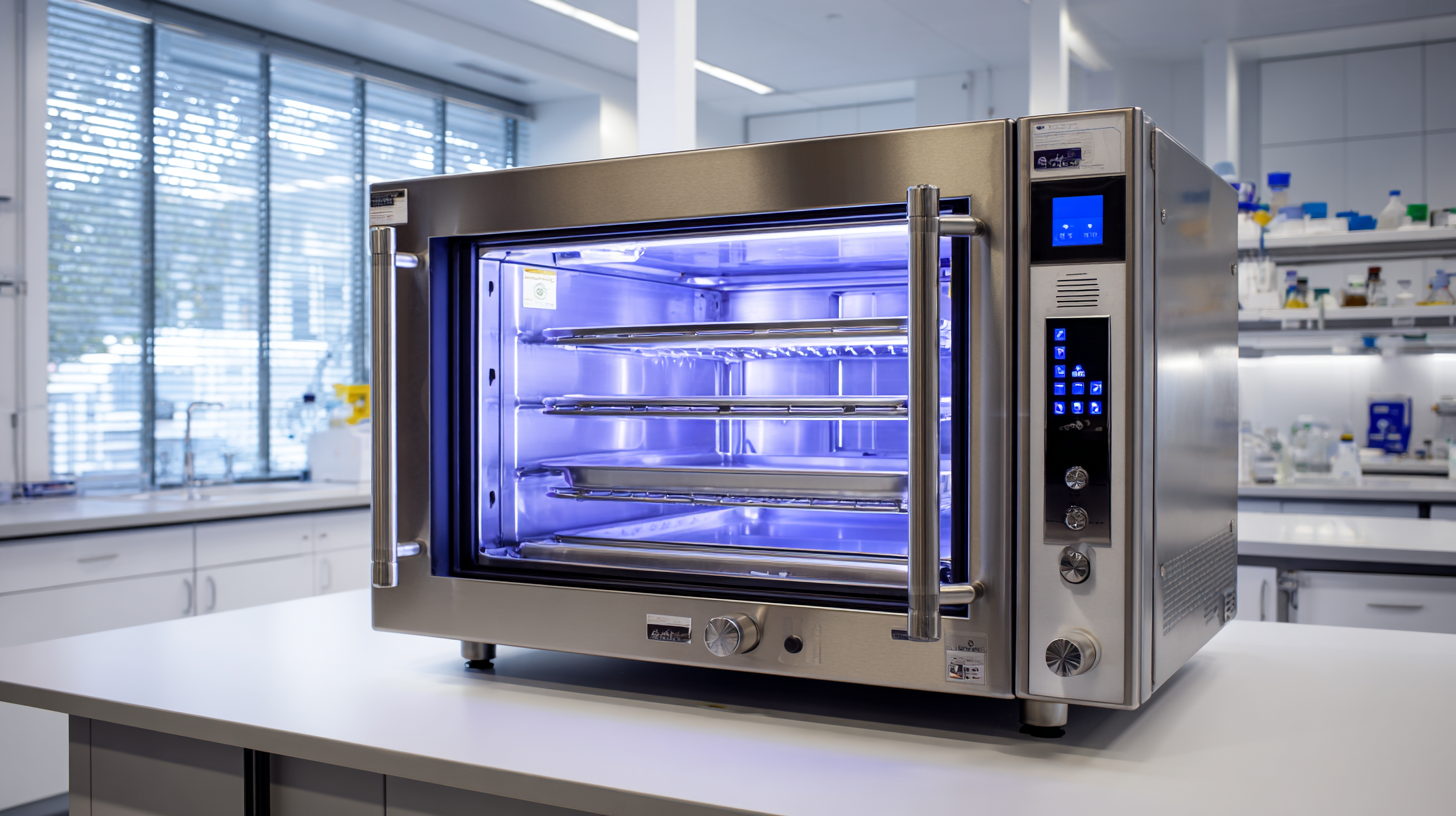
When you're choosing a lab oven, it's really important to understand the different types out there so you pick the right one for your research. Typically, lab ovens fall into a few categories—like forced air convection ovens, Vacuum Ovens, andgravity convection ovens. The International Society for Pharmaceutical Engineering (ISPE) mentions that forced air convection ovens are super popular because they heat things more evenly—crucial when you need precise temperature control for stuff like sterilizing or drying.
A quick tip: Always check the maximum temperature the oven can handle and whether it’s compatible with the materials you're working with. For example, if you're dealing with volatile substances, a vacuum oven might be the way to go to prevent oxidation and keep things safe.
Gravity convection ovens are better suited for drying tasks, especially when humidity is a concern. They use natural convection, which can save energy, but don’t always give you the same precise temperature control as forced air ovens. A recent study from Frost & Sullivan points out that demand for specialized ovens is on the rise, so it’s really worth thinking about what your specific research calls for.
Another thing to consider is your workflow—do you need fancy features like programmable settings or extra safety features? Keeping these in mind can help you pick an oven that fits your needs perfectly.
Evaluating Temperature Range and Stability Requirements for Your Research
When you're choosing a laboratory oven for your research, it’s super important to understand the temperature range and how stable it needs to be. Research often calls for specific temperature profiles to make sure your experiments stay on point, and many industries stick to strict standards to keep things consistent. For example, if you're working with materials testing in superalloys, your oven has to operate within very tight temperature limits to get accurate data on how these materials perform. Interestingly, industry reports show that the global market for superalloys is expected to hit around $4.98 billion by 2032, growing at a CAGR of about 13.6%. That kind of growth really highlights how essential it is to have reliable equipment—like laboratory ovens—that can keep everything steady during long-term tests.
And honestly, temperature stability is a game-changer. Fluctuations can mess up your results, so a good lab oven should heat and cool evenly, with consistent performance across the whole chamber. Top-quality ovens can keep variations below 1°C, which is a must for experiments needing precise thermal control. As research into advanced materials continues to pick up pace, I think the need for ovens that meet these high standards will only grow—especially given the bigger trends in the superalloys market. Investing in the right oven isn’t just about getting better results; it also makes your whole research process smoother and more efficient.
Temperature Range and Stability Requirements for Laboratory Ovens
Key Features to Look for in a Laboratory Oven: Efficiency and Safety
When you're in the market for a lab oven, two of the most important things to think about are efficiency and safety. A good, efficient oven doesn’t just keep temperatures steady—it also helps cut down on energy costs, which is a win in the long run. Look out for models that have top-notch insulation and quick-heating features; these make a big difference in getting reliable results without waiting forever. Plus, options like programmable temperature controls and timers are super handy—they let you fine-tune your processes and keep things running smoothly.
Safety's just as crucial, of course. You want an oven that comes with safety stuff like over-temperature protection and alarms—those little things can really save you a headache. Durable materials that can handle high heat are also a must. Oh, and if the oven has built-in ventilation systems? Even better, because they help keep fumes or volatile substances from building up. Make sure whatever you pick checks all the safety boxes and meets industry standards—that way, you're covered and can focus on your work without worries. Ultimately, focusing on both efficiency and safety means you’re investing in equipment that supports your innovative projects and keeps your lab a secure space to work in.
Assessing Industry Standards and Certifications for Laboratory Ovens
When you're shopping for a laboratory oven, it’s really important to understand the industry standards and certifications that ensure the equipment is safe and performs well. There are organizations like ASTM and ISO that set guidelines to help manufacturers build ovens that work consistently and reliably. Getting familiar with these standards can actually simplify your decision-making process, making sure you pick an oven that fits both your research needs and compliance rules.
A couple of tips: Always look out for certifications like CE, UL, or CSA—they show that the oven has undergone thorough testing. Also, try to choose models that follow Good Laboratory Practices (GLP), so you can trust that your results will be valid and reproducible.
Think about what your experiments need. If you need really precise temperature control and even heating, go for ovens that meet strict standards like ISO 9001. Knowing these specs ahead of time will not only help you find the right equipment but also create a safer, more effective environment for your research.
Budget Considerations: Balancing Quality and Cost in Oven Selection
When you're choosing a laboratory oven, your budget really comes into play and can end up shaping your decision quite a bit. It's all about finding that sweet spot between quality and cost—spending a little extra on a good oven can pay off in the long run because it'll last longer and perform better. Think about your specific research needs and how often you'll actually be using it. If your lab is running full-time, investing in a higher-end, more powerful oven might be worth it. But if you only need it here and there, a budget-friendly option could do the trick.
A quick tip: don’t forget to consider the ongoing costs, like maintenance, energy bills, and warranty coverage, when you’re crunching the numbers. Sometimes an oven that’s cheaper upfront might end up costing more to run over time. It’s also a good idea to check out reviews or ask colleagues for their honest opinions—they can save you from making a costly mistake.
And don’t overlook how versatile an oven is. Sometimes, paying a bit more for a model that can do multiple things might actually save you money down the line by cutting out the need for extra equipment. Take your time to look over the specs carefully and make sure whatever you pick ticks all the boxes for your industry standards—after all, you want to keep your research solid without skimping on quality.
How to Select the Right Laboratory Oven for Your Research Needs Based on Industry Standards - Budget Considerations: Balancing Quality and Cost in Oven Selection
| Oven Type | Temperature Range (°C) | Internal Capacity (L) | Heating Method | Price Range ($) | Industry Standards |
| Convection Oven | 50 to 300 | 150 | Natural Convection | 1,000 - 3,000 | ISO 9001 |
| Vacuum Oven | 40 to 200 | 100 | Vacuum Insulation | 2,500 - 4,500 | ASTM E145 |
| Gravity Convection Oven | 30 to 250 | 200 | Gravity Convection | 800 - 2,500 | CE Marking |
| Forced-Air Oven | 50 to 300 | 250 | Forced Air Circulation | 1,200 - 3,200 | NIH Guidelines |
Maintenance and Support: Ensuring Longevity of Your Laboratory Equipment
When you're picking out a lab oven, it’s really important to think about durability and how reliable it is in the long run. Staying on top of regular maintenance is a game-changer, especially in complex lab setups where precision and efficiency really matter. Having a proactive maintenance plan—sort of like catching issues early before they turn into bigger problems—can save you a lot of headaches and help your equipment last longer. One smart way to do this is by using a product-service system (PSS) model. It’s more than just fixing stuff when it breaks; it’s about continuous monitoring and keeping everything running smoothly over time.
Here’s a tip: set up a routine maintenance schedule to catch potential problems early. Also, training your staff on the proper way to use and care for the lab ovens can really make a difference. When everyone’s on the same page, it kind of creates a sense of responsibility, and you’ll likely avoid costly mistakes.
And don’t forget—partnering with service providers who offer solid support, quick repairs, and technical help is key. This way, your equipment stays in top shape, and your research keeps moving forward without unnecessary interruptions. When you align your maintenance with industry best practices, your lab can keep running smoothly and get better results from your work.
FAQS
: Understanding the temperature range is crucial because research often requires specific temperature profiles to ensure experimental integrity, particularly in industries that adhere to strict standards.
Temperature stability is vital to prevent fluctuations that could compromise experimental outcomes, as consistent heating and cooling rates are necessary for precise thermal conditions.
High-quality laboratory ovens should achieve temperature variations of less than 1°C, which is important for applications requiring precise thermal conditions.
Key features include advanced insulation, quick heating capabilities, programmable temperature settings, and timers to optimize research processes and minimize energy consumption.
A laboratory oven should have safety features such as over-temperature protection, alarm systems, robust construction, and built-in ventilation to ensure a safe research environment.
Investing in the right laboratory oven enhances the quality of results and improves efficiency in research operations by providing reliable temperature control and stable environmental conditions.
The global market for superalloys is projected to reach $4.98 billion by 2032, with a compound annual growth rate (CAGR) of 13.6%, highlighting the increasing demand for reliable laboratory equipment.
The construction material is important as it needs to withstand high temperatures and contribute to the oven's overall safety and durability during experiments.
Built-in ventilation systems help prevent the accumulation of harmful fumes or volatile substances, ensuring a safer working environment during experiments.
Choosing ovens that comply with industry standards and certifications ensures that the equipment meets safety regulations, providing peace of mind while conducting experiments.
Conclusion
Choosing the right oven for your lab isn’t just about whether it warms stuff up; it’s a pretty critical decision that can seriously impact your research. In this article, we’re diving into why it’s so important to understand the different types of lab ovens out there—each suited for various tasks—and how to evaluate features like temperature range and stability. Of course, things like energy efficiency and safety features are also key points you shouldn’t overlook. The goal? Picking an oven that not only boosts your productivity but also keeps everyone safe and minimizes risks.
We also can’t forget about industry standards and certifications—these tell you a lot about the quality and reliability of the equipment. And yeah, budget matters too. It’s all about finding that sweet spot between good quality and affordable cost. Oh, and don’t forget, ongoing maintenance and support are super important if you want your equipment to last. After all, a well-chosen oven makes a big difference in a research environment.
If you’re feeling overwhelmed, Dongguan Huanyi Instruments Technology Co., Ltd. is ready to help. They know their stuff when it comes to drafting industry standards and making sure you get a reliable, high-quality lab oven that fits your needs.