Keeping the right temperature inside chambers is super important across a bunch of industries, especially in pharma and biotech. There’s plenty of research showing that if you don't keep the temperature in check, your products can break down, which messes with how well they work and how safe they are. For example, the International Society for Pharmaceutical Engineering says that more than 30% of temperature issues end up messing with drug stability.
Using the right monitoring tech is a game-changer. Good sensors and data loggers can give you real-time updates so you can catch problems early. Still, a lot of places are having a tough time keeping those temperatures steady. A survey from the American Society for Heating, Refrigerating and Air-Conditioning Engineers found that around 40% of companies deal with frequent ups and downs in their Chamber Temperatures.
Looking at how most folks handle it now, it’s clear that many ignore the importance of regular calibration and maintenance. Automated systems definitely help, but human oversight is still really important. If you skip ongoing training or don’t regularly check your systems, you’re basically leaving yourself open to risks caused by temperature swings. All in all, chamber temperature isn’t just a number—it’s literally the foundation of making sure your products stay safe and effective.
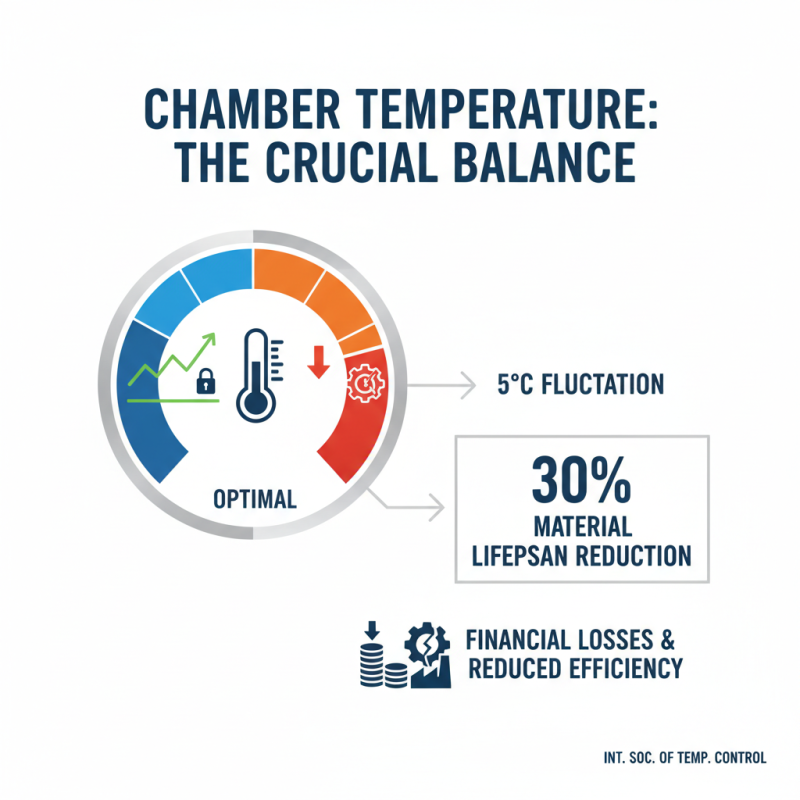
Maintaining optimal chamber temperature is crucial in various industries. Studies show that even a slight deviation can impact material integrity. A report from the International Society for Temperature Control indicates that a 5°C fluctuation can reduce the lifespan of certain materials by up to 30%. This loss isn’t just numbers; it translates into financial losses and reduced efficiency.
Temperature monitoring should not be overlooked. Many facilities still rely on outdated systems. An analysis revealed that 40% of facilities do not have real-time temperature monitoring in place. This can lead to inconsistencies that might damage sensitive materials or compromise processes. Drawing from industry data, effective temperature management can improve operational efficiency by 15%.
Understanding optimal temperatures involves regular evaluations. A significant number of operators fail to conduct frequent checks. Without rigorous assessment, one can miss out on issues that might worsen over time. This negligence not only affects quality but can also lead to safety hazards. Recognizing these gaps allows for better preparation and allows teams to adapt swiftly to changes.
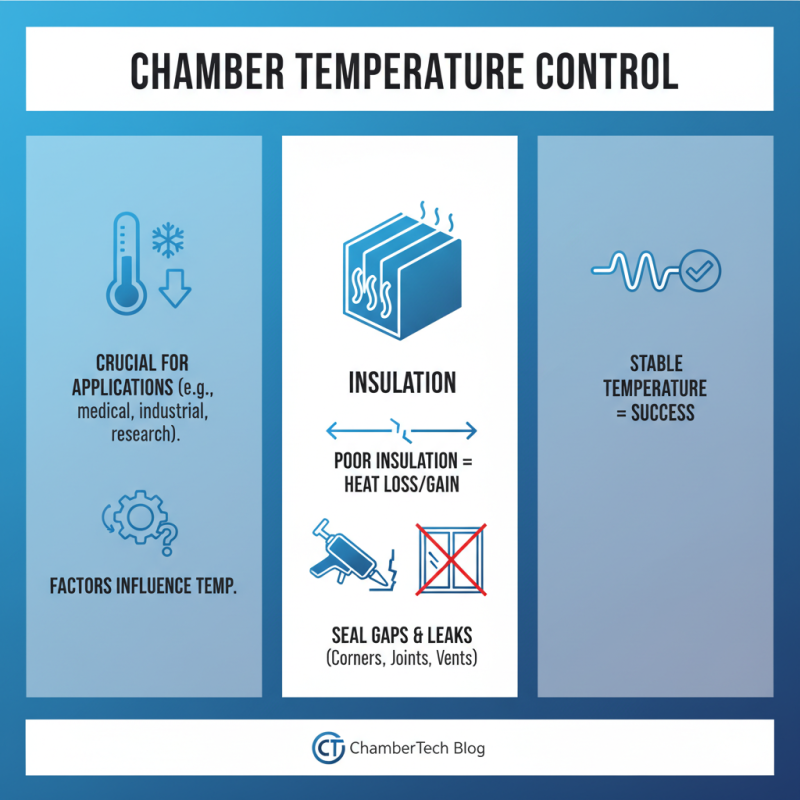
Maintaining the right temperature in a chamber is crucial for various applications. Several factors influence temperature levels, and understanding these is essential. One major factor is insulation. Poor insulation can lead to heat loss or gain, making temperature management difficult. Ensure all gaps and leaks are sealed properly. This can mean checking corners, joints, and even venting systems.
Another significant influence is the placement of equipment inside the chamber. Equipment that generates heat should be positioned wisely. Overcrowding can lead to uneven temperature distribution. It’s helpful to leave space between items. This allows for better airflow and heat dissipation. Regularly monitor these items. If something feels excessively warm, it may be time to rearrange.
Humidity levels must also be considered. High humidity can affect temperature consistency. It can promote condensation, impacting the contents. Using dehumidifiers or humidity sensors can help regulate this environment. Be open to experimenting with settings. Small adjustments can make a significant difference. Regular assessments and reflections on these elements are key to achieving optimal temperature control.
Maintaining optimal chamber temperature is crucial in various industries, particularly in pharmaceuticals and food storage. According to a report by the International Journal of Refrigeration, deviations from the ideal temperature can lead to product degradation. Therefore, monitoring chamber temperature accurately is vital.
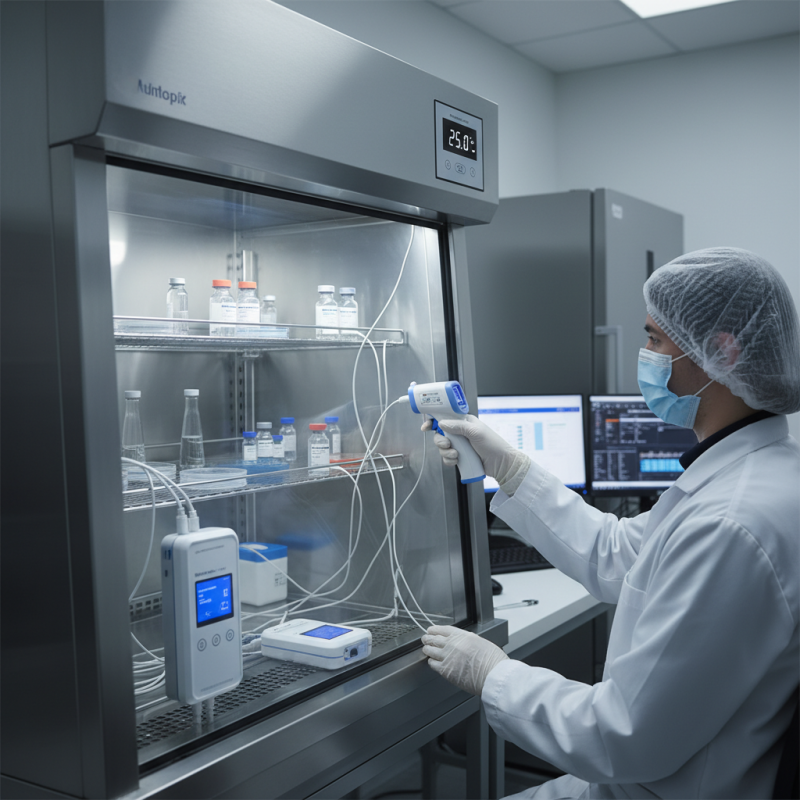
Utilizing digital thermometers can provide real-time data. These devices often include features like alarms that alert staff of temperature fluctuations. A study published in the Journal of Packaging Technology points out that 30% of temperature-related quality issues stem from improper monitoring techniques. Manual checks are not enough; automated systems enhance reliability.
One effective practice is implementing a temperature mapping study. This identifies cold and hot spots in the chamber. Often, these areas can vary dramatically within the same space. Inconsistent temperatures may lead to inefficiencies and waste. Remember, even a minor temperature shift can have significant consequences. Regular audits and employee training are necessary for continuous improvement in monitoring efforts.
| Tip | Description | Frequency | Priority Level |
|---|---|---|---|
| Regular Calibration | Calibrate temperature sensors every six months to ensure accuracy. | Every 6 months | High |
| Monitor Temperature | Use digital monitors to continuously track chamber temperature. | Continuous | Critical |
| Maintain Insulation | Check for any insulation gaps and seal them promptly. | Annually | Medium |
| Thermal Mapping | Conduct thermal mapping to identify hot and cold spots. | Quarterly | High |
| Review Maintenance Logs | Regularly review logs to identify trends and anomalies in temperature. | Monthly | Medium |
Maintaining consistent temperature control is crucial for many industries. According to a recent report by the NIST, fluctuations can lead to significant quality issues. Ideally, chambers should maintain a tolerance of ±2°C for optimal results. However, achieving this can be challenging.
Regular calibration of temperature sensors is essential. This process cannot be overlooked. Improper calibration can lead to inaccurate readings. It's recommended to check sensors every three months. Also, using data loggers can help monitor temperature fluctuations over time. These devices can reveal patterns that may point to underlying issues.
Consider employing HVAC systems that are designed for precision. However, even the best systems can fail. A study by the Institute of Environmental Sciences and Technology showed that nearly 30% of temperature control failures are due to human error. Routine inspections and training can mitigate this risk. Additionally, using insulating materials can significantly reduce temperature variability. This aspect is often neglected in less controlled environments.
Temperature regulation is crucial in various applications, from laboratories to storage facilities. Key equipment for maintaining optimal chamber temperatures includes HVAC systems, thermostats, and Environmental Chambers. According to industry reports, approximately80% of temperature-related issues arise from improper equipment calibration. This emphasizes the need for regular maintenance and precise adjustments.
Improving temperature regulation starts with using high-quality thermometers. These devices ensure accuracy within ±0.5°C. It's vital to plant them strategically in your chamber. Regular calibration is equally important. A calibrated thermostat can lead to energy savings of up to 30%.
For effective temperature control, integrate data loggers. They monitor fluctuations over time. This can reveal patterns that might need investigation. By analyzing this data, you can make informed decisions about needed adjustments. Ultimately, having a reliable temperature monitoring system reduces the risk of product degradation.
Regular checks and prompt actions can prevent costly oversights. Consistently maintaining the right environment helps ensure compliance with regulations and enhances overall operational efficiency.
Maintaining the right temperature in chambers can be tricky. Fluctuations can occur due to various factors. Understanding these issues is key to keeping everything stable.
Tip: Regular calibration of your temperature control system is essential. Without accurate measurements, you may face inconsistent readings. Check calibration monthly, especially before critical experiments.
Another common issue is airflow. Poor ventilation can lead to hot spots. Make sure fans are working properly. Clean filters regularly to prevent dust buildup.
Monitor your chamber’s location. If it’s near a window or heater, this can affect temperature stability. Sometimes, it’s best to rethink placement. A subtle shift can make a big difference.
You cannot overlook the importance of insulation. If the chamber is not insulated well, external temperatures will affect it. Inspect seals and gaskets often. Small cracks can cause significant fluctuations.
Tip: Keep a log of temperature changes. This helps identify patterns and troubleshoot effectively. A simple notebook can provide valuable insights over time, leading to better control.
Maintaining an optimal chamber temperature requires regular checks and upkeep. Consistent monitoring of temperature is essential to avoid fluctuations. Install reliable thermometers and periodically check their accuracy. It’s easy to overlook this aspect, but small inconsistencies can lead to bigger problems.
Regular cleaning of ventilation and cooling systems helps ensure they function properly. Dust and debris can block airflow, causing temperature spikes. It’s important to establish a routine check, perhaps every month. Sometimes we forget this step, leading to unforeseen issues.
In addition to cleaning, calibrating the temperature controls is vital. Over time, settings may drift, affecting stability. Schedule calibration once or twice a year. This minor task could prevent significant consequences. Document each calibration for future reference. It's a simple step that can help ensure longevity and reliability.
: A healthy diet includes fruits, vegetables, whole grains, and lean proteins. It also limits sugars and saturated fats.
Drink water regularly. Carry a bottle. Add fruits for flavor. Aim for at least eight cups daily.
Start with walking, jogging, or cycling. Bodyweight exercises, like squats and push-ups, are also effective.
Set specific goals and a schedule. Choose activities you enjoy. Reflect on what works and adapt as needed.
Take breaks and practice mindfulness. Connect with friends and family. Limit screen time and reflect on your feelings.
Quality sleep is crucial for mental and physical health. Aim for 7-9 hours. Poor sleep can lead to various issues.
Try fruits, nuts, or yogurt. Hummus with veggies is also great. Prepare snacks in advance for convenience.
Regular exercise and hobbies can help. Mindfulness practices like meditation are beneficial. Reflect on stress triggers regularly.
It saves time and reduces unhealthy eating. Planning ensures balanced meals and can save money. Avoid over-complicating it.
Reflect on your goals. Set small, achievable targets. Sometimes, seeking support can boost your motivation.
Maintaining an optimal chamber temperature is crucial for ensuring the integrity of sensitive materials and processes. Understanding the key factors influencing temperature levels, such as ambient conditions, chamber design, and equipment efficiency, is essential. Regular monitoring using appropriate tools helps identify fluctuations that could compromise the intended environment.
Implementing best practices for consistent temperature control, including proper calibration of equipment and utilizing reliable temperature regulation devices, can mitigate potential issues. Additionally, troubleshooting any temperature inconsistencies promptly can prevent significant disruptions. Regular maintenance procedures further enhance temperature stability, ensuring that the chamber operates efficiently and effectively over time. By focusing on these aspects, one can maintain optimal chamber temperature, leading to improved outcomes and reduced risks.