As the industrial tech world keeps evolving, staying innovative is more important than ever. Vacuum chamber manufacturers are playing a pretty big role across a bunch of different sectors—think aerospace, pharma, and electronics. Basically, they’re providing the critical solutions needed for processes that require tight control over the environment.
Looking ahead to 2026, it's exciting to see some companies really making a name for themselves with game-changing tech. Brands like ALCATEL and Pfeiffer Vacuum are definitely leading the way, trying to boost efficiency and precision. But, of course, it’s not all smooth sailing. Some innovations still fall short of what the industry expects or don’t quite meet every user’s needs.
If you take a step back and look at these vacuum chamber manufacturers, you see a mix of real promise and potential pitfalls. How well they adapt to what the market demands will really determine their future. It’s important to keep evaluating their latest tech—sustainable growth depends on it. Overall, the future does look promising, but it’s also good to reflect on what’s been done so far to get there.
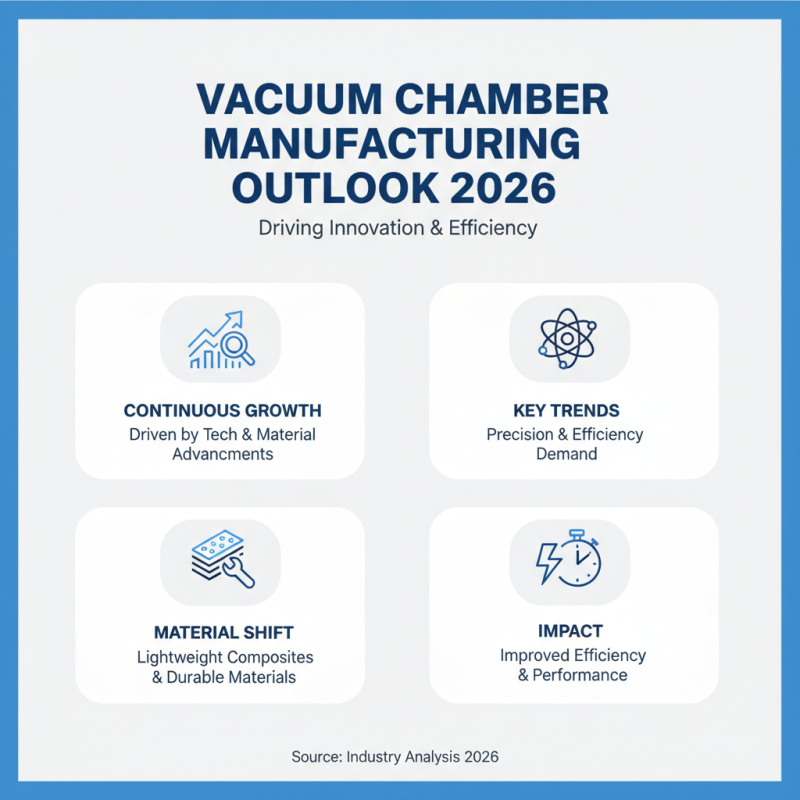
The vacuum chamber manufacturing industry is poised for significant changes in 2026. This sector has shown continuous growth, primarily driven by innovations in technology and advancements in materials. With an increasing demand for precision and efficiency, manufacturers are exploring new ways to enhance their products. The use of lightweight composites and durable materials is becoming more common. This shift is expected to improve energy efficiency and performance.
Tips: Consider how innovations can fit into your projects. Research different materials’ benefits before making a decision.
At the same time, some manufacturers struggle to keep up with rapid advancements. They may need to rethink their strategies. Adapting to new technologies is essential but challenging. Finding the right balance between tradition and innovation is key. Some companies may resist change, clinging to outdated methods.
Tips: Stay updated on industry trends. Don’t hesitate to invest in training for your team. A skilled workforce is invaluable.
Ultimately, the vacuum chamber industry will face both opportunities and challenges in 2026. Emphasizing R&D could drive new inventions but may lead to growing pains. Companies that embrace change are likely to thrive. Those unwilling to adapt may find themselves left behind.
The vacuum chamber technology is experiencing rapid transformation. Innovations are redefining how industries use these essential tools. New materials are now lighter and more durable. They enhance efficiency and reduce production costs. Enhanced sealing techniques are also gaining attention. Improved seals ensure minimal leakage and maintain the vacuum more effectively.
Tips: Always assess the material properties carefully before selecting a vacuum chamber. Consider both the weight and strength for your specific needs.
Moreover, smart technology integration is emerging. Sensors and IoT systems allow real-time monitoring. They track pressure levels and detect leaks instantly. This data-driven approach enhances operational safety and productivity.
Tips: Regular maintenance checks can prevent unexpected failures. Monitor the sensors for performance consistency.
While these innovations are promising, challenges remain. Not all manufacturers adapt quickly. Some lag behind, relying on outdated tools and methods. Staying informed about trends is key for any business looking to innovate.
The vacuum chamber market is evolving. Many manufacturers focus on innovation to stay competitive. According to recent industry reports, the global vacuum chamber market is expected to grow significantly, reaching a value of approximately $6 billion by 2026. This growth indicates increased demand in sectors like electronics and pharmaceuticals.
Leading players in the market are investing heavily in R&D. However, despite progress, challenges remain. Some manufacturers struggle with outdated equipment and inefficient production processes. The need for improved energy efficiency is evident in many reports. Companies that can address these issues are likely to gain market share.
In terms of market share, a few dominant players account for over 50% of the total. This concentration poses both risks and opportunities. Smaller manufacturers may offer niche solutions but could lack visibility. While innovation is vital, it must be coupled with effective marketing strategies to ensure success in a crowded market.
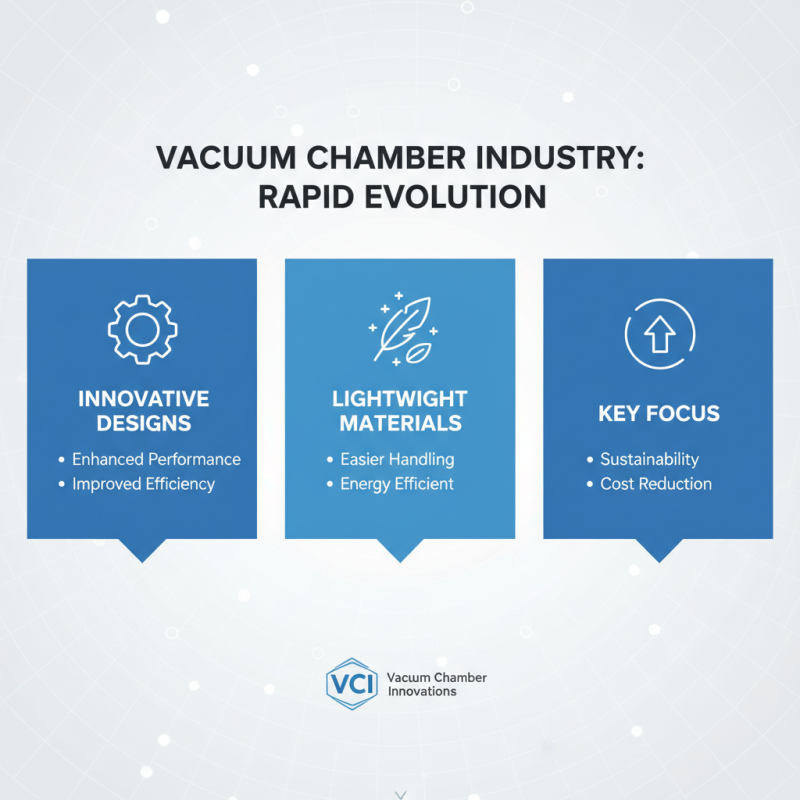
The vacuum chamber industry is evolving rapidly. Manufacturers are focusing on innovative designs that enhance performance and efficiency. Lightweight materials are gaining popularity, making chambers easier to handle. These materials also improve energy efficiency, a key concern today.
Moreover, smart technology integration is transforming vacuum chamber functionality. The use of sensors allows for real-time monitoring of pressure and temperature. This data helps in optimizing processes. However, the challenge lies in ensuring that these technologies are user-friendly and accessible.
Sustainability is another vital trend. Manufacturers are looking for environmentally friendly materials. The goal is to reduce the carbon footprint of production. Yet, the transition to sustainable practices often encounters obstacles, such as higher initial costs. Companies must reflect on how to balance innovation and environmental responsibility in their designs.
The vacuum chamber manufacturing industry is increasingly focusing on sustainability. Manufacturers are exploring eco-friendly materials and production techniques. This shift is essential. It addresses environmental concerns while maintaining product quality.
Investing in energy-efficient technologies is key. Many manufacturers are working to reduce energy consumption during production. This not only cuts costs but also minimizes their carbon footprint. Some companies are experimenting with renewable energy sources, which can further enhance their sustainability efforts.
Tips for manufacturers: consider eco-friendly alternatives. Look into recycled materials for your chambers. Encourage employee training on sustainable practices. Share your progress with your customers, who value transparency. This approach can create a more positive brand image. Remember, the path to sustainability is an ongoing journey. There is always room for improvement and reflection.
The landscape of vacuum chambers is rapidly changing. Customer needs drive innovation in this sector. Increasingly, users demand improved reliability and efficiency. They seek vacuum solutions that optimize their processes. Customization has become essential. Manufacturers must be flexible to adapt to specific requirements. This can be challenging, as not all companies thrive under pressure.
Technology is evolving, influencing user expectations. Smart features, like real-time monitoring, are gaining popularity. Customers want data at their fingertips. Yet, not all manufacturers have embraced these advancements. Some remain stuck in traditional methods, leading to frustration among users. There is a clear need for better communication between manufacturers and clients. Understanding demands will help shape future products.
Moreover, sustainability is becoming a crucial focus. Many users now prioritize eco-friendly options. This shift challenges manufacturers to rethink their materials and processes. The pressure to innovate is immense, yet the path is not always clear. Companies must listen carefully to their customers. Feedback is vital for developing products with genuine value. Balancing innovation and practicality is key in this evolving market.
This chart illustrates the significance of various customer needs and expectations in shaping the future of vacuum chambers by 2026. Each bar represents the importance rating (from 0 to 100%) of key factors such as Innovation, Reliability, Customer Service, Flexibility, and Cost Efficiency.
The development of advanced materials is reshaping vacuum chamber performance. These materials can withstand extreme temperatures and pressures. For instance, carbon-based composites and special alloys offer increased durability. They improve resistance to corrosion and wear, extending the life of vacuum chambers.
However, not all advancements are flawless. Some new materials introduce complexity in manufacturing processes. This can lead to higher costs and extended development times. Additionally, the trade-offs between weight and strength need careful evaluation. Engineers must constantly assess whether the benefits justify these challenges.
Moreover, the integration of smart materials could lead to even more innovation. These materials can respond to environmental changes. They allow for real-time monitoring and self-repair capabilities. Yet, this technology is still in its infancy, and practical applications are limited. Continuous research and testing are critical to unlocking their full potential.
: The product aims to provide a specific solution to common user needs. It addresses issues effectively.
Users should follow the instructions carefully. Proper usage can enhance the effectiveness of the product.
Some users may experience mild discomfort. It's essential to listen to your body and adjust usage accordingly.
Results vary, but many users notice changes within a few weeks. Patience is key to achieving desired outcomes.
In case of issues, stop using the product and consult a professional. Reflecting on the usage pattern can help.
The product is safe for most users. However, individuals with specific conditions should seek advice beforehand.
Daily use is generally acceptable. Monitor how your body responds, as not everyone will require the same frequency.
Keep the product in a cool, dry place. Proper storage can extend its shelf life and maintain effectiveness.
Missing a few days is usually fine. Just resume use based on your routine and don’t stress too much.
Some options may offer a satisfaction guarantee. Always review the return policy before purchasing to avoid surprises.
The vacuum chamber manufacturing industry in 2026 is poised for significant advancements driven by emerging technologies and innovative designs. Key innovations are expected to enhance the efficiency and functionality of vacuum chambers, meeting the evolving demands of various sectors. Vacuum chamber manufacturers are likely to focus on incorporating advanced materials that improve performance while addressing sustainability practices in their production processes.
Additionally, customer needs and expectations will greatly influence the design and characteristics of future vacuum chambers. Manufacturers will need to adapt to emerging trends that prioritize energy efficiency and environmental concerns, ensuring that products meet not only performance standards but also the growing emphasis on sustainability. As the industry evolves, stakeholders must remain agile to stay competitive and responsive to market changes.