
- Home
- Products
- About Us
- Resources
- Support
- Contact Us
Leave Your Message
-
Phone
-
E-mail
-
Whatsapp
-
WeChat


The aerospace industry operates in some of the most unforgiving environments known to humanity. From the rapid pressure changes during a rocket's ascent to the extreme thermal cycling experienced by satellites in Low Earth Orbit (LEO), every component must function flawlessly. This absolute demand for reliability is where the Environmental Test Chamber For Aerospace Altitude Simulation Testing becomes indispensable. These highly specialized chambers are engineered to replicate the exact atmospheric conditions found at varying altitudes, combining extreme low pressure (vacuum), rapid temperature fluctuations, and sometimes humidity or solar radiation, into a single, controlled testing environment.
Altitude simulation testing is not merely a quality assurance step; it is a fundamental requirement dictated by stringent military and commercial aerospace standards such as MIL-STD-810, RTCA DO-160, and various ESA and NASA specifications. When an aircraft climbs from sea level to 40,000 feet, the atmospheric pressure drops significantly, leading to phenomena such as rapid depressurization, outgassing of non-metallic materials, and the potential failure of hermetic seals. An altitude simulation chamber allows engineers to observe, measure, and mitigate these risks long before a component is integrated into a multi-million-dollar flight vehicle. By simulating these stratospheric and exoatmospheric conditions on the ground, manufacturers can prevent catastrophic failures, ensure passenger safety, and guarantee mission success for uncrewed orbital payloads.
The commercial and industrial landscape for aerospace environmental testing has undergone a massive transformation over the past decade. Historically dominated by government space agencies and a few legacy defense contractors, the market is now propelled by the explosive growth of the "New Space" economy. The proliferation of commercial satellite constellations, private spaceflight companies, and advanced urban air mobility (UAM) vehicles like eVTOLs (electric Vertical Takeoff and Landing) has created an unprecedented demand for localized, high-precision altitude simulation testing.
Currently, the global aerospace testing market is experiencing a double-digit CAGR. This growth is driven by the need to launch thousands of micro-satellites for global broadband networks. These satellites utilize commercial-off-the-shelf (COTS) components that were originally designed for terrestrial use. To qualify these COTS components for the vacuum and thermal extremes of space, they must undergo rigorous thermal vacuum (TVAC) and altitude testing. Furthermore, the defense sector's continuous development of hypersonic glide vehicles and high-altitude unmanned aerial systems (UAS) requires test chambers capable of simulating not just high altitudes, but rapid transition rates—simulating a climb from sea level to 100,000 feet in a matter of minutes. This industrial shift demands that environmental test chambers be more robust, energy-efficient, and technologically advanced than ever before.
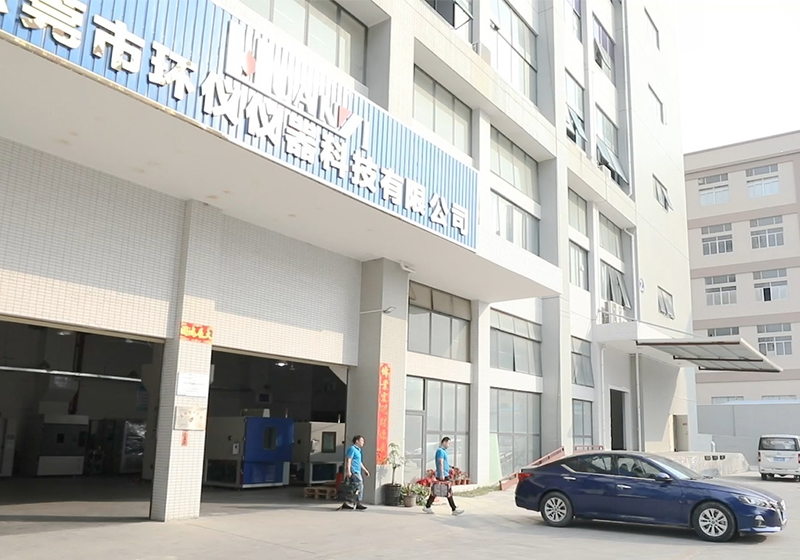
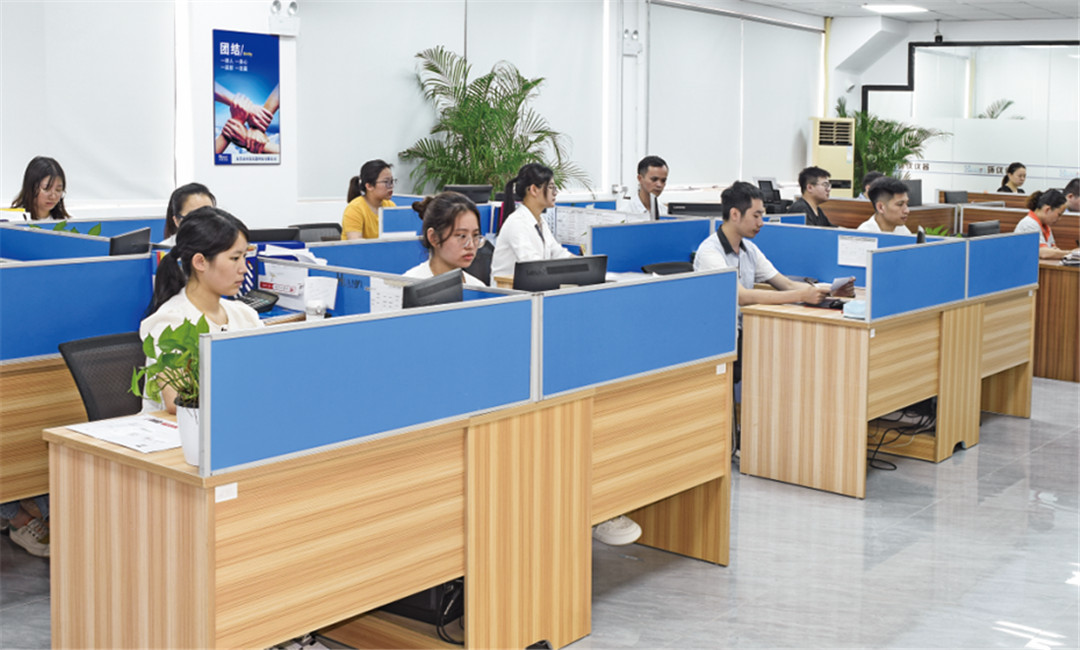
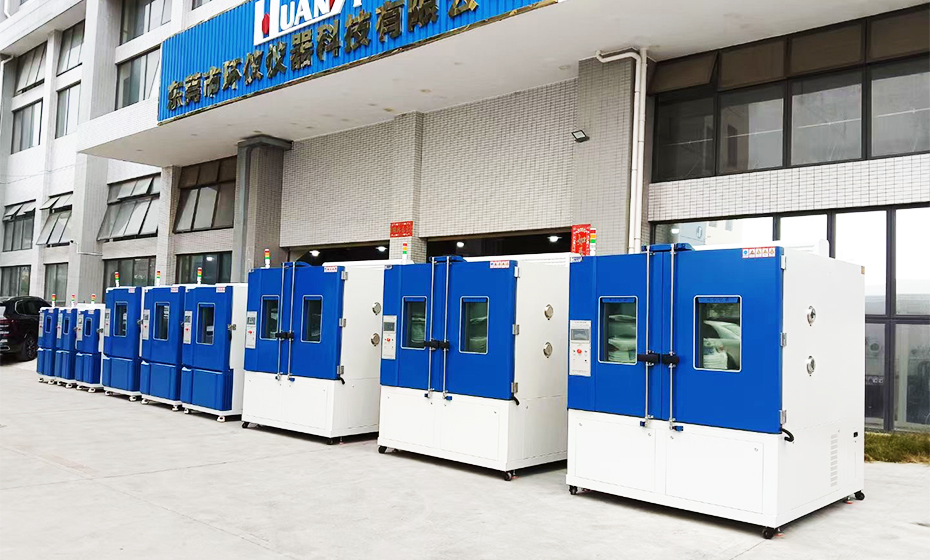
Dongguan Huanyi Instruments Technology Co., Ltd. was established on March 20, 2007, covering an area of 6,022 square meters. It is a high-tech enterprise integrating R&D, production, sales and after-sales service. It participated in the drafting of national standards and industry standards for environmental simulation test equipment.
Our philosophy is "customer-centric, quality-guaranteed, honesty-based, and innovation-oriented". Through unremitting efforts, Huanyi has cultivated a high-quality team with rich production, R&D and management experience. With the persistent efforts of all staff, our products have been selling to Southeast Asia, Europe, the United States, the Middle East and other regions, and have gotten good feedback from customers.
Since its establishment, we have accumulated more than 2,500 customers, and the products have won unanimous praise. Besides, the company has been providing customers with the "most competitive" products, continuously introducing international advanced technologies, learning from others and integrating them to meet the demanding requirements of aerospace and defense testing.
Contact us

To truly understand the value of an Environmental Test Chamber For Aerospace Altitude Simulation Testing, one must examine the specific, high-stakes scenarios where this equipment is deployed. The applications extend far beyond simple depressurization; they involve complex interactions between pressure, temperature, and electrical systems.
Modern aircraft and spacecraft rely heavily on complex avionics and high-power computing systems. On Earth, these systems are typically cooled by convective heat transfer—fans blowing dense air over heat sinks. However, at 30,000 feet, the air is incredibly thin, and its capacity to carry away heat drops dramatically. In the vacuum of space, convective cooling is non-existent. Altitude simulation chambers allow engineers to test avionics at specific pressure altitudes (e.g., 10 Torr or lower) while simultaneously applying thermal loads. This ensures that critical flight computers will not overheat and fail when the aircraft reaches cruising altitude, verifying the efficacy of conductive cooling paths and liquid cooling loops.
When materials (such as plastics, adhesives, potting compounds, and lubricants) are exposed to the low-pressure environment of high altitudes or space, they can undergo outgassing. This is the release of volatile organic compounds (VOCs) and trapped gases. In a satellite, these outgassed molecules can condense on sensitive optical lenses, solar panels, or thermal control surfaces, severely degrading the mission's performance. Altitude and vacuum test chambers are used to bake out these materials and measure their mass loss, ensuring they meet strict NASA and ESA outgassing criteria (like TML and CVCM limits). Additionally, rapid depressurization testing evaluates whether trapped air within structural honeycomb panels will cause them to expand and rupture during a rocket launch.
According to Paschen's Law, the breakdown voltage of a gas is a function of pressure and gap length. At specific high altitudes (often between 50,000 and 150,000 feet), the dielectric strength of air reaches a minimum. This creates a severe risk of corona discharge and electrical arcing in high-voltage aerospace systems, such as satellite power buses or electric propulsion systems. Environmental test chambers are utilized to simulate these specific "danger zones" in the pressure profile. Engineers power up the equipment inside the chamber to verify that electrical insulation is sufficient to prevent catastrophic short circuits during the vehicle's ascent through the atmosphere.
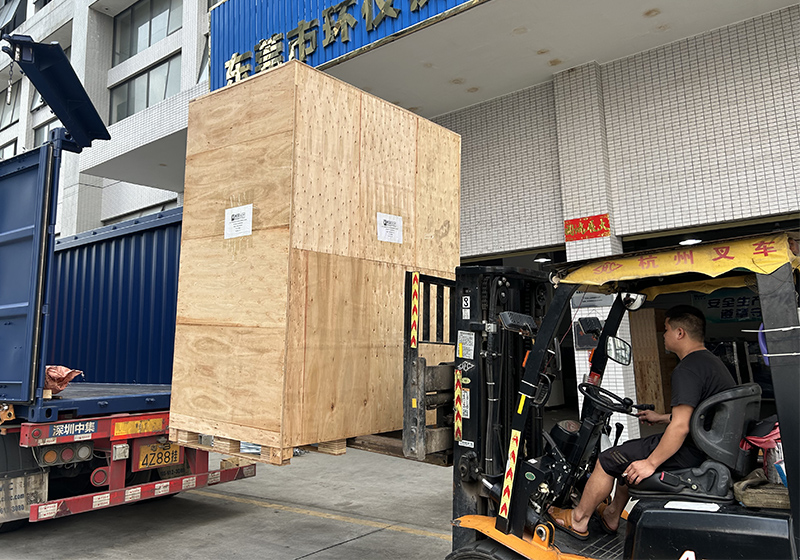
From initial consultation to final deployment, our processes are designed to meet the rigorous demands of aerospace environmental simulation.
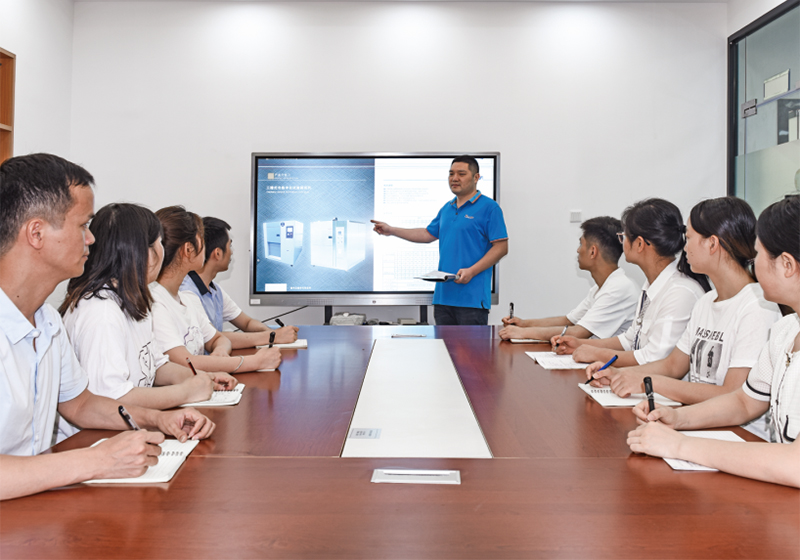
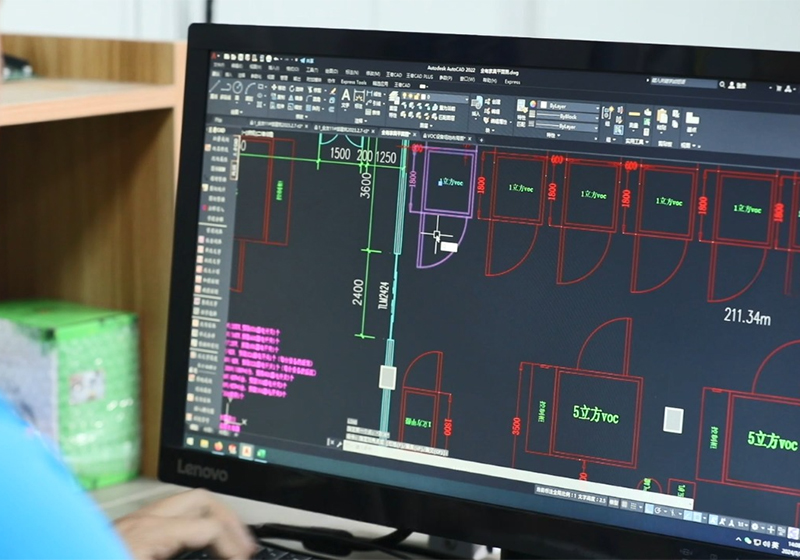
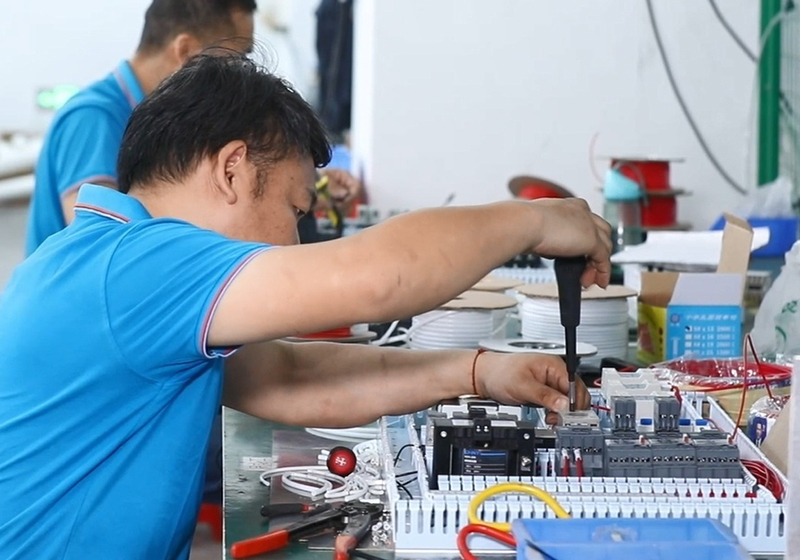
As aerospace technology leaps forward, the testing equipment must evolve in tandem. The next generation of Environmental Test Chambers is heavily influenced by Industry 4.0, Artificial Intelligence (AI), and the Internet of Things (IoT). The traditional approach of manually programming temperature and pressure profiles is being replaced by intelligent, data-driven simulation environments.
AI-Driven Predictive Maintenance: In high-stakes aerospace testing, a failure of the test chamber itself can ruin a multi-million-dollar prototype. Modern altitude chambers are now being equipped with AI algorithms that monitor the vibration of vacuum pumps, the efficiency of refrigeration compressors, and the integrity of door seals in real-time. By analyzing this telemetry data, the AI can predict mechanical failures before they occur, scheduling maintenance during downtime and ensuring zero interruption during critical long-duration thermal vacuum tests.
Digital Twins and Dynamic Testing Profiles: The integration of "Digital Twin" technology is revolutionizing altitude simulation. Instead of running a static test profile, engineers can now feed real-time flight data from a virtual aircraft directly into the test chamber's control system. If the digital twin encounters a simulated storm or an evasive maneuver that alters altitude and temperature, the physical test chamber dynamically adjusts its internal pressure and thermal loads to match. This AI-assisted closed-loop testing provides a level of fidelity previously impossible, ensuring that aerospace components are tested against realistic, unpredictable mission variables rather than just static baseline standards.
Furthermore, smart chambers now feature advanced energy management systems. Simulating extreme cold and deep vacuum requires immense power. AI controllers optimize the staging of cryogenic cooling and vacuum pumping, significantly reducing the carbon footprint and operational costs of aerospace testing facilities. This intersection of AI software and robust hardware represents the future of altitude simulation.
High Quality Control from every aspect of raw material, production, installation, and commission.
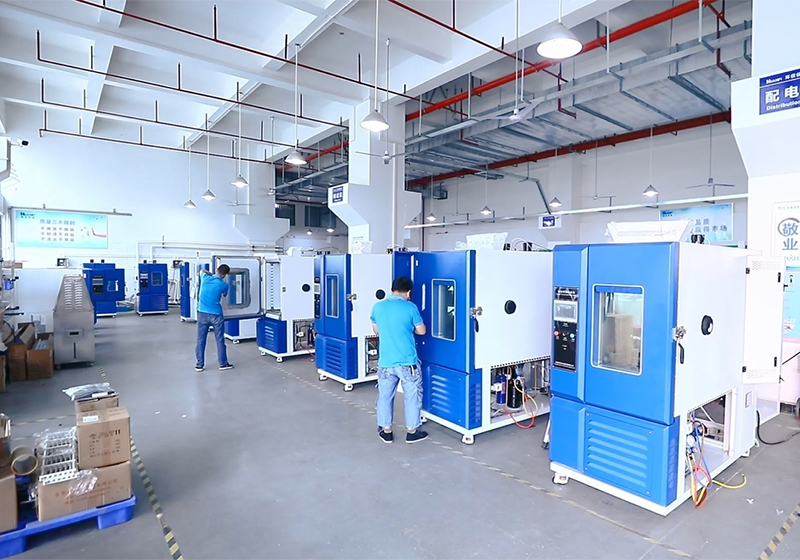
With more than 20 years of experience, we have professional production and R&D personnel. Huanyi can meet large-volume production orders at any time. Additionally, we use an ERP system to monitor the production process, ensuring timely delivery.
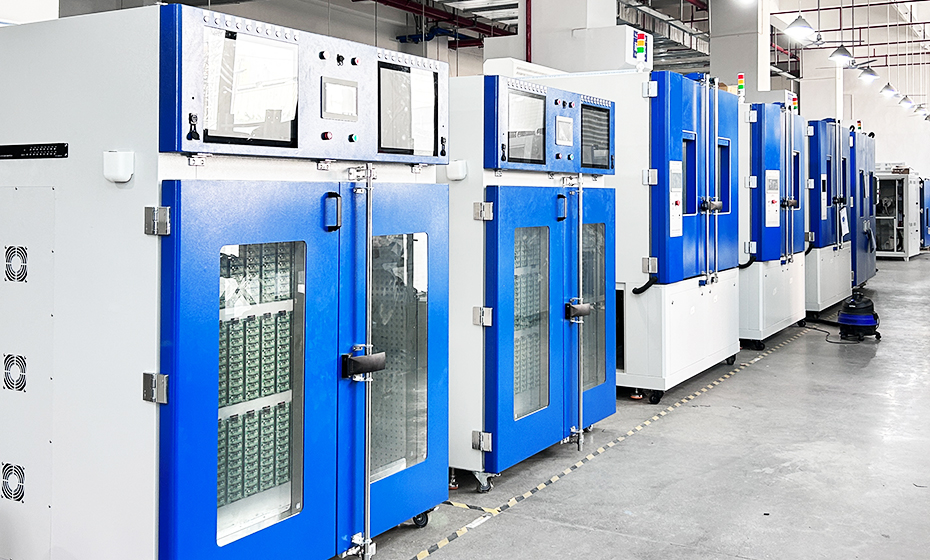
Modern equipment and superb process production including laser cutting panels and wood, ERP systems, production control systems, cutting automation, our advanced equipment can help us reduce waste.
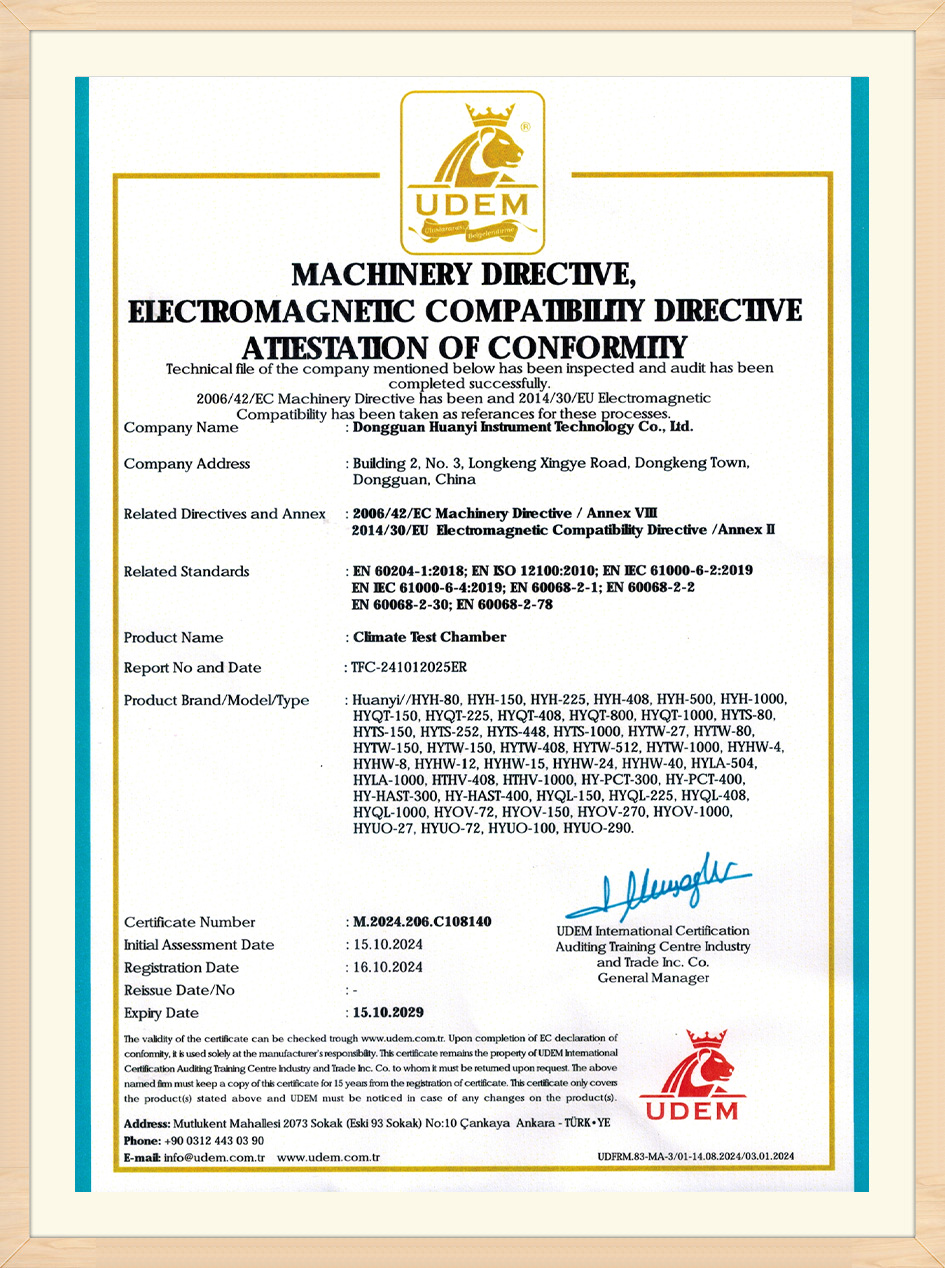
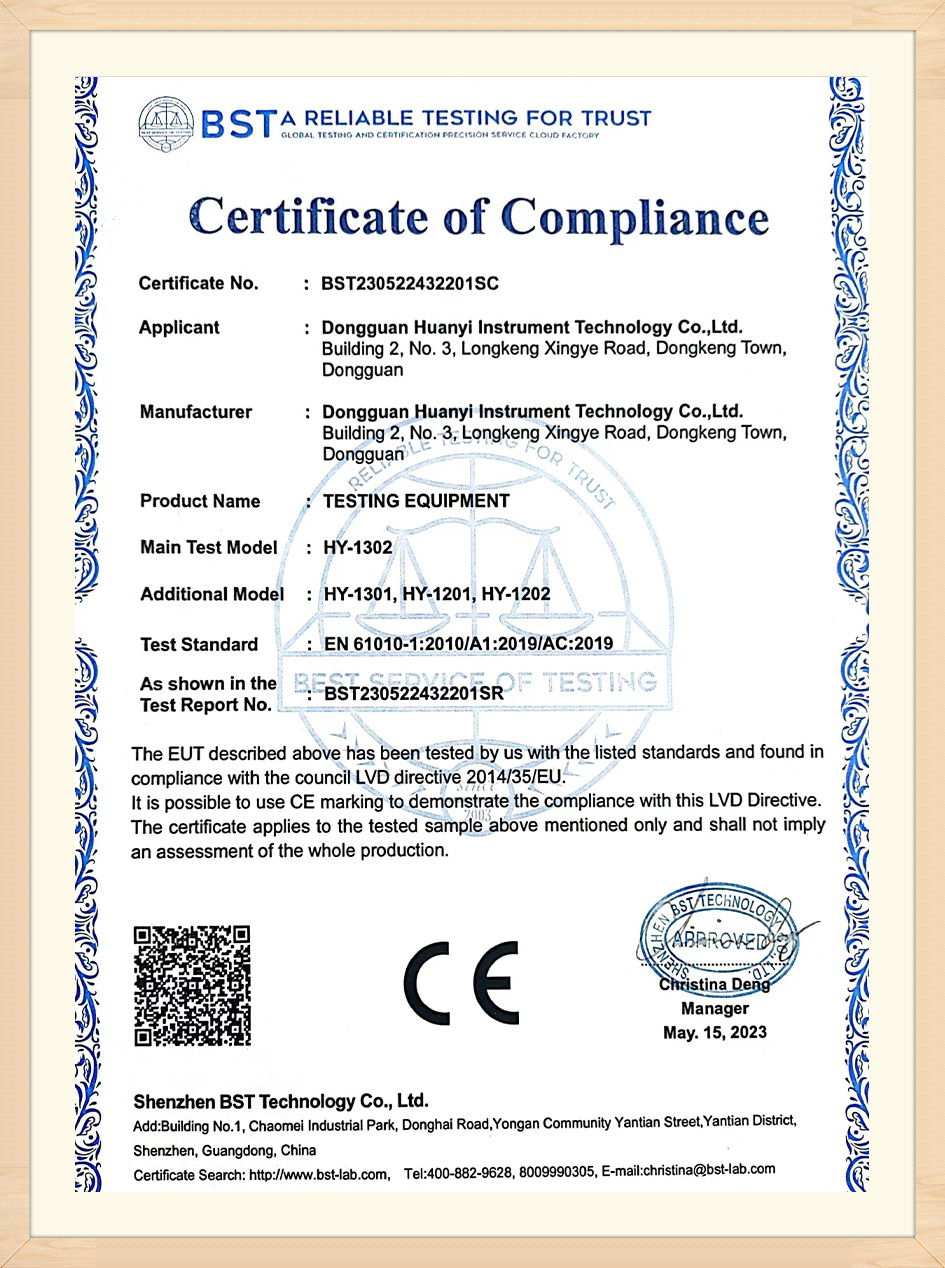
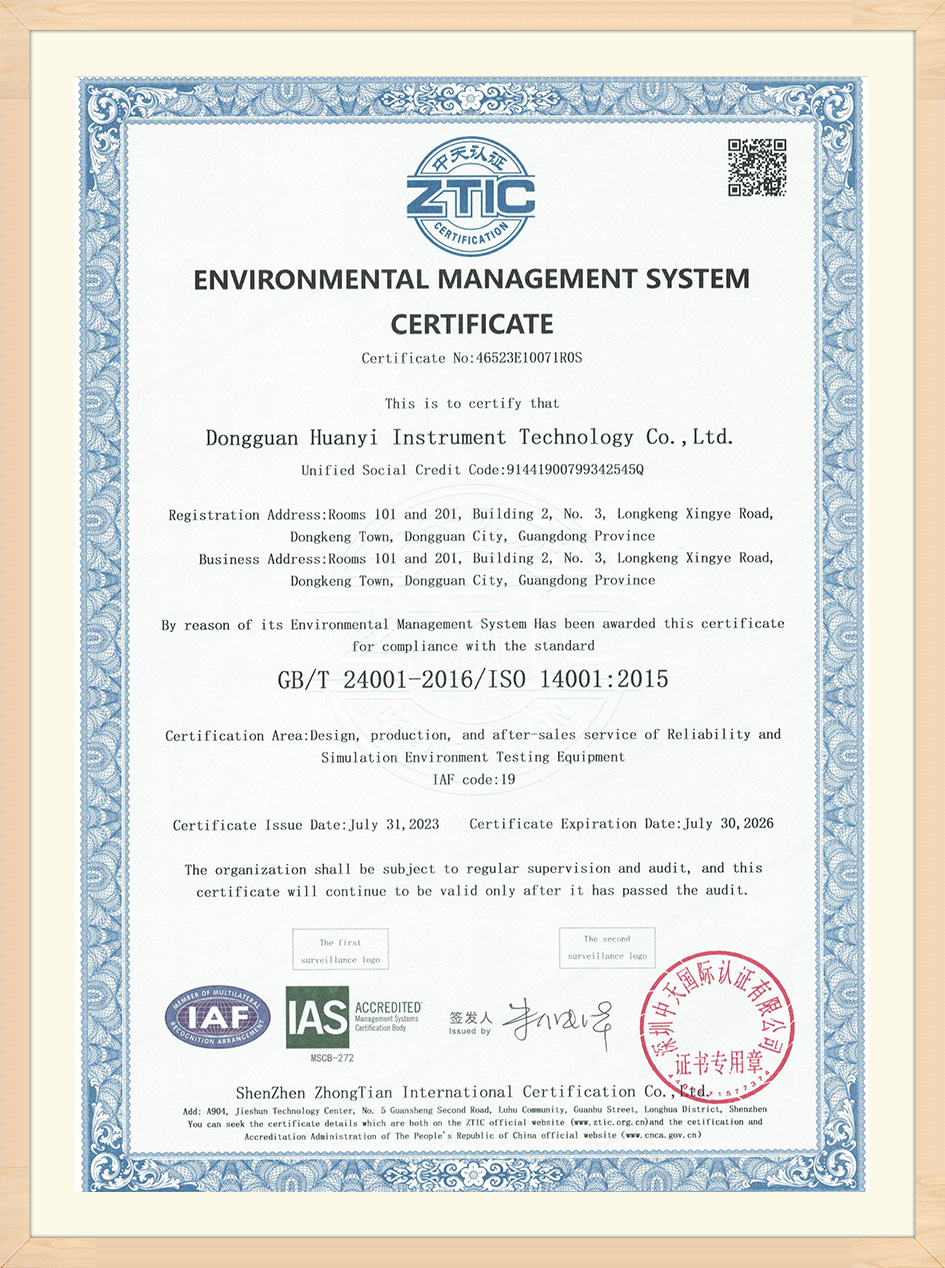
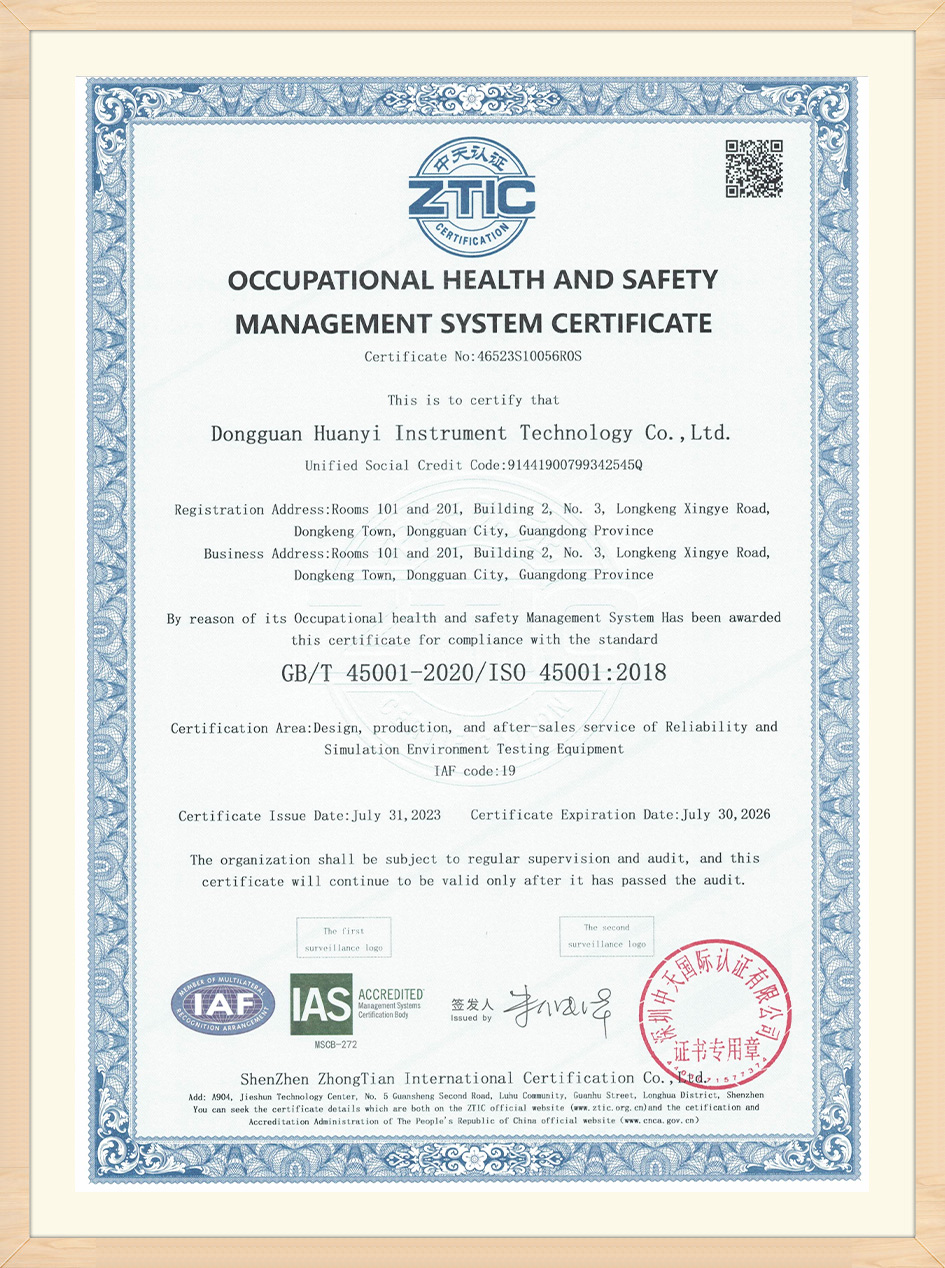
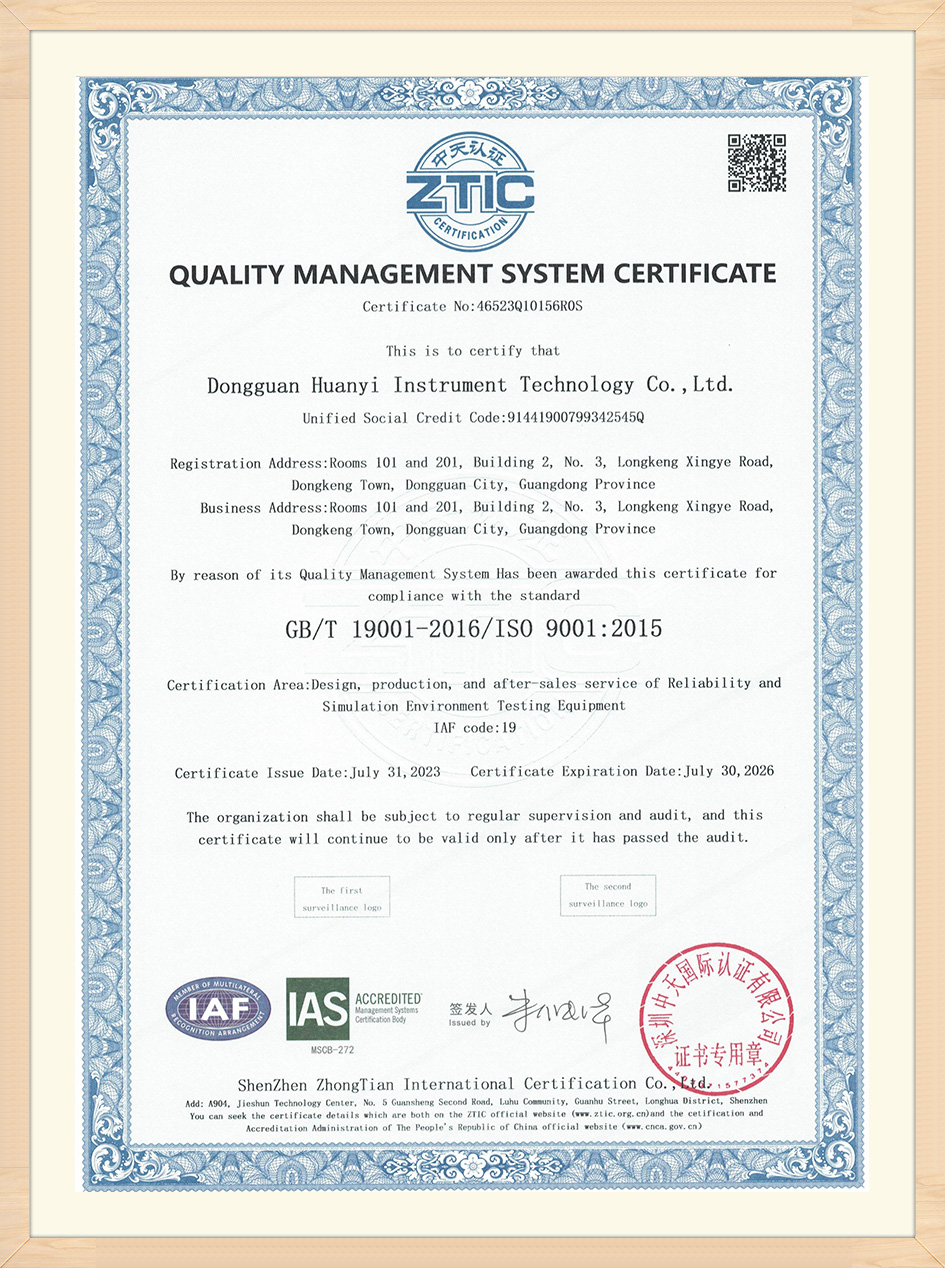
ISO 9001 factory manufacturing. Quality raw materials. Mature Technology and professional after-sales service.
The main components of all the company's products are made of internationally renowned brand components to ensure the quality and performance of the products. The company has strong independent innovation capabilities. In recent years, it has fully realized product upgrades and launched new domestically advanced test instruments, which have been widely praised by users at home and abroad.
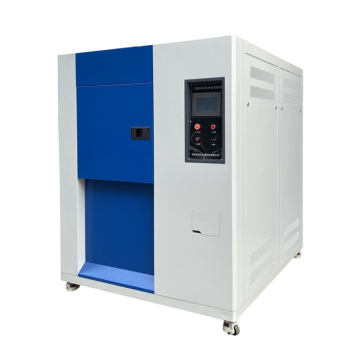 Air to Air Thermal Shock Chamber
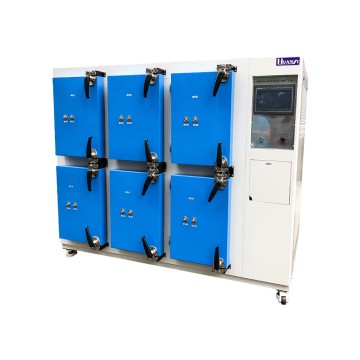 Six Barrels VOC Emission Test Chamber
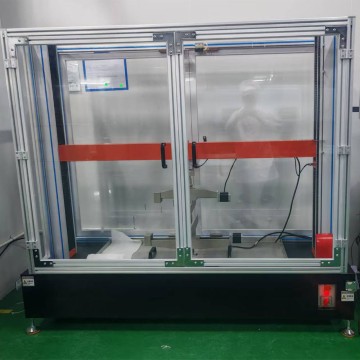 Glass screen four-point bending test machine
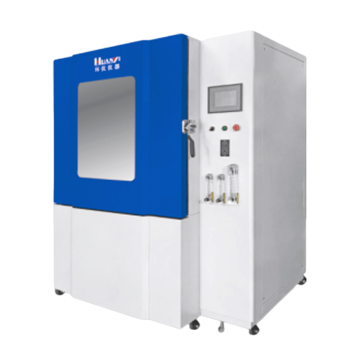 Rain Test Chamber Water Shower Test Chamber
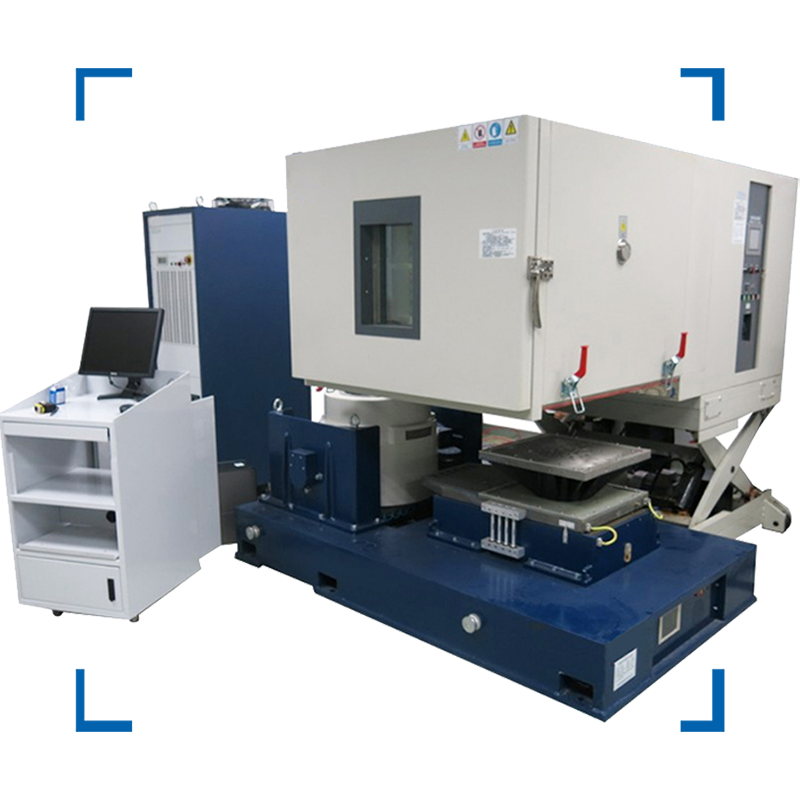
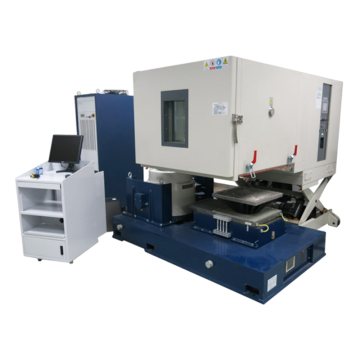 Temperature Humidity and Vibration Interation Test System
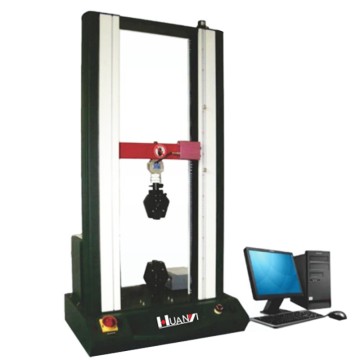 Tensile Strength Tester Tensile Test Machine
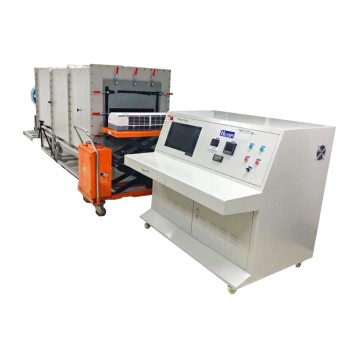 Air volume test bench / fan power performance test bench
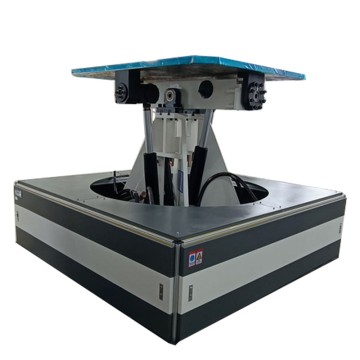 Tilt and Swing Test Bench