



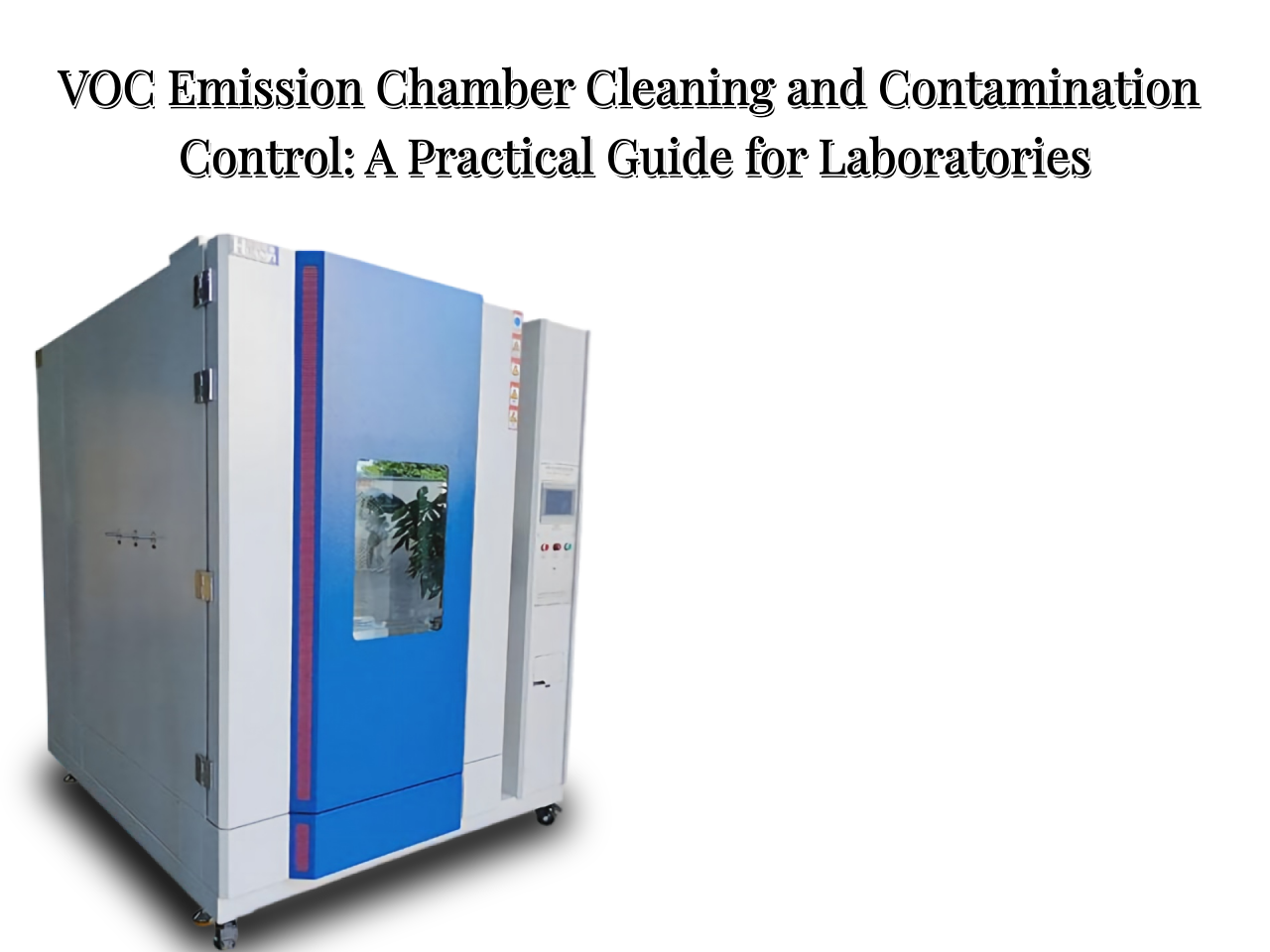
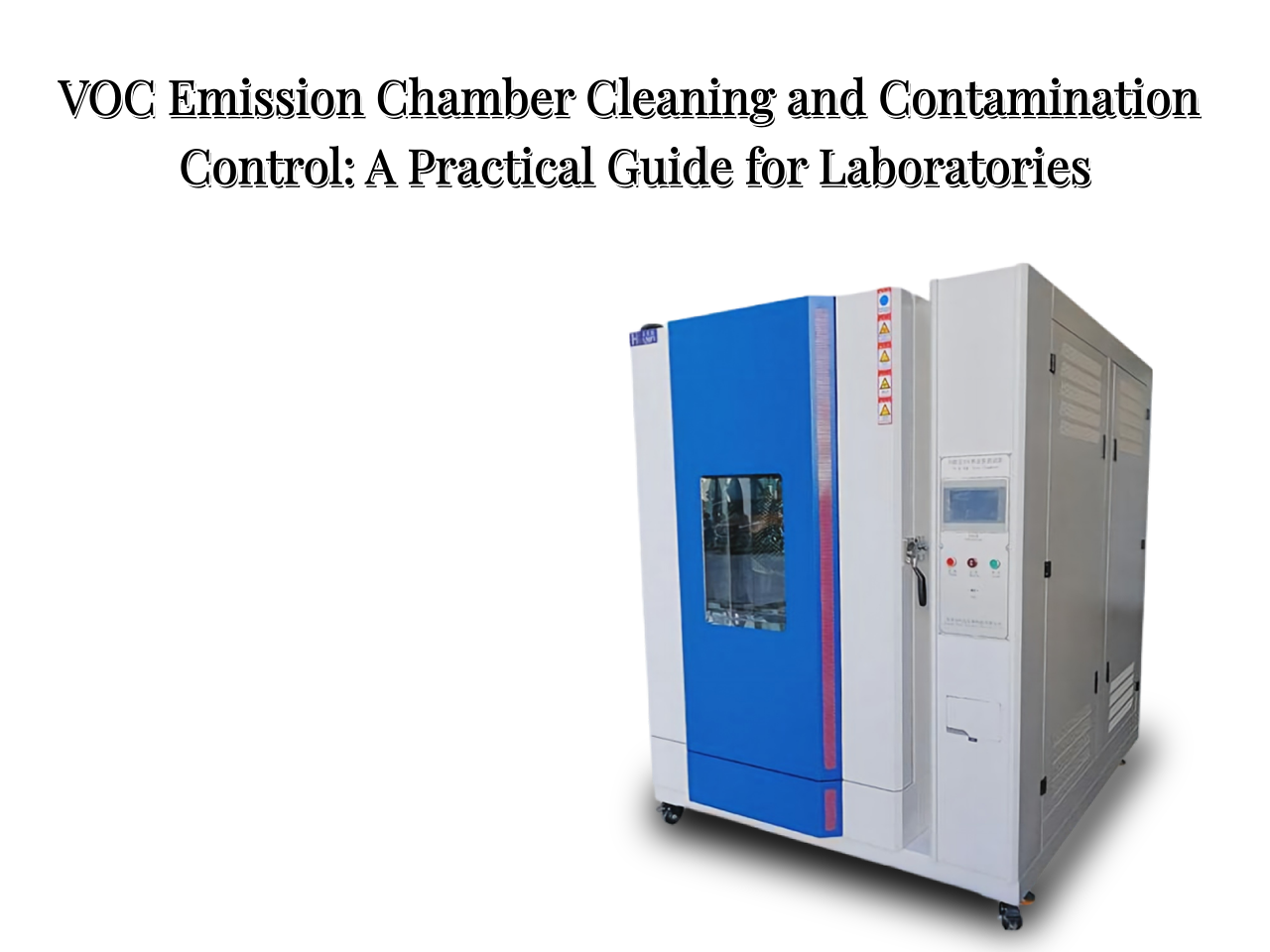
7 Technical Parameters to Evaluate When Choosing a VOC Emission Test Chamber
Introduction
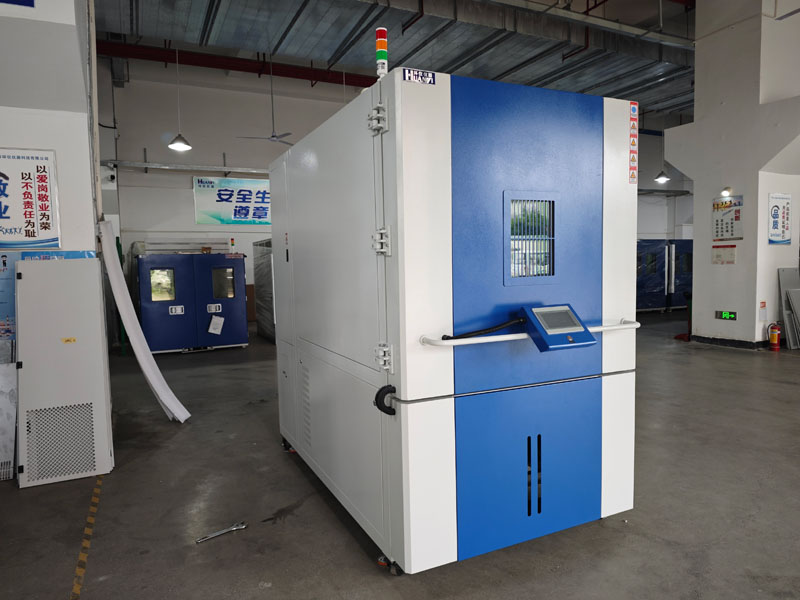
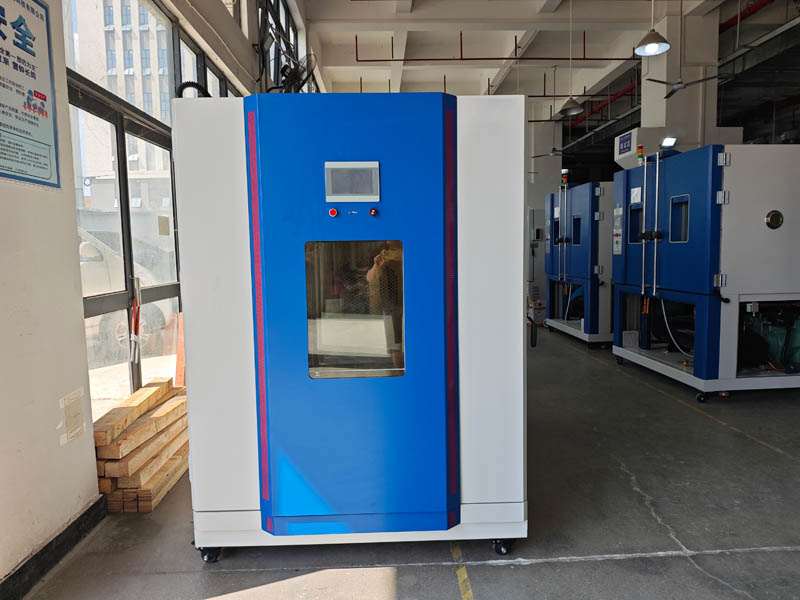
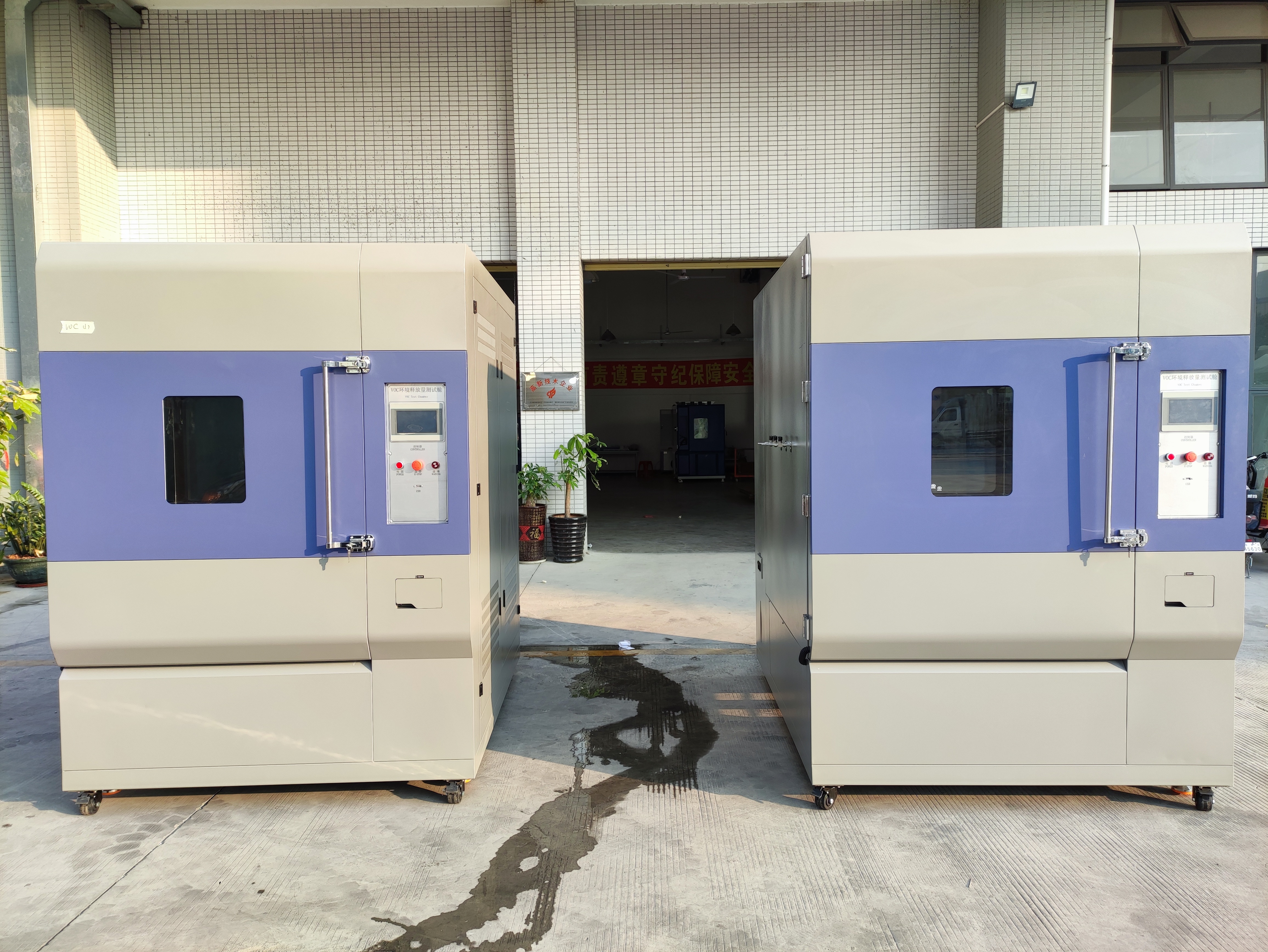
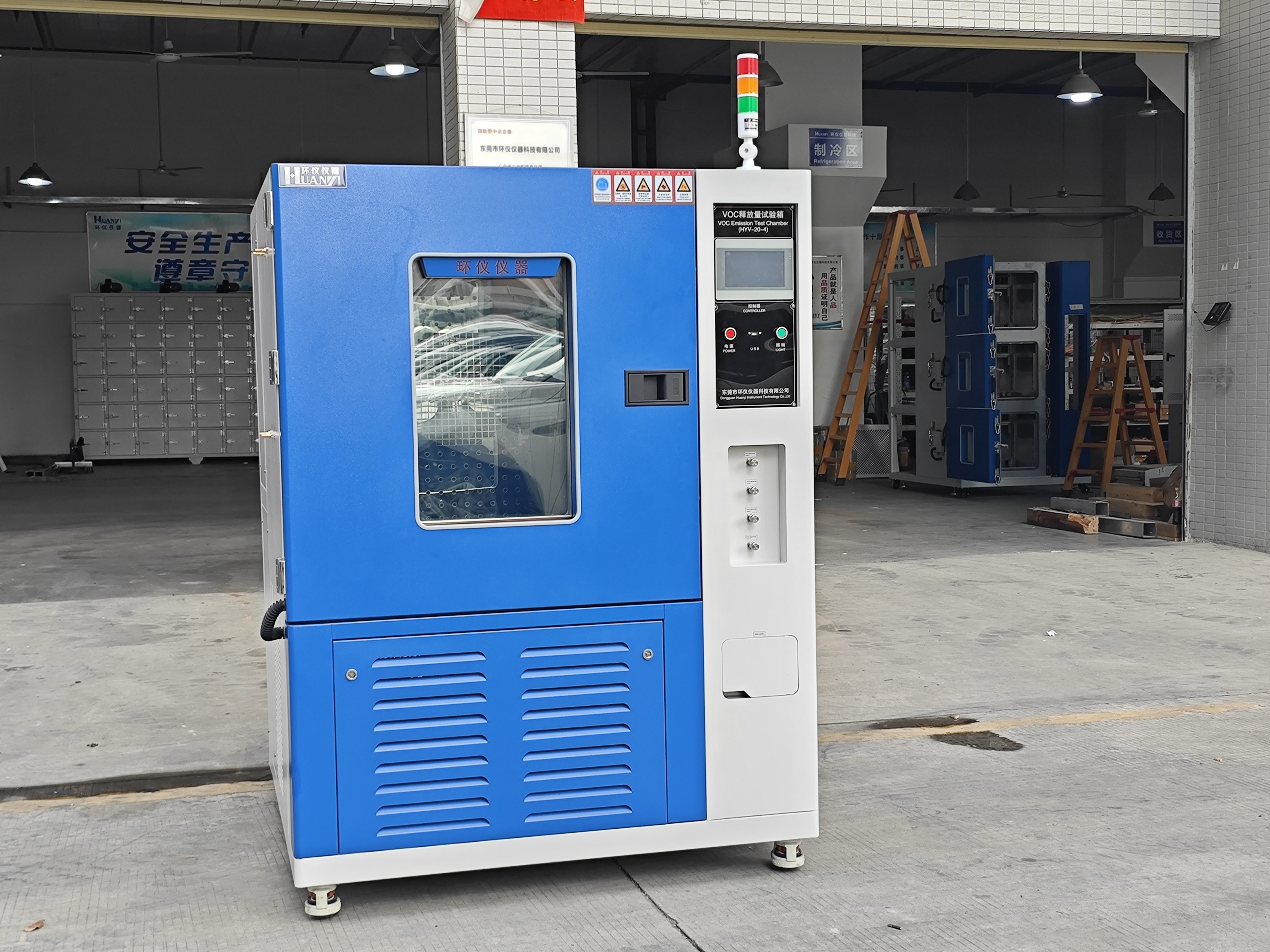
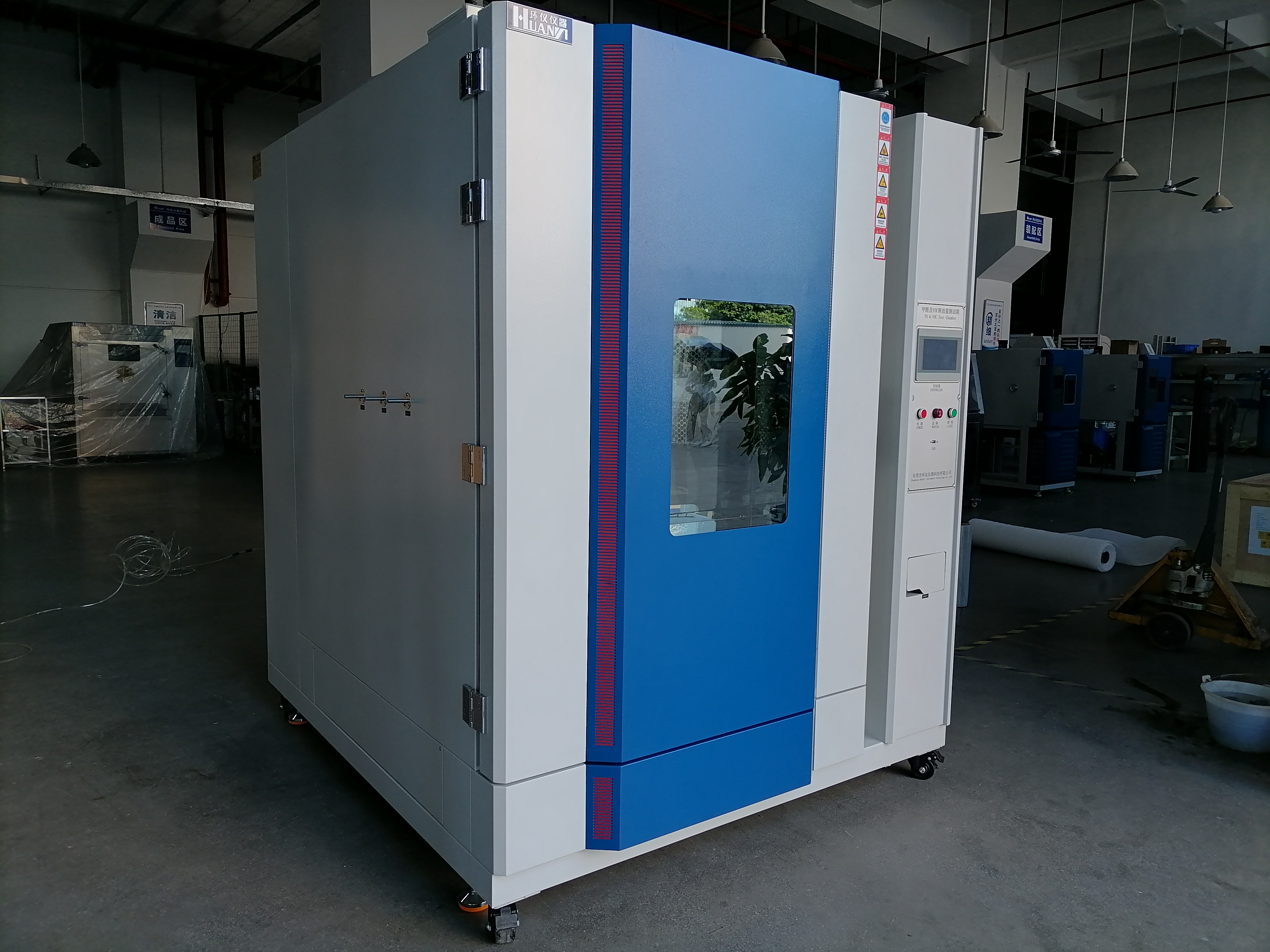
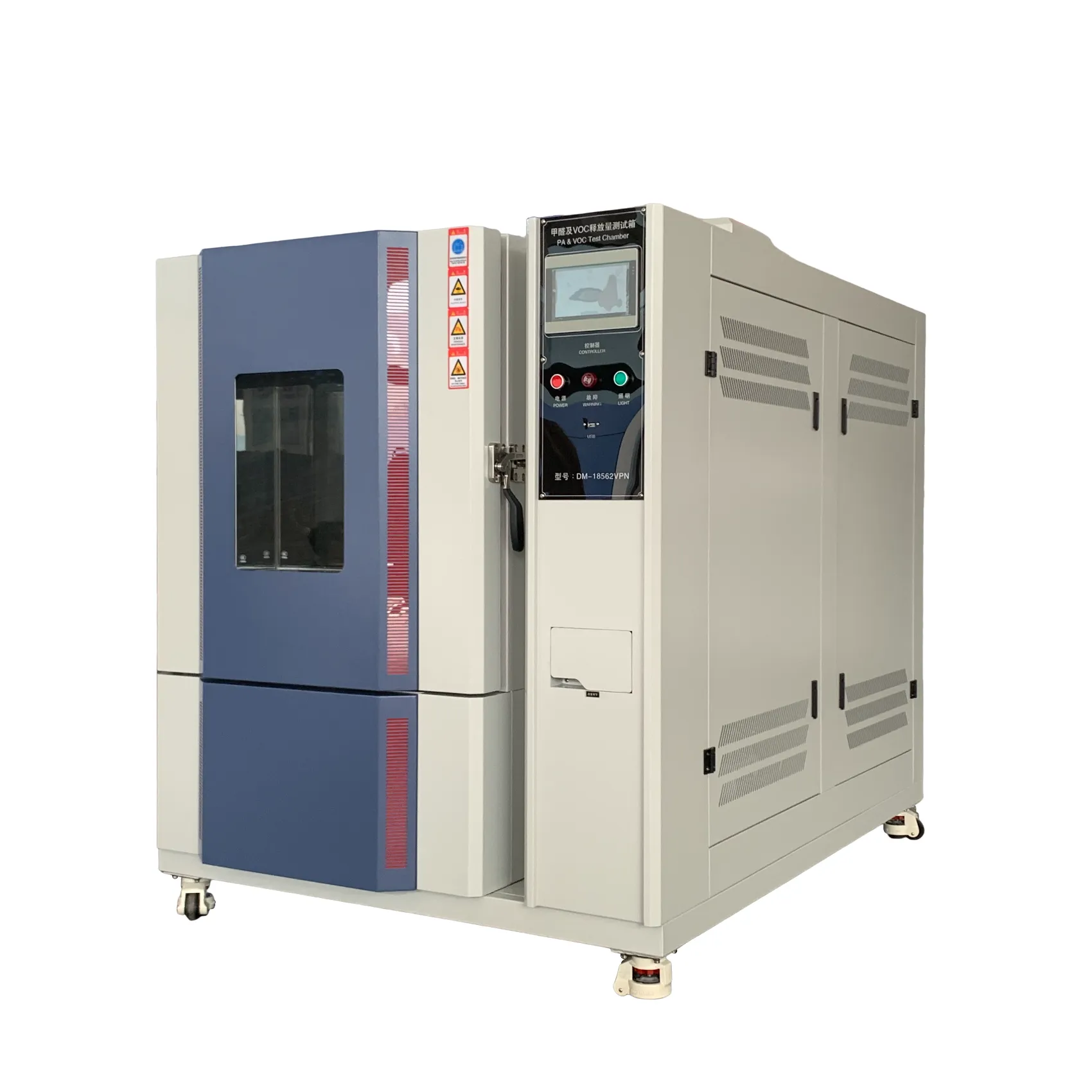
Voc Emission Test Chamber is designed to evaluate volatile organic compounds released from materials under controlled environmental conditions. It is used in building material research, furniture testing, product quality control, and indoor air quality studies.
However, choosing a suitable chamber involves more than comparing its volume or temperature range. Parameters such as airflow, background concentration, airtightness, internal air mixing, and sampling compatibility can all affect the reliability of test results.
The following seven considerations can help laboratories and manufacturers assess VOC chamber for their applications.
1. Chamber Volume and Specimen Capacity
The chamber volume should match the intended specimen size, exposed surface area, and test method. ISO 16000-9:2024 defines the relationship between specimen loading, free chamber volume, and airflow as important factors in emission testing.
A chamber that is too small for the intended specimen may not represent the required test conditions. Conversely, selecting a larger chamber without considering specimen loading and airflow can also affect test design.
Before purchasing, confirm the usable internal volume, specimen dimensions, mounting arrangement, and the range of loading factors supported by the system.
2. Temperature Control
Temperature influences the release of VOCs from many materials. A chamber should therefore maintain the temperature required by the selected test method throughout the test period.
When evaluating temperature performance, consider the operating range, stability, uniformity, sensor accuracy, and calibration arrangements. Ask whether temperature is continuously recorded and whether the system can provide relevant verification data.
The appropriate temperature depends on the testing objective and applicable standard; it should not be selected solely from a manufacturer's maximum or minimum rating.
3. Relative Humidity Control
Relative humidity can influence the emission behavior of certain materials and the partitioning of some chemical compounds. A chamber may therefore require controlled humidification and reliable humidity measurement.
Confirm the available humidity range, control stability, measurement accuracy, and monitoring capability. Humidification components should also be considered in relation to chamber cleanliness and potential contamination.
Temperature and humidity should be evaluated together because the required test environment is defined by the complete test procedure.
4. Airflow Accuracy and Air Exchange Rate
Airflow is a key factor in calculating area-specific emission rates. ISO 16000-9:2024 specifies continuous airflow control with an accuracy of ±5% at a fixed value.
The chamber should maintain the required airflow during operation, and the system should support verification of the actual flow conditions. Air exchange rate and area-specific airflow should be considered alongside specimen surface area and chamber volume.
A displayed flow setting alone is not sufficient evidence of performance; calibration and verification records are valuable during acceptance.
5. Background VOC Concentration
Contaminants from supply air, chamber surfaces, seals, or internal components may contribute to measured concentrations. Background testing helps identify these influences before a specimen is evaluated.
Ask about clean-air preparation, chamber cleaning procedures, blank testing, and the method used to document background concentrations. Requirements should be established according to the target compounds and test method.
Low background performance depends on the complete system, not only on the material used for the chamber walls.
6. Airtightness and Internal Air Mixing
Uncontrolled leakage can affect chamber pressure, airflow, and contamination levels. Internal air mixing is equally important because outlet samples should represent the chamber air under the specified test conditions.
Check how airtightness is verified and how airflow distribution or mixing performance is assessed. Door seals, sampling ports, pipe connections, and internal components should be included in the evaluation.
7. Sampling and Analytical Compatibility
Voc Chamber is only one part of the measurement system. The sampling arrangement must be compatible with the analytical method, target compounds, sampling flow, and reporting requirements.
Confirm the number and location of sampling ports, the materials used in sampling lines, and compatibility with the laboratory's analytical equipment. ISO 16000-6 addresses relevant VOC sampling and analytical procedures, while ISO 16000-11:2024 covers specimen sampling, storage, and preparation.
Conclusion
The right VOC Emission Test Chamber should match the target application, test standard, specimen requirements, and laboratory workflow. A structured technical review of these seven parameters can help purchasers compare equipment on measurable performance rather than specifications alone.
Before final selection, request the applicable technical documentation and clarify which parameters can be verified during factory acceptance, installation, or laboratory qualification.
Reference: ISO 16000-9:2024