


Analysis of GR-468-CORE Reliability Requirements for Optical Modules and Engineering Applications of Temperature Humidity Test Chambers
In high-speed optical communication systems, optical modules serve as the core optoelectronic conversion units; their reliability directly impacts the long-term, stable operation of network equipment. The Telcordia GR-468-CORE standard provides a systematic framework for the reliability design and verification of optoelectronic devices, specifying clear requirements regarding environmental stress, damp-heat aging, and long-term stability.
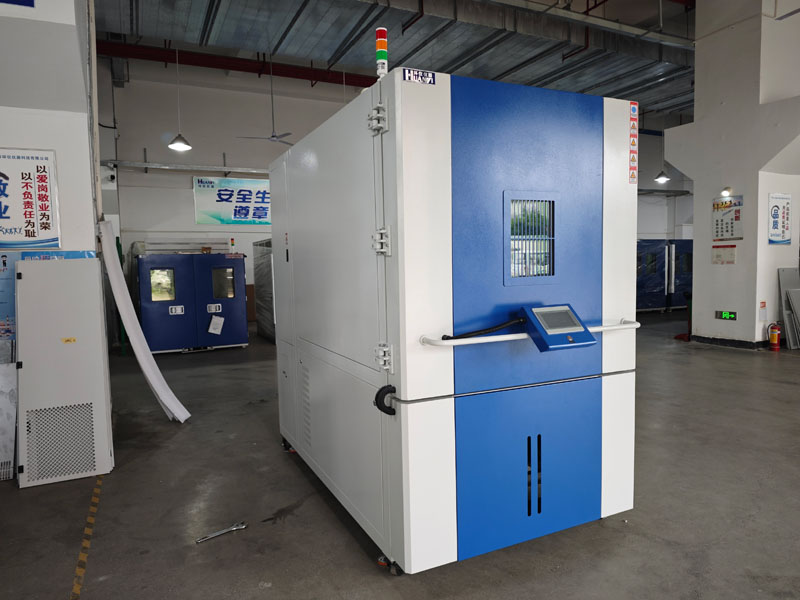
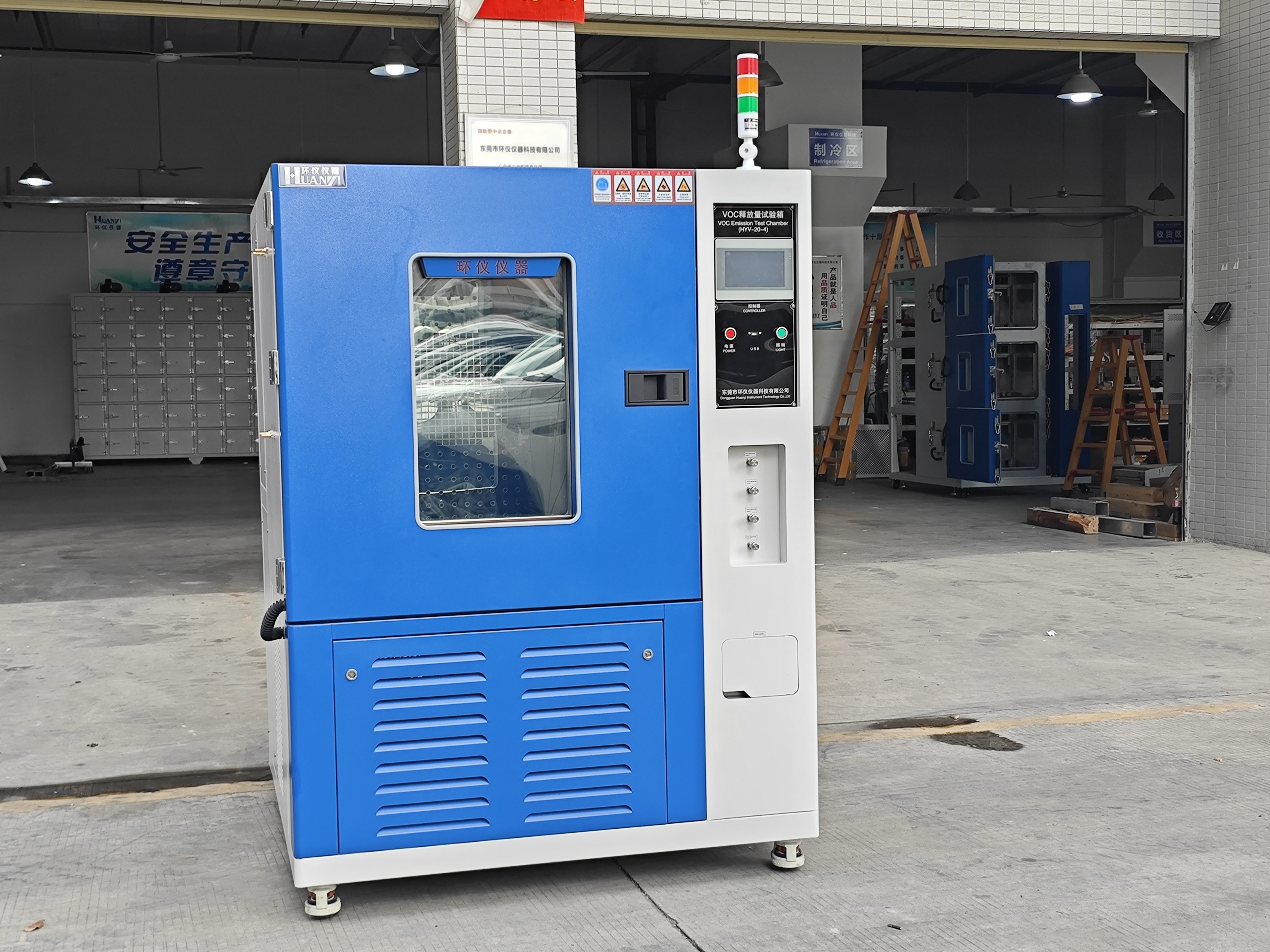
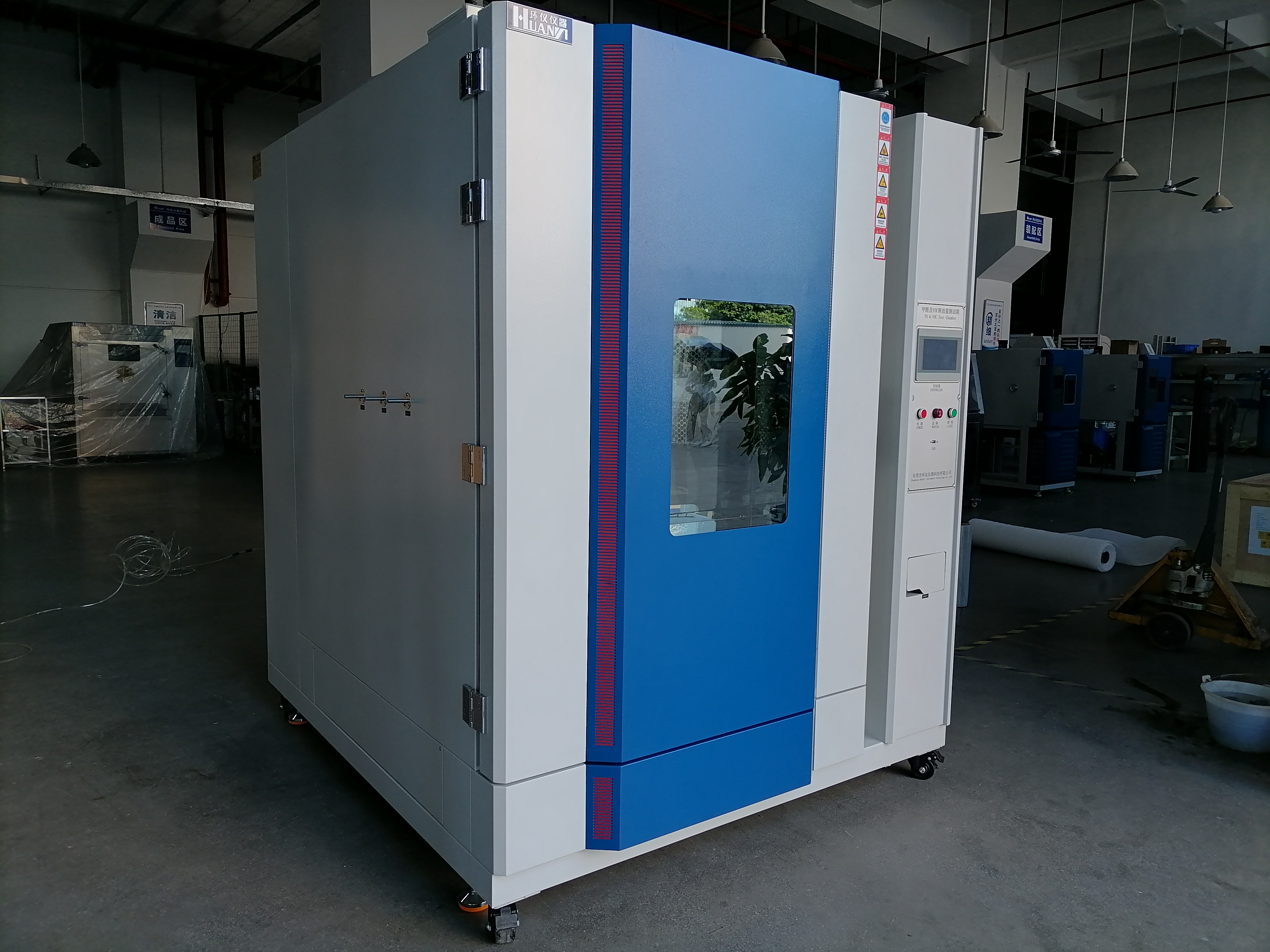
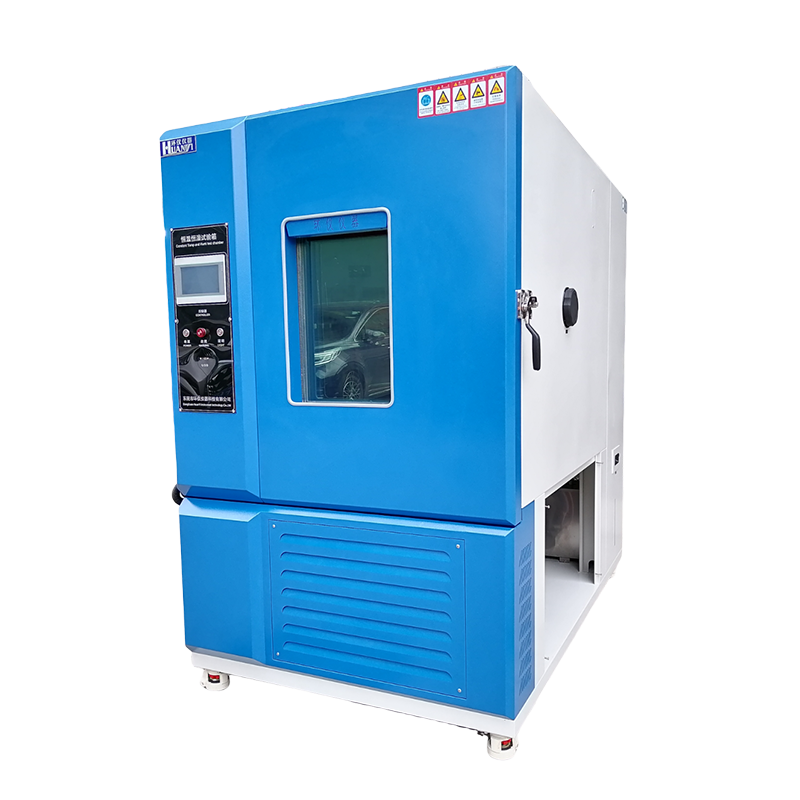
In practical engineering verification, the constant temperature and humidity chamber is a critical piece of equipment for meeting GR-468 environmental stress requirements, serving as the essential link between "standard requirements" and "reliability verification."
I. Core Requirements of GR-468-CORE for Optical Module Reliability
GR-468-CORE establishes a comprehensive reliability framework covering design, materials, manufacturing processes, and validation testing. For optical modules, the core focus lies in the following three areas:
1. Requirements for Long-term Material and Packaging Stability
Optical modules are composed of various dissimilar materials, including:
III-V laser chips
Ceramic or metal submounts/bases
Epoxy-based packaging materials
Fiber coupling structures
The standard mandates that materials maintain stability during long-term operation, with a specific focus on controlling:
Hygroscopic swelling and performance drift
Organic outgassing
Metal corrosion and ion migration
The fundamental objective is to prevent optical performance degradation caused by "chronic contamination" within the package.
2. Design Requirements for Thermomechanical Reliability
Due to significant differences in the coefficients of thermal expansion (CTE) among internal materials, GR-468 emphasizes the need to control:
CTE matching between the chip and the substrate
Solder joint thermal fatigue life
Structural stability under temperature cycling
Primary failure modes include:
Solder joint fatigue cracking
Optical axis misalignment
Output power drift
This aspect directly determines the reliability limits of the optical module in environments subject to long-term temperature fluctuations.
3. Requirements for Environmental Stress Validation (Core Testing Framework)
GR-468 defines a series of standardized environmental reliability tests; key items related to heat and humidity include:
High temperature and high humidity (85°C / 85% RH)
High-Temperature Operating Life (HTOL) tests
These tests are designed to verify the long-term stability of the devices in real-world telecommunications environments.
II. Engineering Role of Constant Temperature and Humidity Test Chambers in GR-468
The constant temperature and humidity test chamber is the core equipment for conducting GR-468 environmental reliability verification; it is indispensable, particularly for damp-heat and temperature cycling tests.
Its role can be understood at three levels:
1. Simulating Real-World, Complex Operating Environments
In actual applications, optical modules may be exposed to:
High-temperature equipment room environments
High-humidity coastal environments
Outdoor scenarios with frequent temperature fluctuations
By precisely controlling parameters—such as temperature range (e.g., -40°C to +85°C) and humidity range (20% to 98% RH)—and maintaining stable operation over extended periods, the chamber achieves a high-fidelity simulation of real-world environments.
Essence: Transforming the "uncertainty of field environments" into "repeatable experimental conditions."
2. Executing Key GR-468 Reliability Tests
Within the GR-468 framework, the constant temperature and humidity test chamber primarily handles the following testing tasks:
(1) High-Temperature, High-Humidity Aging (85/85 Test)
Temperature: 85°C
Humidity: 85% RH
Duration: Hundreds to thousands of hours
Used to verify:
Package hermeticity
Material moisture resistance
Long-term optical power stability
(2) Temperature Cycling Test
Simulating thermal stress during rapid transitions between high and low temperatures:
Cycling between -40°C and +85°C
Used to evaluate:
Solder joint fatigue life
Optical axis stability
Structural reliability
(3) High-Temperature Operating Life (HTOL)
Accelerating aging under high-temperature conditions:
Exposing potential device failure mechanisms
Evaluating long-term drift trends
3. Accelerated Failure and Lifespan Assessment
The core value of the constant temperature and humidity test chamber extends beyond mere "environmental simulation"; crucially, it enables:
Exposing potential failure mechanisms through accelerated stress
Common accelerated failures in optical modules include:
Increase in laser threshold current
Optical power degradation
Decrease in photodiode (PD) sensitivity
Spread of internal package contamination
By applying constant temperature and humidity stress over an extended period, years of service life can be simulated within a short timeframe.
III. Closed-Loop System for Optical Module Reliability Engineering
Integrating GR-468 standards with the use of constant temperature and humidity test chambers enables the establishment of a comprehensive reliability closed-loop system:
1. Design Phase
Material selection
Thermal matching design
Optical structure design
2. Manufacturing Phase
Packaging process control
Contamination control
Soldering quality control
3. Verification Phase (Centered on Constant Temperature & Humidity Testing)
85/85 damp-heat test
Temperature cycling test
Aging/lifespan test
4. Failure Analysis Phase
Optical power drift analysis
Electrical parameter degradation analysis
Packaging structure failure analysis