


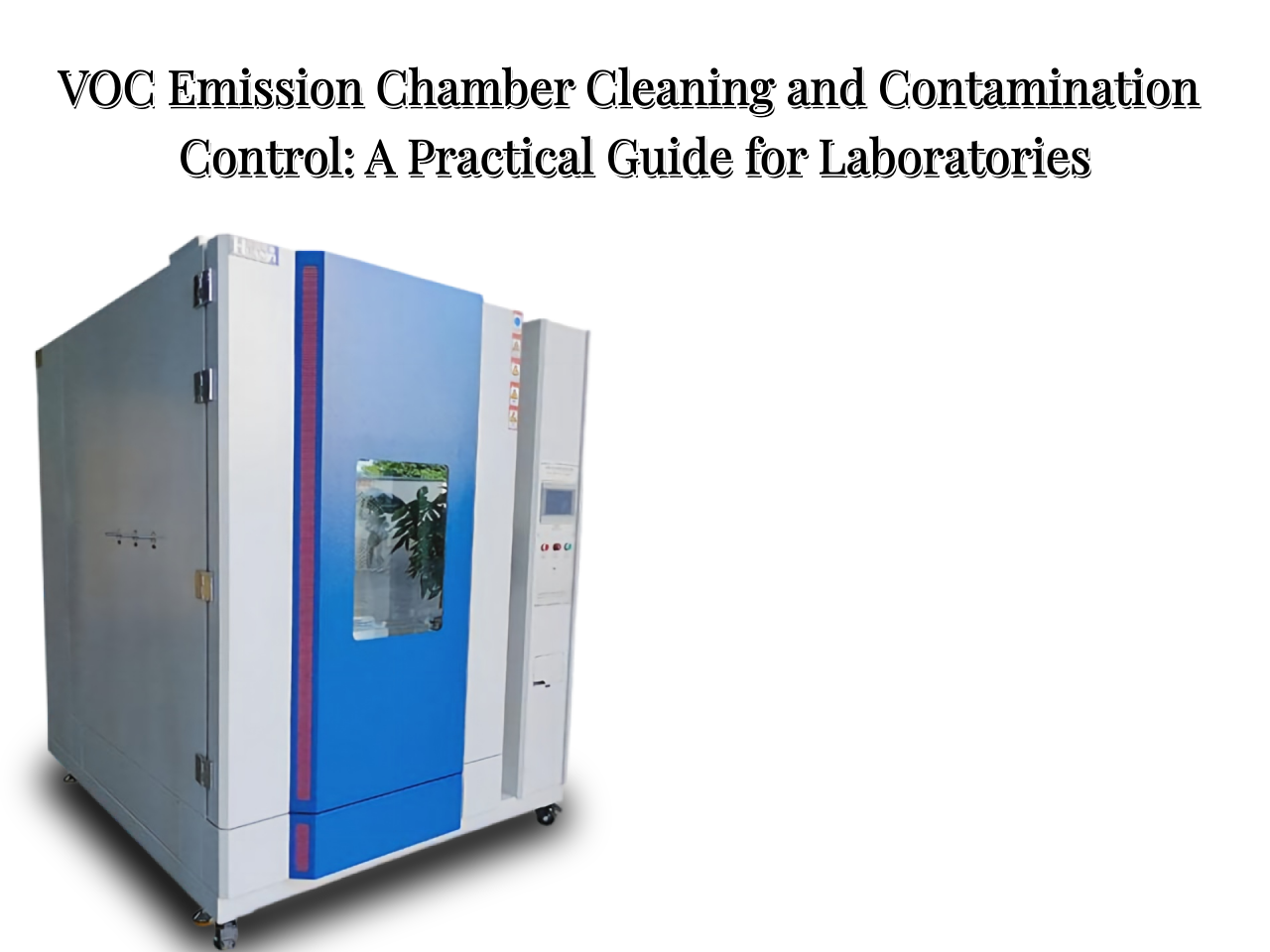
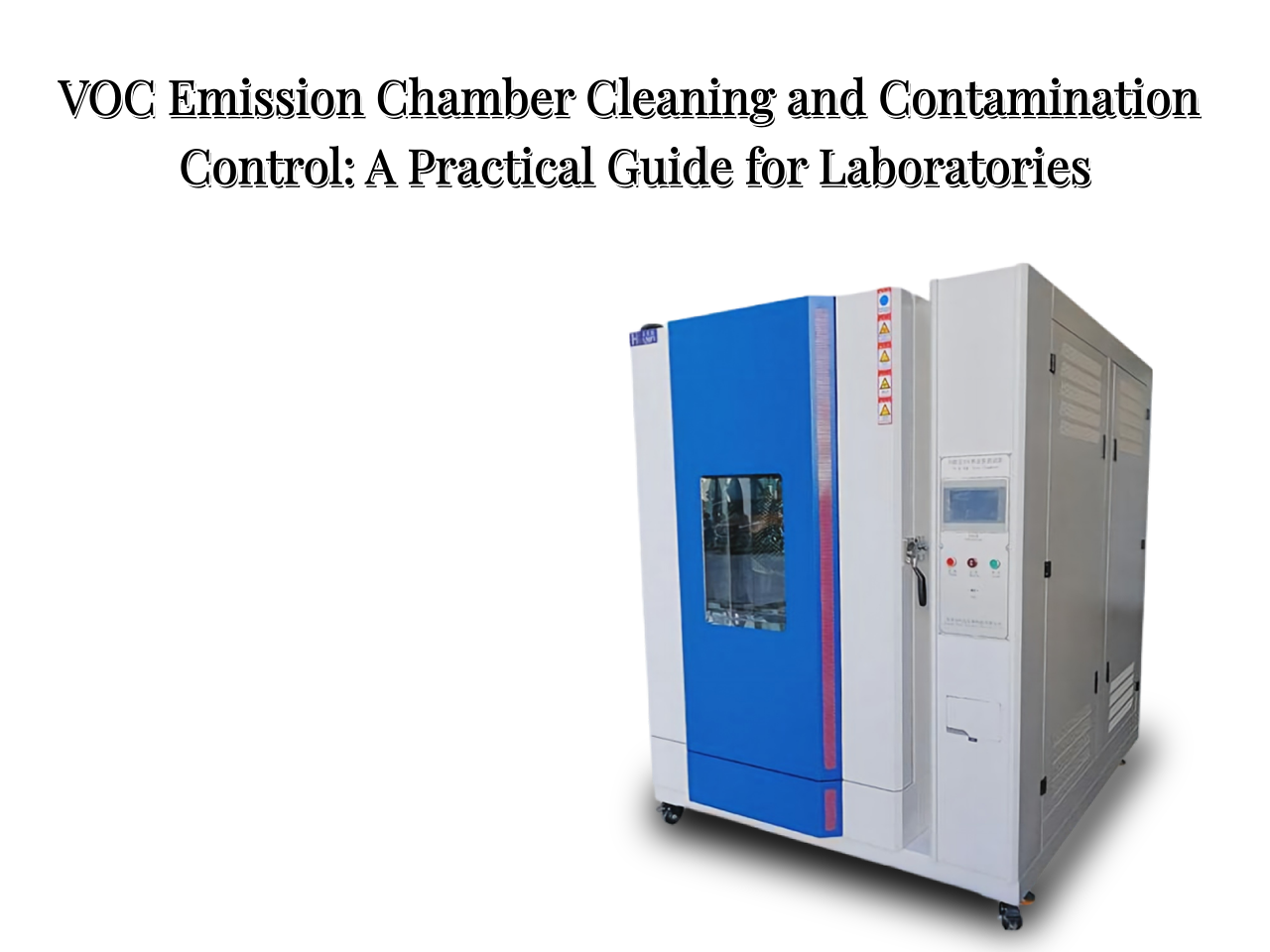
ASTM D5116-25: Understanding Small-Scale Environmental Chamber Testing for VOC Emissions
Introduction
Small-scale Environmental Chambers are widely used to investigate volatile organic compound(VOC) emissions from indoor materials and products. They allow laboratories to evaluate emissions under controlled conditions without necessarily testing an entire finished product or full-size assembly.
ASTM D5116-25 provides guidance on determining organic emissions from indoor materials and products using small-scale Environmental Test Chambers. It helps laboratories understand relevant equipment and testing considerations, but it is important to recognize that a standard guide is not the same as a mandatory, product-specific test method.
For manufacturers and laboratories, understanding the scope and limitations of small-chamber testing is essential when selecting equipment and interpreting results.
1. What Is ASTM D5116-25?
ASTM D5116-25 is titled *Standard Guide for Small-Scale Environmental Chamber Determinations of Organic Emissions from Indoor Materials/Products*.
Its scope covers the use of small-scale environmental chambers to measure organic emissions from indoor materials and products. The guide discusses techniques and considerations associated with chamber testing, including aspects that should be controlled and documented.
Unlike a detailed test method that prescribes a specific procedure for a particular product, D5116 is a guide describing available approaches. The appropriate testing protocol may depend on the material, study objective, and whether a more specific standard is applicable.
Laboratories should therefore review the guide alongside the requirements of the intended application rather than assuming it establishes one universal procedure for every product.
2. Why Use a Small-Scale Environmental Chamber?
A small chamber can provide a controlled environment for evaluating emissions from representative material specimens.
Potential applications include:
- Screening materials during product development
- Comparing formulations or material variants
- Investigating changes in emissions over time
- Supporting internal quality-control programs
- Generating emission data for further evaluation
For example, a manufacturer developing a new flooring material may use chamber testing to compare alternative formulations under defined conditions. The resulting data can help identify differences between the tested specimens.
However, the value of the comparison depends on controlling the relevant test variables and using an appropriate analytical method.
3. What Should Be Controlled During Testing?
Reliable chamber testing requires more than setting a temperature.
The laboratory should define the test conditions according to the applicable protocol. Relevant variables may include:
Temperature and relative humidity: These conditions can affect the release of compounds from materials and should be controlled and documented as required.
Air exchange and airflow: The rate at which chamber air is supplied and exhausted influences the relationship between emissions and measured concentrations.
Specimen loading: The amount of material relative to chamber volume can affect measured results. Specimen area, configuration, and loading should be consistent with the selected method.
Sampling time: Emissions may change over time. Sampling schedules should reflect the objective and requirements of the test.
Background concentration: Unwanted compounds from the chamber or supply air may affect results, particularly when specimens have low emission levels.
The required values and tolerances depend on the selected method. Laboratories should not assume that a single set of operating conditions applies to every material and test program.
4. Understand the Limits of Small-Chamber Results
Small-scale chamber measures emissions under a defined laboratory configuration. It does not directly reproduce every feature of a real building or occupied indoor space.
ASTM D5116 emphasizes that small-chamber evaluations are used to determine source emission rates. Those rates may then be used in indoor-air-quality models to predict concentrations under specified room conditions.
The concentration measured inside the chamber should not be treated as a direct substitute for the concentration expected in a full-scale indoor environment.
Actual indoor concentrations can depend on several additional factors, including room volume, ventilation, the amount of material installed, interactions between sources, and changes in emissions over time.
Small chambers also have limitations when the test objective involves complete product assemblies or activities that produce emissions during application. For example, testing a material specimen may not represent all emissions associated with installing, coating, or assembling a finished product.
Where the entire assembly or application process is important, a different test configuration may be more appropriate.
5. Choosing Between Small, Micro, and Large Chambers
Chamber size should be selected according to the product, specimen dimensions, required test method, and intended interpretation of the results.
Small-scale chamber may be suitable for representative material specimens. A microchamber or emission cell may be appropriate for specific screening applications or particular methods, but these configurations are not automatically interchangeable with conventional environmental chambers.
Larger chamber may be necessary when the test requires a bigger specimen, a complete assembly, or a test arrangement that cannot be represented adequately at a smaller scale.
The choice should be based on the applicable standard and testing objective, rather than chamber size alone.
Before purchasing equipment, laboratories should clarify the specimen size, required loading conditions, environmental operating range, sampling arrangement, and expected throughput.
6. Equipment Considerations for ASTM D5116 Applications
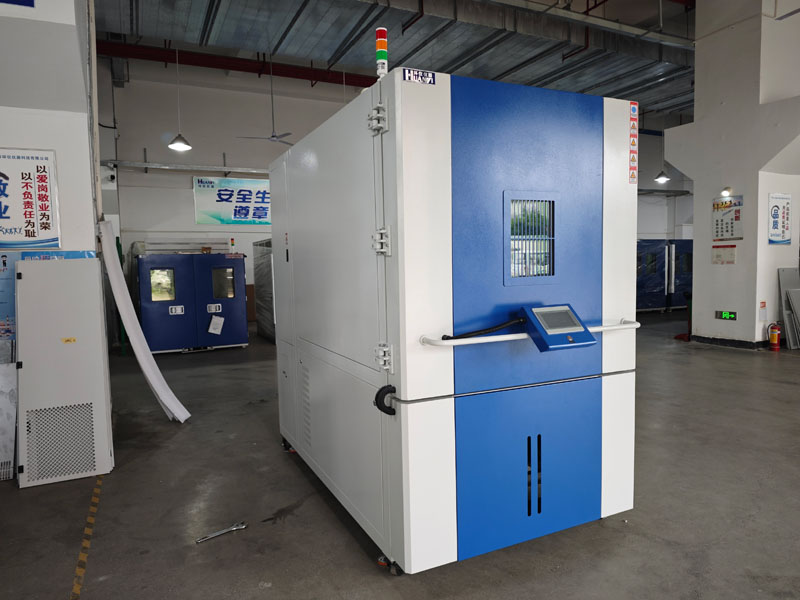
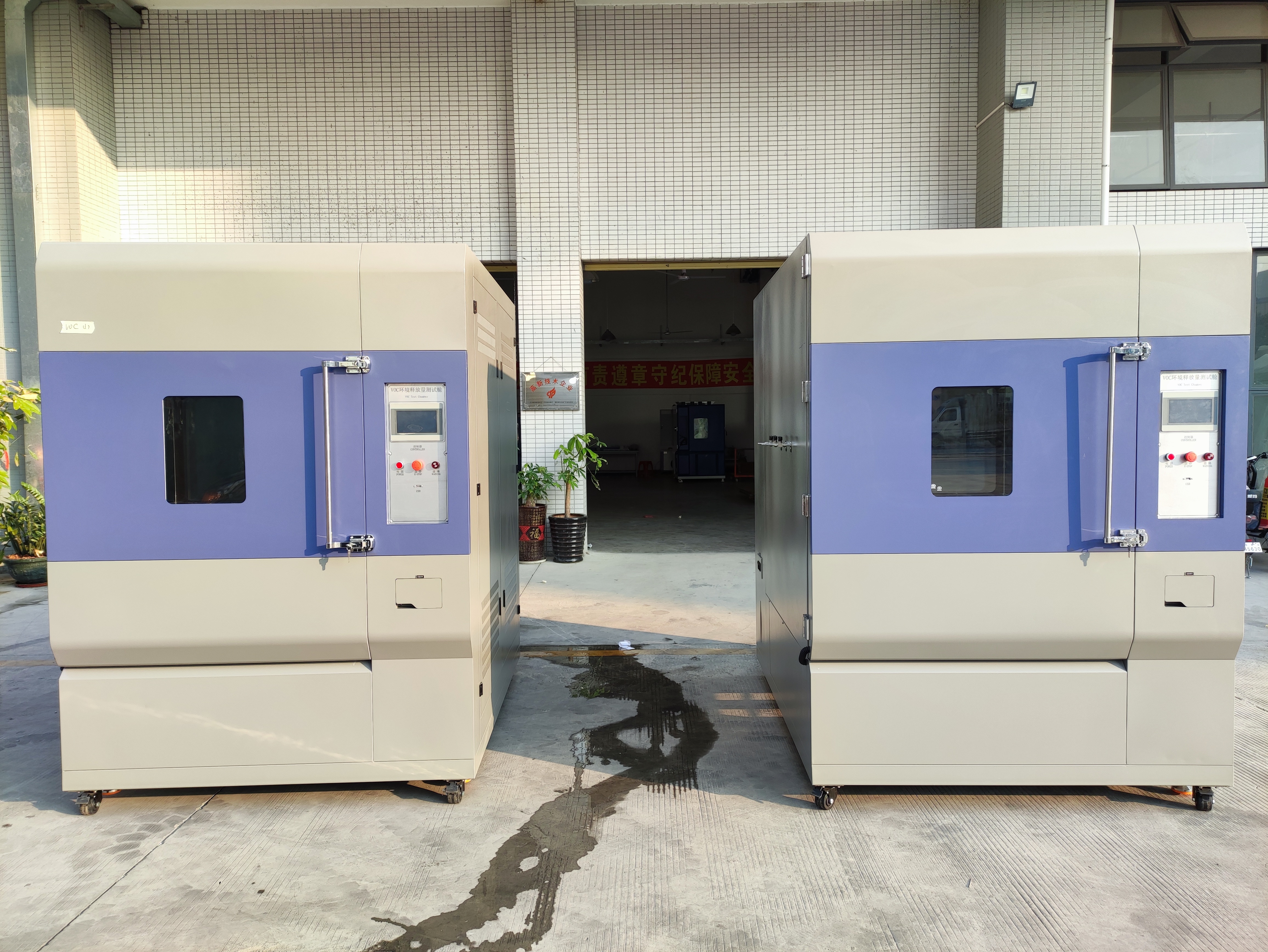
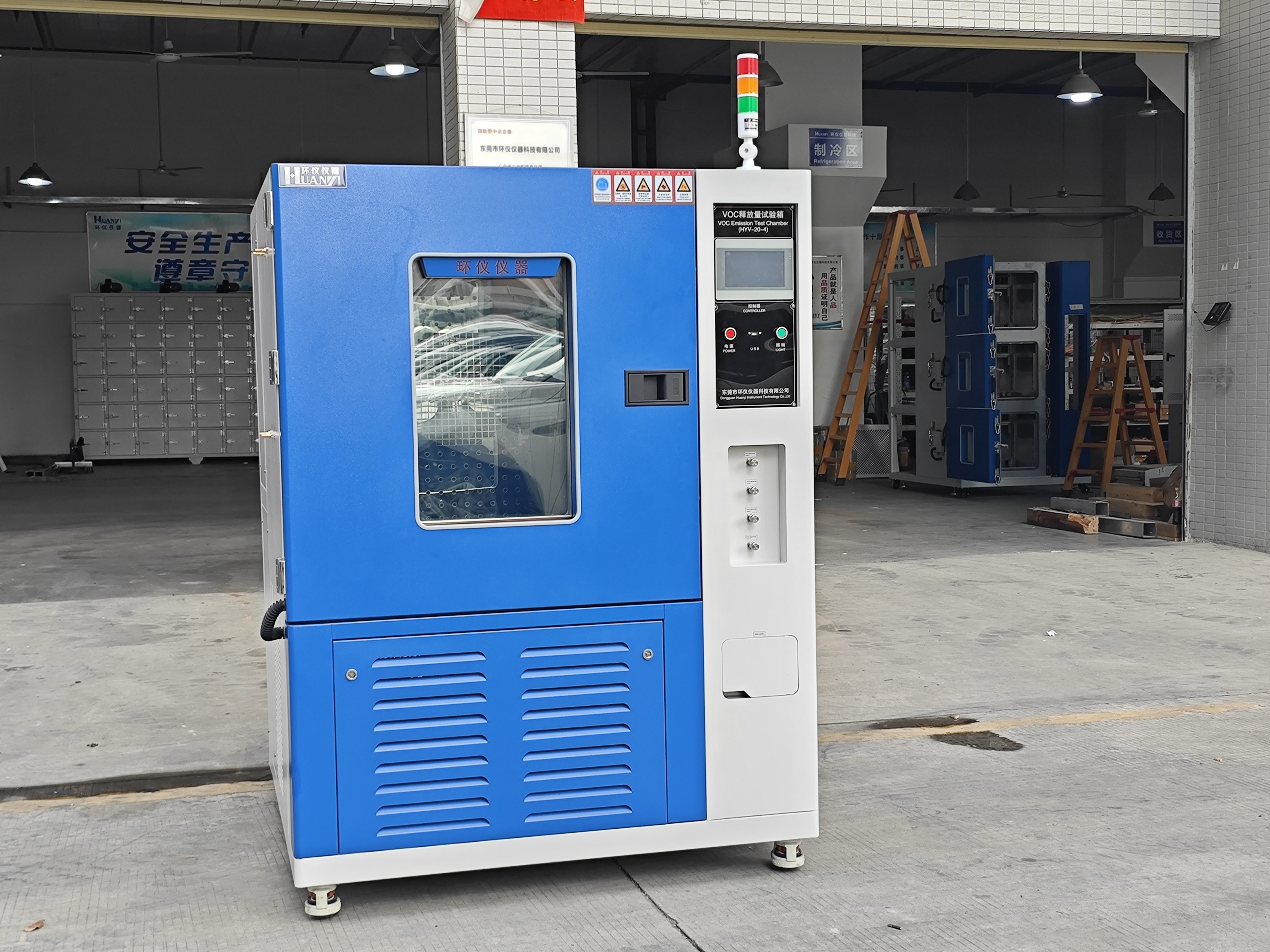
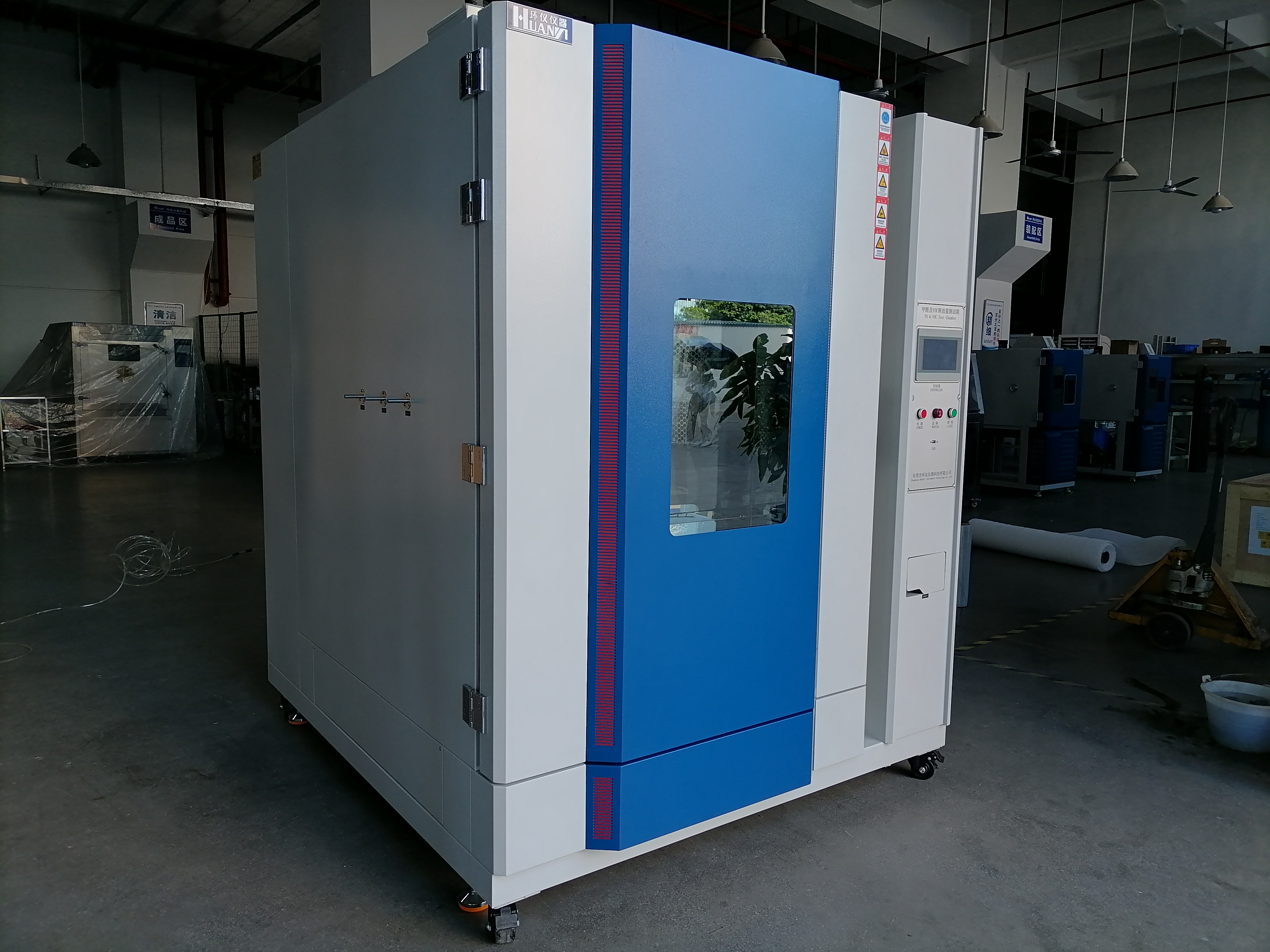
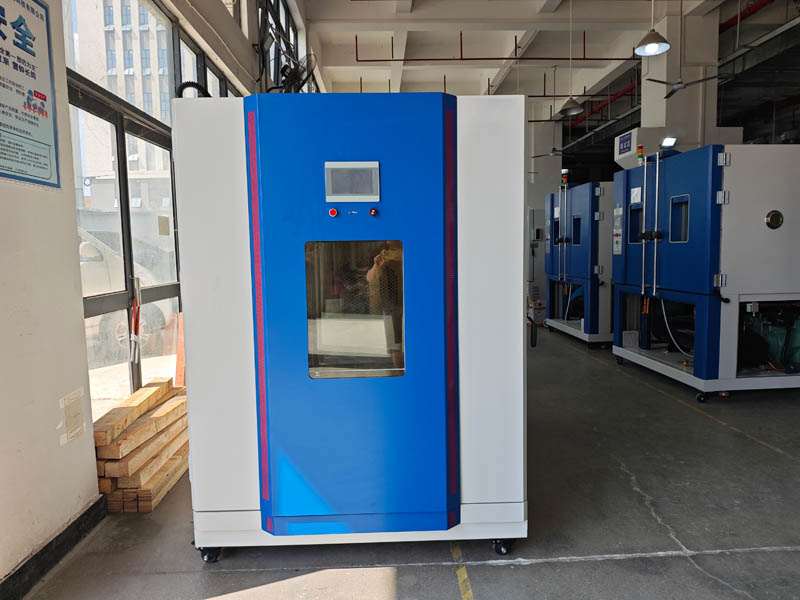
A chamber intended for small-scale VOC emission testing should be evaluated against the actual testing protocol.
Relevant considerations may include:
Stability and uniformity of the controlled environment
Airflow and air exchange control
Chamber materials and background performance
Specimen installation and accessibility
Sampling-port configuration
Monitoring and data-recording functions
Cleaning, conditioning, and maintenance procedures
The importance of each feature depends on the method and laboratory workflow.
It is also important to distinguish equipment capability from demonstrated test-method conformity. A chamber may provide the necessary environmental controls, but the complete test system and laboratory procedure must still be assessed against the applicable requirements.
7. Reporting and Interpreting Results
A useful report should identify the specimen, applicable procedure, chamber conditions, sampling schedule, analytical method, and relevant quality-control information.
Results should be expressed using clearly identified quantities and units. Where emission rates are calculated, the report should identify the method and relevant assumptions as required.
Comparisons between products are most meaningful when the specimens, preparation procedures, chamber conditions, sampling times, and analytical methods are sufficiently consistent.
If different test methods or chamber configurations have been used, the report should disclose relevant differences rather than presenting the results as automatically equivalent.
Conclusion
ASTM D5116-25 is a useful reference for understanding small-scale environmental chamber testing of organic emissions from indoor materials and products. Its value lies in explaining testing approaches and important considerations, while recognizing that the appropriate protocol depends on the material and study objective.
For laboratories selecting a VOC emission test chamber, the key is to match chamber design, specimen configuration, environmental controls, and sampling arrangements to the intended test program.
Well-matched system can support material screening and emission research, while careful reporting helps ensure that the resulting data are interpreted within the limits of the method.