



Automotive-Grade Compliance Across All Scenarios: Rapid-Rate Thermal Cycle Chamber Meet The Requirements of The Full AEC-Q Standard Series
With the rapid electrification and intelligentization of vehicles, the range of automotive electronic components has expanded from traditional MCUs and sensors to dozens of types—including AI chips, power semiconductors, millimeter-wave radars, and smart cockpit modules—each subject to distinct automotive-grade reliability standards. The AEC-Q series serves as a globally recognized certification system for automotive components, comprising four core standards: AEC-Q100 (integrated circuits), AEC-Q101 (discrete components), AEC-Q102 (optoelectronic components), and AEC-Q104 (multi-chip modules); each standard specifies unique requirements for temperature cycling and EMC testing.
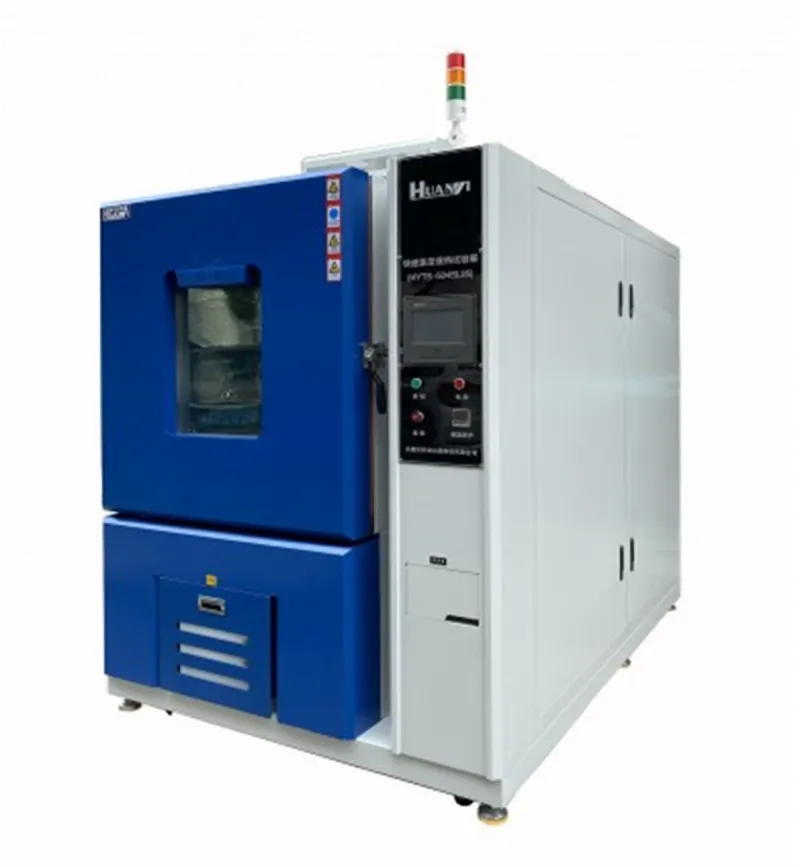
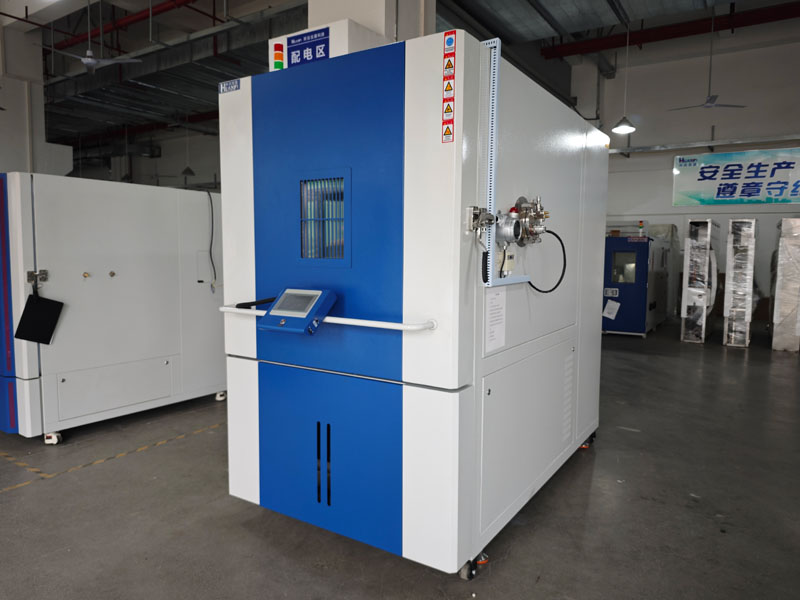
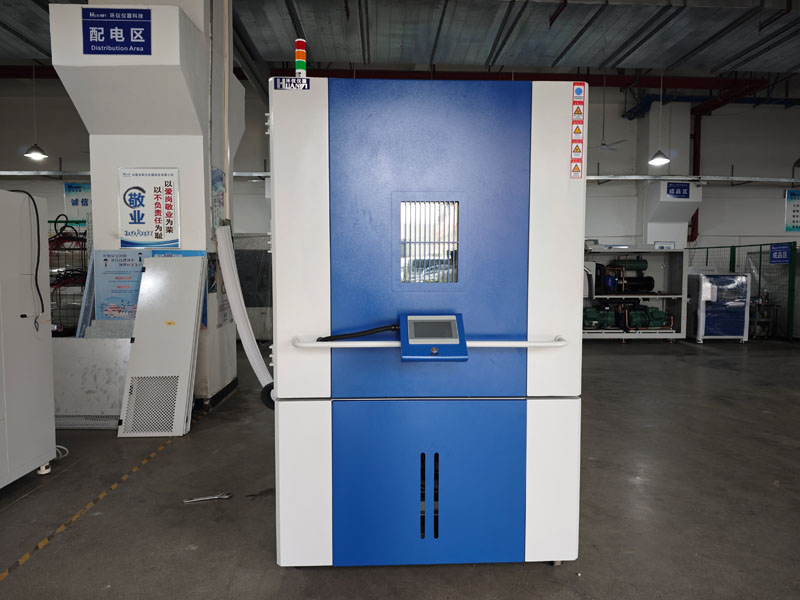
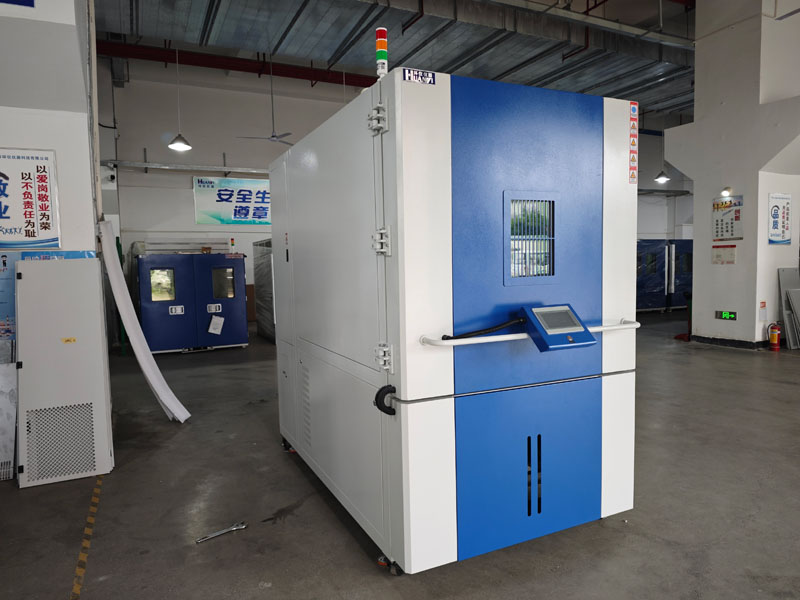
Many automotive electronics companies often rely on a single set of testing equipment for all these standards, resulting in test results that fail to meet certification requirements and preventing their products from entering automotive supply chains. Dongguan Huanyi Technology’s rapid-rate thermal cycle chambers are specifically optimized for the full AEC-Q standard series, offering automotive electronics companies a one-stop compliance testing solution that covers the entire spectrum of components.
I. Differences in Testing Requirements Among AEC-Q Sub-standards
The four major sub-standards in the AEC-Q series differ significantly in their requirements for temperature cycling and EMC testing—distinctions that are often confused by many companies:
AEC-Q100 (Integrated Circuits): Requires a temperature range of -40°C to 125°C, 1,000 temperature cycles, and a temperature change rate of ≥10°C/min; EMC testing must meet the highest severity level of ISO 11452 radiated immunity, making it the most stringent standard.
AEC-Q101 (Discrete Components): Extends the temperature range to -55°C to 150°C with 500 cycles; focuses on parameter drift during temperature cycling, while EMC testing emphasizes conducted immunity.
AEC-Q102 (Optoelectronic Components): Covers a temperature range of -40°C to 110°C and requires simultaneous monitoring of optical parameters during temperature cycling; EMC testing mandates shielding against both optical and electromagnetic interference.
AEC-Q104 (Multi-chip Modules): Specifies a temperature range of -40°C to 125°C and 1,000 cycles; focuses on thermal stress matching between different chips, while EMC testing requires verification of overall shielding effectiveness at the module level.
In addition, automotive electronics must comply with ISO 16750 (Environmental testing for electrical equipment in road vehicles). This standard imposes extra requirements, such as temperature gradient testing (-40°C to 85°C) and combined stress testing involving power supply voltage fluctuations and temperature variations—requirements that standard equipment cannot address.
II. Huanyi Equipment: Tailored for the Full Suite of AEC-Q Standards
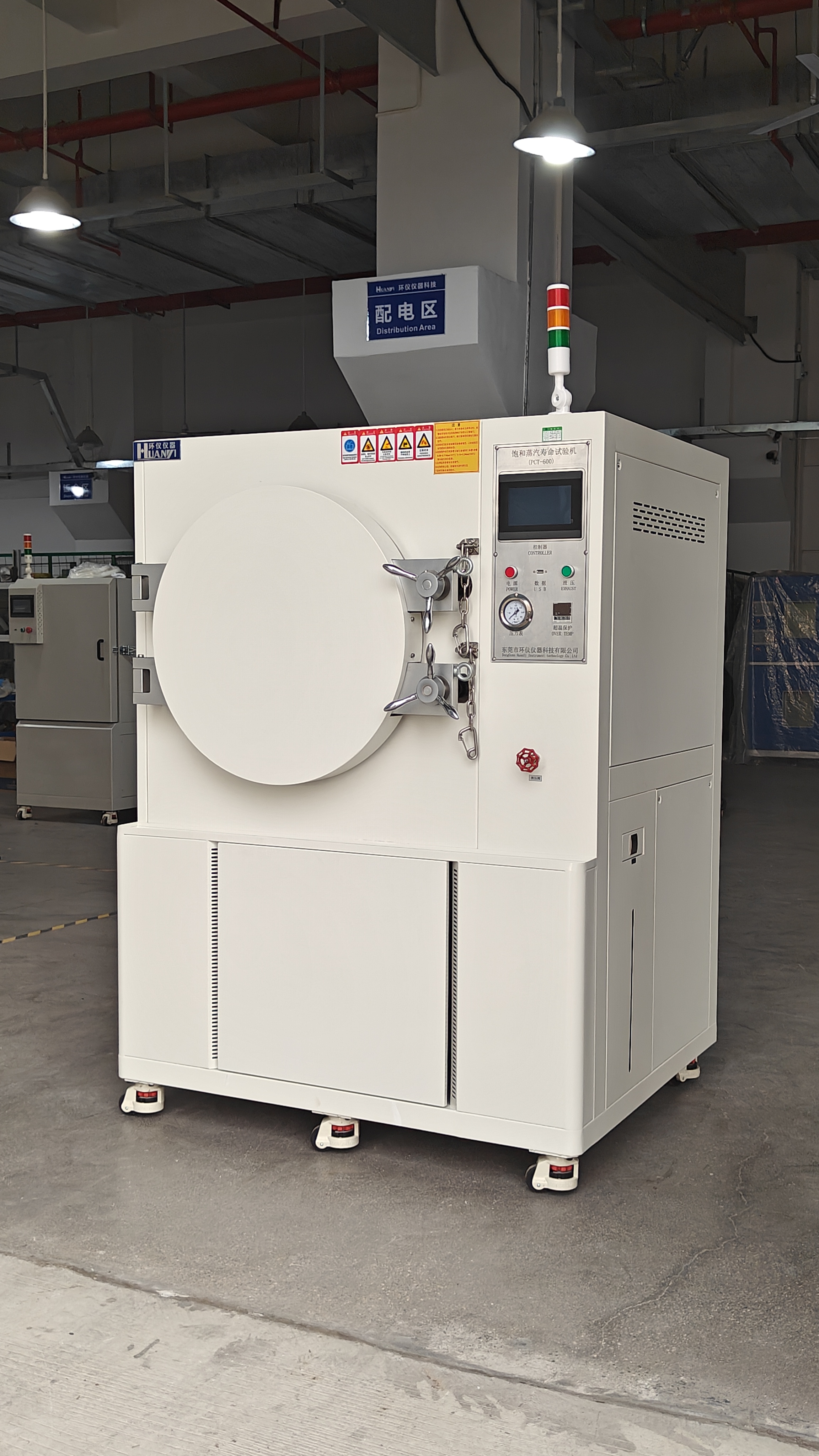
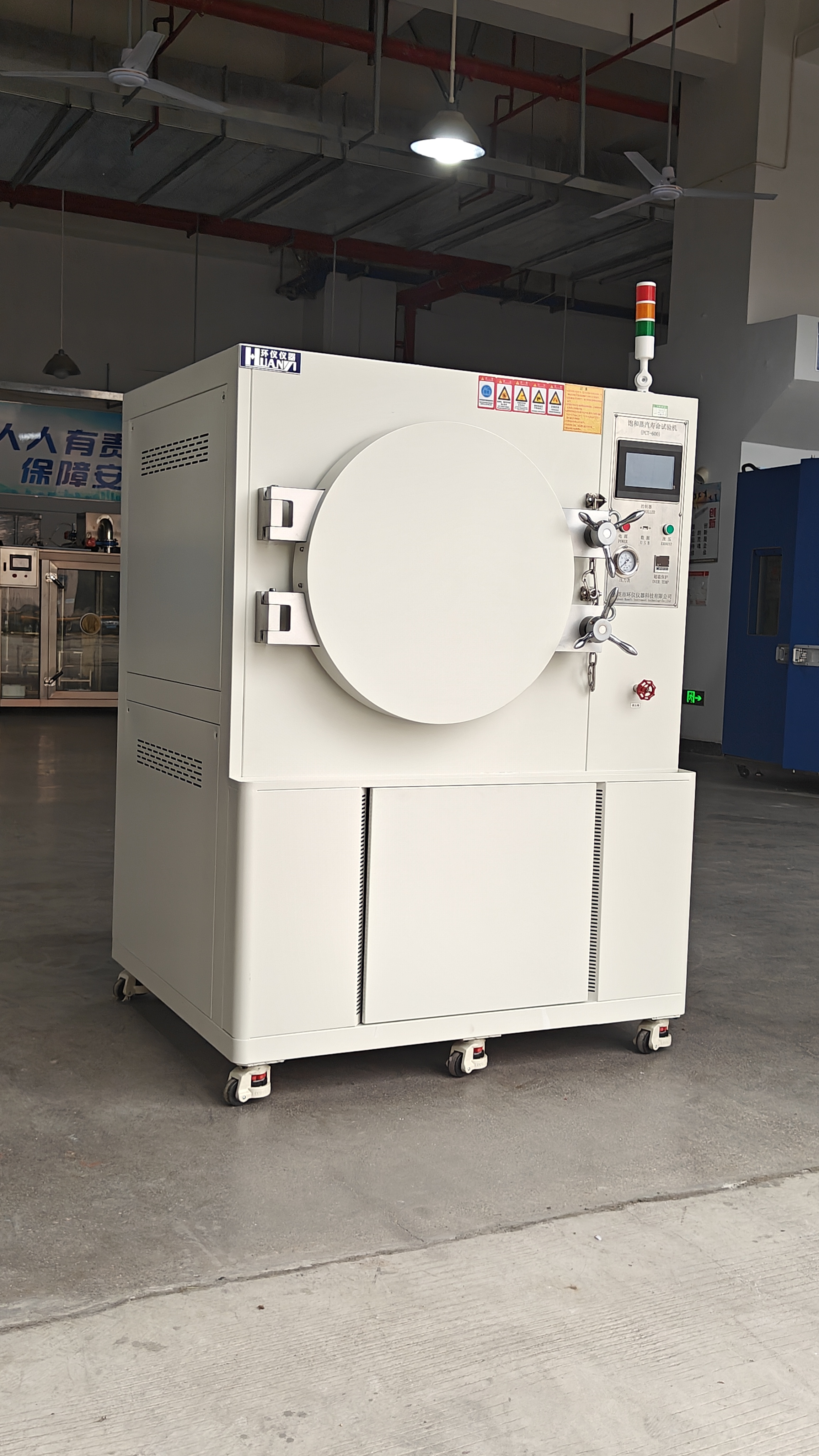
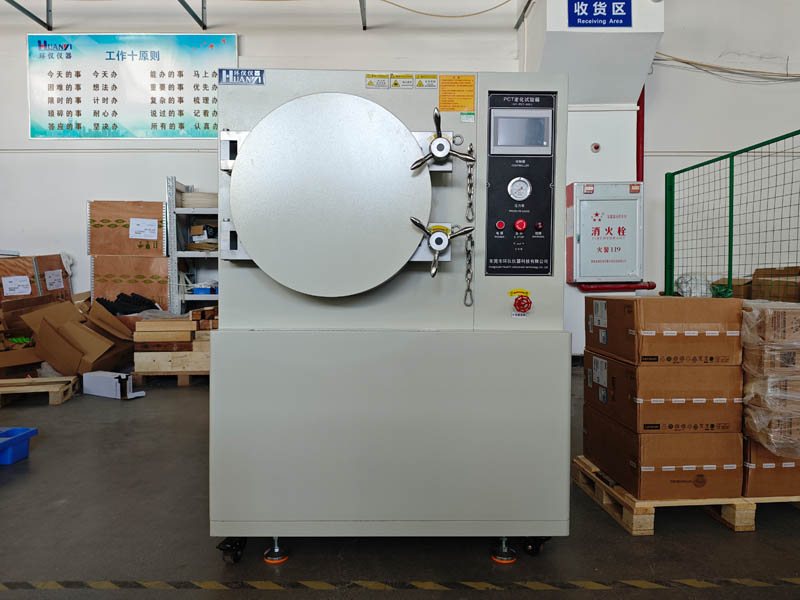
To address the specific, varied requirements of the full range of automotive-grade (AEC-Q) standards, Dongguan Huanyi Technology has specifically optimized its rapid-rate Thermal Cycle Chambers:
**Comprehensive Temperature Range & Parameter Coverage:** The equipment operates within a temperature range of -70°C to 180°C with adjustable temperature change rates of 5–25°C/min. It meets the temperature requirements of all AEC-Q sub-standards, enabling testing across the entire spectrum of device categories without the need to switch equipment.
**Tiered EMC Shielding Solutions:** Offers three levels of shielding effectiveness—80dB, 90dB, and 100dB—corresponding to the distinct EMC requirements for consumer-grade automotive components, standard automotive-grade components, and functional safety-critical components (ASIL-D).
**Multi-Parameter Synchronous Monitoring System:** Supports the simultaneous acquisition of electrical, optical, and stress parameters during temperature cycling, meeting the dynamic testing requirements for AEC-Q102 optoelectronic devices and AEC-Q104 modules.
**Dedicated ISO 16750 Test Programs:** Features built-in standard test templates that allow for one-click generation of test sequences—such as temperature gradient tests and combined voltage fluctuation tests—compliant with ISO 16750 standards, with test data suitable for direct use in certification processes.
III. Common Misconceptions and Solutions Regarding Automotive-Grade Compliance Testing
Many enterprises fall into three common traps during automotive-grade testing, leading to certification failure:
Misconception 1: Using industrial-grade equipment for automotive-grade testing. Industrial-grade equipment often fails to meet automotive standards regarding temperature uniformity and shielding effectiveness, meaning the test results are not accepted by certification bodies. Hongzhan equipment features parameters calibrated by third-party automotive certification agencies, ensuring test data is directly applicable to AEC-Q certification.
Misconception 2: Testing EMC only at room temperature while ignoring EMC performance during temperature cycling. The EMC performance of automotive-grade components can degrade significantly under extreme temperatures; passing tests at room temperature does not guarantee compliance at high or low temperatures. Hongzhan equipment supports simultaneous EMC testing across the full temperature range, accurately simulating the extreme operating conditions experienced by vehicles.
Misconception 3: Overlooking the traceability of test data. AEC-Q certification requires test data to be fully traceable and reproducible.