


Bag‑Method or Climate‑Chamber Method? Toy VOC Testing: High Costs for Wrong Method Selection
Will a toy pass VOC testing by the bag method yet fail by the voc chamber method? Which result should you trust?
This is no hypothetical scenario. Since GB/T 46509‑2025 *Determination of Volatile Organic Compound Emissions from Toys* came into force, many enterprises have been using both test methods for the first time and found inconsistent test results. The consequences of method misselection can be far‑reaching: invalid test data at best, and delayed product launches or missed certification windows at worst.
Huanyi Instrument explains the respective roles of the two methods specified in the standard, their suitable application scenarios, and practical selection guidance for manufacturers.
01 The Two Methods Are Not Equivalent Under the Standard
A common misconception treats the bag method as a low‑cost alternative and the climate‑chamber method as the premium formal solution, assuming either can be chosen arbitrarily. However, GB/T 46509‑2025 clearly defines distinct roles for the two techniques:
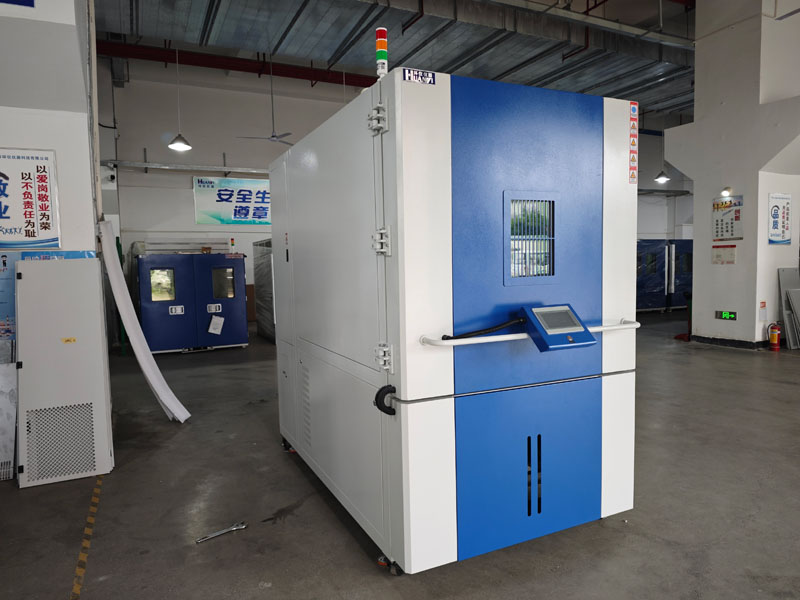
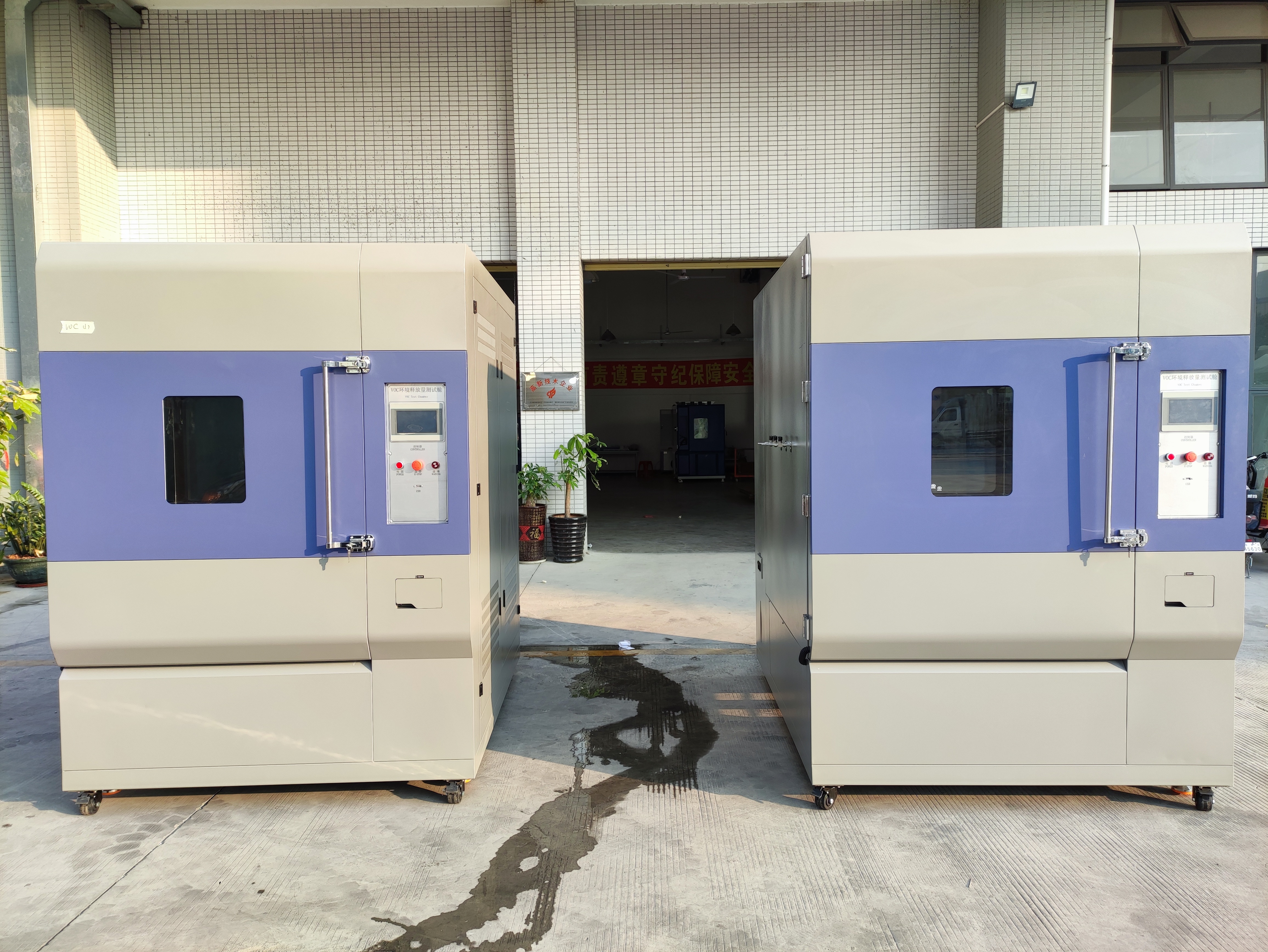
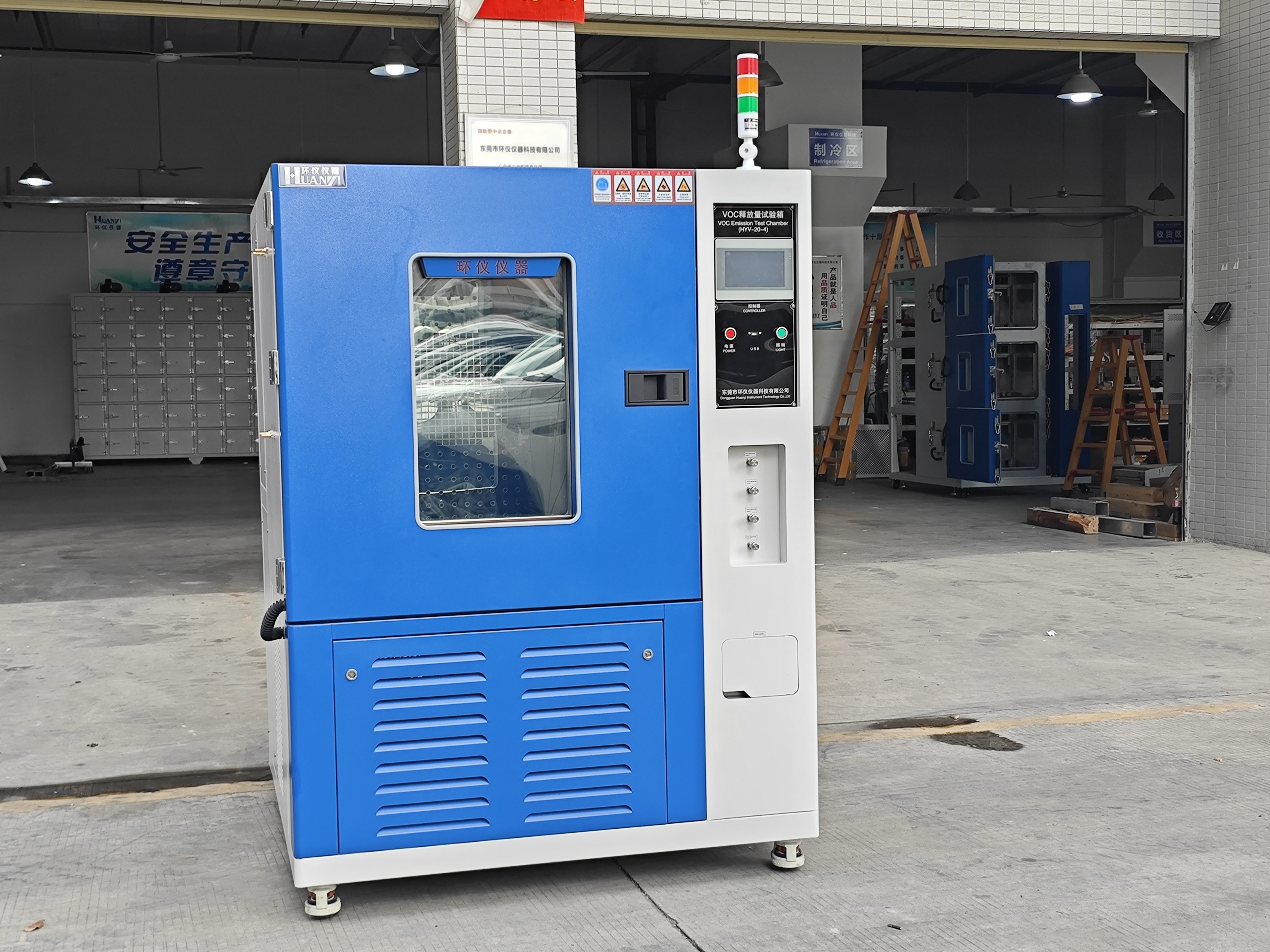
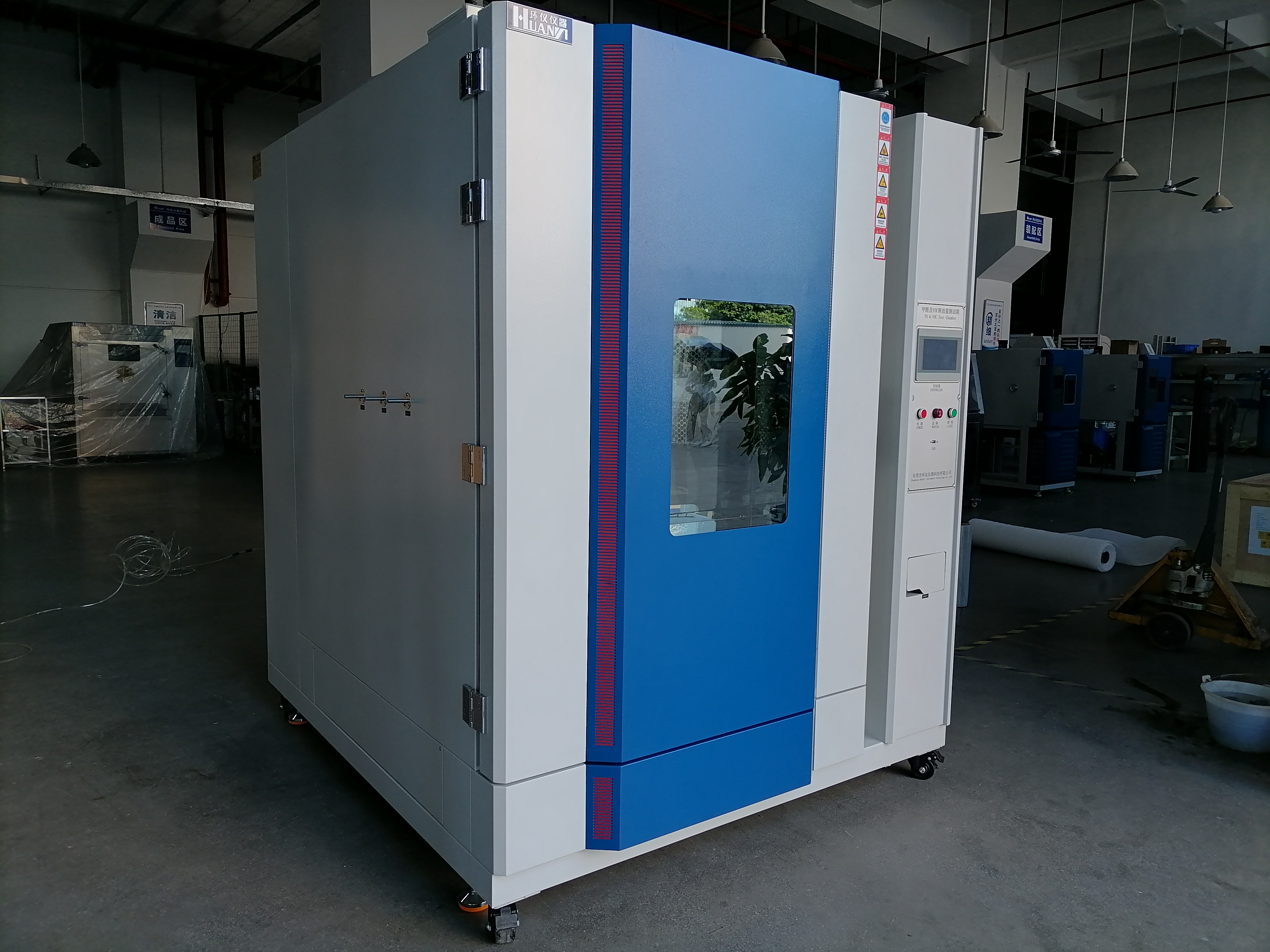
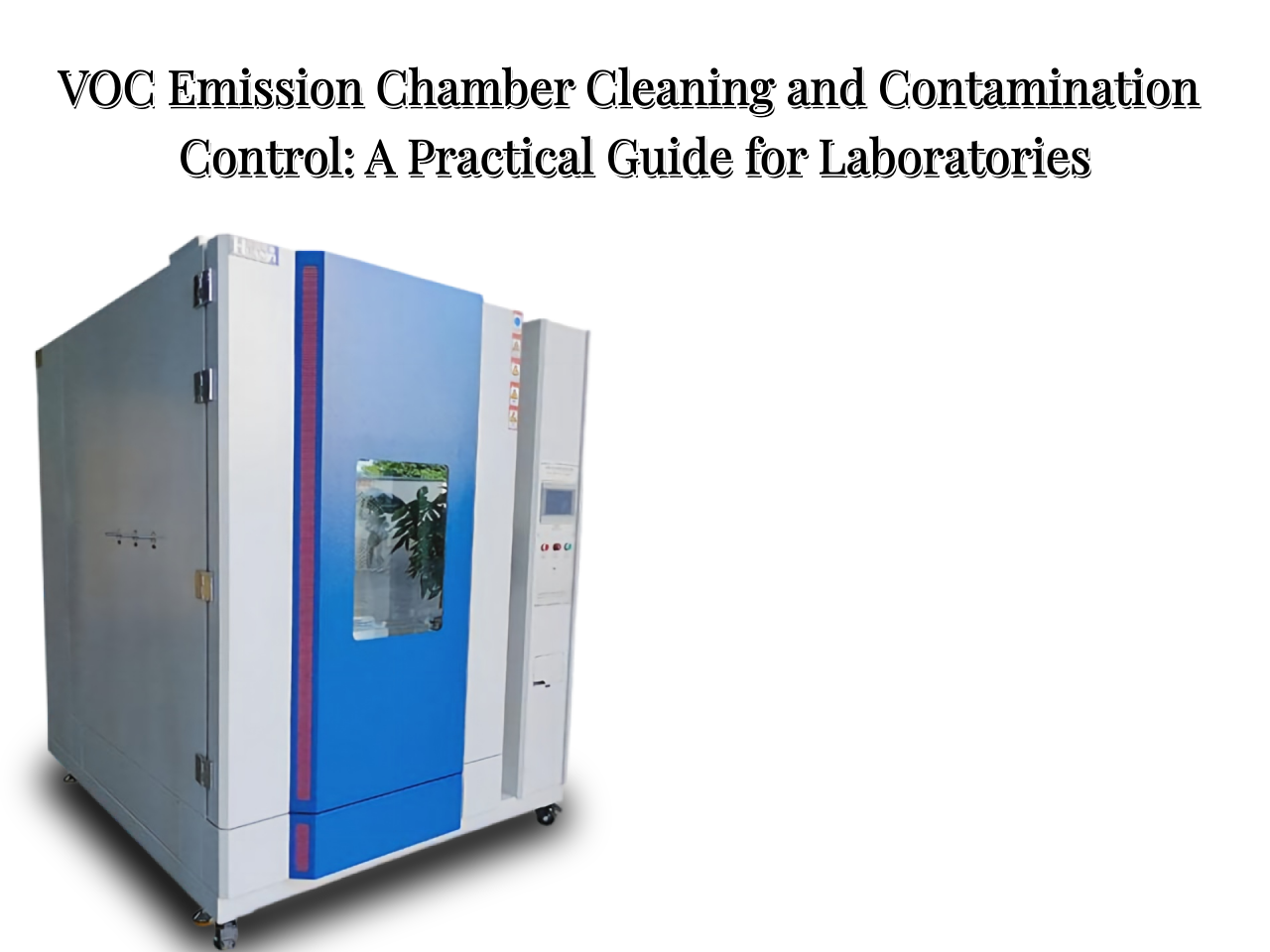
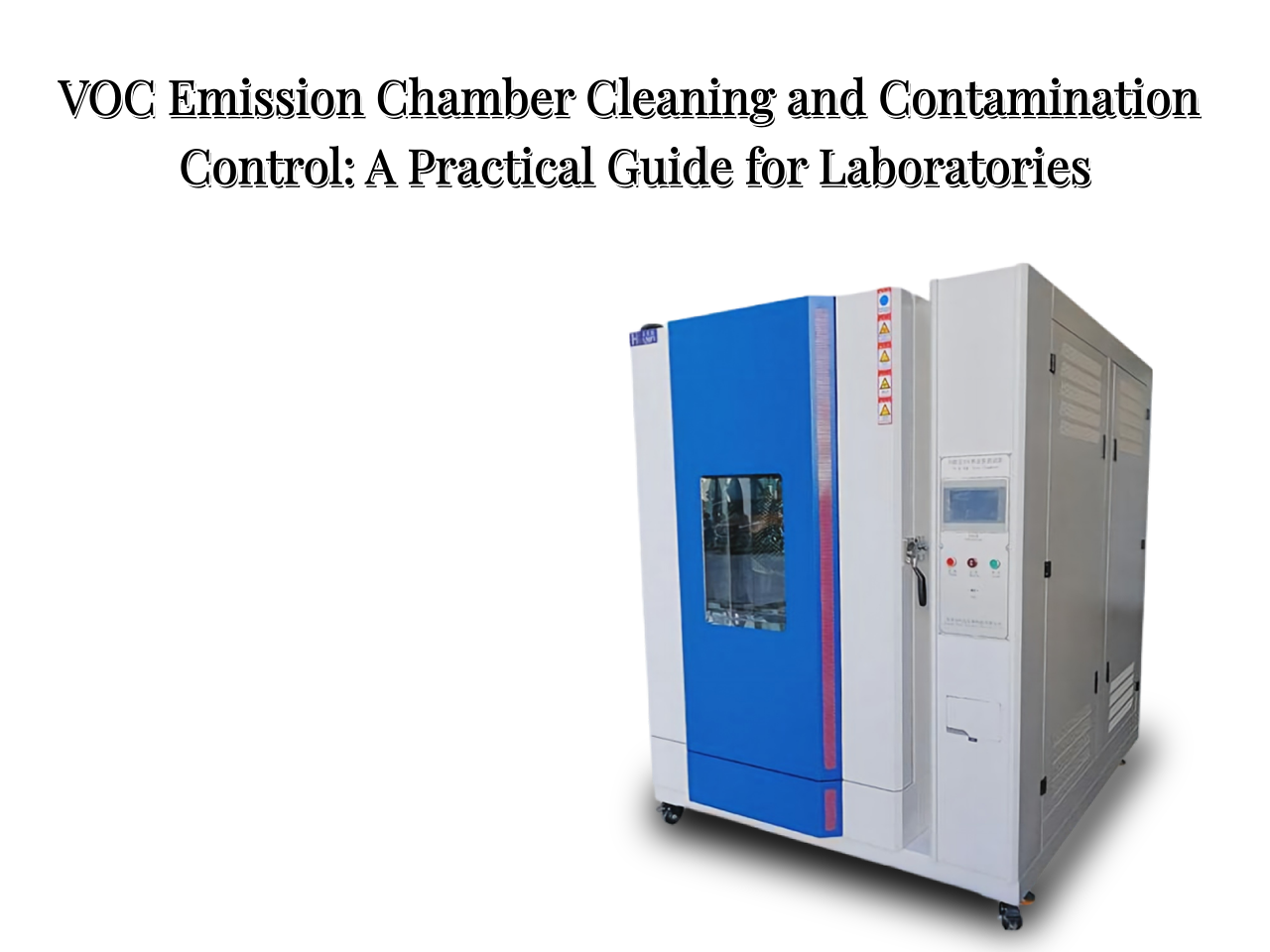
Climate‑chamber method (test‑chamber method): Samples are tested inside a controlled Environmental Chamber simulating real‑world service conditions. In case of doubt or dispute, VOC emission results obtained via the climate‑chamber method serve as the arbitration basis.
Bag method (10‑L sampling‑bag method): Samples are sealed inside clean sampling bags for accelerated emission testing. It delivers high efficiency at low cost and is intended for rapid screening, with no arbitration validity.
Application boundary: The 10‑L sampling‑bag method shall be mandatorily adopted for small‑sized samples with total volume below 0.75 L or total surface area less than 0.5 dm² — no alternative method is allowed for such specimens.
In short: the climate‑chamber method delivers authoritative, final results; the bag method enables fast screening. Their data hold different legal and technical validity.
02 Bag Method: Fast and Cost‑Effective, Yet With Strict Prerequisites
The bag method replaces a full‑scale environmental chamber with a sealed sampling bag. Typical test workflow: samples are pre‑conditioned at (23±2) °C for approximately 24 h, unpacked, and placed in clean sampling bags with all surfaces exposed to maximize volatile release. Bags are filled with high‑purity nitrogen and sealed. After around 120 min of emission under set temperature, gas inside the bag is collected onto sorbent tubes and analysed by thermal desorption‑gas chromatography‑mass spectrometry (TD‑GC/MS).
Two major advantages appeal to manufacturers:
Time‑saving: Test results available within several hours to one day, ideal for R&D self‑inspection, supplier qualification and high‑volume preliminary screening.
Cost‑effective: Lower capital equipment investment and per‑test charges, affordable for most domestic manufacturers.
Nevertheless, its low‑cost benefit comes with strict operational constraints that determine result reliability:
- Only dedicated clean sampling bags (e.g. PVF material) shall be used. Bags must undergo high‑temperature ageing and blank‑value verification prior to use; blank level for individual substances shall be below 0.005 mg/m³. Ordinary plastic PE bags are prohibited, as they release intrinsic VOCs and artificially inflate measured concentrations.
- Standardised sample pre‑treatment is required: remove outer packaging and unfold components to fully expose all surfaces. Inadequate exposure leads to incomplete volatile release and under‑reported results.
- Results are for screening purposes only and cannot be used for formal compliance reports or dispute arbitration.
It is worth noting that the bag method for toy VOC emission testing represents a pioneering international standardised approach. It is not an inferior technique but simply serves a different purpose.
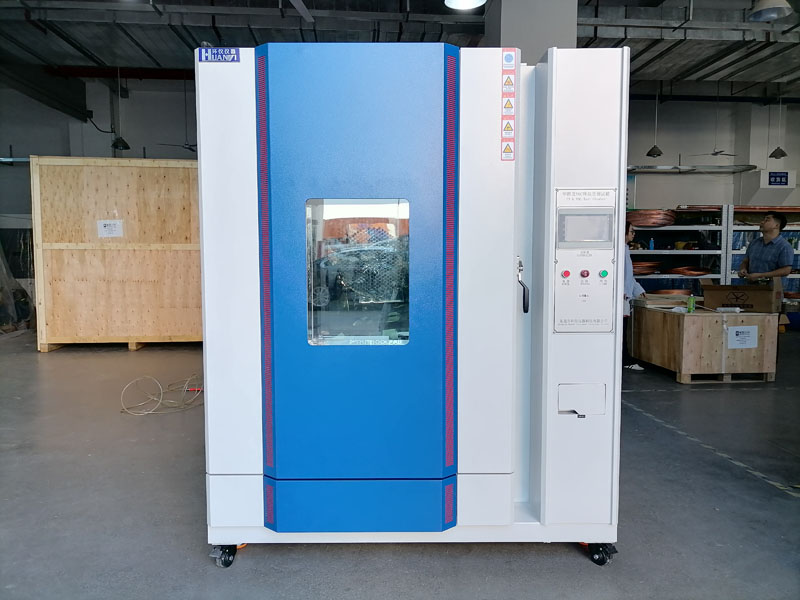
03 Climate‑Chamber Method: Slow and Costly, Yet Authoritative
The climate‑chamber method creates a standardised “test room” for toys. Precise control of temperature, relative humidity, air‑exchange rate and air velocity is maintained inside the chamber. Samples release volatiles under near‑real‑use conditions, and chamber air is periodically sampled for analysis.
Typical test conditions: temperature (23±0.5) °C, relative humidity (50±3) %, loading ratio (1.0±0.02) m²/m³, air‑change rate (1±0.05) h⁻¹, surface air velocity 0.1‑0.3 m/s, total test duration approximately 20 h.
Stringent equipment requirements apply:
- Chamber background concentrations shall meet specifications: formaldehyde ≤0.006 mg/m³, single VOC ≤0.005 mg/m³, TVOC ≤0.05 mg/m³. New chambers require thermal ageing until blank specifications are satisfied before use.
- Chamber background levels, temperature‑humidity uniformity and air‑change‑rate accuracy directly govern data credibility, which explains higher costs and longer test cycles.
- Thanks to its high stability, comparability and reproducibility, climate‑chamber test data are recognised for compliance reporting, market surveillance re‑testing and dispute arbitration.
04 Decision‑Making Workflow for Method Selection
Follow three dimensions for straightforward selection:
1. Sample dimension: Mandatorily use the bag method for samples with total volume <0.75 L or total surface area <0.5 dm². Both methods are permissible for larger specimens.
2. Test purpose: Use the bag method for R&D formulation validation, supplier screening and bulk preliminary screening. Use the climate‑chamber method for formal compliance reports, market‑surveillance re‑testing and dispute arbitration.
3. Budget & timeline: Deploy bag‑method screening for frequent testing under budget constraints. Climate‑chamber reports constitute authoritative evidence for critical product categories, export clearance and e‑commerce platform admission.
4. Recommended combined workflow: Conduct routine screening by the bag method. Retest samples showing suspected exceedance with the climate‑chamber method. This balances cost control and authoritative final results.
5. Note for third‑party laboratory submission: Confirm which test method the laboratory will apply and whether the report carries arbitration validity. Avoid submitting screening‑level reports for formal compliance assessments.
05 Common Practical Pitfalls
The methodology itself is not complex, yet typical operational mistakes frequently occur:
Pitfall 1: Substituting ordinary PE bags for dedicated sampling bags. PE bags emit intrinsic VOC contaminants that raise measured values. Industry cases have shown “in‑house pass, outsourced double‑concentration failure” traced to contaminated sampling bags.
Pitfall 2: Testing large‑size toys solely by the bag method. Large‑format items such as playhouses and rocking horses require climate‑chamber testing for e‑commerce platform entry or market‑surveillance re‑testing. Sole reliance on bag‑method results forces costly retesting and delays product launch timelines.
Pitfall 3: Treating screening‑level data as arbitration evidence. A passing bag‑method result does not guarantee regulatory compliance. Disputes must be resolved via climate‑chamber measurements. Only arbitration‑valid reports shall be cited in public communications and contractual commitments.
06 Practical Take‑Away for Your Products
General principle: use the bag method for screening; use the climate‑chamber method for final compliance conclusions.
Start with bag‑method screening capability if your facility is newly established, to intercept high‑risk products prior to shipment. Deploy climate‑chamber testing to generate authoritative data required for compliance documentation, export, platform admission and dispute resolution. Where budgets permit, implement both methods, separating routine screening from formal compliance reporting.
Selecting the correct test method makes VOC testing truly cost‑efficient, time‑saving and risk‑mitigating for toy manufacturers.