



CDPH Standard Method Version 1.3 (2026): What VOC Testing Laboratories Should Know
Introduction
VOC emission testing plays an important role in evaluating building materials, furniture, and other indoor products. In the United States, the California Department of Public Health (CDPH) Standard Method is one reference used by programs that evaluate chemical emissions from indoor sources.
CDPH has published Version 1.3 (2026) of its *Standard Method for the Testing and Evaluation of Volatile Organic Chemical Emissions from Indoor Sources Using Environmental Chambers*. Laboratories, manufacturers, and equipment purchasers should understand what this update means for testing plans and equipment requirements.
The official CDPH page provides the latest document and related information. The applicable version should always be checked before testing or making product claims.
1. What Is the CDPH Standard Method?
The CDPH Standard Method uses environmental chambers to evaluate chemical emissions from products intended for indoor environments. The method establishes procedures for specimen handling, chamber testing, air sampling, analysis, and evaluation of emissions.
Unlike a simple material screening test, chamber testing places a specimen in a controlled environment and measures selected compounds released into the chamber air. The results can then be evaluated using the method's specified criteria and assumptions.
The method has been referenced by several building-related programs and rating systems, including LEED and other green building frameworks. However, the applicable program determines which method version, product categories, and documentation are accepted.
2. What Changed in Version 1.3 (2026)?
According to CDPH, Version 1.3 updates certain health-based emission criteria. The changes include a reduced pass/fail threshold for 1,4-dichlorobenzene and the introduction of emission criteria for 1-bromopropane, ethylene glycol monobutyl ether, and trimethylbenzenes.
CDPH states that these criteria changes take effect on January 1, 2027. The revision also includes formatting updates to the document.
These changes matter to product manufacturers because the compounds and thresholds used in an evaluation may affect the interpretation of test results. Laboratories should review the complete updated method and any applicable addenda rather than relying only on a summary of the changes.
3. What Does This Mean for VOC Emission Test Chambers?
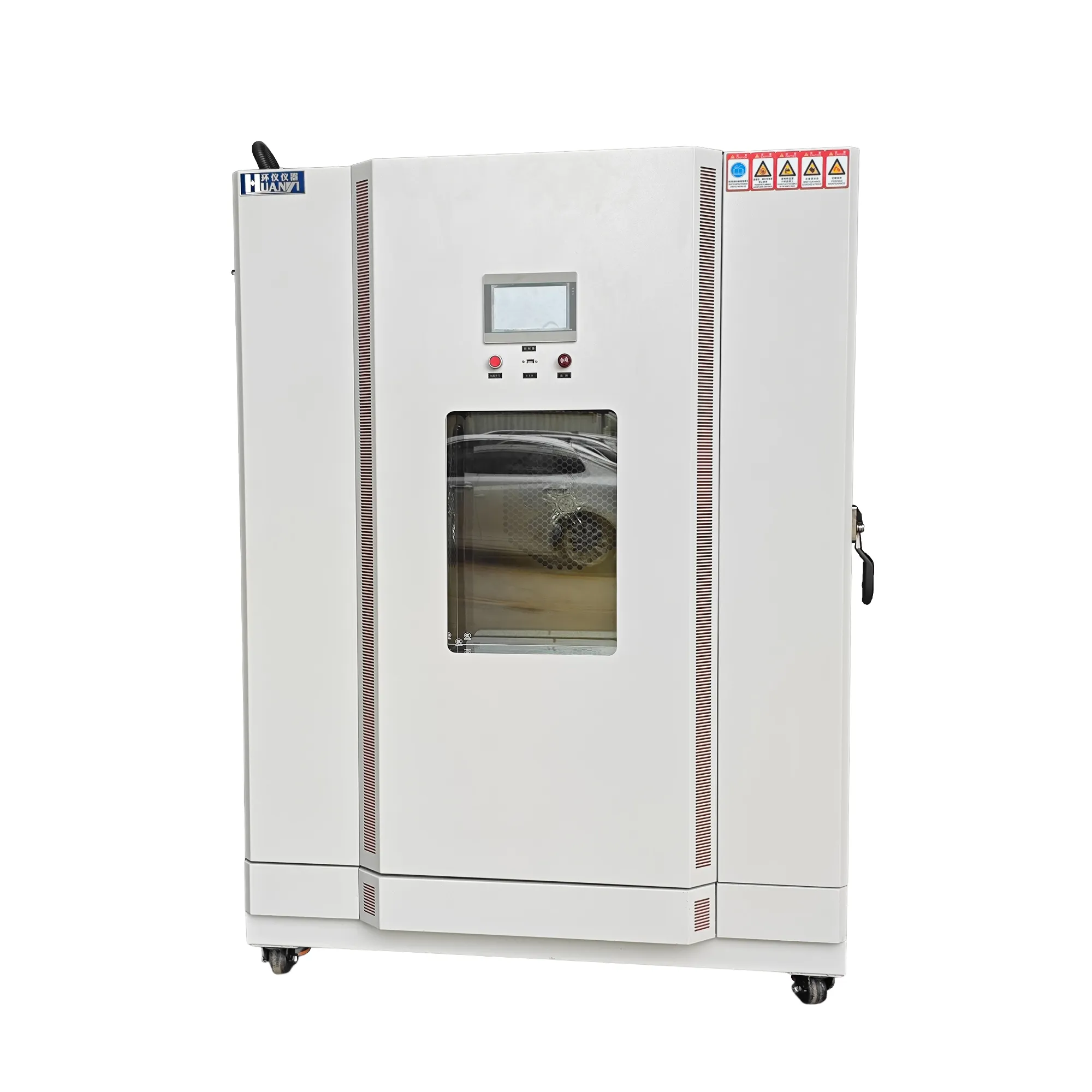
A standards update does not necessarily mean that every chamber must be replaced. The key question is whether the existing test system can support the updated procedure and the required analytical scope.
Laboratories should review several aspects of their current setup:
- Environmental control: Can the chamber maintain the temperature, relative humidity, and airflow required by the selected method?
- Background concentration: Can the system demonstrate that background contamination is controlled for the compounds being evaluated?
- Sampling compatibility: Are the sampling lines, sorbents, and analytical methods appropriate for the target compounds?
- Data traceability: Can the laboratory retain test conditions, sampling information, calibration records, and analytical results?
- Method documentation: Are specimen preparation and evaluation procedures aligned with the correct version?
The chamber is only one component of the test system. An updated list of target compounds may require changes to analytical procedures even if the environmental chamber itself remains suitable.
4. Why Manufacturers Should Review Their Testing Plans
Product manufacturers selling into international markets may encounter different emission assessment programs and customer requirements. A product tested under one procedure should not automatically be assumed to satisfy every other program.
Before arranging a test, manufacturers should confirm the applicable method version, product category, target compounds, specimen preparation requirements, and acceptance criteria. They should also check whether their customer or certification program has issued additional requirements.
For equipment suppliers, this creates an opportunity to discuss the complete testing workflow with customers: environmental conditions, specimen capacity, sampling interfaces, background verification, and compatibility with analytical instruments.
5. A Practical Checklist for Laboratories
Before implementing CDPH Version 1.3, laboratories should:
(1) Obtain the official current method and relevant addenda.
(2) Identify which updated criteria apply to their product categories.
(3) Review the target compounds and analytical capability.
(4) Confirm chamber operating conditions and verification records.
(5) Update procedures and documentation where necessary.
(6) Confirm effective dates and acceptance requirements with the relevant program.
Conclusion
CDPH Standard Method Version 1.3 (2026) is an important update for organizations involved in indoor product emission testing. Its revised criteria become effective on January 1, 2027, making advance review useful for laboratories and manufacturers preparing future testing programs.
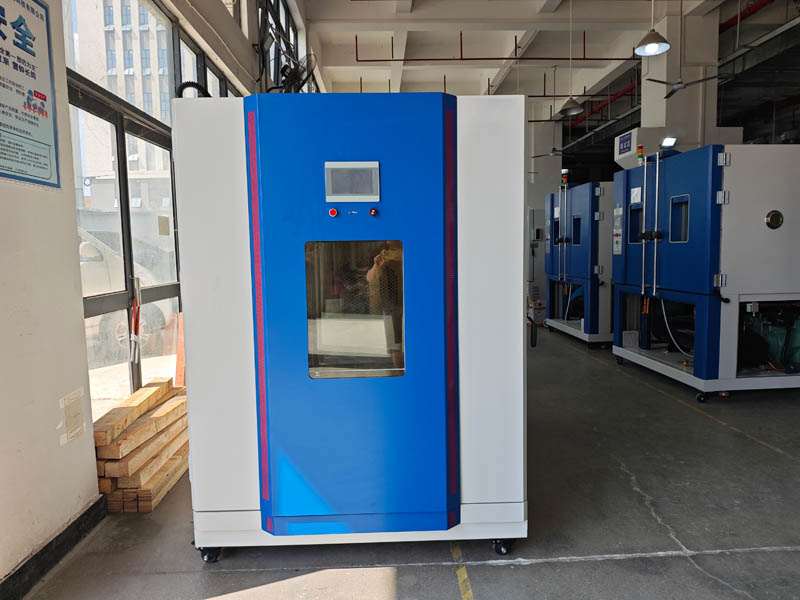
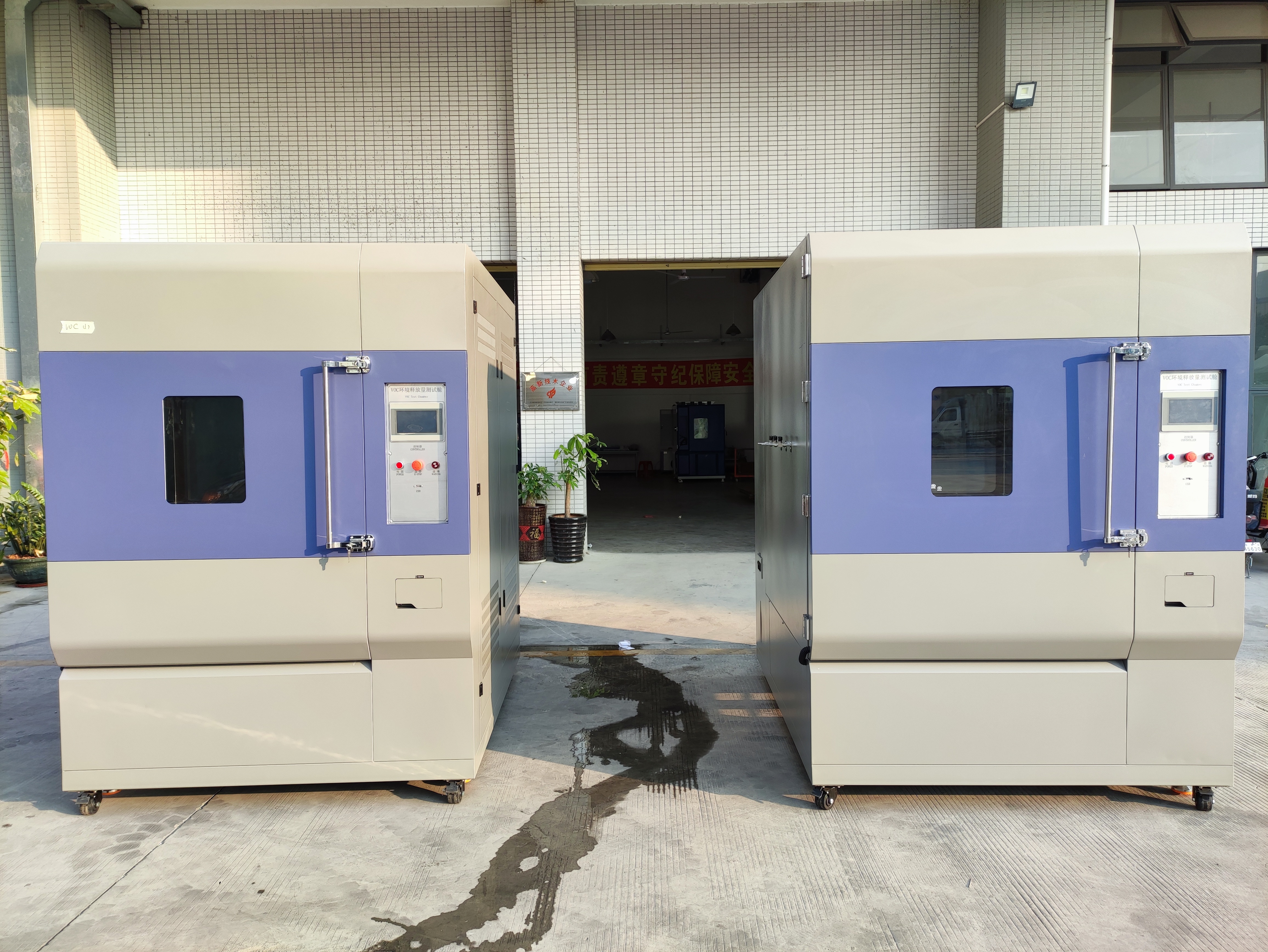
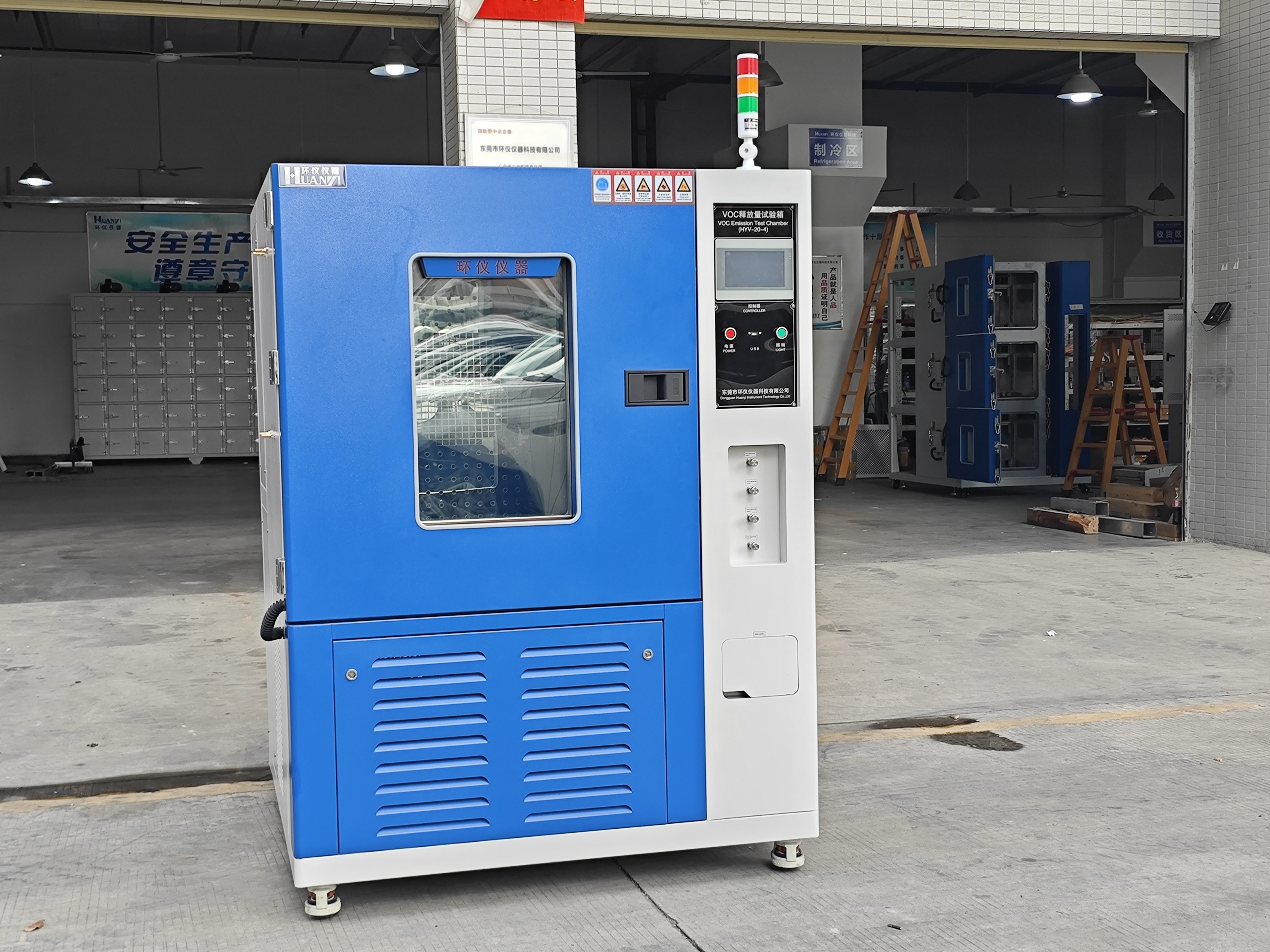
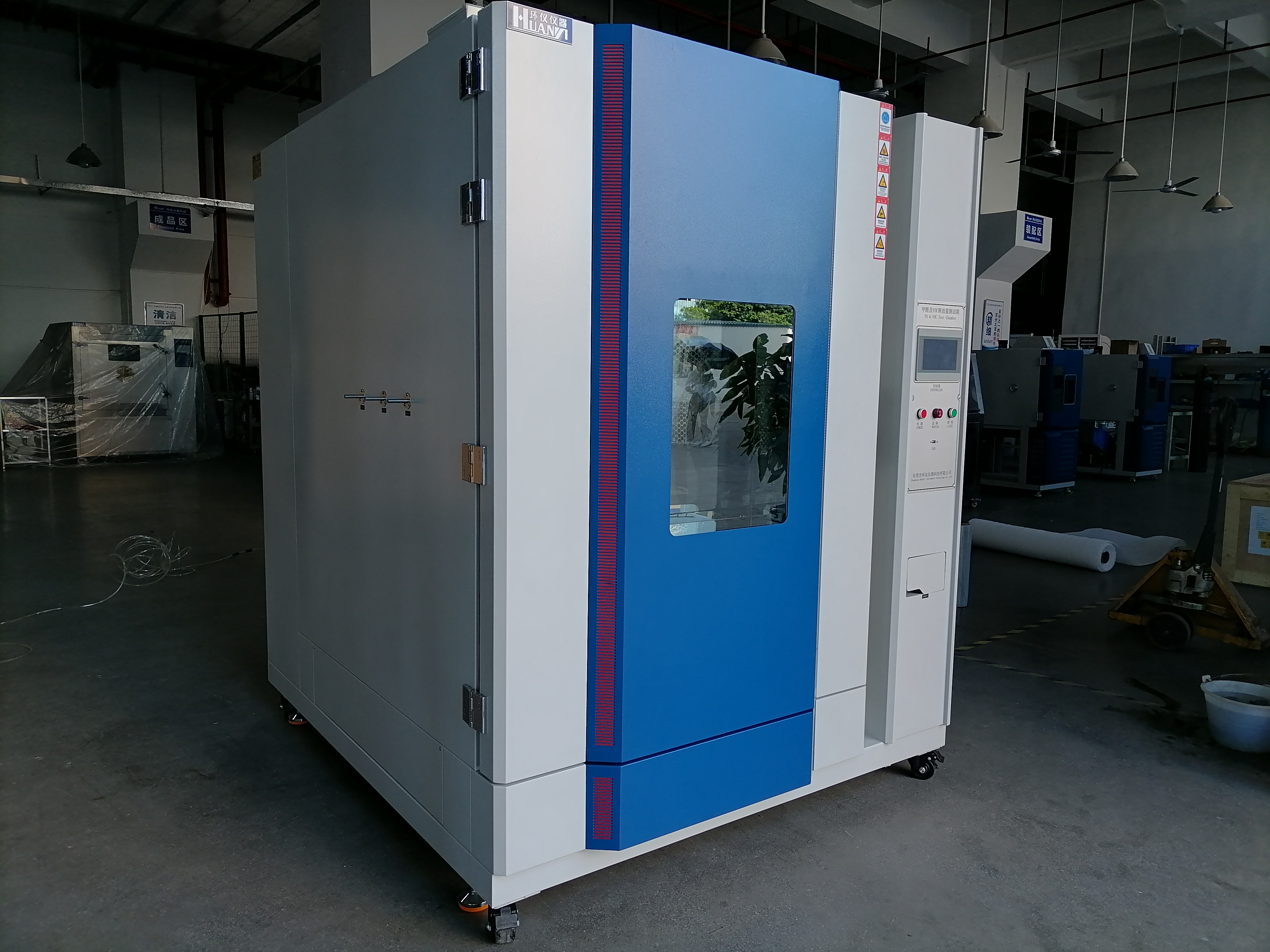
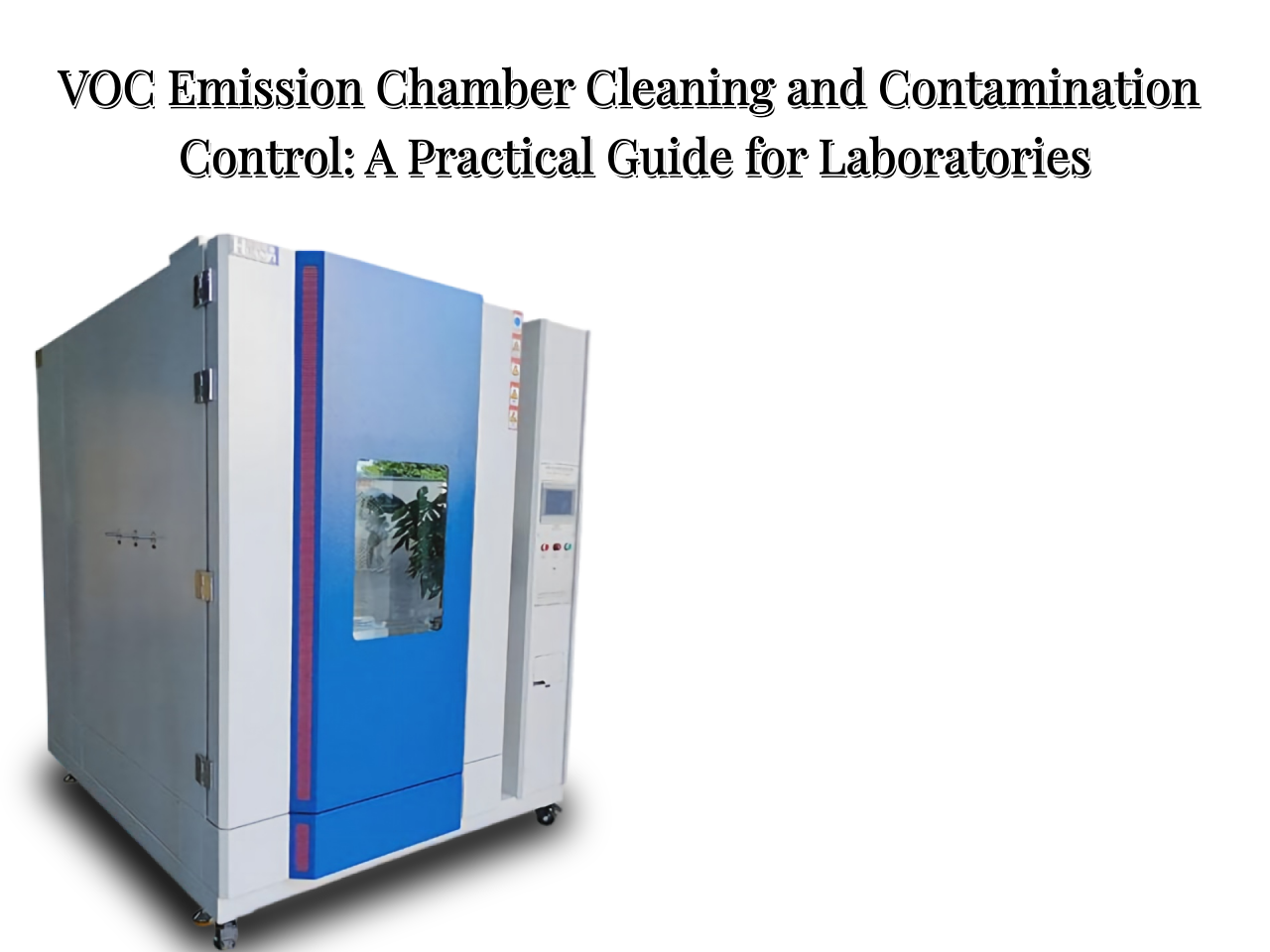
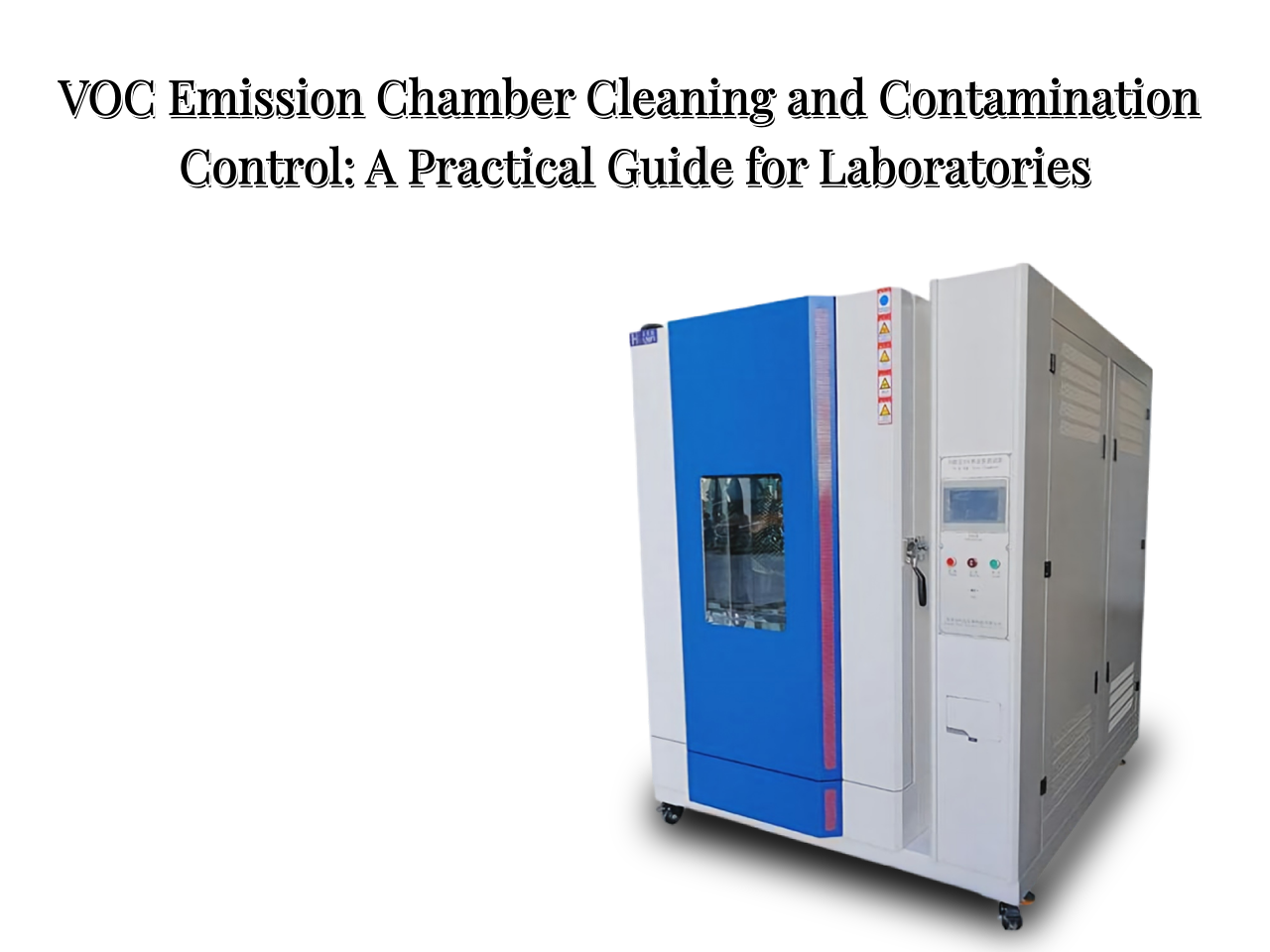
VOC Chamber should be evaluated in the context of the full test method. Chamber control, background performance, sampling, analysis, and documentation all contribute to whether a testing system is suitable for the intended purpose.
Official reference: California Department of Public Health — VOCs and Formaldehyde