


Comparison and Selection Guide for Benchtop, Vertical, and Walk-in Temperature and Humidity Test Chambers
Constant temperature and Humidity Test Chambers are environmental reliability testing equipment used in industrial materials, new energy, automotive electronics, chemical, and semiconductor industries. They are mainly used to simulate natural environments such as high and low temperatures, damp heat aging, and temperature and humidity cycling to verify the weather resistance and operational stability of products. The mainstream models on the market are benchtop, upright, and walk-in. Many laboratories easily confuse these models when purchasing, choosing only based on volume, leading to problems such as mismatched equipment operating conditions, insufficient testing accuracy, wasted space, and budget overruns.
Different models vary greatly in temperature control capabilities, chamber structure, load performance, and applicable operating conditions. Dongguan Huanyi Instruments, drawing on years of experience in environmental testing equipment R&D and numerous laboratory case studies, provides a detailed comparison of the performance advantages and disadvantages, and suitable scenarios of the three types of equipment. This standardized reference offers enterprises a precise selection process, balancing testing accuracy, usage efficiency, and cost-effectiveness.
I. Benchtop Temperature And Humidity Test Chamber: Dedicated for Small-Scale Precision Testing

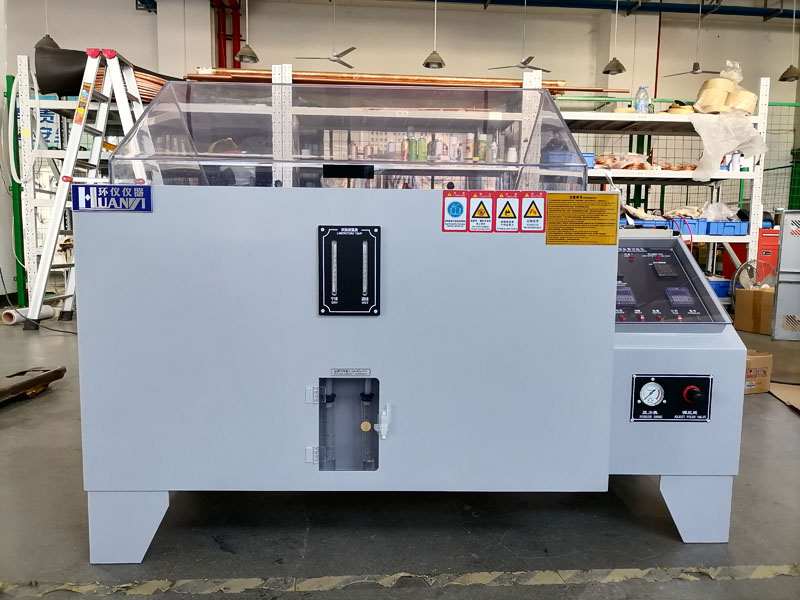
Benchtop temperature and humidity test chambers are compact desktop devices with generally small volumes, simple structures, small footprints, and easy mobility. They require no complex installation or debugging and are suitable for testing small samples, R&D specimens, and small-scale laboratory samples.
The advantages of this model include low energy consumption, stable accuracy, high cost-effectiveness, and immediate usability. The basic temperature and humidity accuracy meets standard national testing requirements, making it ideal for light-load applications such as university laboratories, R&D quality control in small and medium-sized enterprises, and incoming material sampling. However, the limited chamber space does not support large samples or large-batch testing, and it cannot withstand long-term, high-intensity continuous cyclic testing.
Applicable Scenarios: Room temperature and humidity testing and short-term reliability verification of small samples such as electronic components, small plastic materials, precision chips, connectors, and food packaging.
II. Vertical Temperature and Humidity Test Chamber: A Mainstream Industrial Model

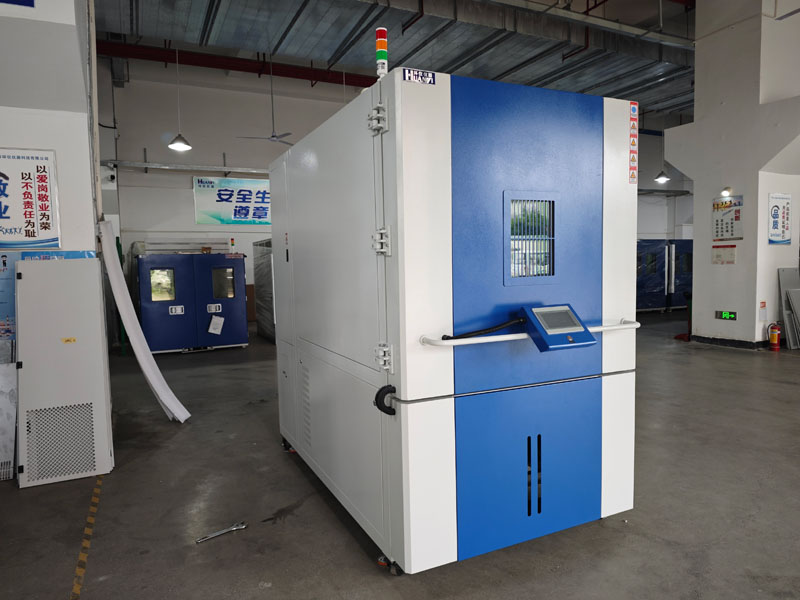
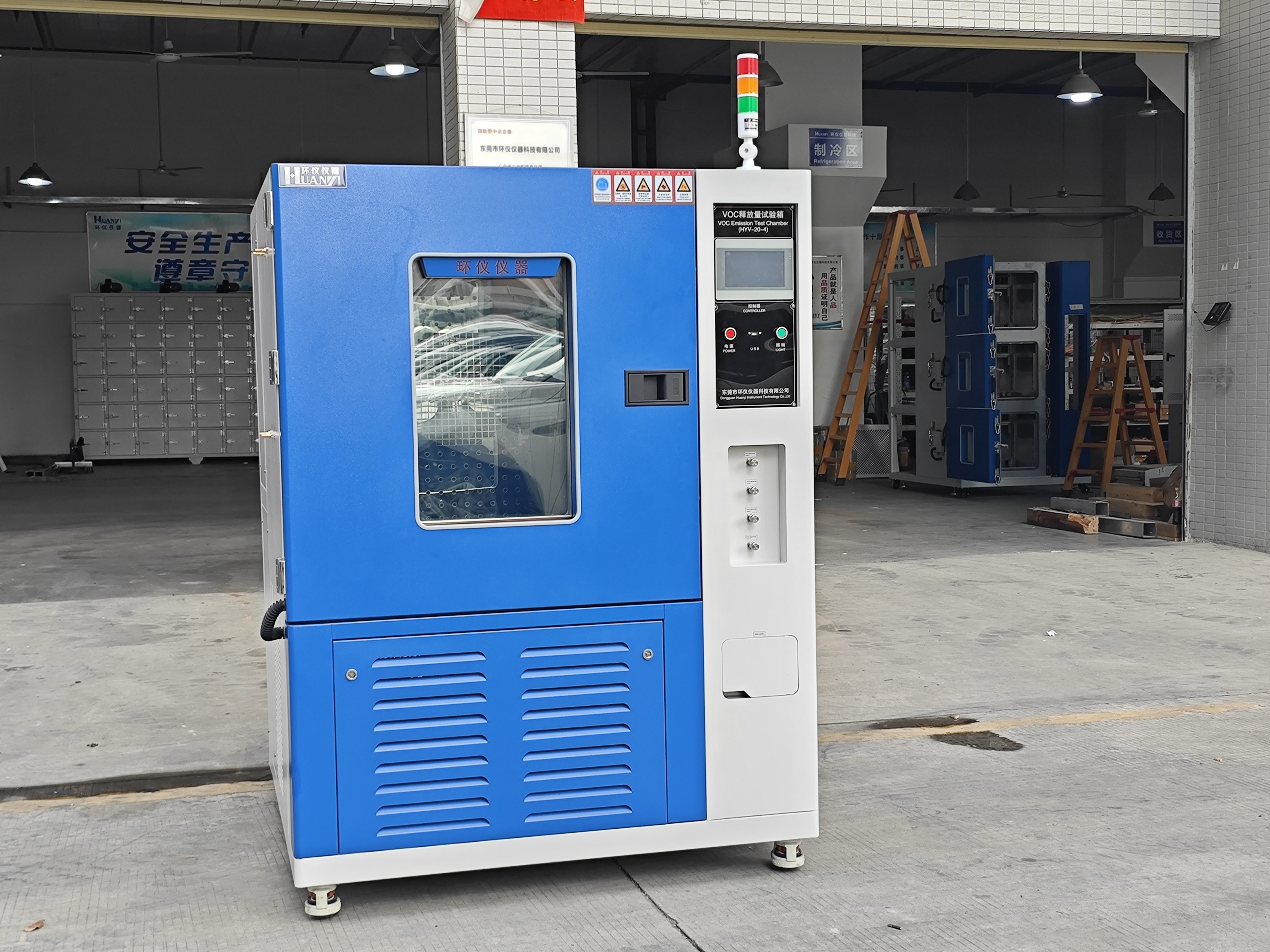
Vertical temperature and humidity test chambers are currently the most widely used general-purpose models in industrial laboratories. They offer a variety of volumes to suit most routine industrial testing needs. The equipment features a floor-standing structure with ample chamber space, equipped with a complete cooling, humidification, and air circulation system. It supports medium-to-high intensity operating conditions such as high and low temperature alternation, continuous damp heat aging, dual 85°C testing, and temperature and humidity cycling.
The Huanyi Instruments temperature and humidity test chamber comes standard with a three-dimensional circulating air duct, a high-precision sensing system, and a stable cooling unit. Temperature and humidity uniformity and fluctuation strictly comply with industry standards such as GB/T 2423 and IEC 60068. It can operate continuously for extended periods, balancing testing accuracy and equipment stability. Compared to benchtop models, it has stronger load capacity and resistance to degradation; compared to walk-in models, it offers better cost-effectiveness, a smaller footprint, and easier maintenance.
Applicable scenarios: Routine batch testing, finished product aging, and factory quality inspection of new energy battery accessories, automotive electronic components, chemical polymer materials, lighting fixtures, circuit boards, etc. It is the preferred equipment for enterprise quality inspection laboratories.
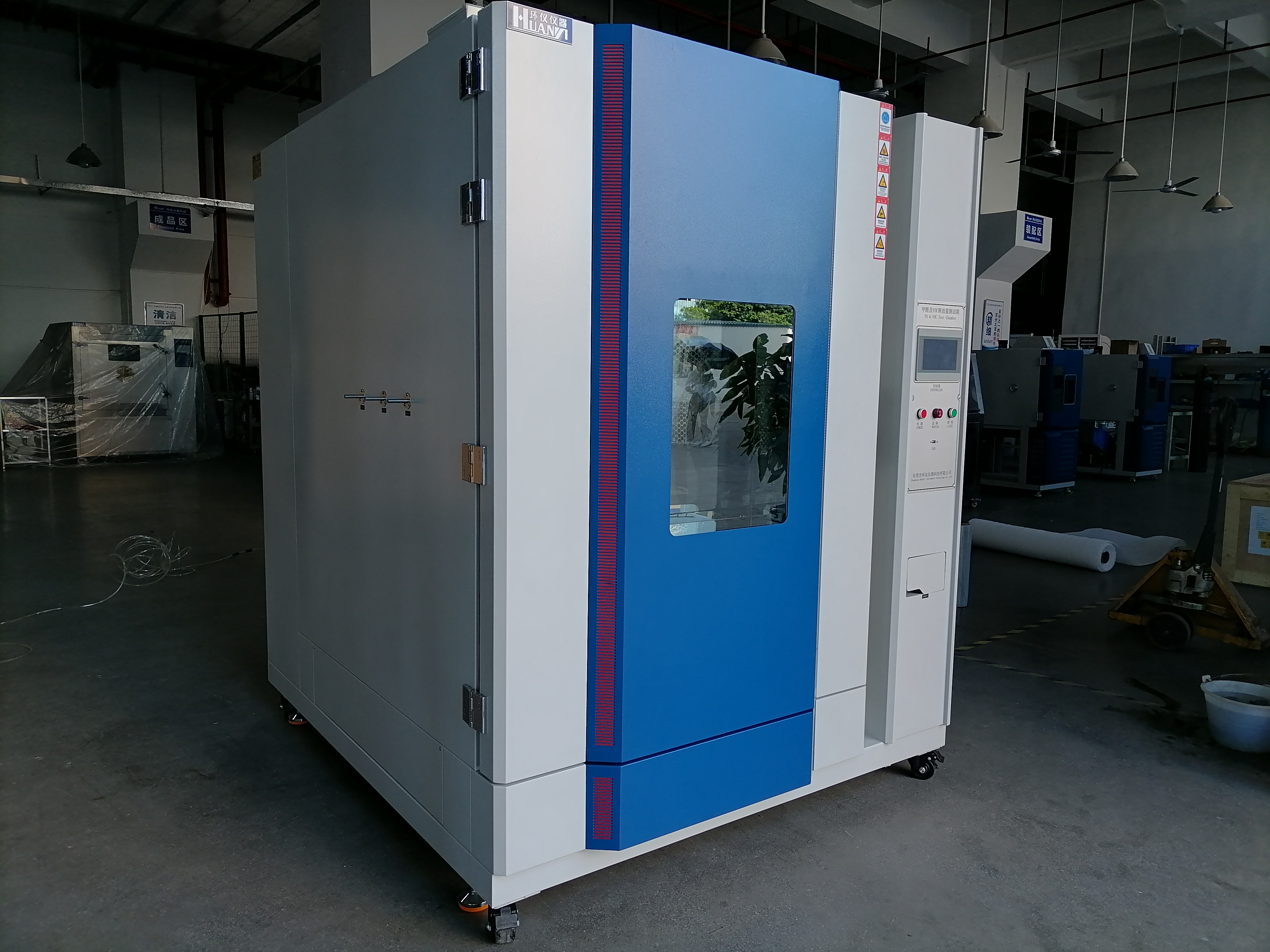
III. Walk-in Temperature and Humidity Test Chamber: Dedicated for Large-Scale Batch Testing of Complete Machines

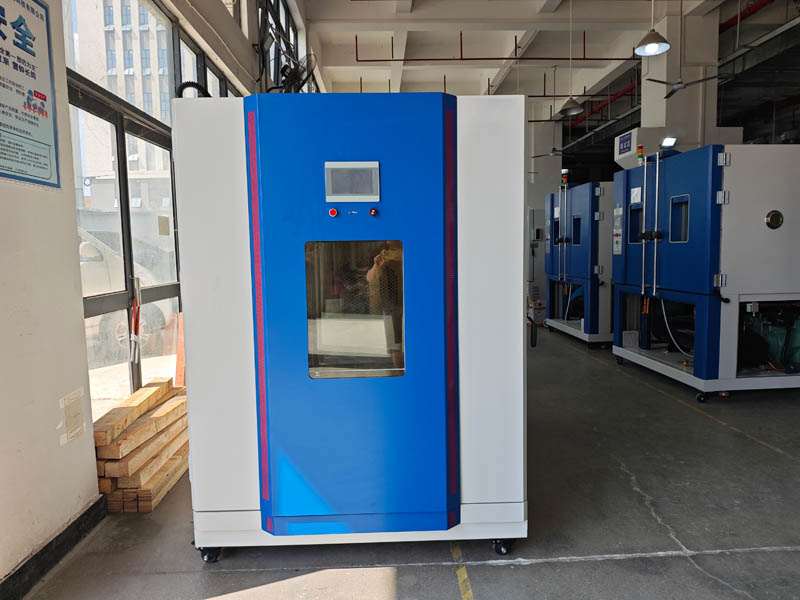
Walk-in temperature and humidity test chambers are large-scale, customized environmental test rooms with an extra-large cavity space, allowing personnel to enter and observe. They typically employ multi-unit parallel cooling and high-flow-rate circulating air systems, ensuring excellent temperature and humidity uniformity and enabling full-area environmental simulation in a large space.
This model can withstand high-intensity, long-cycle, and large-batch testing tasks, supporting complex program cycles, rapid changes in high and low temperatures, and uniform humidity and heat aging across the entire area. It solves the pain point of conventional chambers being unable to accommodate large complete machines and large batches of samples for simultaneous testing. The disadvantages are a large footprint, higher procurement and maintenance costs, and the need for specialized site planning and power supply.
Applicable Scenarios: New energy vehicles, large photovoltaic modules, large home appliances, charging piles, large molds, and batch module simultaneous aging testing. Widely used by large enterprises, third-party testing institutions, and military quality inspection laboratories.
IV. Summary of Core Selection for Three Types of Machines
For small-scale R&D, limited budget, and small space, choose a benchtop constant temperature and humidity test chamber; for routine industrial quality inspection, medium- and long-term aging, and general reliability testing, choose a vertical constant temperature and humidity test chamber; for large-scale complete machines, large batches of samples, and high-intensity full-range environmental simulation testing, choose a walk-in constant temperature and humidity test chamber.