



Gas Analysis-Based Formaldehyde Manufacturers: An Overview of Working Principles and Application Scenarios
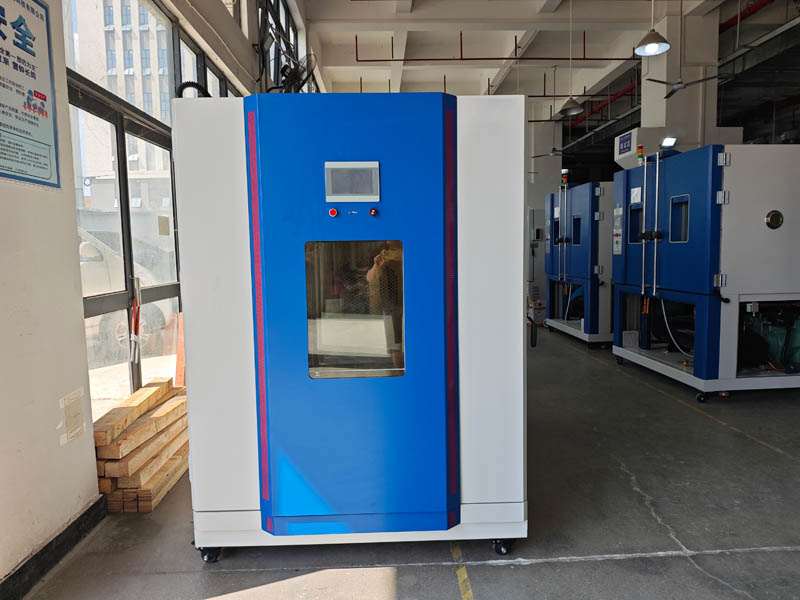
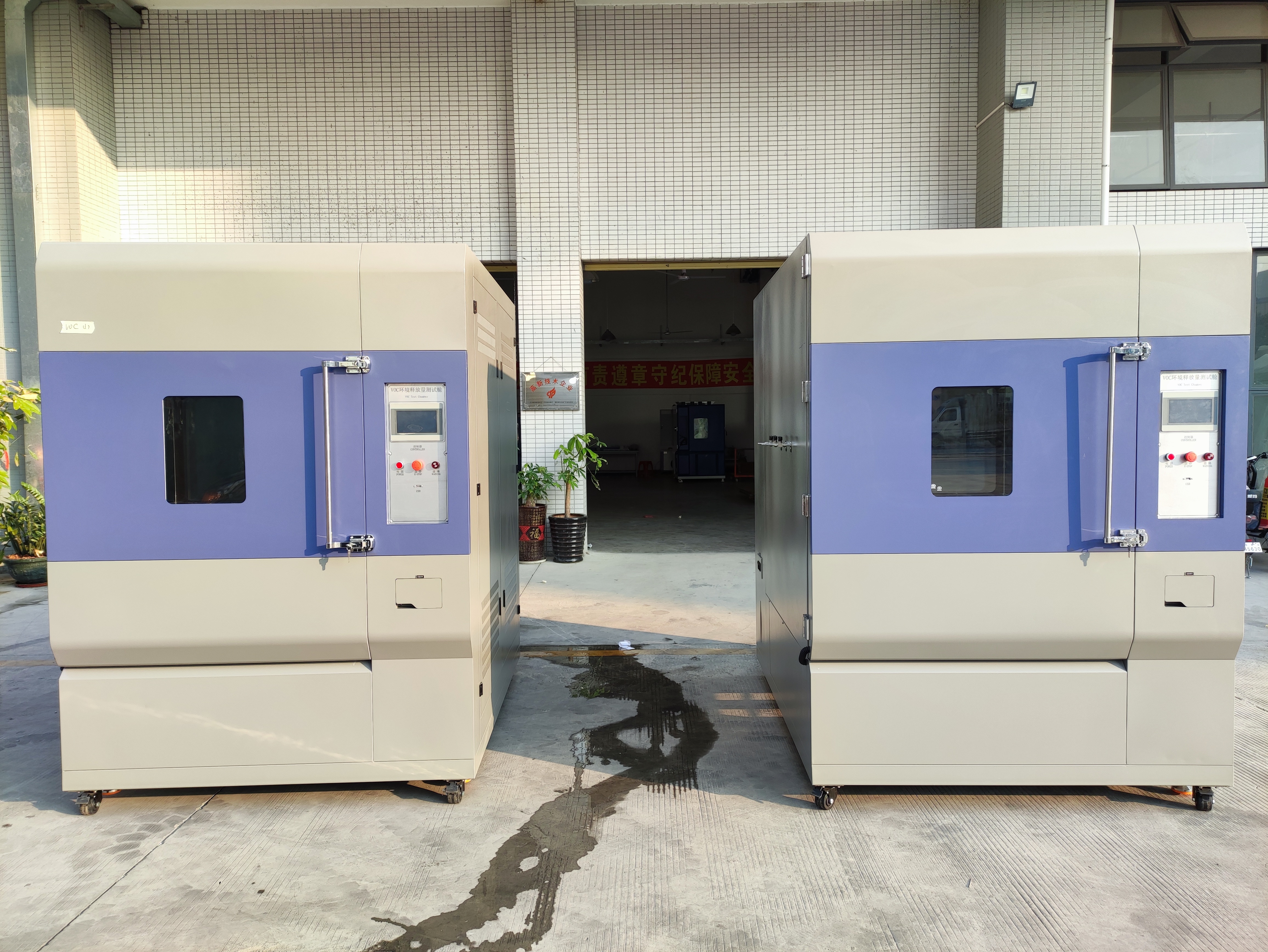
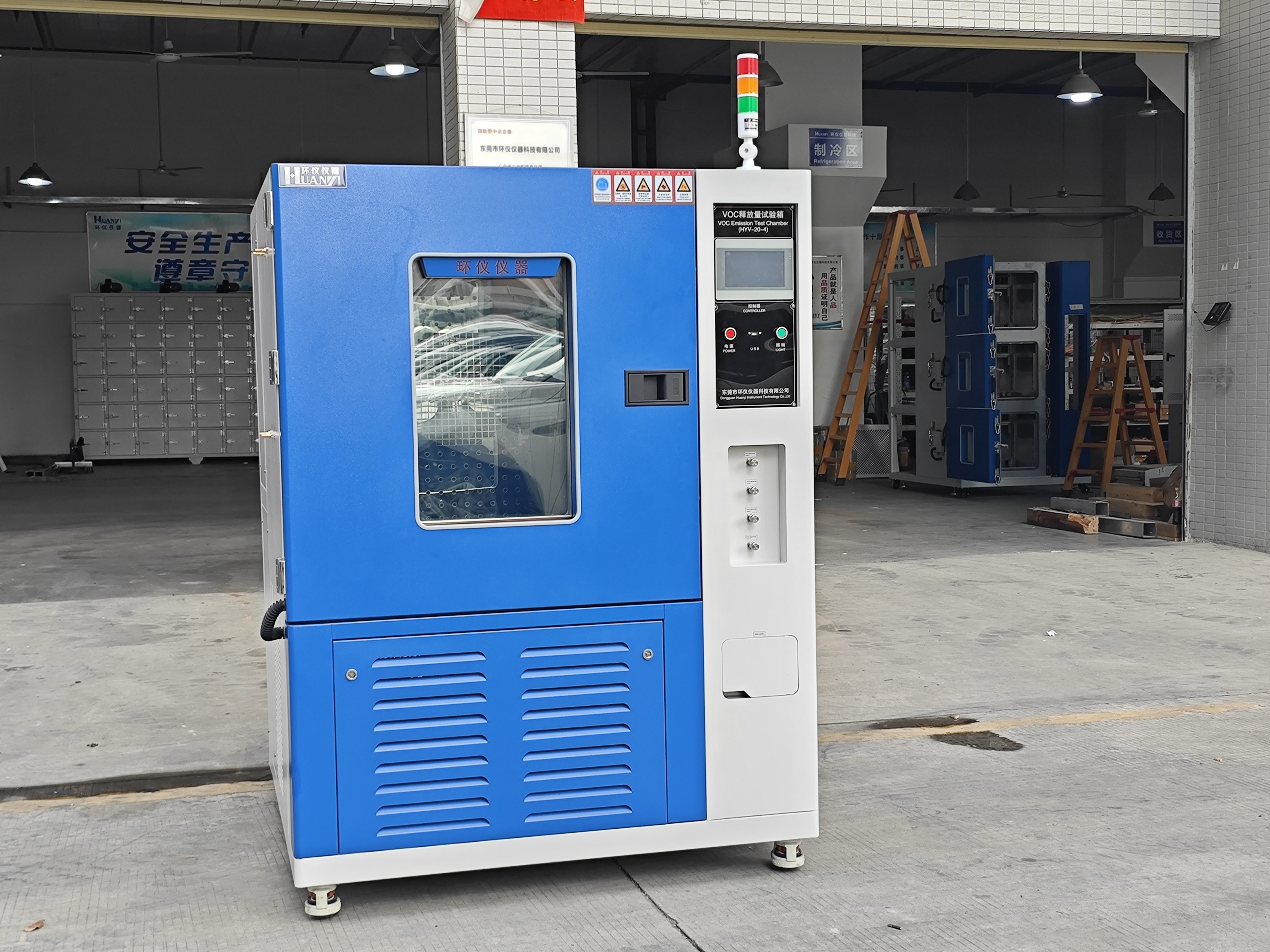
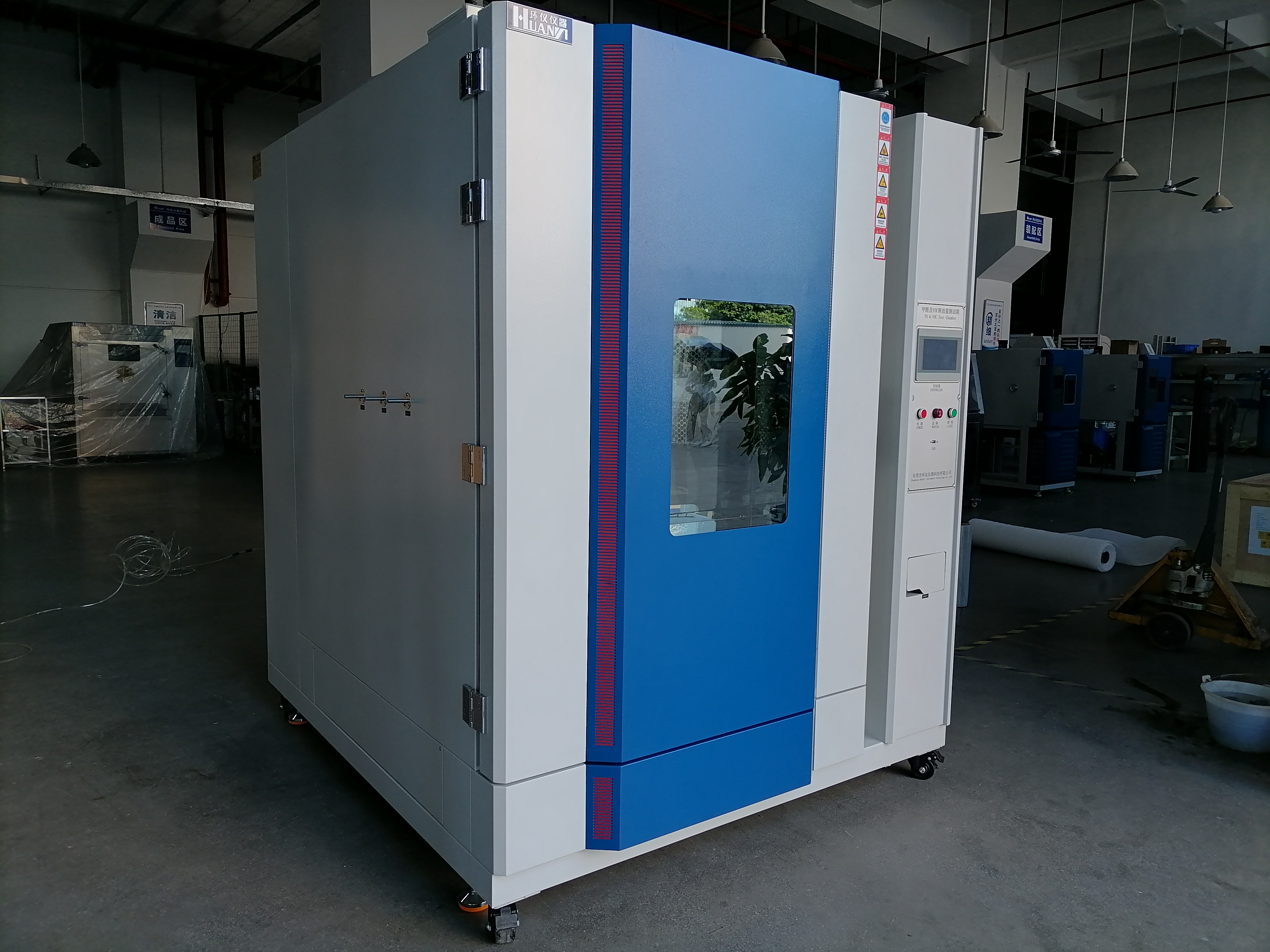
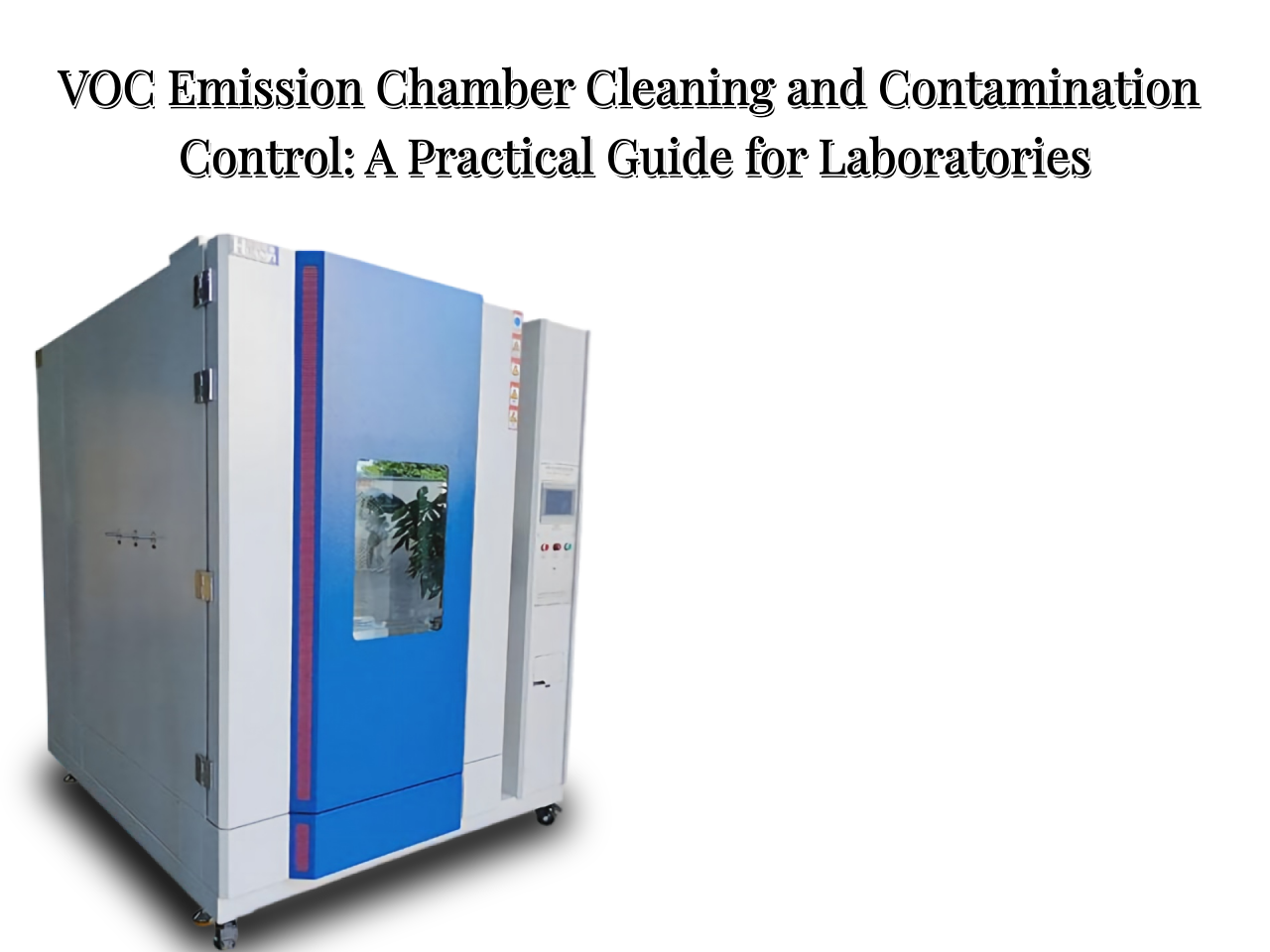
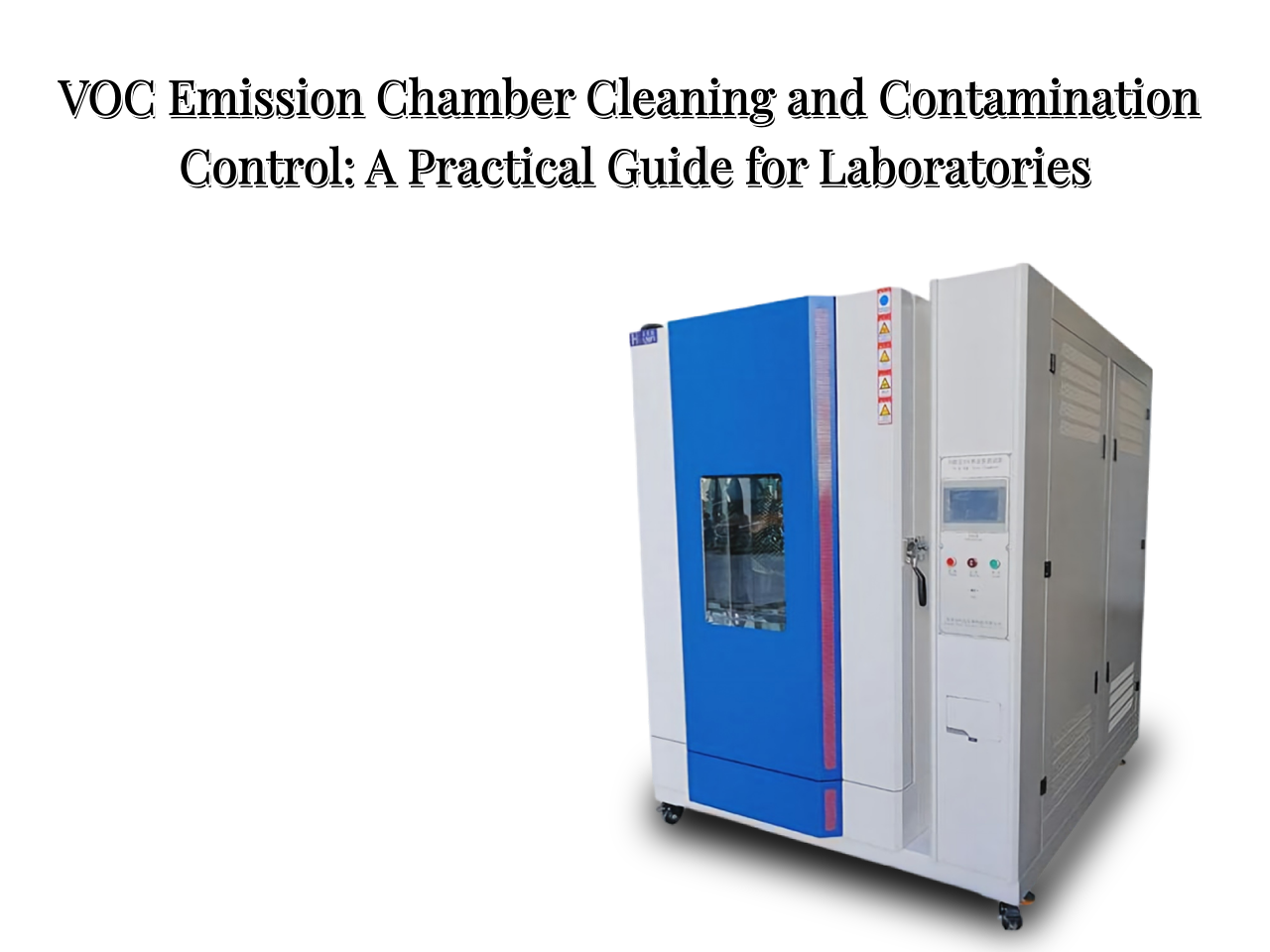
Manufacturers of gas-analysis-based formaldehyde test chamberspecialize in the research, development, and production of Formaldehyde Test Chambers that operate on the principle of gas analysis. Such equipment is typically used to measure formaldehyde emissions from products such as wood-based panels, furniture, and interior decoration materials, playing a vital role in indoor air quality monitoring and quality control within relevant industries. As a scientific testing method, gas analysis works by capturing gas components released from a sample and quantitatively analyzing formaldehyde concentration using specific sensors or chemical techniques, thereby providing reliable data to manufacturers and testing agencies.
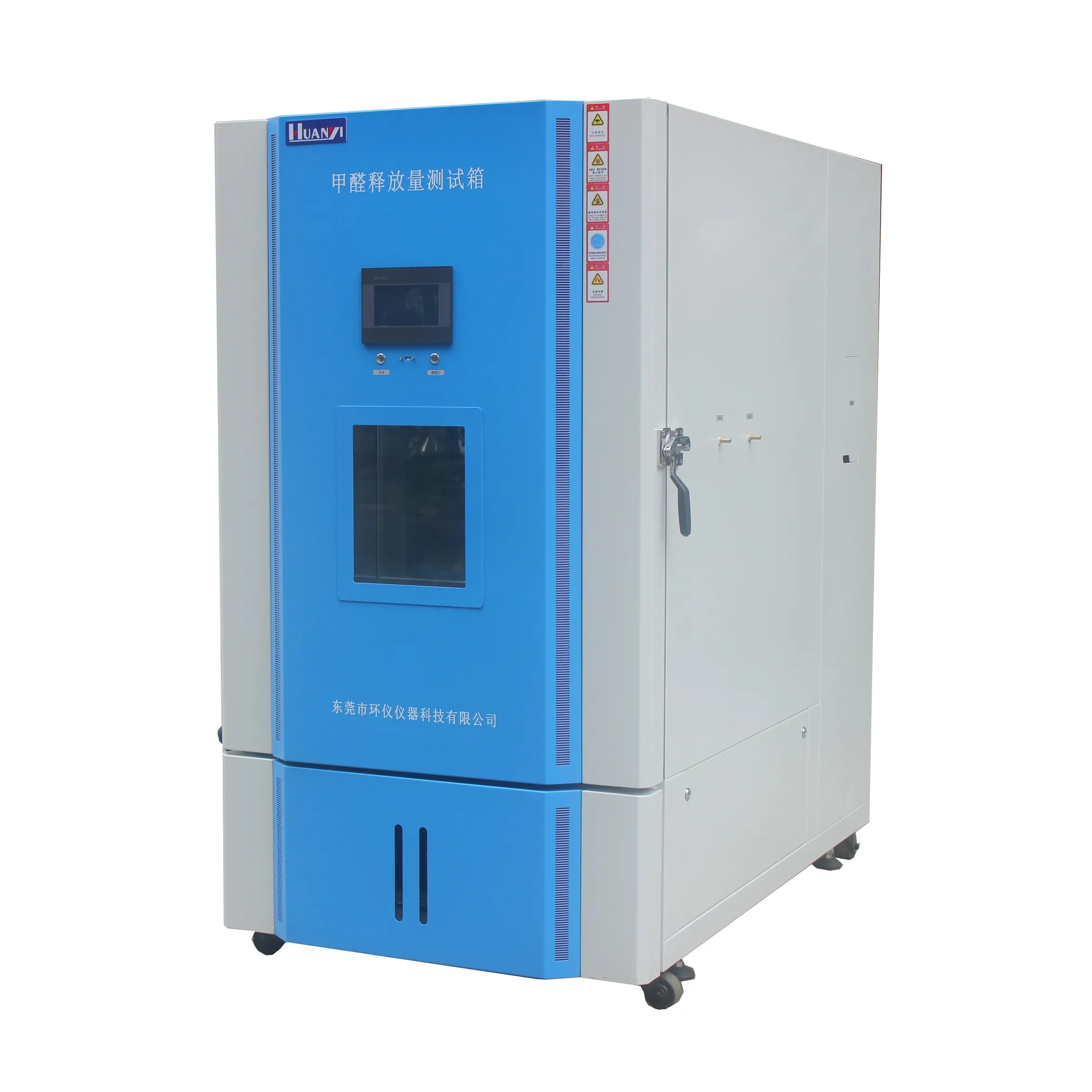
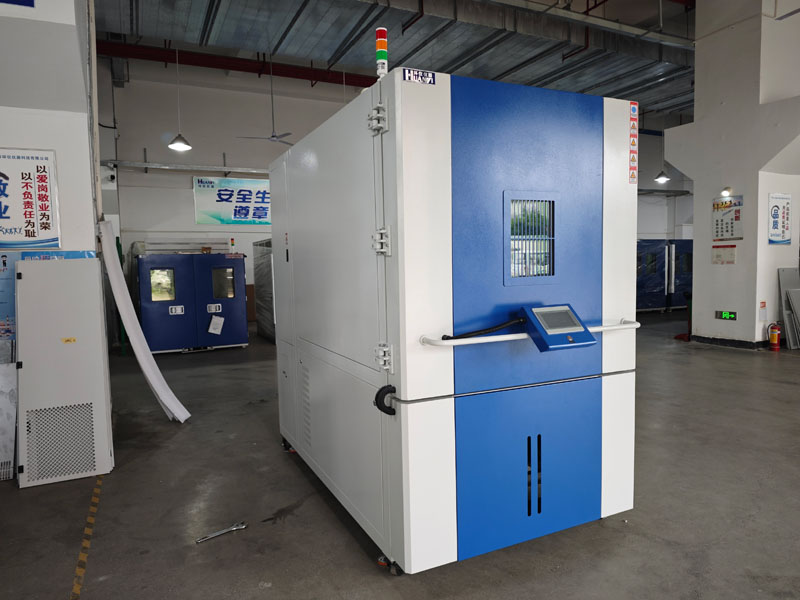
The workflow for gas analysis-based formaldehyde detection equipment typically involves sample pretreatment, gas collection, and analysis and calculation. Taking the common constant temperature and humidity Climate Chamber as an example, the equipment simulates a specific environmental climate; the sample to be tested is placed inside, allowing the released formaldehyde gas to distribute evenly throughout the chamber, after which a gas analyzer draws in the air for testing. The advantage of this method lies in its ability to simulate actual usage conditions, making the results more valuable for reference. Additionally, there are devices that directly employ gas analysis-based formaldehyde testers, using a micro-pump to draw gas into the detection unit for rapid, real-time analysis. When manufacturing such equipment, manufacturers must prioritize sensor sensitivity, stability, and the precision of temperature and humidity control, as these parameters directly affect the accuracy of the test results.
The core value of the equipment provided by manufacturers specializing in gas analysis-based formaldehyde testing lies in ensuring the scientific validity and reproducibility of test results. In practice, such equipment is widely used for factory-gate inspections by wood-based panel manufacturers, random quality checks by regulatory bodies, and research projects at scientific institutions. For instance, on a production line, companies can use gas analysis to regularly monitor formaldehyde emissions from panels, allowing them to adjust production processes promptly and ensure compliance with standards. Testing agencies utilize the equipment to conduct spot checks on renovation materials available in the market, thereby safeguarding consumer rights. Manufacturers typically offer equipment with various specifications and configurations—such as differing climate chamber volumes, numbers of test chambers, and levels of automation—to suit application scenarios of different scales.
In terms of technical principles, gas analysis methods for formaldehyde detection fall into two main categories: those utilizing chemical absorption techniques—such as the phenol reagent spectrophotometric method—which determine formaldehyde concentration via colorimetric reactions; and those employing electrochemical sensors or photoionization detectors to enable real-time, continuous monitoring. The former offers high precision but requires professional operation and a longer processing time, whereas the latter provides rapid response, making it suitable for quick on-site screening. Manufacturers design equipment to meet specific standards—such as GB/T 17657 and GB/T 29899—based on these methods. When selecting equipment, users should prioritize manufacturers that offer comprehensive technical support and after-sales service, as these precision instruments require regular calibration and maintenance to ensure stable, long-term operation.
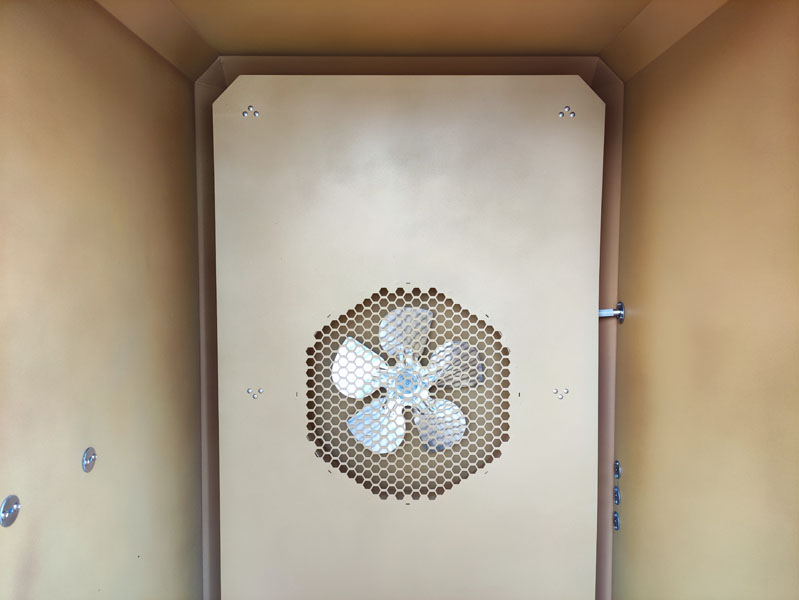
In the industry, manufacturers of formaldehyde detection equipment based on gas analysis methods typically require interdisciplinary technical integration capabilities. The equipment encompasses multiple fields, including mechanical structure, temperature control, gas path design, electronic circuitry, and software algorithms. For instance, the temperature and humidity control precision of the climate chamber must reach ±0.5°C and ±3% RH, while the detection limit of the gas analyzer needs to be 0.01 mg/m³ or even lower. Manufacturers enhance equipment interference resistance and data stability through the continuous optimization of algorithms and hardware design. Furthermore, some manufacturers provide accompanying data analysis software, enabling users to record and export test results and generate reports. These technical details collectively constitute the comprehensive solution for gas-analysis-based formaldehyde detection equipment.
For the average user, understanding the operations of manufacturers producing gas-analysis-based formaldehyde testing equipment helps foster a more rational perspective on test results. The equipment itself is merely a tool; the reliability of the results also depends on factors such as operational protocols, sample handling, and environmental conditions. Consequently, industry professionals should undergo specialized training and operate the equipment in strict accordance with standardized procedures. At the same time, manufacturers bear the responsibility of providing users with clear operating instructions and technical guidance to ensure proper equipment usage. Overall, through continuous technological innovation and product iteration, these manufacturers provide scientific and reliable methods for assessing indoor air quality, playing a vital role in safeguarding consumer health.
In summary, manufacturers of gas-analysis-based formaldehyde testing equipment are not merely makers of hardware; they are entities that integrate research and development, design, production, and service to offer specialized solutions within the niche of formaldehyde detection. Their products cater to a wide range of scenarios—from laboratory analysis to rapid on-line testing—serving industries such as engineered wood, furniture, construction materials, and quality inspection. As environmental regulations become increasingly stringent, the scope of application for this equipment continues to expand, and the underlying technology keeps advancing. Understanding this background enables stakeholders both within and outside the industry to properly appreciate and utilize such equipment, thereby enhancing product quality control and environmental safety monitoring.