


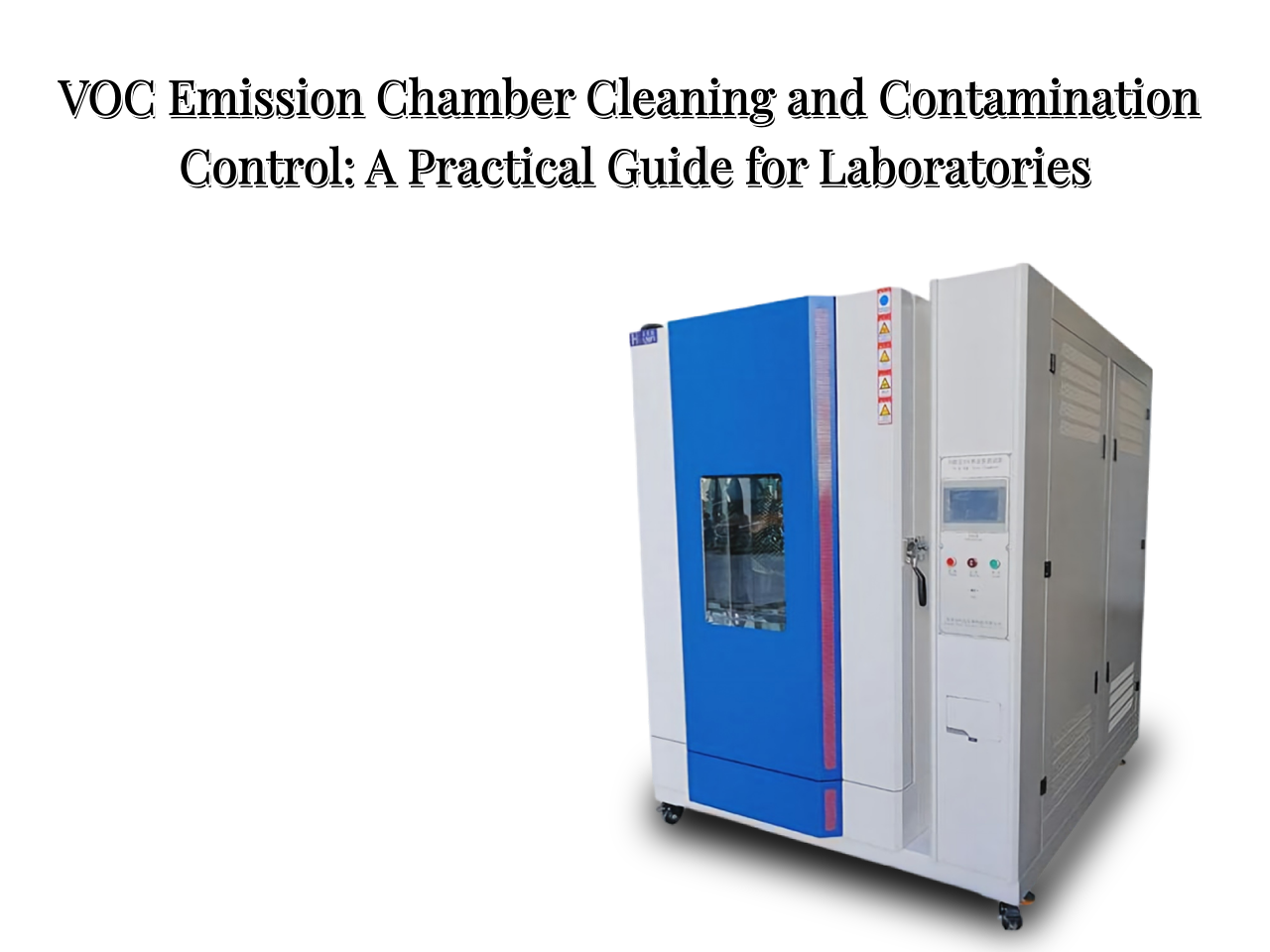
How Does High-Low Temperature Shock Test Chamber Generate Thermal Shock?
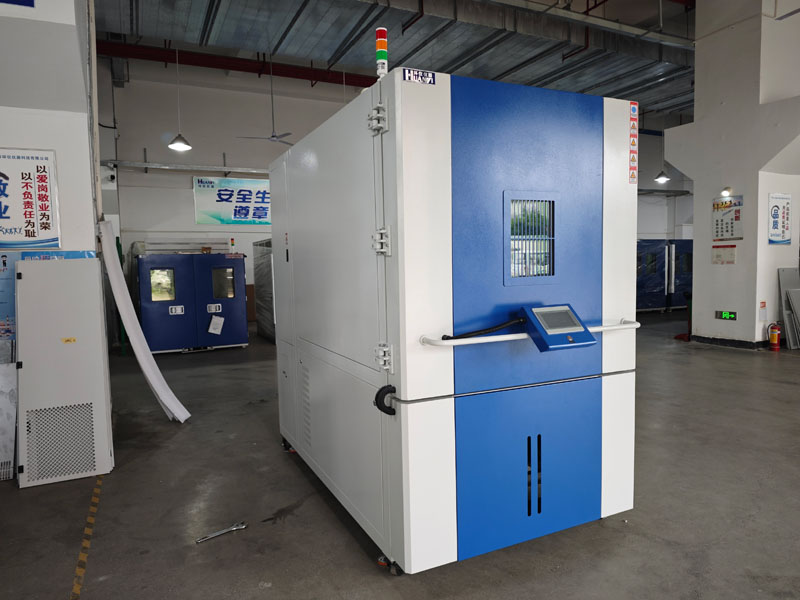
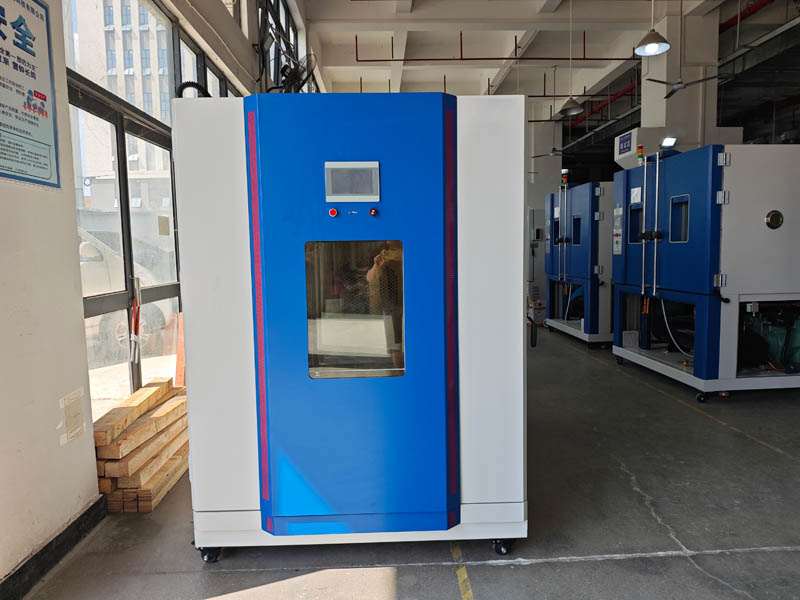
Thermal shock test chambers are typically categorized into two-zone and three-zone configurations. Although both types serve as Thermal Shock Testing devices, the mechanisms by which they execute the temperature shock process differ significantly. If you are looking to purchase a thermal shock test chamber, please read on; the following information will assist you in making the right selection.
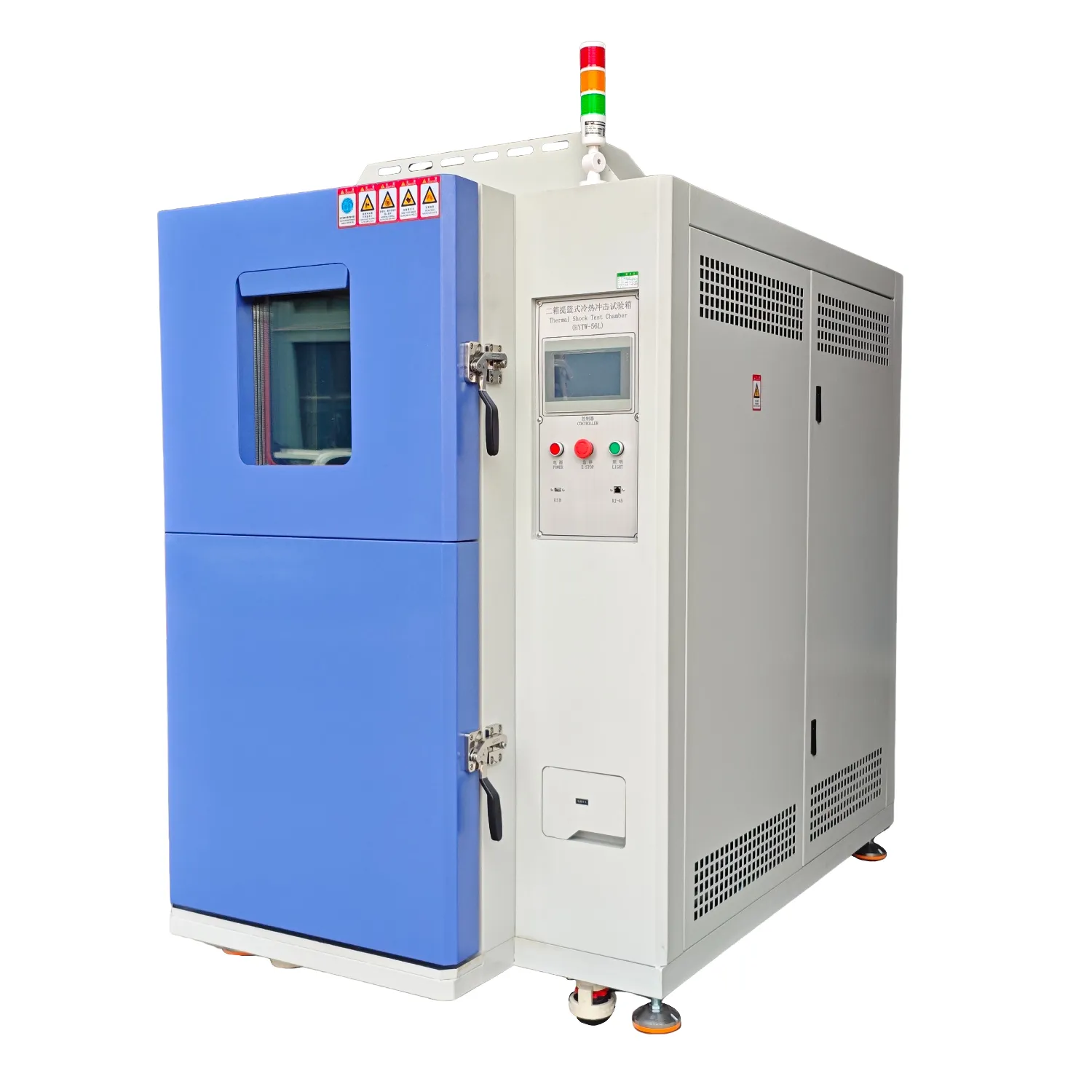
I. Two-Zone Thermal Shock Test Chamber:
This test chamber consists of a specimen basket, a pre-heating chamber, a pre-cooling chamber, a refrigeration system, a heating system, an air duct system, and an electrical control system. The pre-cooling chamber is situated in the lower rear section of the unit, while the pre-heating chamber is located in the upper front section. The refrigeration unit is positioned in the lower rear section, and the electrical control cabinet is located on the right side of the chamber.
During temperature switching, a motor-driven mechanism actuates the specimen basket, thereby facilitating the transition between high and low temperatures by physically moving the test specimen from one temperature zone to the other.
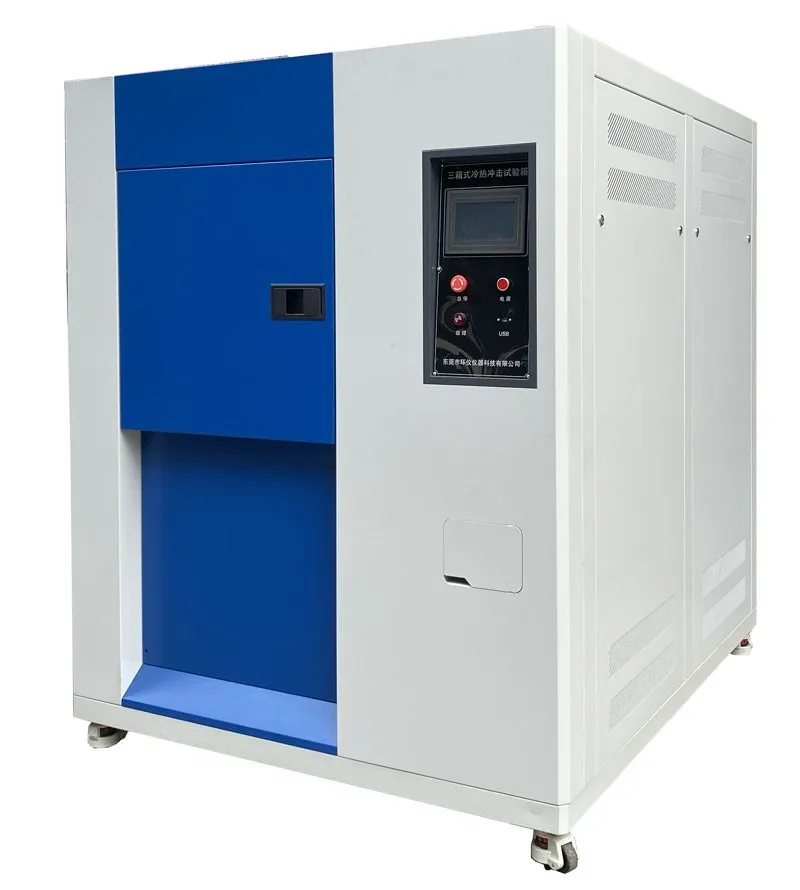
II. Three-Chamber High/Low Temperature Shock Test Chamber:
The test chamber consists of a preheating chamber, a precooling chamber, a test workspace, a refrigeration system, a heating system, an air duct system, and an electrical control system. The test workspace is situated in the central section of the chamber; the high-Temperature Chamber is located in the upper section, while the low-temperature chamber is in the lower section. The refrigeration system is positioned in the lower-rear section of the chamber, and the electrical control cabinet is located in the upper-right section of the chamber's side panel.
During temperature switching, the valves corresponding to the preheating or precooling chamber open, allowing hot or cold air to flow into the test workspace, thereby achieving the objective of temperature shock testing.
Although two-zone and three-zone high-low temperature shock test chambers differ slightly in their structural design and operating principles, they share the same objective: to conduct thermal shock testing on products, thereby assessing the changes that products or materials undergo when exposed to such environmental conditions.
Thermal shock testing is frequently applied within the scope of various standards, including GB/T2423.1-1989 (Low-Temperature Test Methods), GB/T2423.2-1989 (High-Temperature Test Methods), GB/T2423.22-1989 (Temperature Change Tests), GJB150.5-86 (Thermal Shock Tests), GJB360.7-87 (Thermal Shock Tests), and GJB367.2-87 405 (Thermal Shock Tests).