



IEC 60068-2-39 Explained: Combined Temperature and Low Pressure Testing
Introduction
Environmental testing plays an important role in evaluating the reliability and operational performance of electronic components, electrical equipment, and aerospace systems. In many applications, products are exposed to more than one environmental stress simultaneously. Temperature and atmospheric pressure are two important factors that can influence product behavior, particularly in high-altitude environments.
IEC 60068-2-39:2015 provides test methods and guidance for combined temperature or temperature and humidity with low air pressure testing. It helps laboratories evaluate the effects of these combined environmental conditions on equipment and components.
What Is IEC 60068-2-39?
IEC 60068-2-39 is part of the IEC 60068 environmental testing series. Its purpose is to provide procedures for investigating the influence of combined temperature and low air pressure, or temperature, humidity, and low air pressure, on products.
The standard is relevant when individual temperature or low-pressure tests may not adequately represent the environmental stresses encountered during actual operation.
For example, electronic equipment installed in aircraft or high-altitude systems may experience reduced atmospheric pressure while operating under elevated or reduced temperatures. These combined conditions can influence heat dissipation, insulation characteristics, mechanical behavior, and electrical performance.
Official reference: IEC Webstore – IEC 60068-2-39:2015
Why Combined Temperature and Low Pressure Testing Matters
Low air pressure changes the physical environment surrounding a test specimen. One important effect is the reduction of convective heat transfer.
When air density decreases, the ability of air to remove heat from electronic components may be reduced, depending on the cooling arrangement. Components designed for atmospheric-pressure operation may therefore experience different temperature distributions under low-pressure conditions.
Combined testing can also reveal potential problems associated with electrical insulation, sealed components, and material behavior.
These effects are particularly relevant to aerospace electronics, power electronics, electrical systems, and equipment designed for elevated-altitude operation.
Typical Test Procedure
A combined temperature and low-pressure test generally involves several controlled stages:
1. Preparing and installing the specimen according to the applicable test specification.
2. Adjusting the chamber to the required temperature.
3. Allowing the specimen to reach the specified temperature stability.
4. Reducing chamber pressure to the required absolute pressure.
5. Maintaining temperature and pressure for the specified exposure period.
6. Monitoring specimen operation when functional testing is required.
7. Returning the chamber pressure and temperature to the specified recovery conditions.
8. Inspecting the specimen and evaluating test results.
The actual temperature, pressure, exposure duration, and specimen operating conditions should be determined by the applicable standard, product specification, or customer test plan.
Important Considerations for Test Chamber Selection
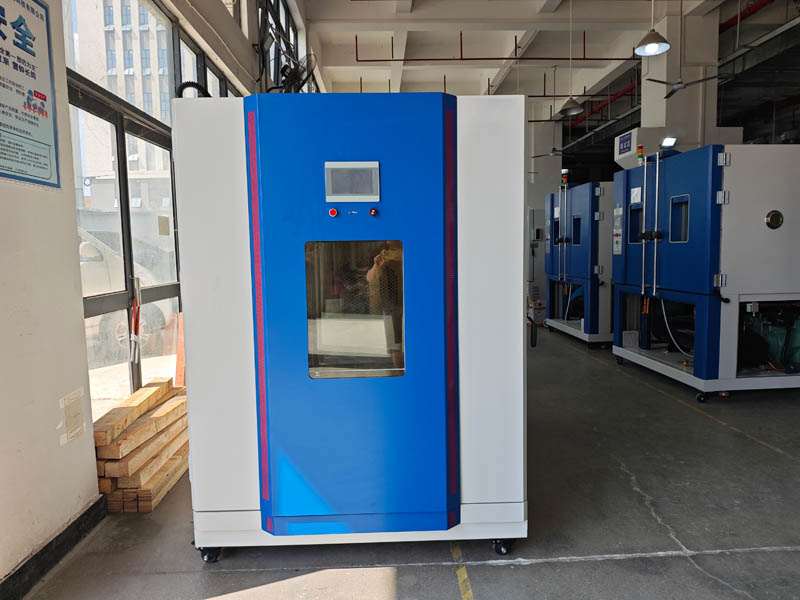
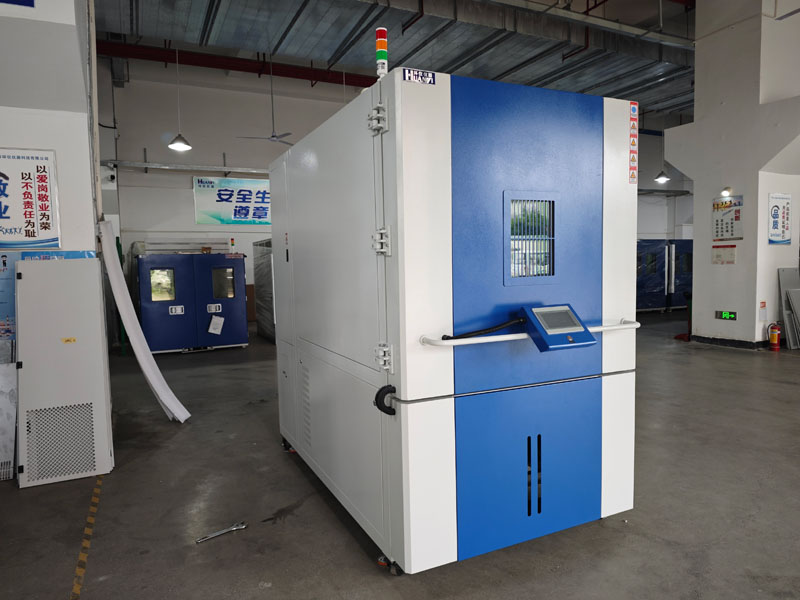
A combined temperature and low-pressure test chamber must provide coordinated control of temperature and pressure.
Important engineering considerations include:
- Temperature range and temperature stability.
- Pressure range and absolute-pressure measurement.
- Pressure reduction and recovery rates.
- Temperature uniformity under reduced pressure.
- Chamber sealing and structural integrity.
- Specimen feedthroughs for electrical power and measurement.
- Monitoring and recording of temperature and pressure.
- Compatibility with the intended specimen size and test conditions.
The required performance should be verified under the actual test configuration rather than evaluated only from unloaded chamber specifications.
Conclusion
IEC 60068-2-39 provides an important technical framework for combined temperature and low-pressure environmental testing. By reproducing relevant environmental stresses under controlled laboratory conditions, manufacturers and laboratories can better understand product behavior and identify potential reliability issues.
Selecting an appropriate test chamber requires careful consideration of the applicable standard, specimen characteristics, and required environmental conditions.
Reference: IEC 60068-2-39:2015, Environmental testing – Part 2-39.