



Improving Repeatability in VOC Emission Testing: From Chamber Design to Laboratory Practice
Introduction
Repeatability is an important consideration in VOC emission testing. When the same material is tested more than once, laboratories need to understand whether differences in results reflect actual changes in the material or variation in the testing process.
Research into emissions from building products has examined the effects of chamber conditions, specimen handling, analytical procedures, and differences between laboratories. These studies highlight an important principle: reliable VOC testing depends on the entire measurement process, not simply on the Environmental Chamber.
1. Control the Test Environment
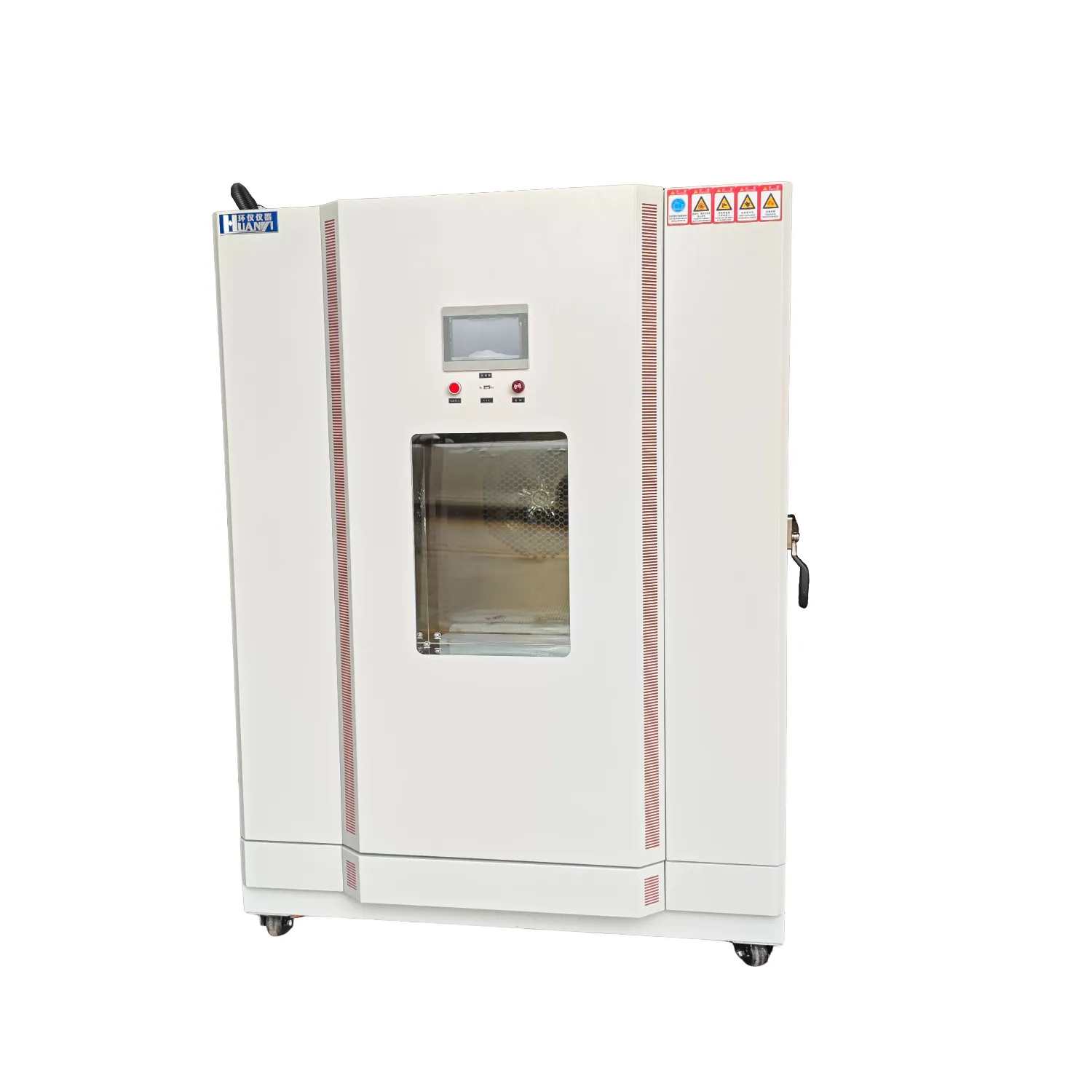
Temperature, relative humidity, and airflow can influence VOC emissions and measured chamber concentrations. Even when a chamber is programmed to a particular setpoint, its actual operating conditions should be monitored and recorded.
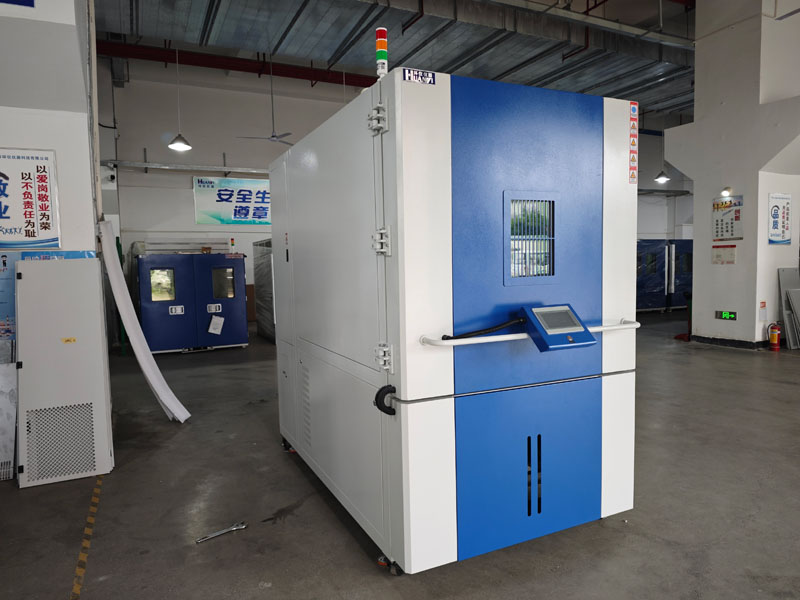
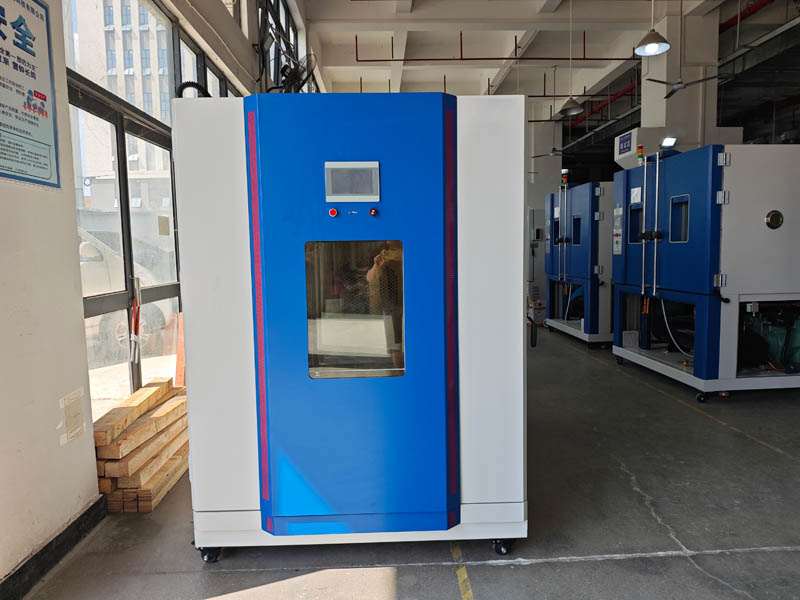
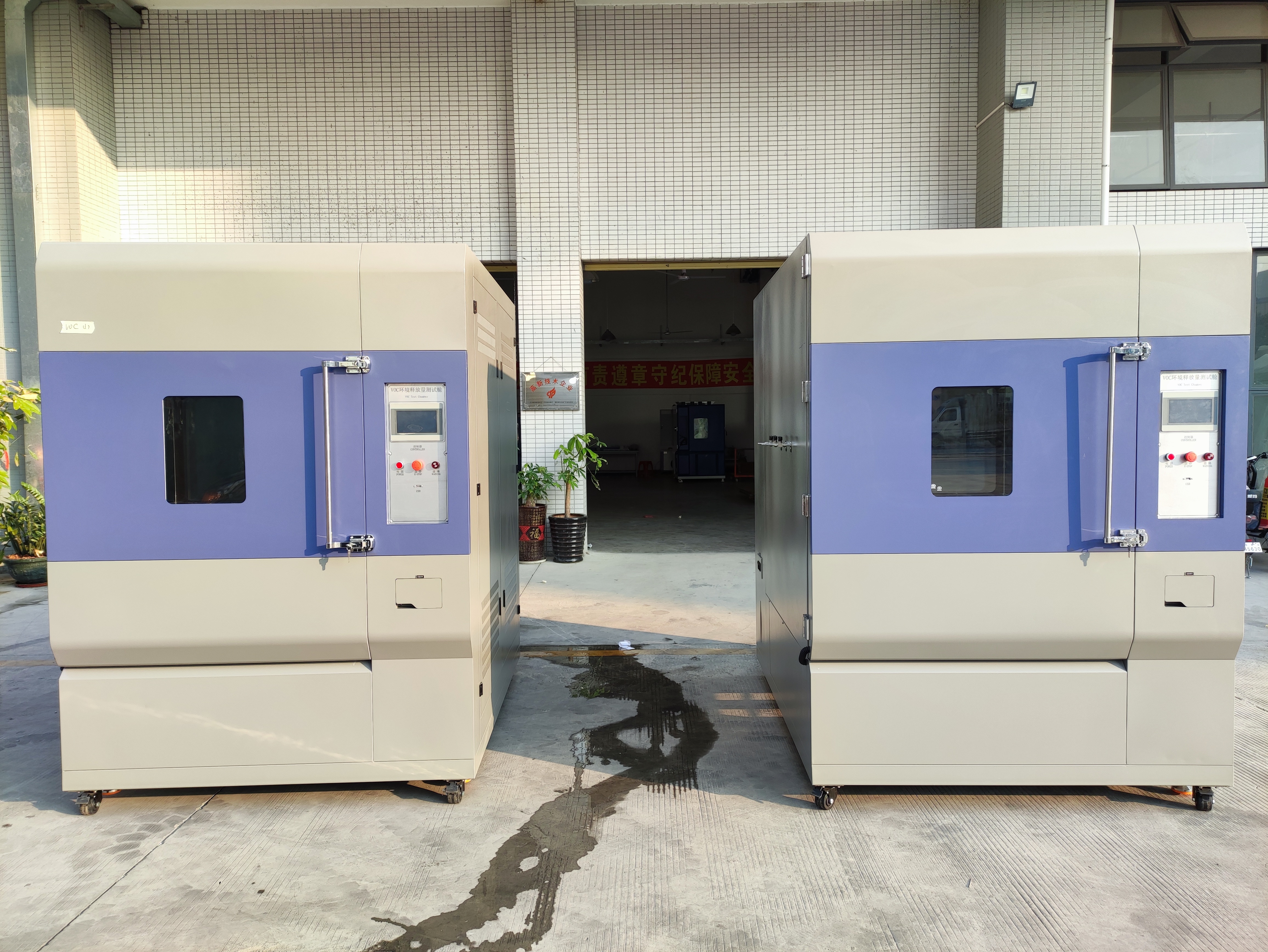
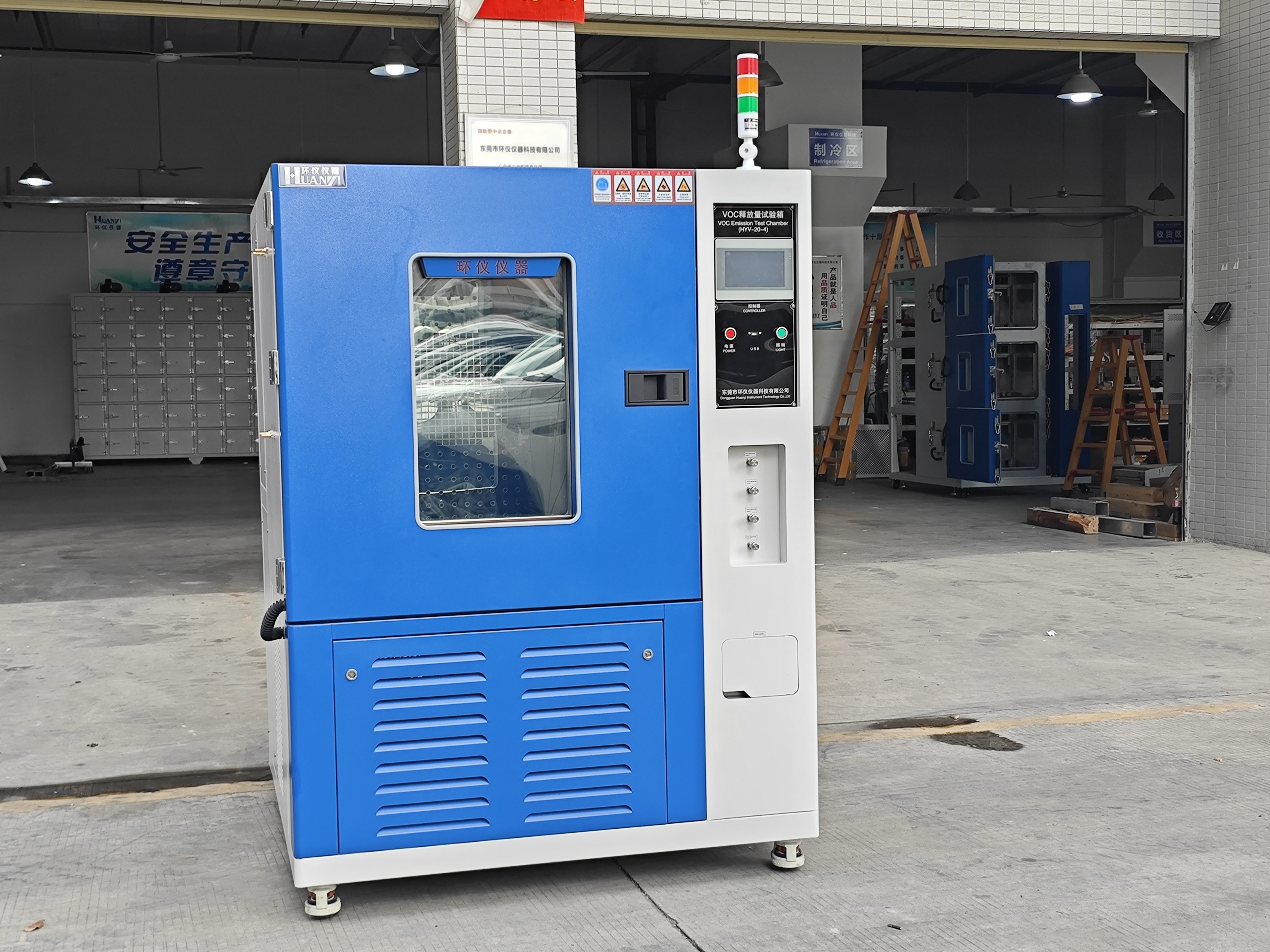
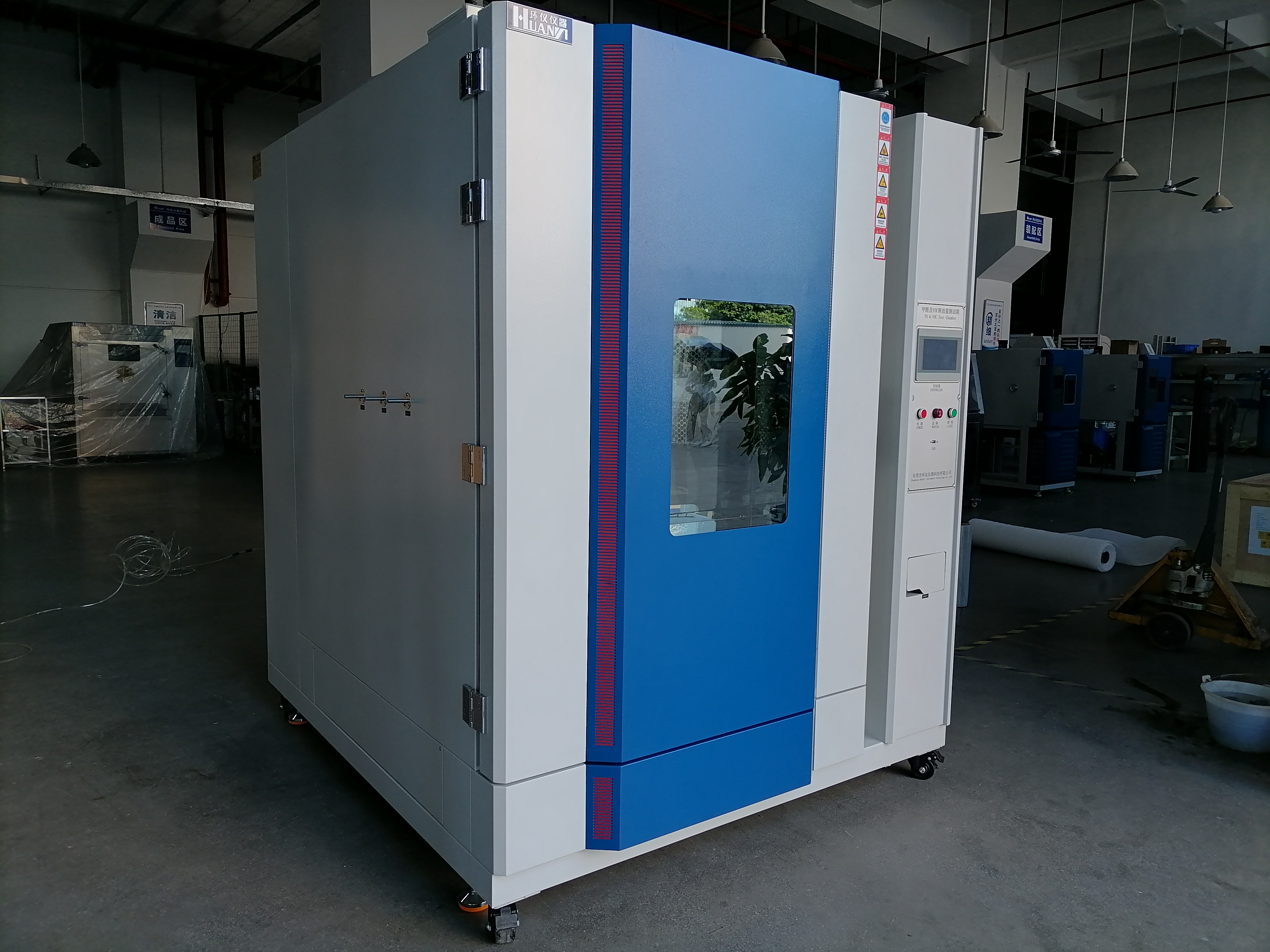
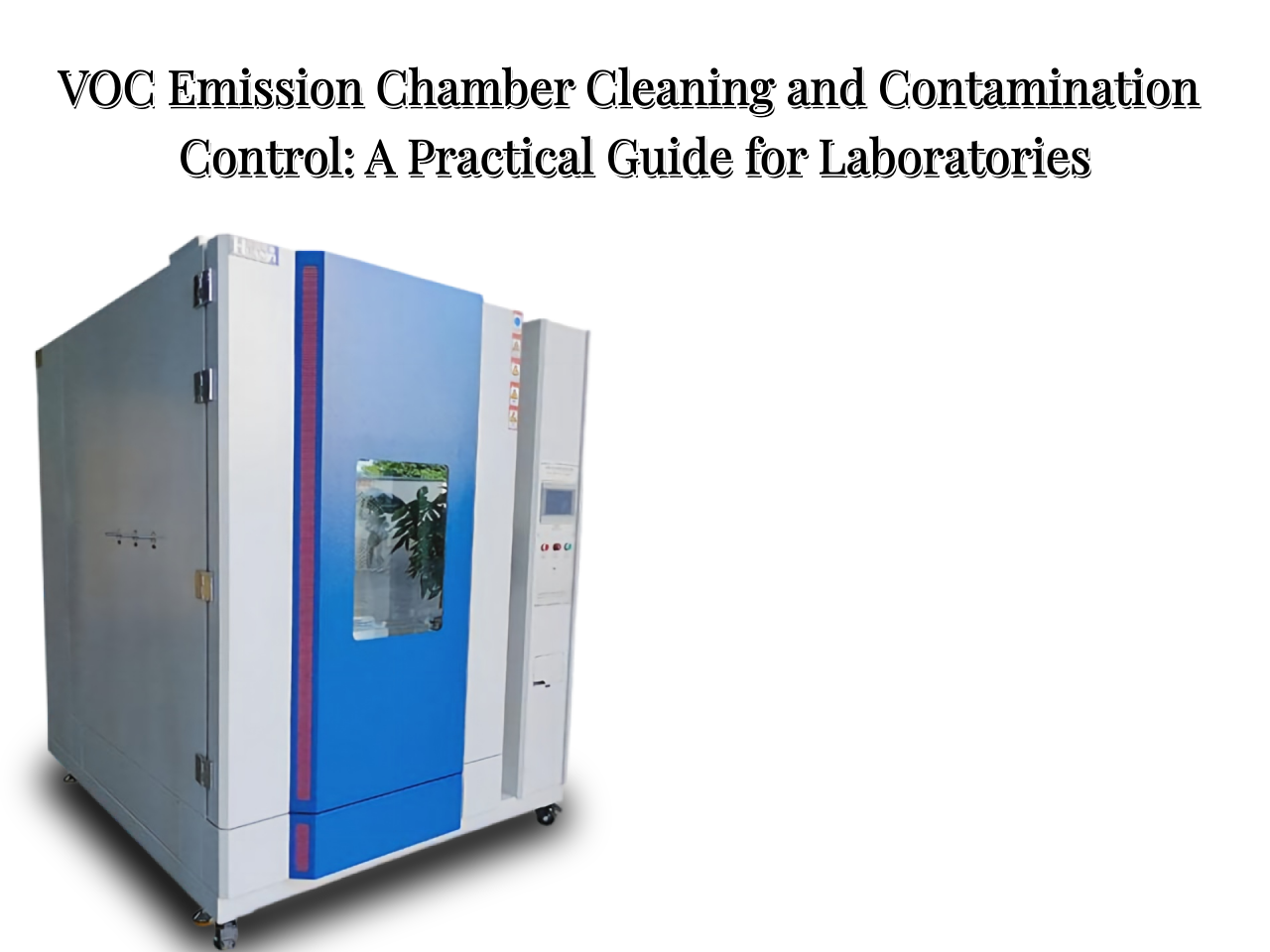
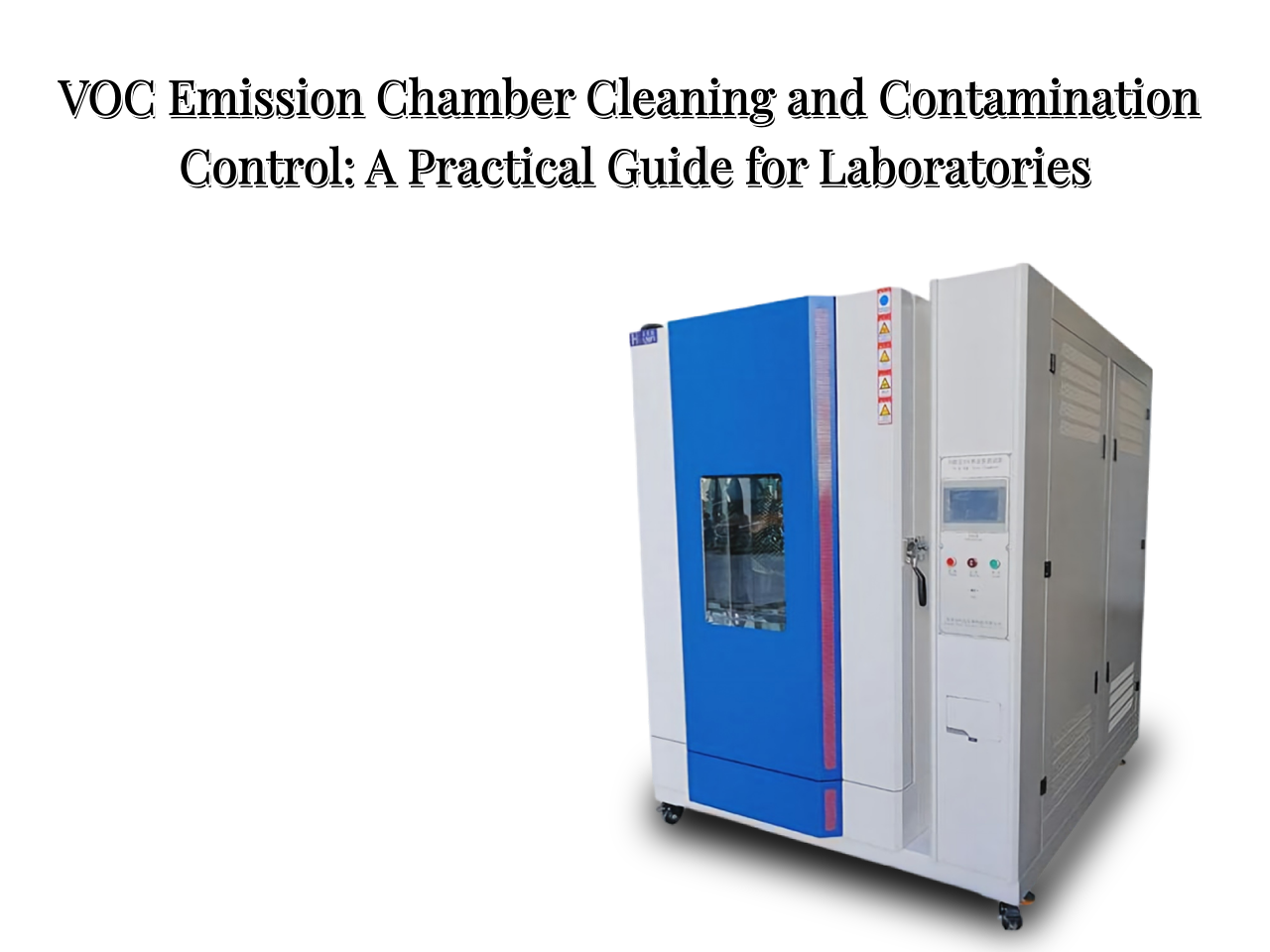
A suitable VOC Chamber should provide the control functions required by the target test method and support verification of relevant parameters. Airflow control, sensor calibration, and the stability of environmental conditions should be included in the laboratory's quality assurance procedures.
ISO 16000-9:2024 provides a chamber-based method for measuring emissions from building products and furnishings under defined conditions. Laboratories should follow the applicable procedure rather than relying on a generic environmental profile.
2. Standardize Specimen Preparation
Variation in specimen preparation can lead to variation in test results. Sample dimensions, exposed surface area, edge treatment, packaging, storage, and elapsed time before testing may affect the measured emissions.
To improve consistency, laboratories should document the source of each specimen and establish repeatable procedures for preparation, transport, storage, and conditioning.
ISO 16000-11 provides relevant guidance on specimen sampling, transport, storage, and preparation. The exact procedure should be selected according to the material and applicable test program.
3. Verify Chamber Background and System Performance
A chamber may introduce background compounds through its internal materials, seals, air supply, or sampling system. These contributions can complicate the interpretation of low-level emissions.
Background measurements help laboratories determine whether the system is sufficiently clean for the intended test. Cleaning and conditioning procedures should be documented, and background results should be reviewed before testing begins.
Recovery evaluation is another useful performance check. ISO 16000-9:2024 includes procedures for assessing recovery using specified compounds, providing information about possible losses in the measurement system.
These checks should be treated as part of a documented verification plan, not as optional substitutes for routine quality control.
4. Maintain Consistent Sampling and Analysis
The sampling and analytical stages can contribute to variation even when the chamber operates consistently. Differences in sampling flow, tube handling, sample storage, instrument calibration, and data processing may influence the reported concentrations.
ISO 16000-6 addresses VOC determination using sorbent tubes and chromatographic analysis. Laboratories should ensure that the analytical procedure is appropriate for the target compounds and compatible with the chamber sampling arrangement.
Standard operating procedures should define sampling points, timing, sample handling, calibration checks, and reporting conventions. Changes to these procedures should be recorded and evaluated.
5. Use Interlaboratory Studies to Understand Variation
Interlaboratory comparisons help assess whether different laboratories obtain comparable results when evaluating similar materials. Research on VOC emissions from building products has reported differences between laboratories and examined how measurement practice can affect comparability.
Such studies are valuable because they show that repeatability within one laboratory and reproducibility between laboratories are different concepts. A method may perform consistently in one laboratory while results still vary across facilities due to differences in equipment, preparation, or analytical practice.
Where available and relevant, proficiency testing or interlaboratory comparison programs can help laboratories evaluate their performance against external results. The design and interpretation of such programs should account for the material, test method, and target compounds.
6. Create a Traceable Testing Record
A useful test record should include specimen identification, preparation details, chamber settings, actual operating conditions, airflow, background results, sampling information, analytical data, calibration status, and any deviations from the procedure.
These records make it easier to investigate unexpected results and identify whether a change originated from the material, chamber operation, or analytical workflow.
Equipment suppliers can support this process by providing relevant technical documentation, calibration information, maintenance guidance, and available verification records. However, the laboratory remains responsible for ensuring that its complete test method is suitable for the intended purpose.
Conclusion
Improving repeatability in VOC emission testing requires a coordinated approach. Stable environmental control, consistent specimen preparation, background verification, suitable sampling and analysis, and traceable records all contribute to more meaningful comparisons.
When selecting a VOC Emission Test Chamber, laboratories should evaluate how the equipment supports the required method and how its performance can be verified. A reliable test result is produced by a controlled and documented system—not by a chamber specification alone.
References:
ISO 16000-9:2024
Research review on VOC/SVOC emission measurement methods and influencing factors
Interlaboratory study on VOC emissions from building products