



ISO 16000-11:2024: How Sample Preparation Affects VOC Emission Testing
Introduction
When evaluating volatile organic compound (VOC) emissions from building products and furnishings, laboratories often focus on the Environmental Chamber, temperature control, humidity, and air exchange rate. However, the test specimen itself is equally important.
Before a material enters a VOC emission test chamber, it must be sampled, transported, stored, and prepared according to the applicable test method. Differences in these steps can affect the emission profile and make results more difficult to compare.
ISO 16000-11:2024 addresses the sampling, storage, and preparation of test specimens used for determining VOC emissions from building products and furnishings. Understanding its role helps laboratories establish a more consistent testing workflow.
1. Why Specimen Preparation Matters
VOC emissions depend on more than the chemical composition of a material. They can also be influenced by the product's age, exposed surface area, storage conditions, and preparation history.
For example, cutting a panel may expose internal material that was not previously in contact with air. Applying a coating to a substrate creates a different emission scenario from testing the uncoated substrate. Delays between sample collection and testing may also affect the amount of certain compounds remaining in the specimen.
If laboratories prepare nominally identical specimens in different ways, the resulting emission data may not be directly comparable.
Specimen preparation should therefore be treated as a controlled part of the test method, not as an informal step before chamber testing.
2. Sampling and Sample Identification
A representative test begins with a clearly identified sample.
The laboratory should establish a documented process for receiving and identifying specimens. Depending on the product and applicable procedure, relevant information may include the product name, batch number, manufacturing date, sample dimensions, packaging condition, and date of receipt.
For products that may vary across a production batch, the sampling plan should also consider whether one specimen adequately represents the material being evaluated.
The report should distinguish between information provided by the supplier and observations made by the laboratory. This helps preserve traceability throughout the testing process.
3. Transport and Storage Conditions
After sampling, the specimen should be protected from conditions that could change its emissions before testing.
Uncontrolled exposure to air, heat, sunlight, or other environmental conditions may alter the material or cause compounds to escape before the formal chamber test begins.
The appropriate packaging, storage temperature, and maximum holding period depend on the product and the applicable method. Laboratories should not assume that one storage procedure is suitable for all materials.
A practical quality system should document when the sample was received, how it was stored, when it was prepared, and when chamber testing began. Any deviation from the prescribed procedure should be evaluated and recorded.
4. Preparing Solid Materials and Composite Products
Solid building products, panels, flooring materials, and composite products may require preparation to establish the intended exposed area and test configuration.
The laboratory should determine which surfaces and edges are to be exposed and which should be sealed, where sealing is required by the method.
This distinction can be important because cut edges may release compounds differently from the original product surface. If edge emissions are not part of the intended test, the specimen may need to be prepared in a way that reflects the method's requirements. If edge emissions are relevant, the preparation procedure should preserve the intended test condition.
The exposed surface area and specimen dimensions should be documented because they may be used in the interpretation or calculation of emission rates.
5. Preparing Liquid Products and Coatings
Liquid products, including paints, varnishes, and impregnating primers, require particular attention to application and film formation.
The amount of material applied, the substrate, the application technique, and the time between application and testing may all affect the measured emission profile.
The 2024 edition of ISO 16000-11 includes more detailed descriptions for preparing samples of liquid products. It also recommends wet-layer thickness rather than dry-film thickness for preparing liquid samples and adds instructions related to determining emissions from cut edges.
These details illustrate why laboratories should consult the current edition of the applicable standard instead of relying on an older internal procedure without review.
The specific application rate, substrate, curing period, and specimen configuration should follow the method relevant to the product being tested.
6. Connect Specimen Preparation with Chamber Conditions
A correctly prepared specimen must be tested under the defined chamber conditions.
ISO 16000-9 addresses the Emission Chamber method, while ISO 16000-11 addresses specimen sampling, storage, and preparation. ISO 16000-6 addresses the subsequent determination of organic compounds in chamber air using a specified sampling and analytical approach.
These parts serve different functions within the broader testing workflow. A laboratory should ensure that its specimen preparation procedure, chamber protocol, and air-sampling method are mutually consistent.
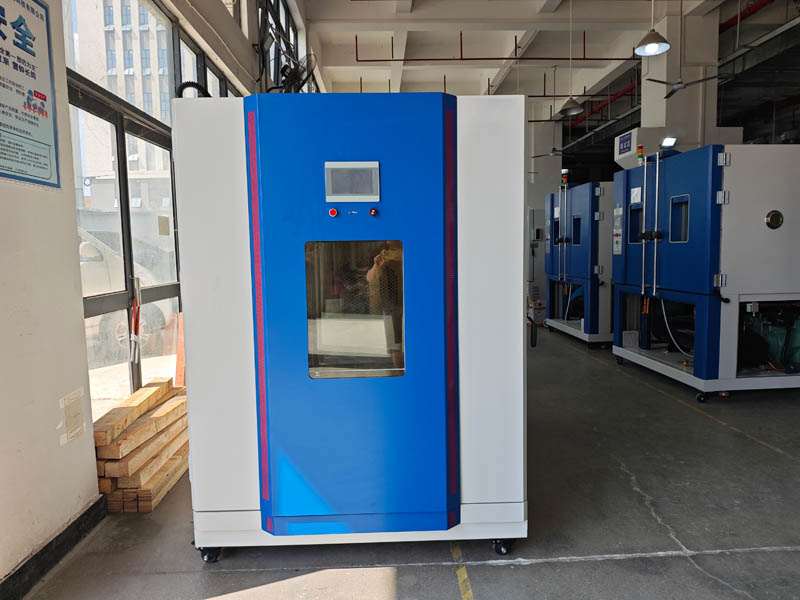
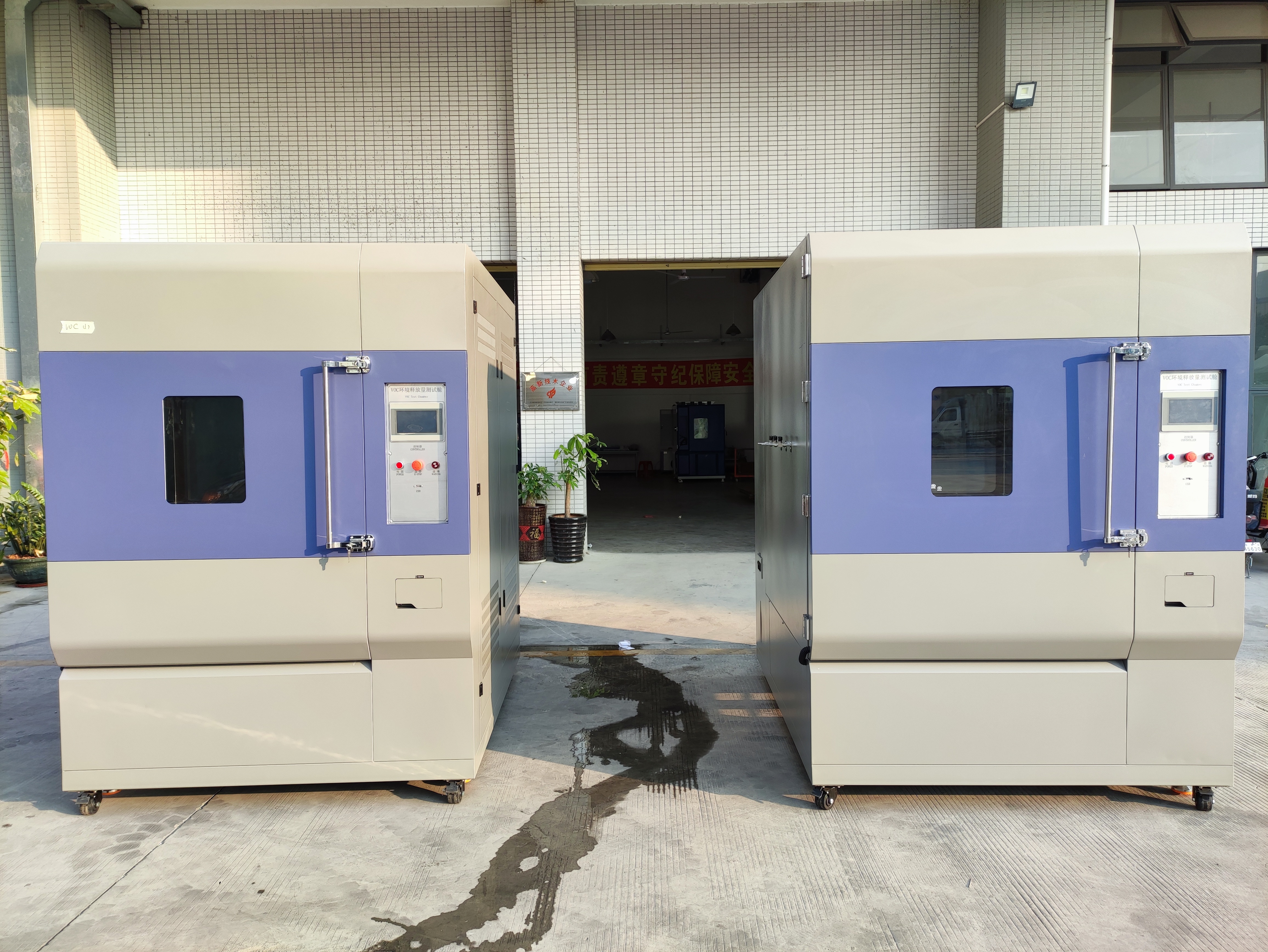
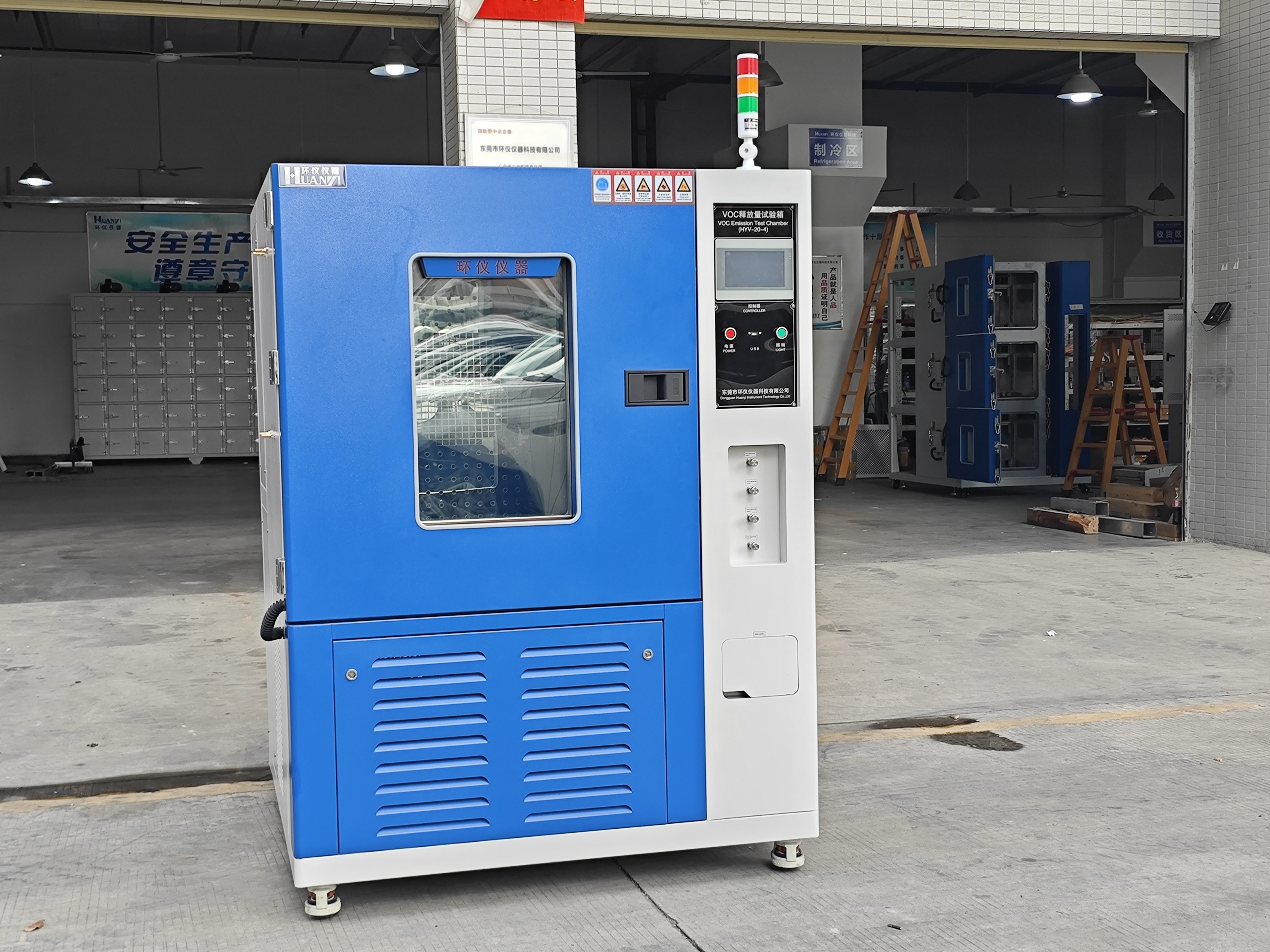
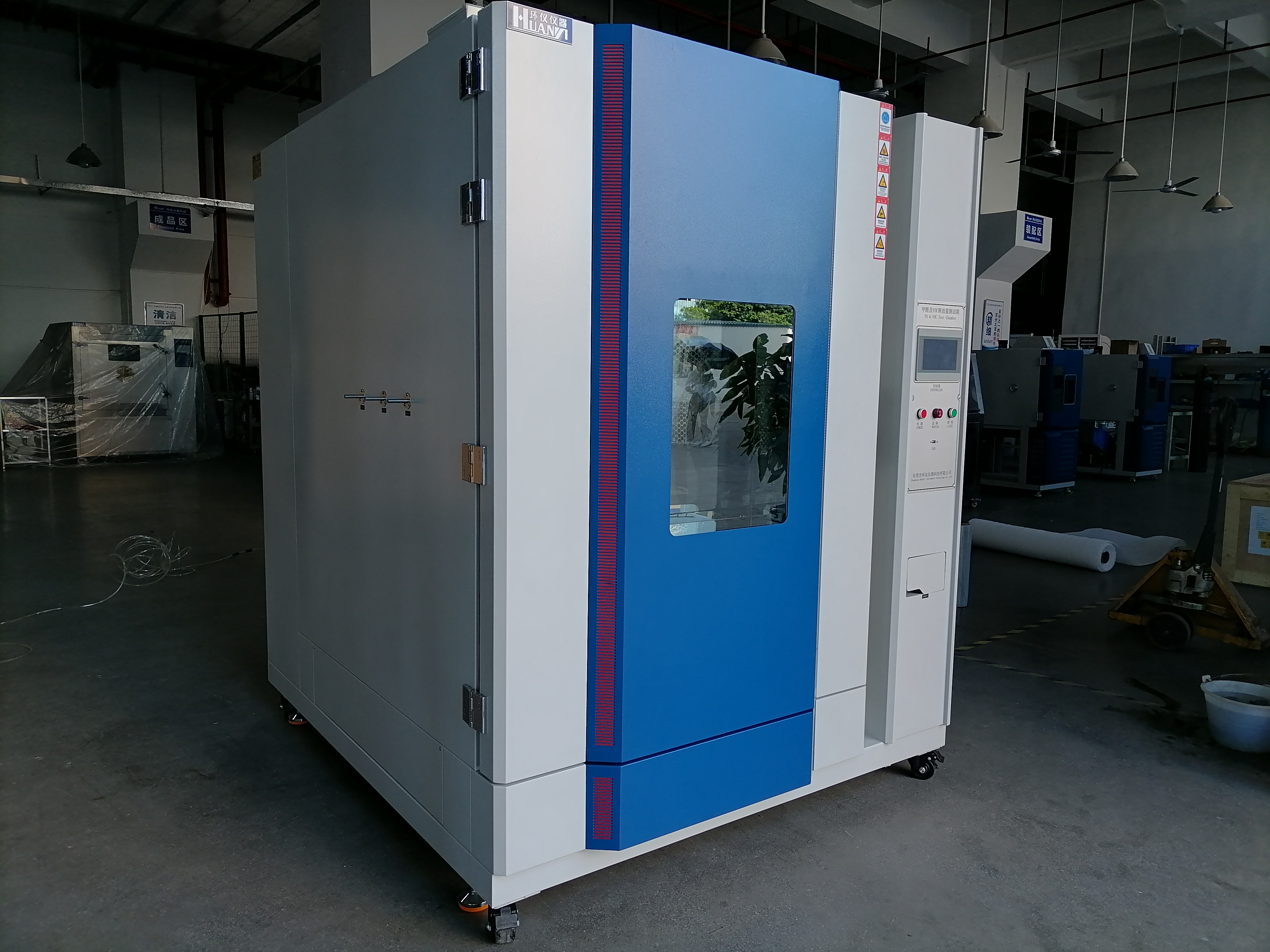
For equipment manufacturers, this also means that a chamber's environmental control capability is only one element of the complete test arrangement.
7. Build Traceability into the Workflow
A repeatable specimen-preparation procedure should define responsibilities, required records, acceptance checks, and actions for deviations.
Useful records may include sample receipt information, storage history, preparation dimensions, exposed surface area, sealing details, preparation times, and photographs where appropriate.
When results differ between batches or laboratories, these records can help determine whether the difference may be related to the material itself or to differences in specimen handling.
Conclusion
ISO 16000-11:2024 highlights an important principle in VOC emission testing: reliable chamber measurements begin before the specimen enters the chamber.
Controlled sampling, storage, and preparation help laboratories reduce avoidable variation and improve the interpretability of emission data. When selecting a VOC chamber, laboratories should also consider whether the overall testing workflow provides the access, monitoring, and documentation needed to support their specimen-preparation procedures.
Reference: ISO 16000-11:2024, Indoor air — Determination of the emission of volatile organic compounds from samples of building products and furnishing — Sampling, storage of samples and preparation of test specimens.