



ISO 16000-6:2021: Understanding VOC Air Sampling and Analytical Requirements
Introduction
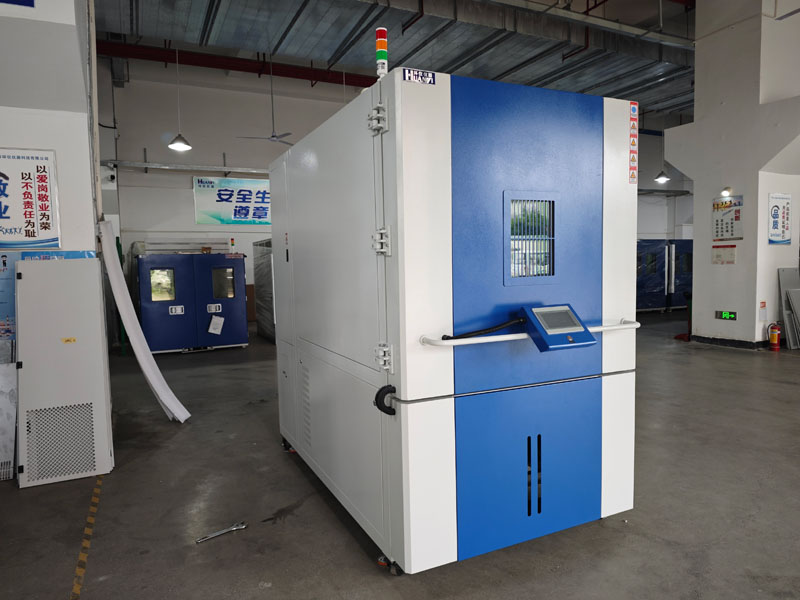
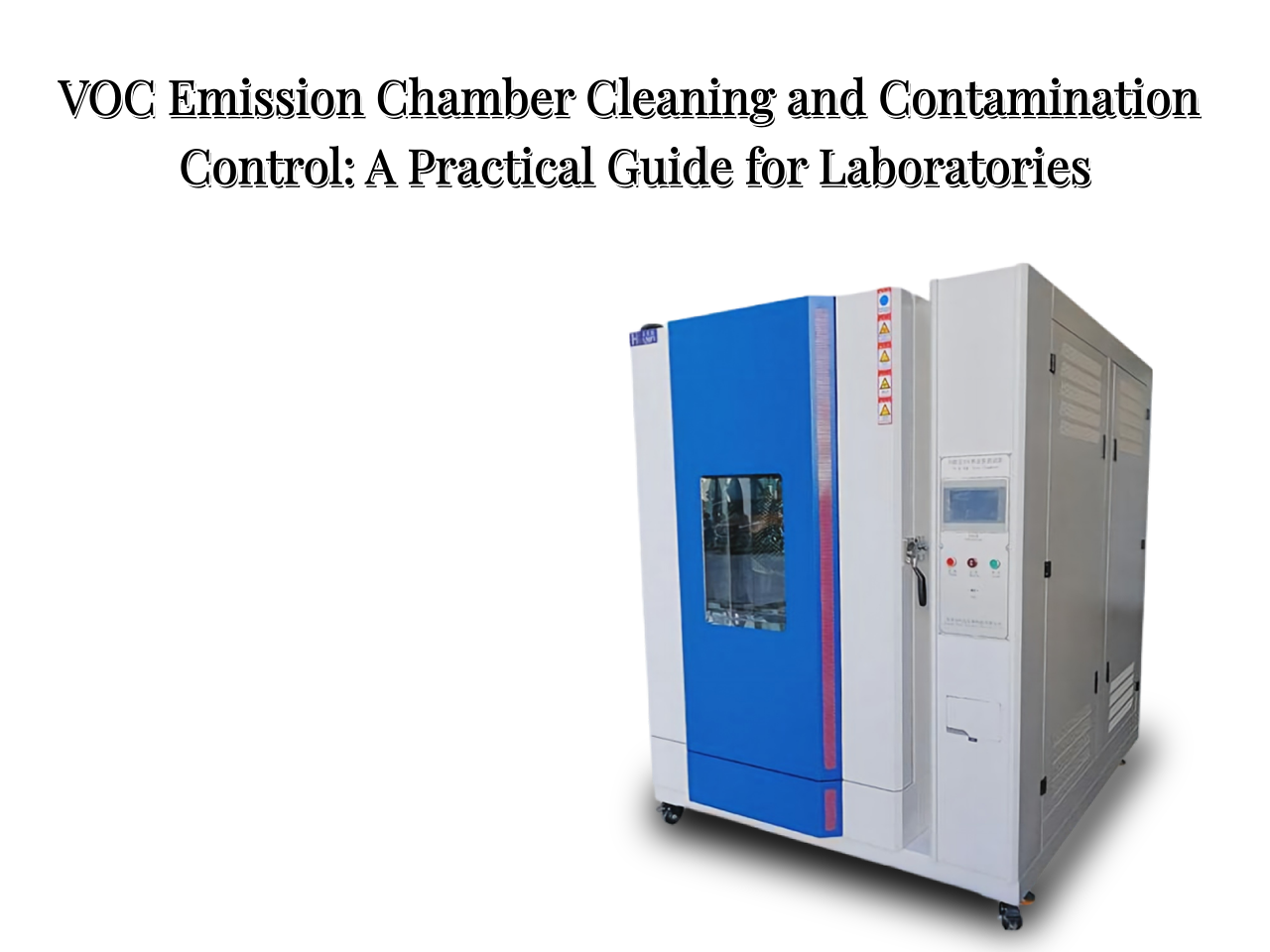
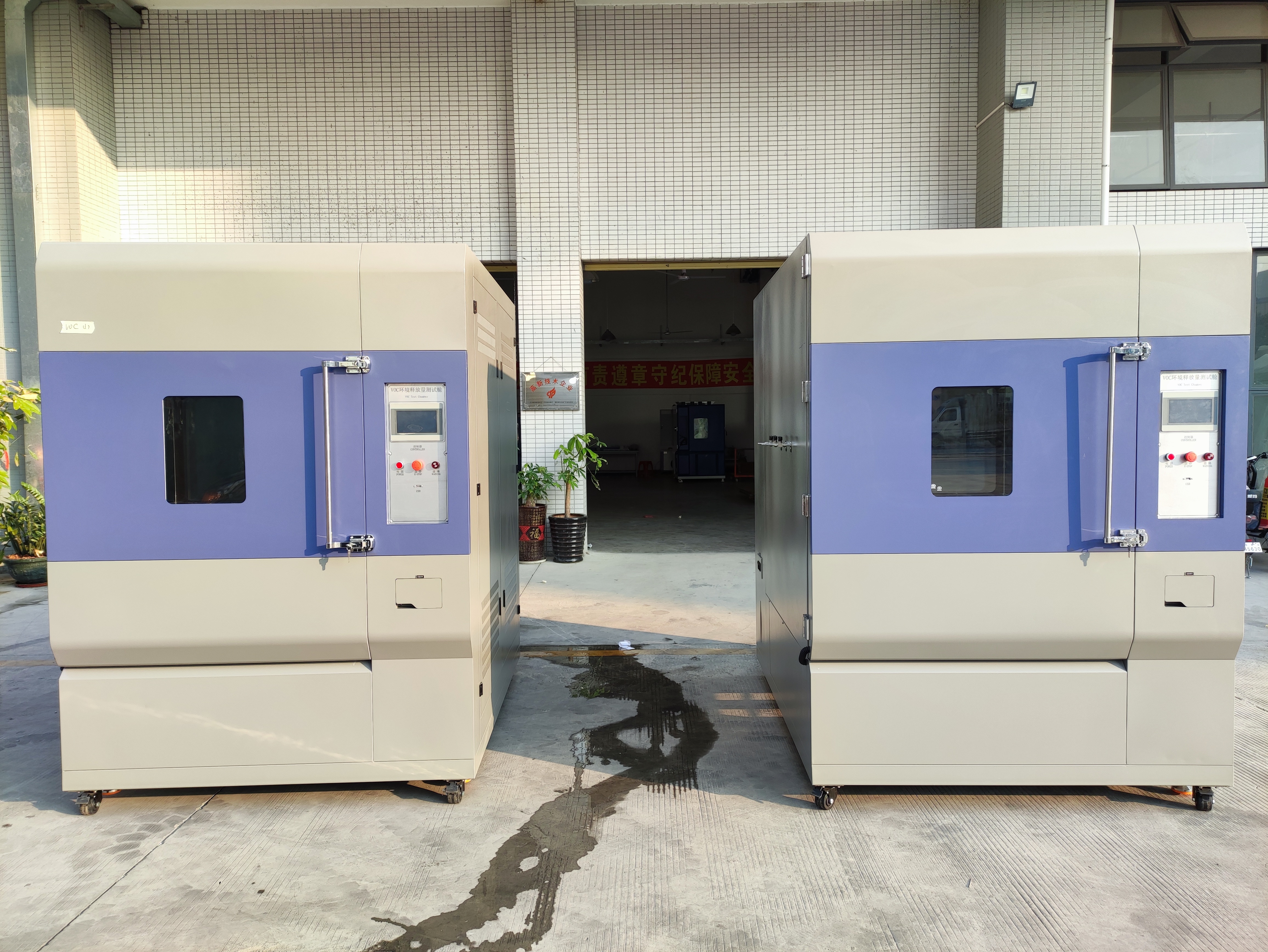
An Environmental Chamber creates controlled conditions for evaluating chemical emissions from materials and products. However, chamber conditions alone do not identify which compounds have been released or determine their concentrations.
The air leaving the chamber must be sampled and analyzed using a method suitable for the target compounds. ISO 16000-6:2021 describes a method for determining volatile organic compounds (VOCs), very volatile organic compounds (VVOCs), and semi-volatile organic compounds (SVOCs) in indoor and test-chamber air using sorbent sampling tubes, thermal desorption, and gas chromatography.
For laboratories purchasing or operating a VOC emission test chamber, understanding this analytical workflow helps clarify the relationship between chamber design, sampling interfaces, and laboratory instrumentation.
1. The Role of ISO 16000-6 in Chamber Testing
VOC emission testing involves several connected stages.
First, a specimen is prepared according to the applicable procedure. It is then placed in an Emission Chamber operated under defined conditions. At specified times, air samples are collected and analyzed to determine the compounds present and their concentrations.
ISO 16000-6 addresses the determination of organic compounds in air. It does not replace the chamber method or specimen-preparation procedure.
For example, ISO 16000-9:2024 describes the emission chamber method for determining area-specific VOC emission rates from building products and furnishings, while ISO 16000-11:2024 addresses sample handling and specimen preparation.
Understanding these distinctions helps laboratories develop a complete and traceable test procedure rather than treating a single standard as covering every stage.
2. Active Sampling with Sorbent Tubes
One approach covered by ISO 16000-6 uses active sampling on sorbent tubes.
During sampling, a defined volume of air is drawn through a tube containing an adsorbent material. Target compounds are retained on the sorbent under suitable sampling conditions and are subsequently introduced into the analytical system.
The selection of the sorbent depends on the compounds of interest and the method requirements. Different compounds may behave differently during collection and storage, so the laboratory must ensure that its sampling configuration is suitable for the intended analytical scope.
Important sampling variables can include:
- Sampling flow rate
- Sampling duration and total air volume
- Sorbent type and tube configuration
- Sample storage and handling
- Potential breakthrough or losses
- Blank and quality-control procedures
These variables should be established according to the applicable method and validated laboratory procedures.
3. Thermal Desorption and Gas Chromatography
After collection, the sorbent tube is processed using a suitable thermal-desorption system. The collected compounds are released and transferred to a gas chromatograph for separation.
Gas chromatography separates compounds according to their interactions with the analytical system. Detection may use mass spectrometry (MS), with or without an additional flame ionization detector (FID), as described in ISO 16000-6:2021.
Mass spectrometry can provide information useful for identifying compounds, while quantitative results depend on suitable calibration and the analytical method used. FID may provide complementary quantitative information for applicable compounds.
The appropriate configuration depends on the target analytes, expected concentration range, reporting requirements, and laboratory capabilities.
It is important not to assume that every compound can be measured equally well using every sorbent and analytical configuration.
4. Why Sampling Ports and Connections Matter
VOC emission chamber should allow representative air samples to be collected without introducing unacceptable contamination or altering the sample.
The sampling interface should be considered together with the intended sampling method. Port locations, tubing materials, connection design, accessibility, and cleaning procedures may affect routine laboratory operation.
Long or unsuitable sampling lines can create practical problems, including contamination, retention of compounds, or difficulties maintaining consistent sampling procedures.
Laboratories should therefore evaluate the complete sampling pathway rather than focusing only on the chamber's internal volume or temperature range.
Equipment suppliers should clearly identify the available sampling connections and any relevant limitations. The final arrangement should be verified against the laboratory's selected method.
5. Background Measurements and Analytical Quality Control
A measured chromatographic signal does not automatically originate from the specimen. Compounds may also be present in the supply air, chamber system, sampling pathway, or laboratory environment.
Background checks and appropriate blank measurements help laboratories evaluate these potential contributions.
Analytical quality control may also include calibration verification, replicate analysis, retention-time checks, and other procedures defined by the laboratory's method and quality system.
The required controls and acceptance criteria should be established from the applicable standard and validated procedures. They should not be replaced by a generic checklist that assumes all compounds and laboratories have identical requirements.
6. From Analytical Results to Emission Data
The analytical result may initially describe the concentration of a compound in the sampled chamber air.
To determine an area-specific emission rate, additional information from the chamber test may be required, including the relevant airflow, specimen area, background concentration, and calculation procedure.
The calculation must follow the applicable method and its assumptions. Chamber concentration and emission rate should not be used interchangeably because they describe different quantities.
Where results are used to estimate indoor concentrations, further modeling assumptions may be necessary. The measured concentration inside a test chamber should not automatically be interpreted as the concentration that would occur in an occupied room.
7. Questions for Laboratory Equipment Selection
Before selecting a VOC test chamber, laboratories should define the analytical methods they intend to use.
Consider the target compounds, expected concentration levels, sampling flow requirements, number of sampling locations, test duration, and whether the laboratory already has thermal-desorption and gas-chromatography equipment.
The chamber, clean-air supply, sampling connections, and analytical system should be evaluated as parts of one testing workflow.
A supplier's description of chamber performance should also distinguish between the chamber's environmental-control capabilities and the performance of external sampling and analytical instruments.
Conclusion
ISO 16000-6:2021 provides a framework for determining organic compounds in indoor and test-chamber air through sorbent sampling, thermal desorption, and gas chromatography.
For reliable VOC emission testing, the sampling pathway, analytical configuration, background controls, and chamber conditions must work together. Understanding these separate functions helps laboratories select suitable equipment and interpret the resulting data more accurately.
Reference: ISO 16000-6:2021, Indoor air — Determination of organic compounds (VVOC, VOC, SVOC) in indoor and test chamber air by active sampling on sorbent tubes, thermal desorption and gas chromatography using MS or MS FID.