



ISO 16000-9:2024 Explained: Key Requirements for VOC Emission Test Chambers
Introduction
Volatile organic compounds (VOCs) released from building materials and furnishings can affect indoor air quality. To evaluate these emissions under controlled conditions, laboratories use VOC emission test chambers to measure the release of chemical compounds from representative product samples.
ISO 16000-9:2024, *Indoor air — Part 9: Determination of the emission of volatile organic compounds from samples of building products and furnishing — Emission test chamber method*, provides a general laboratory method for determining area-specific VOC emission rates under defined climatic conditions. It also covers the measurement of formaldehyde emissions from wood-based panels and other building products.
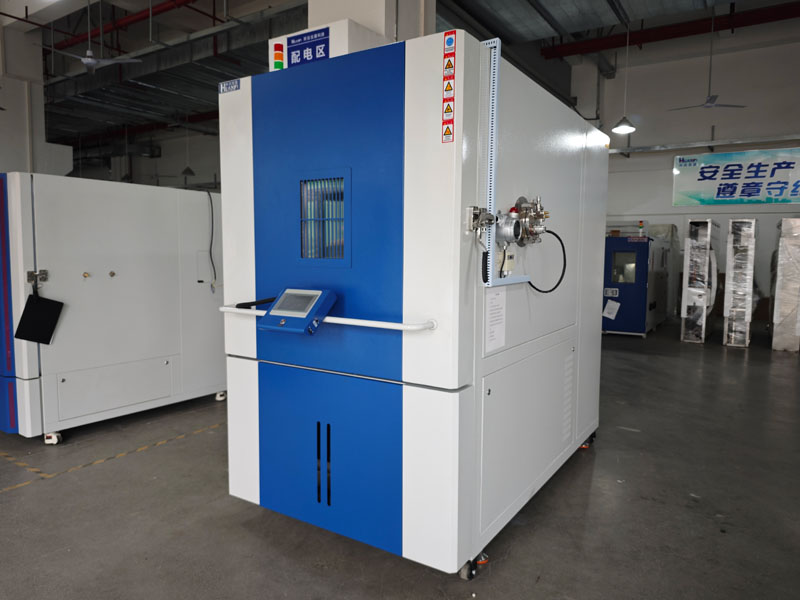
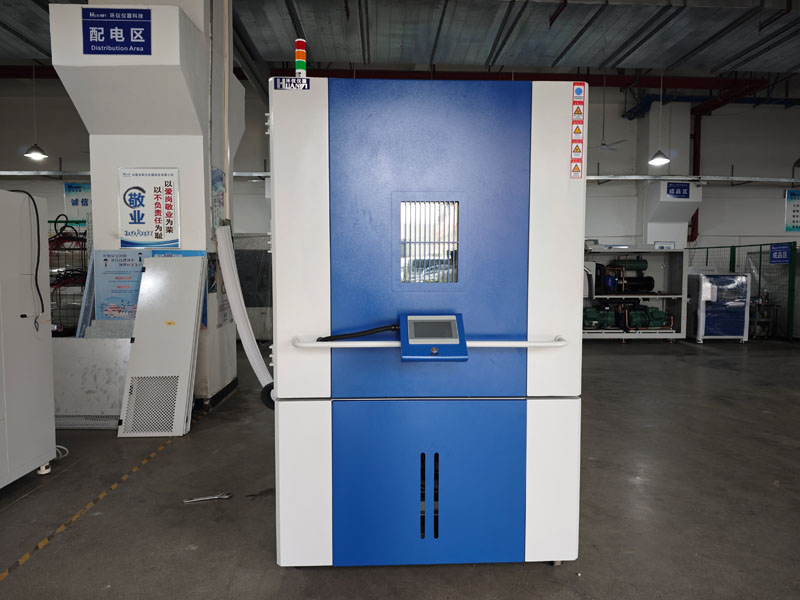
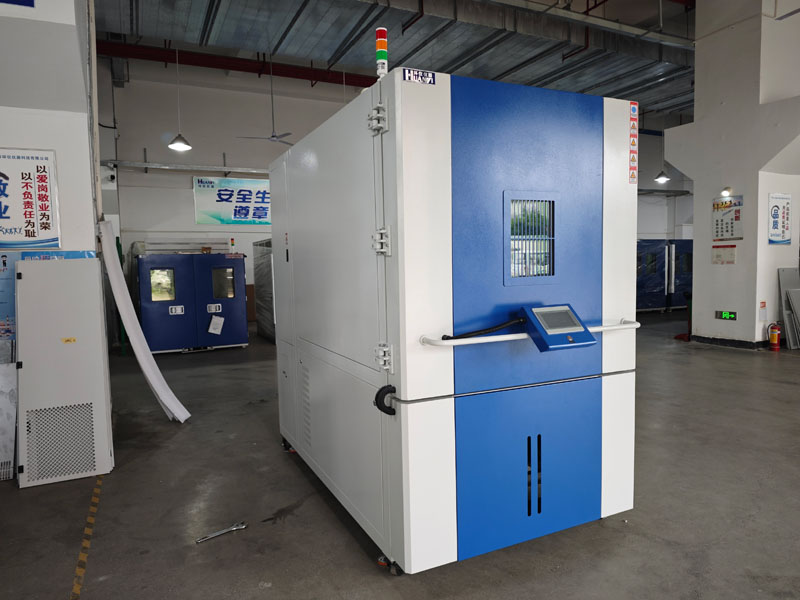
The standard applies to different types of emission Test Chambers. It defines a testing methodology rather than a universal equipment purchasing specification. Therefore, selecting a chamber requires consideration of the complete test procedure, not only the chamber's temperature range or capacity.
1. Chamber Materials and Surface Characteristics
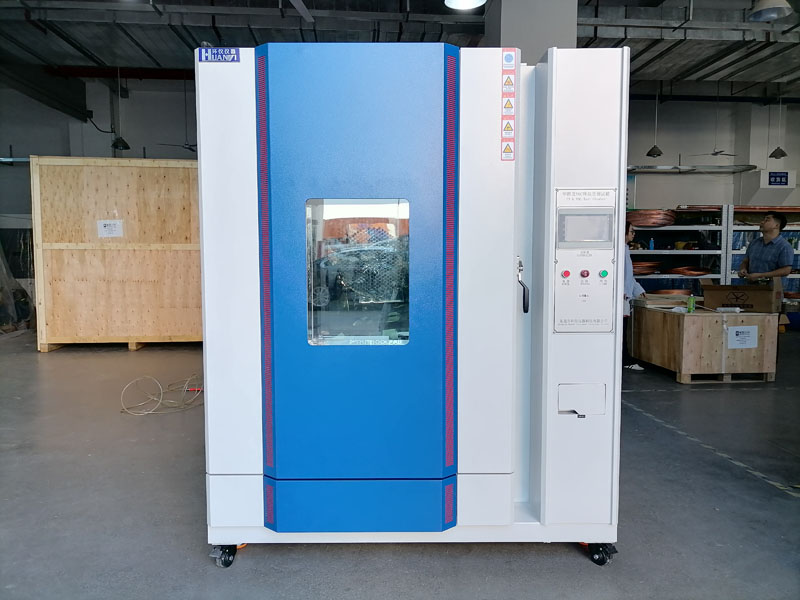
The materials inside an Emission Chamber can influence the measured results. Chamber walls, seals, sampling lines, and internal components may release VOCs or adsorb compounds emitted by the specimen.
ISO 16000-9:2024 identifies polished, surface-treated stainless steel and glass as typical materials for chamber surfaces and sampling components that contact emitted VOCs. Other materials may be used where their emission and adsorption characteristics are adequately evaluated.
When selecting a Voc Emission Test Chamber, laboratories should consider internal surface treatment, cleanability, sealing materials, and the potential contribution of components to background concentrations.
2. Clean Air Supply and Flow Control
A suitable chamber system requires clean air generation, humidification, air mixing, and monitoring and control systems. These functions help establish the environmental conditions needed for reproducible testing.
ISO 16000-9:2024 specifies that the air supply system must be capable of continuously controlling the airflow at a fixed value with an accuracy of ±5%.
Stable airflow is important because the supply flow affects the concentration measured at the chamber outlet and the calculation of the specimen's area-specific emission rate. The chamber should also be designed to provide adequate internal air mixing.
3. Airtightness and Environmental Control
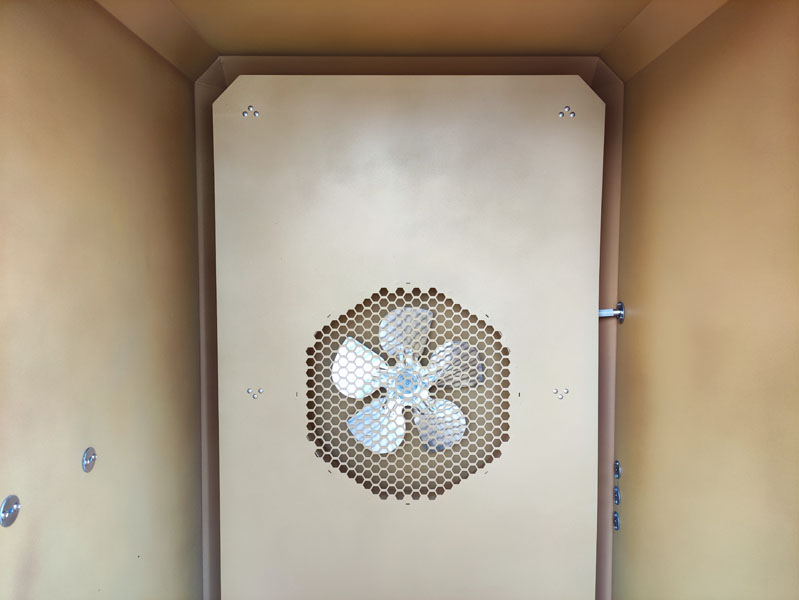
Uncontrolled air leakage can introduce laboratory contaminants or change the effective air exchange conditions. Chamber doors, pipe connections, sampling ports, and seals should therefore be designed and evaluated for airtightness.
Temperature and relative humidity also affect VOC release. The chamber system should maintain the conditions specified by the applicable test method and continuously monitor and record key operating parameters, including temperature, relative humidity, and airflow.
The required setpoints depend on the product, test method, and applicable evaluation program. A single temperature and humidity setting should not be assumed suitable for every application.
4. Background Concentration and Recovery
A low background concentration helps prevent contamination from being mistaken for emissions from the specimen. Background testing should account for the chamber, air supply, and other components that may contact the test air.
Recovery testing provides additional information about the performance of the complete method. ISO 16000-9:2024 includes recovery evaluation using toluene and n-dodecane; the mean recovery for each compound must exceed 80% under the specified procedure.
These checks help identify potential losses caused by adsorption, leakage, or other system effects.
Conclusion
ISO 16000-9:2024 highlights the importance of chamber materials, airflow control, airtightness, climatic stability, background concentration, and recovery performance in VOC emission testing.
When purchasing a VOC Emission Test Chamber, laboratories should confirm that the equipment can support their target test procedure and that relevant performance characteristics can be verified. Chamber capability alone does not establish compliance of every test result; specimen preparation, sampling, analysis, and quality assurance remain essential.
Reference: [ISO 16000-9:2024 — Official ISO Standard]