



ISO 16000-9 vs. EN 16516: Choosing the Right Chamber Testing Approach
Introduction
Manufacturers of construction products may encounter ISO 16000-9 and EN 16516 when evaluating emissions into indoor air. Both involve chamber-based testing, but they have different scopes and roles.
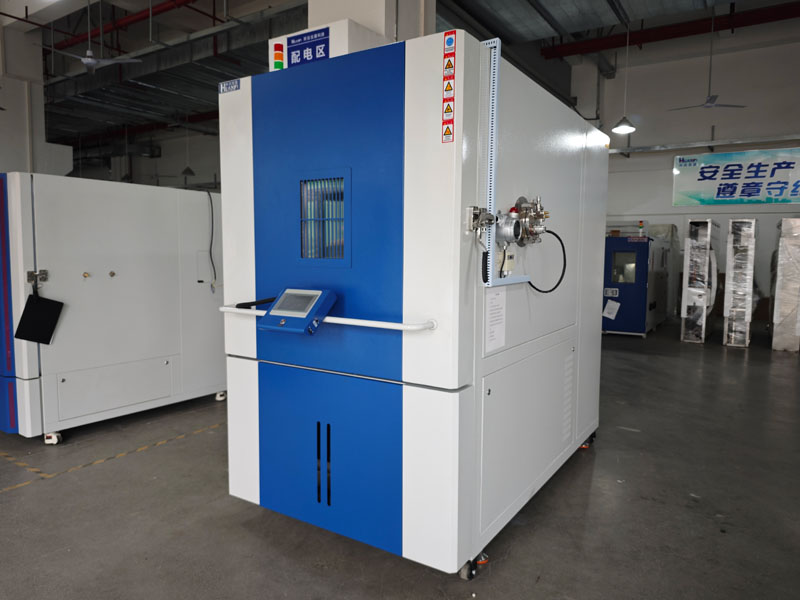
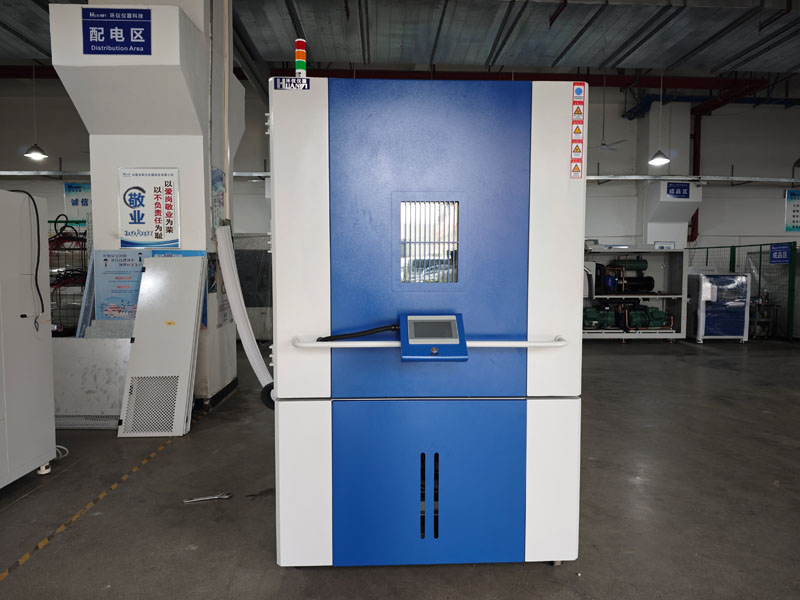
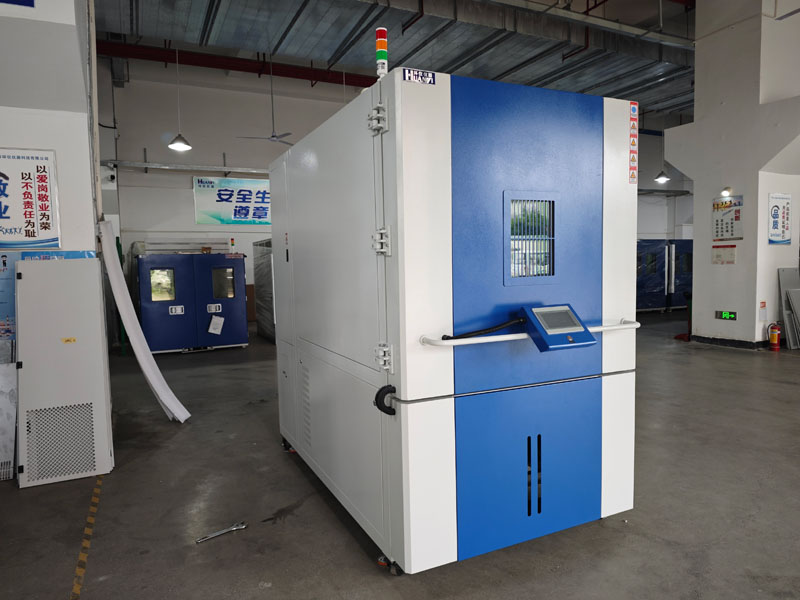
Understanding the distinction is important when specifying a VOC Chamber, preparing a product for evaluation, or responding to customer requirements in different markets.
The correct choice depends on the product, the intended assessment, and the standard or regulatory framework specified by the customer or relevant program.
1. What Does ISO 16000-9 Cover?
ISO 16000-9:2024, *Indoor air — Part 9: Determination of the emission of volatile organic compounds from samples of building products and furnishing — Emission test chamber method*, specifies a general laboratory method for determining the area-specific emission rate of VOCs from building products and furnishings under defined climatic conditions.
The method can be applied to various emission Test Chambers. It also covers, in principle, samples of aged products and can be applied to wood-based panels and other building products for formaldehyde emission-rate determination.
For equipment selection, ISO 16000-9 is useful as a reference for chamber-based VOC emission testing. Laboratories must also establish appropriate specimen preparation, sampling, analytical, and reporting procedures.
2. What Does EN 16516 Cover?
EN 16516, *Construction products: Assessment of release of dangerous substances — Determination of emissions into indoor air*, provides a horizontal reference method for assessing emissions from construction products into indoor air.
The published EN 16516:2017+A1:2020 edition covers VOCs, semi-volatile organic compounds, very volatile aldehydes, and ammonia. It uses a test chamber followed by chemical analysis, with methods selected according to the compounds being assessed.
Unlike a general equipment specification, EN 16516 is part of a broader framework for assessing the release of substances from construction products. Its role in a particular product assessment depends on the applicable regulatory provisions, product specifications, and evaluation scheme.
3. Key Differences Between the Standards
The standards overlap in their use of chamber testing, but they should not be treated as automatically interchangeable.
**ISO 16000-9** focuses on the chamber method for determining VOC emission rates from building products and furnishings under defined conditions.
**EN 16516** provides a horizontal reference method for evaluating emissions of specified substances from construction products into indoor air. It covers a wider range of substance groups than VOCs alone.
Their specimen requirements, conditioning procedures, sampling schedules, analytical requirements, and evaluation frameworks may differ. A result obtained under one method should not automatically be assumed to meet the requirements of the other.
4. What Does This Mean for Voc Chamber Selection?
A chamber intended for construction-product testing should be selected according to the required test procedure rather than the name of a standard alone.
Before purchasing or specifying equipment, laboratories should confirm:
- Which product categories will be tested.
- Whether ISO 16000-9, EN 16516, or another method is required.
- Which compounds need to be measured.
- What temperature, relative humidity, airflow, and loading conditions are required.
- Whether the sampling interfaces and analytical instruments support the intended measurement methods.
- What verification data and documentation are needed for the evaluation.
Chamber volume, airflow control, internal materials, background concentration, and sampling arrangements should all be considered in relation to the intended method.
Conclusion
ISO 16000-9:2024 and EN 16516 both support chamber-based assessment of emissions, but they serve different purposes and have different scopes. ISO 16000-9 focuses on a general method for determining VOC emission rates from building products and furnishings, while EN 16516 provides a horizontal reference method for assessing a broader range of emissions from construction products.
For a VOC Emission Test Chamber project, the first step is to identify the exact method and evaluation framework required. Equipment can then be specified around the actual testing conditions, analytical scope, and verification needs.
References:
ISO 16000-9:2024 — Official ISO Standard
EN 16516:2017+A1:2020 — NEN Standards Catalogue