


Methods for Simulating External Heat Flux on Spacecraft Using Thermal Vacuum Test Equipment
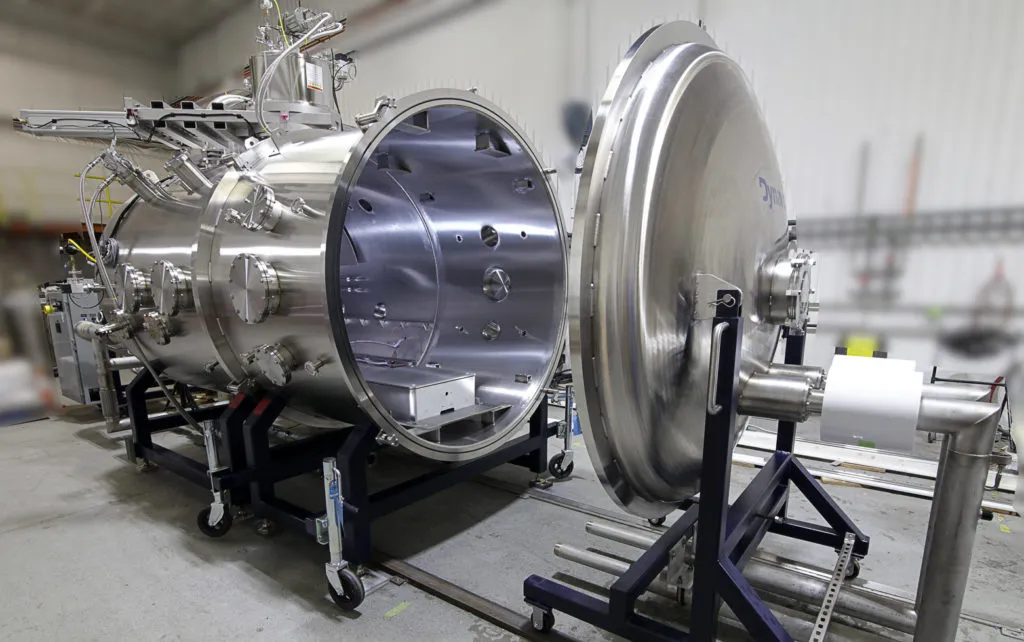
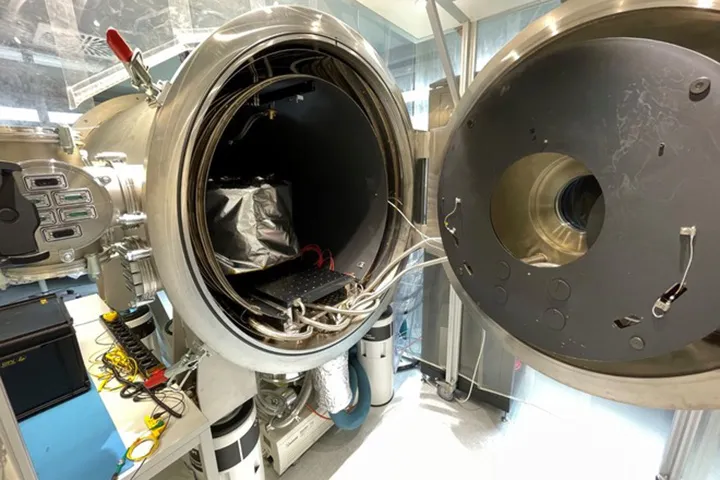
Thermal Vacuum Test equipment is a critical piece of large-scale ground-based testing infrastructure designed to simulate the vacuum, cold-black background, and solar radiation environments of outer space. It is utilized to conduct thermal balance and thermal vacuum tests on spacecraft, thereby meeting the essential testing requirements for spacecraft development. Relevant regulations regarding such simulation testing are stipulated in the Chinese standard *GJB 3758A-2019: Thermal Simulation Methods for Spacecraft Thermal Vacuum Testing*.
Based on this standard, the following section introduces the test methods for simulating the external heat flux experienced by spacecraft, provided here for your reference.
Methods for Simulating Spacecraft External Heat Flux:
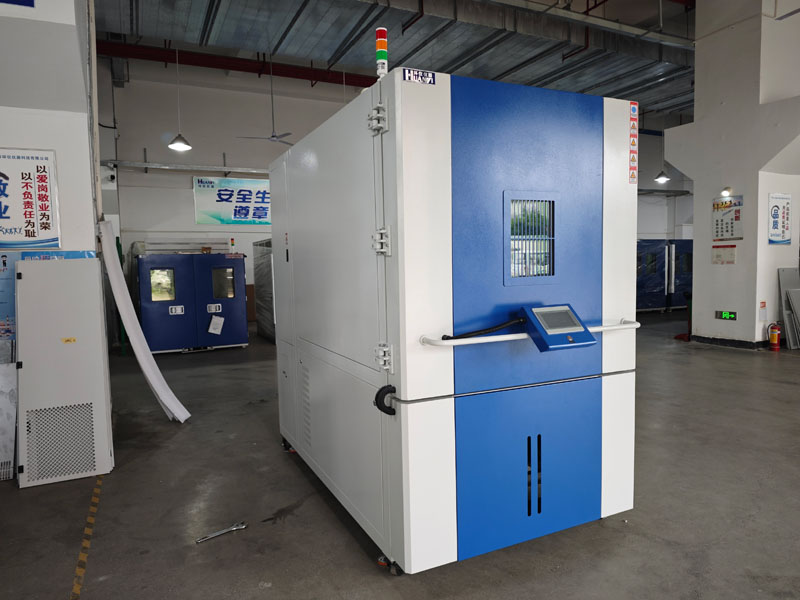
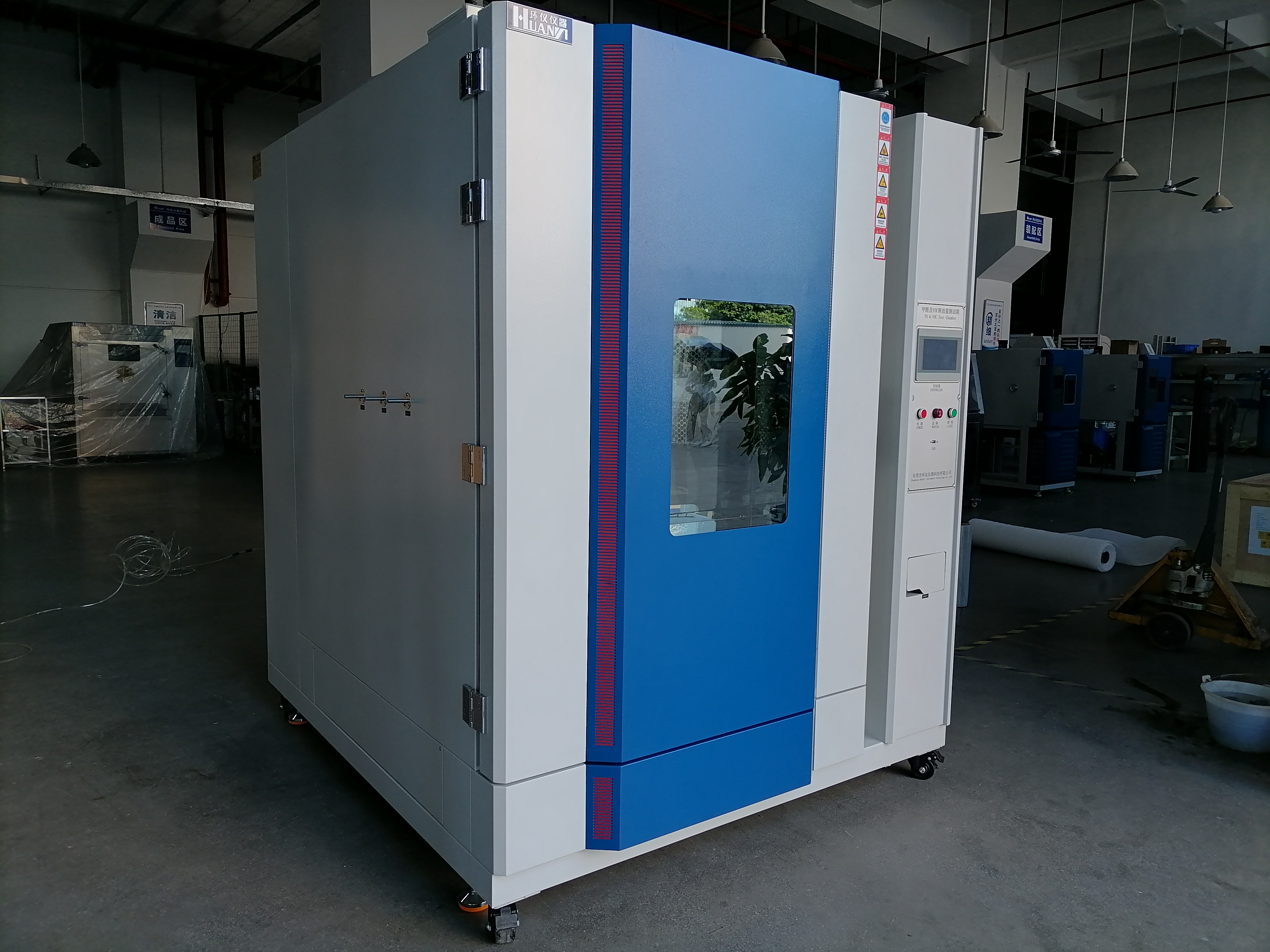
Test Equipment: Huanyi Instruments — Thermal Vacuum Test Equipment
Test Standard: GJB 3758A-2019 — Thermal Simulation Methods for Spacecraft Thermal-Vacuum Testing
Simulation Classification:
Based on their underlying principles and characteristics, external heat flux simulation methods can be classified into the following four categories:
a) Incident heat flux simulation method;
b) Absorbed heat flux simulation method;
c) Equivalent radiative heat sink temperature simulation method;
d) Combined heat flux simulation method (a combination of two or more of the above simulation methods).
Principles for Simulation Methods:
The method selected for simulating external heat flux must be compatible with the capabilities of the test facility. Furthermore, it is essential to ensure consistency between the thermal balance tests conducted on the engineering model and those conducted on the flight model; both the design and execution of the tests should prioritize operational feasibility and cost-effectiveness. Generally, the selection of a simulation method is guided by the following principles:
a) When the spacecraft features a complex geometry with significant mutual shadowing, or when it is necessary to evaluate the thermo-optical effects of the spacecraft's surface coatings, the *incident heat flux simulation method* is recommended.
b) When the spacecraft's surface is relatively smooth and free of shadowing, and when the performance of the surface coatings undergoes significant changes between the beginning and end of the spacecraft's operational lifetime, the *absorbed heat flux simulation method* is recommended.
c) When the external heat flux incident upon the spacecraft's surface is significantly influenced by multiple reflections of the spacecraft's own thermal radiation, and when a precise simulation of the thermal environment is required, the *equivalent radiation sink temperature simulation method* is recommended.
d) When the incident heat flux, absorbed heat flux, or equivalent radiation sink temperature simulation methods—when applied individually—are insufficient to satisfy the specific test requirements, a *combined heat flux simulation method* is recommended.