


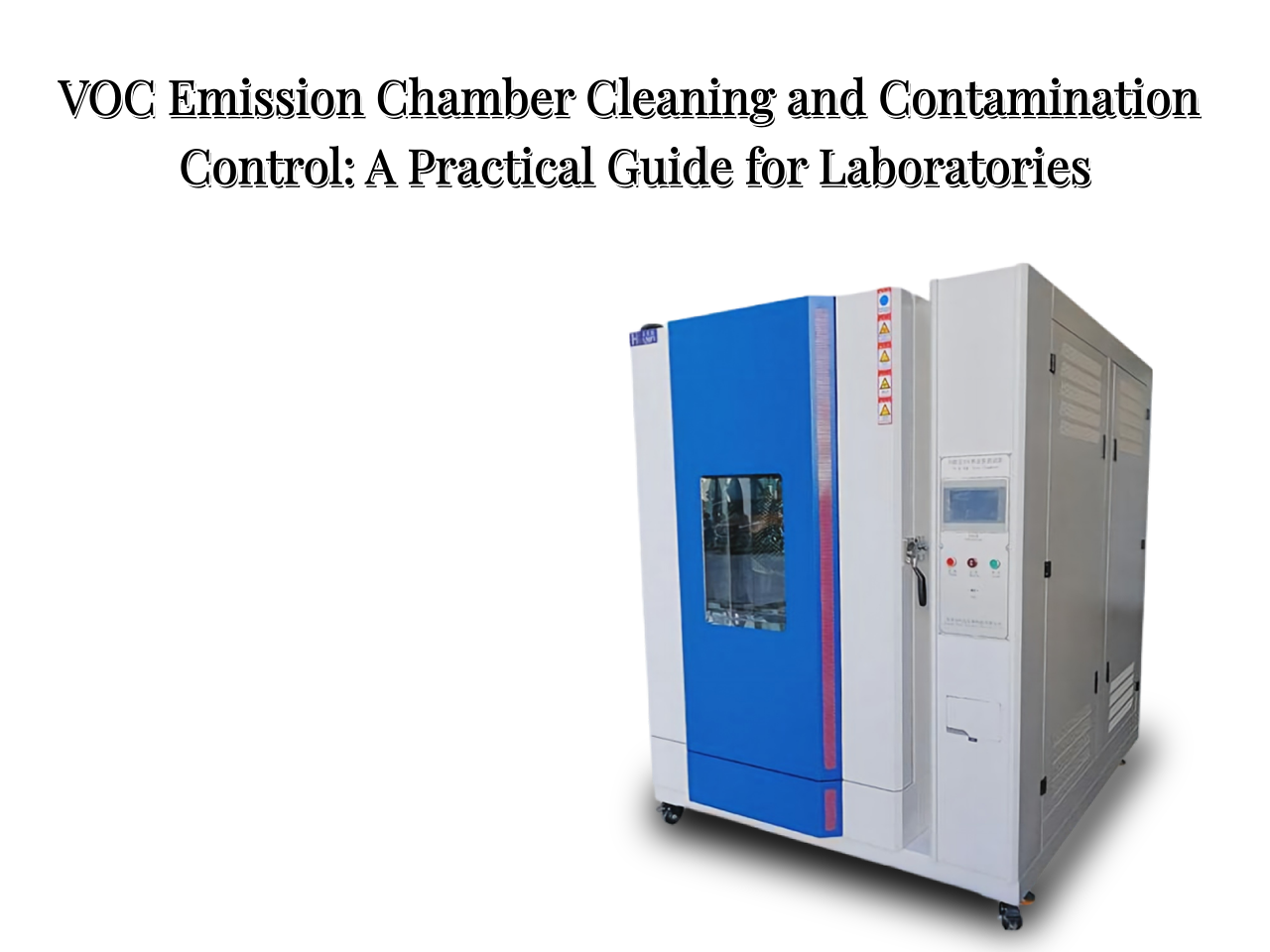
Methods for Simulating External Heat Flux on Spacecraft Using Thermal Vacuum Test Equipment
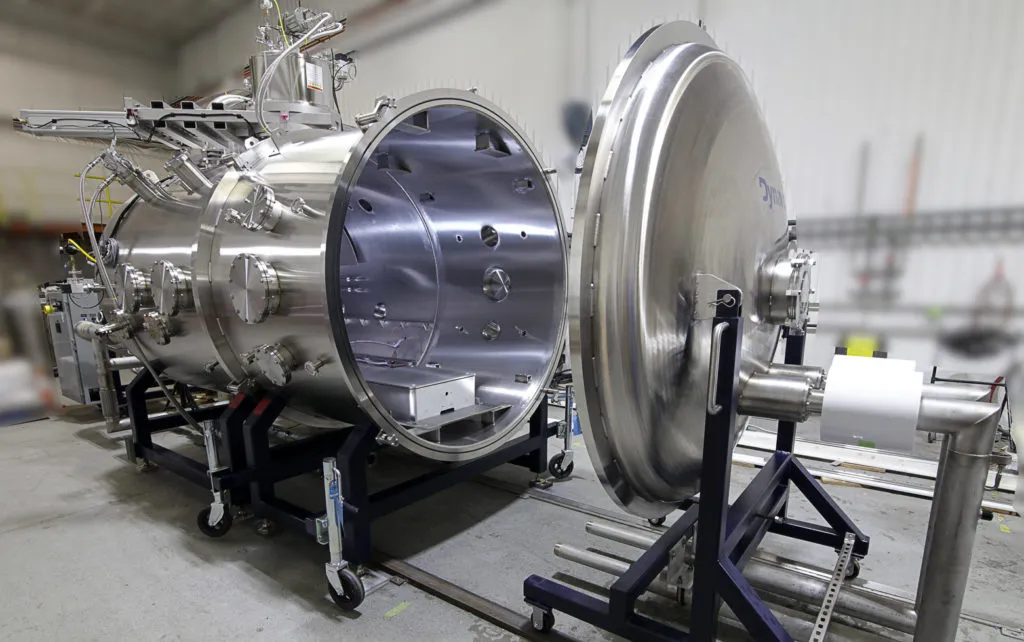
Thermal Vacuum Test equipment is a critical piece of large-scale ground-based testing infrastructure designed to simulate the vacuum, cold-black background, and solar radiation environments of outer space. It is utilized to conduct thermal balance and thermal vacuum tests on spacecraft, thereby meeting the essential testing requirements for spacecraft development. Relevant regulations regarding such simulation testing are set forth in the Chinese standard *GJB 3758A-2019: Thermal Simulation Methods for Spacecraft Thermal Vacuum Testing*.
Based on this standard, the following section introduces the test methods for simulating external heat flux on spacecraft, provided here for your reference.
Methods for Simulating External Heat Flux on Spacecraft:
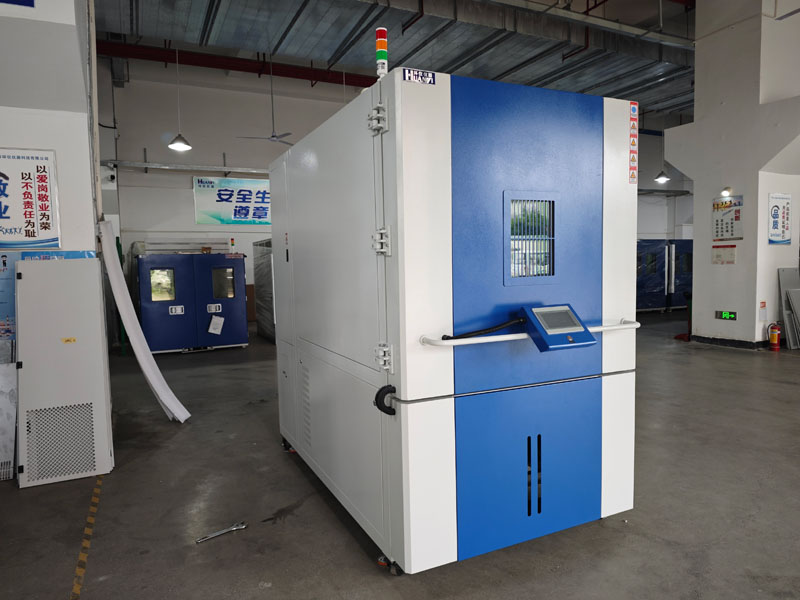
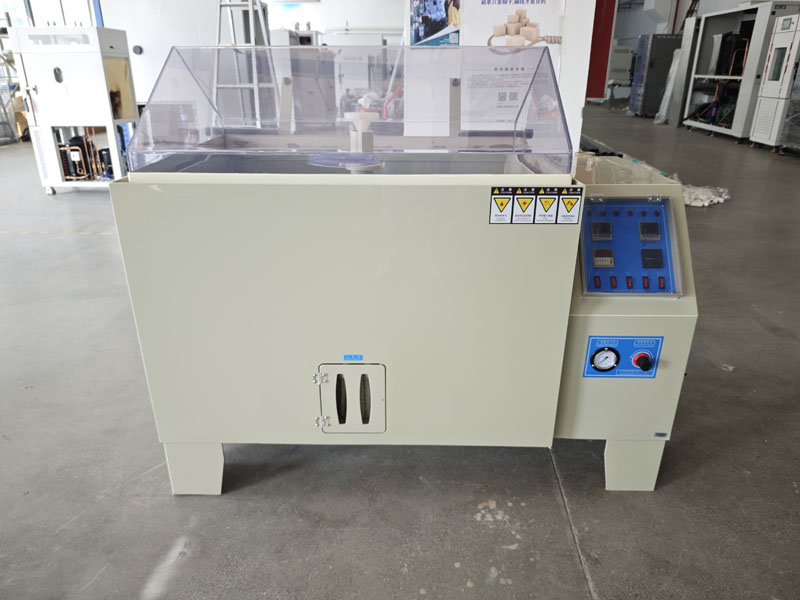
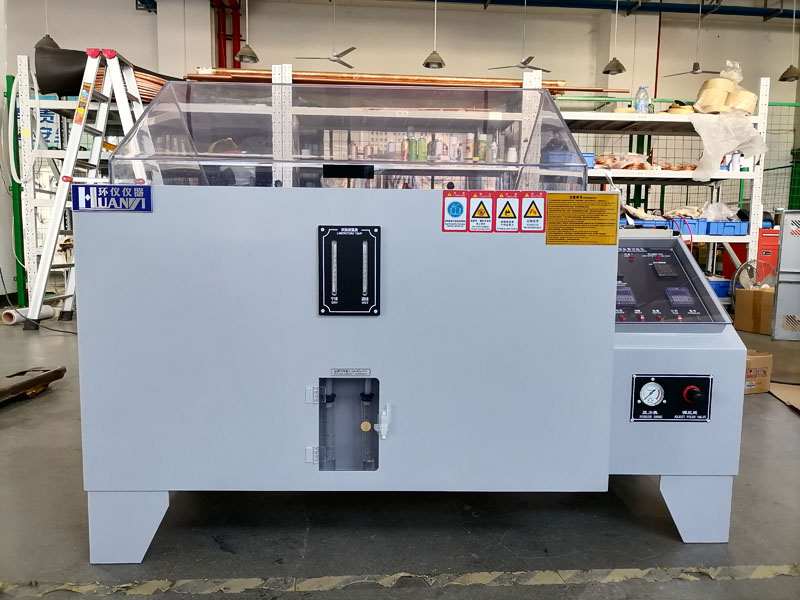
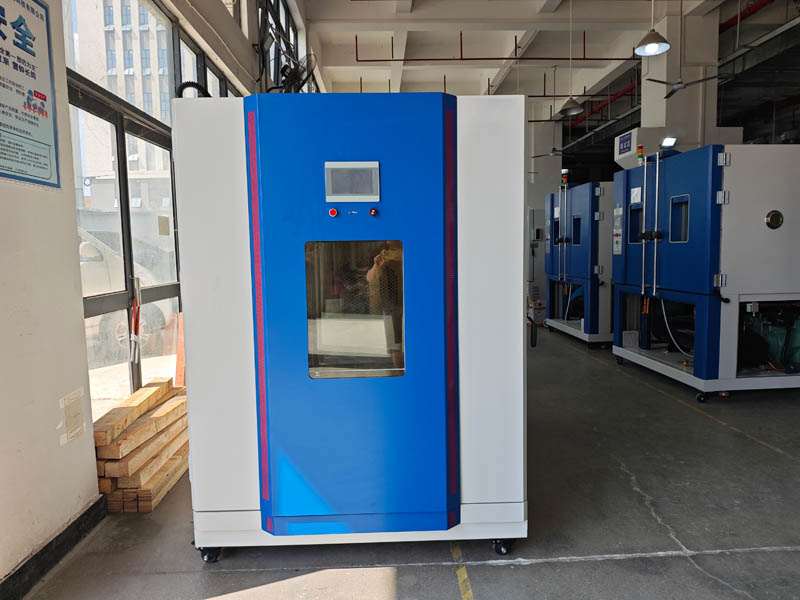
Test Equipment: Huanyi Instruments — Thermal Vacuum Test Equipment
Test Standard: GJB 3758A-2019 — Thermal Simulation Methods for Spacecraft Thermal-Vacuum Testing
Simulation Classification:
Based on their underlying principles and characteristics, external heat flux simulation methods can be classified into the following four categories:
a) Incident heat flux simulation method;
b) Absorbed heat flux simulation method;
c) Equivalent radiative heat sink temperature simulation method;
d) Combined heat flux simulation method (a combination of two or more of the above simulation methods).
Principles for External Heat Flux Simulation Methods:
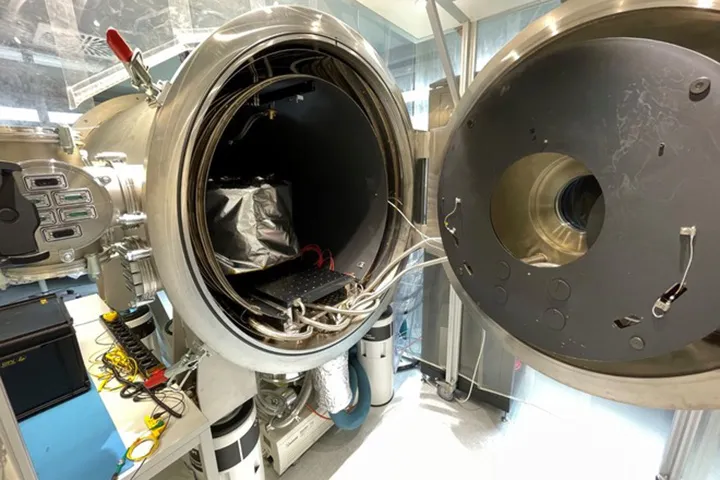
The method selected for simulating external heat flux must be compatible with the capabilities of the test facility. Furthermore, it is essential to ensure consistency between the thermal balance tests conducted on the prototype model and those conducted on the flight model; both the design and execution of these tests should prioritize operational feasibility and cost-effectiveness. Generally, the selection is guided by the following principles:
a) For spacecraft featuring complex geometries, significant mutual shadowing effects, or instances where the thermo-optical performance of the spacecraft's surface coatings requires validation, the *incident heat flux simulation method* is recommended.
b) For spacecraft with relatively smooth, unobstructed surfaces—particularly when the performance of the surface coatings undergoes substantial changes between the beginning and end of the spacecraft's operational lifespan—the *absorbed heat flux simulation method* is recommended.
c) For spacecraft where the external heat flux incident upon the surface is significantly influenced by multiple reflections of the spacecraft's own thermal radiation, and where a precise simulation of the thermal environment is required, the *equivalent radiation sink temperature simulation method* is recommended.
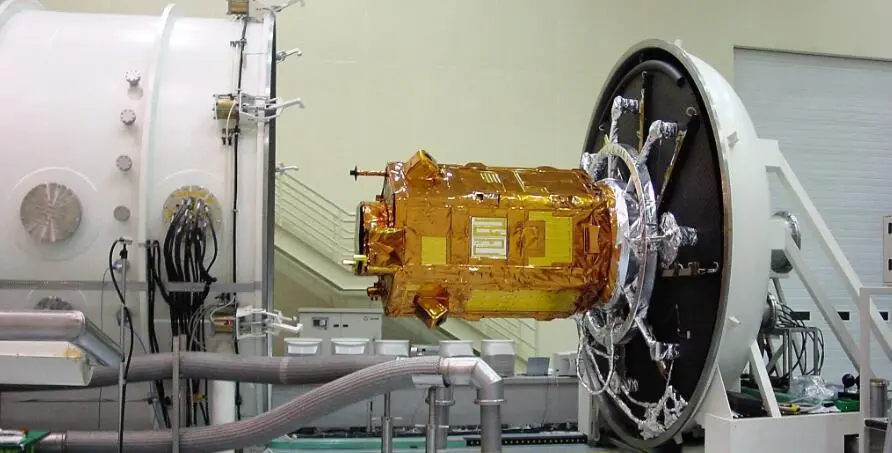
d) When the incident heat flux simulation method, absorbed heat flux simulation method, or equivalent radiative heat sink temperature simulation method—when used individually—fail to meet the test requirements, a combined heat flux simulation method should be adopted.