


Ozone Aging Test for Electronic Device Casings: Solutions for Crack and Discoloration Resistance of Mobile Phone Cases
Project Name: Verification Project for Ozone Aging Resistance of Outdoor Electronic Device Housings
Sample Name: Smartphone Protective Case (PC/TPU Composite Material)
Test Items: Surface cracking grade, color difference value (ΔE), hardness change, and insulation performance retention rate under ozone conditions.
I. Test Basis and Equipment Parameters
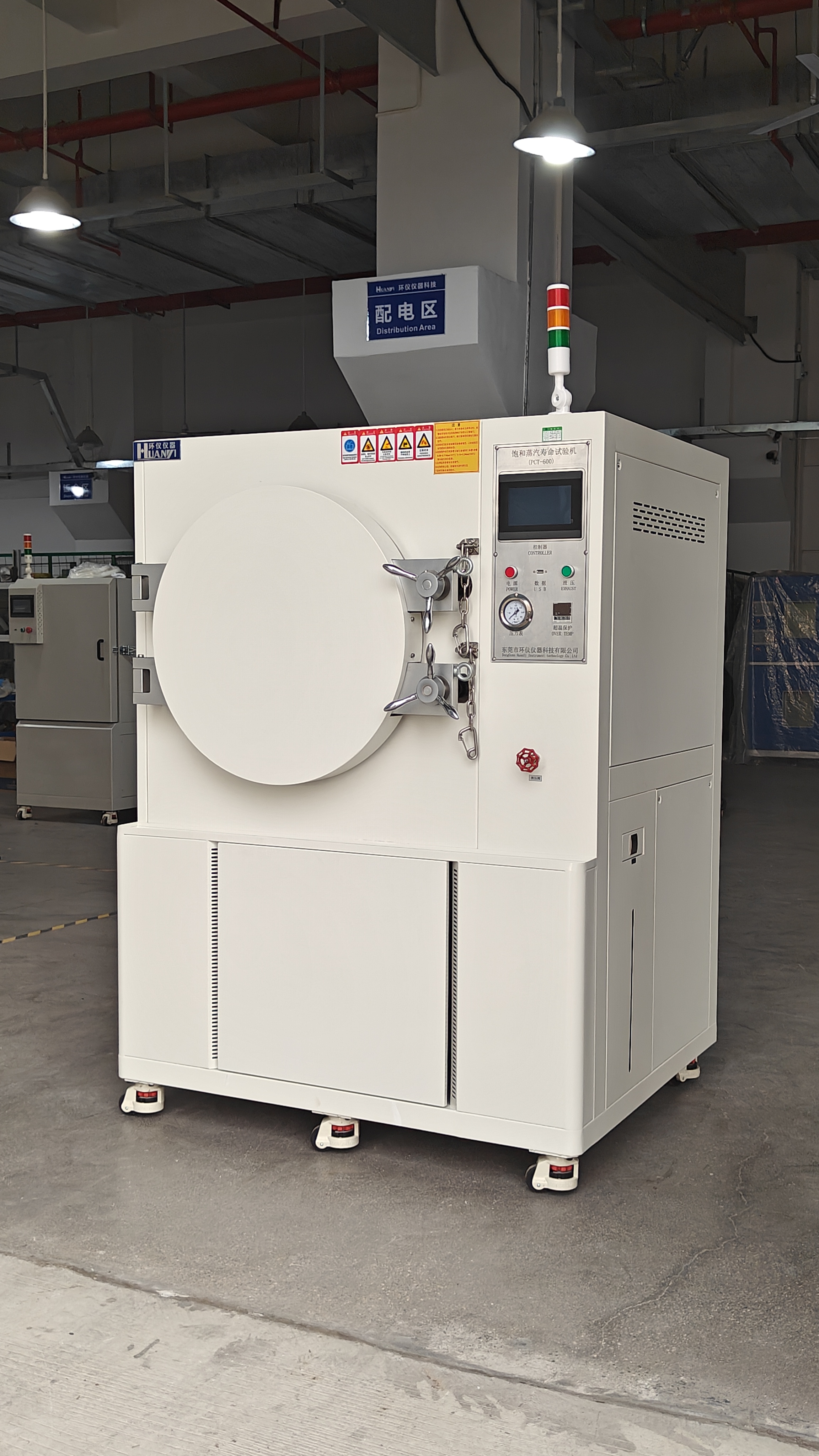
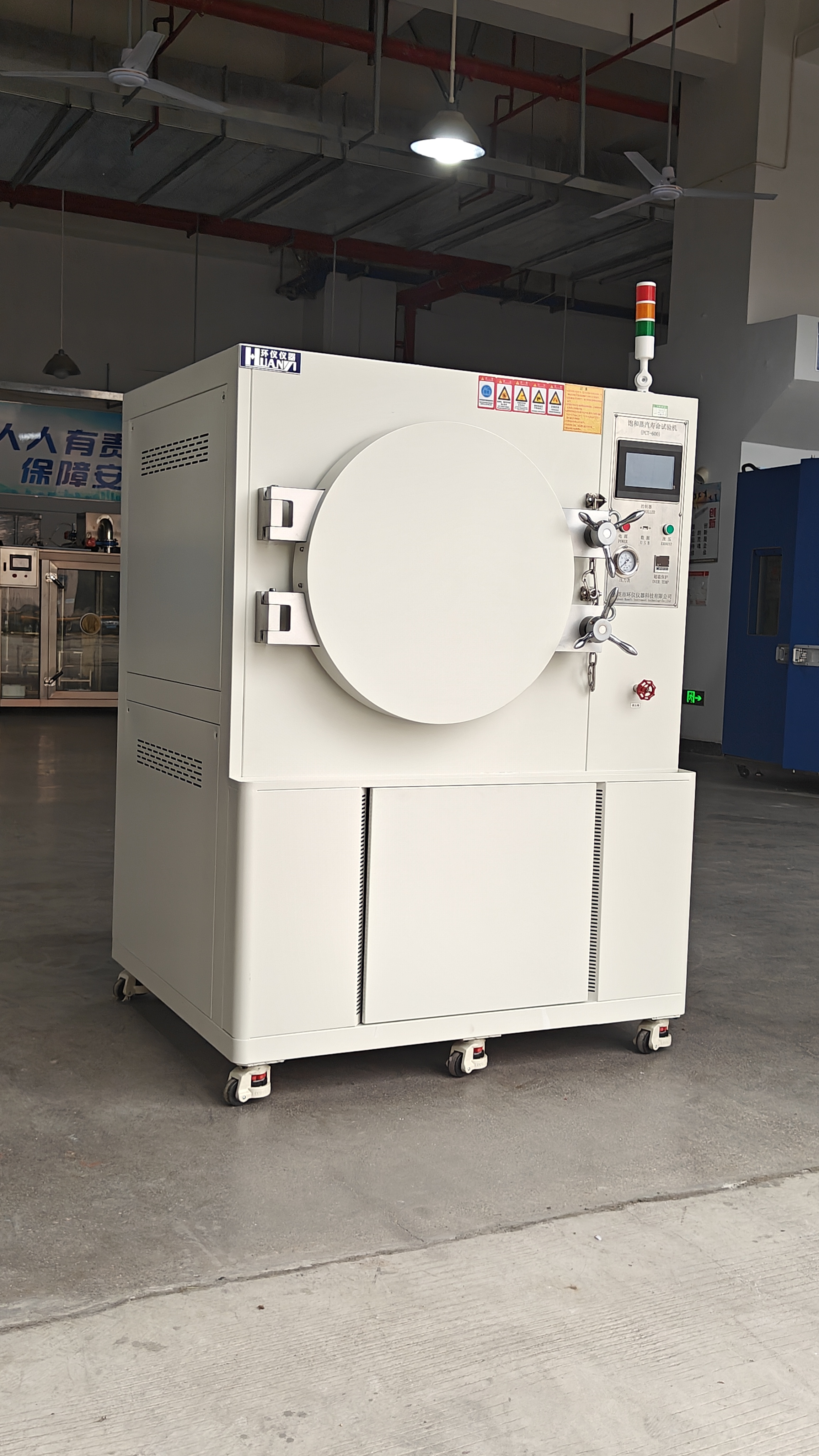
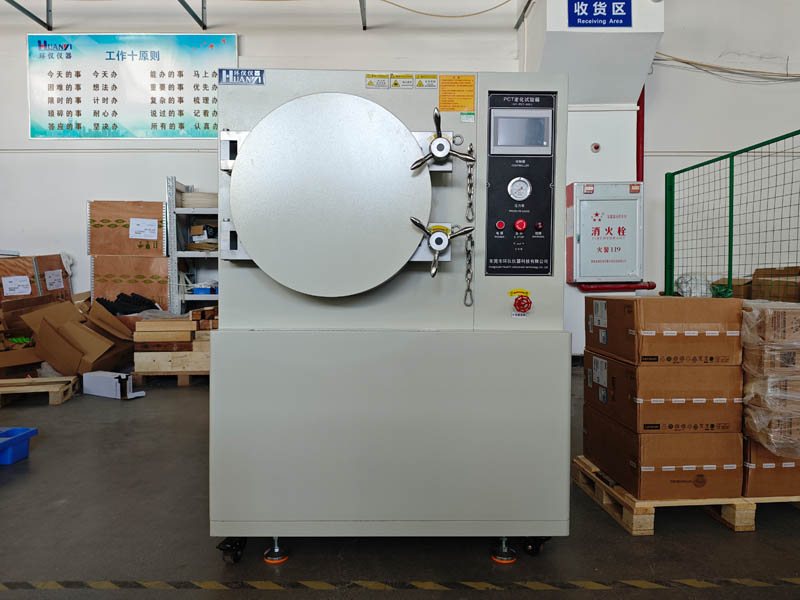
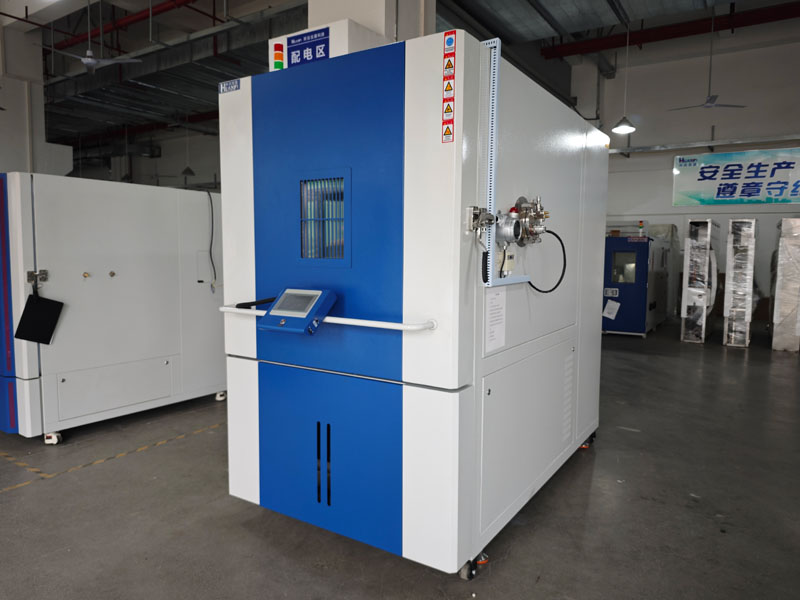
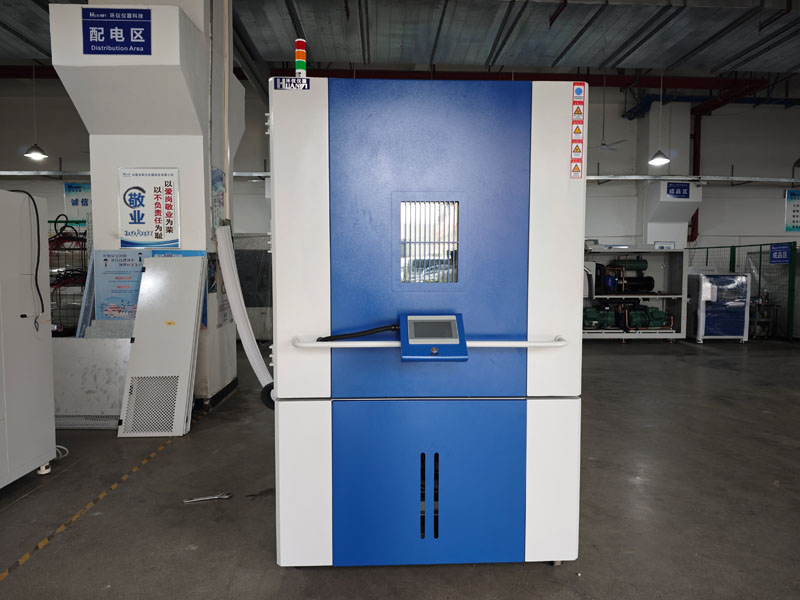
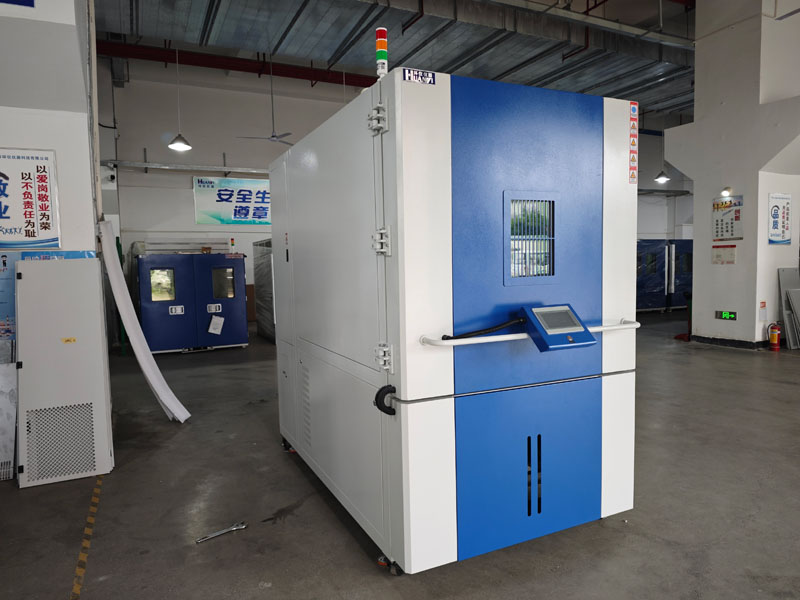
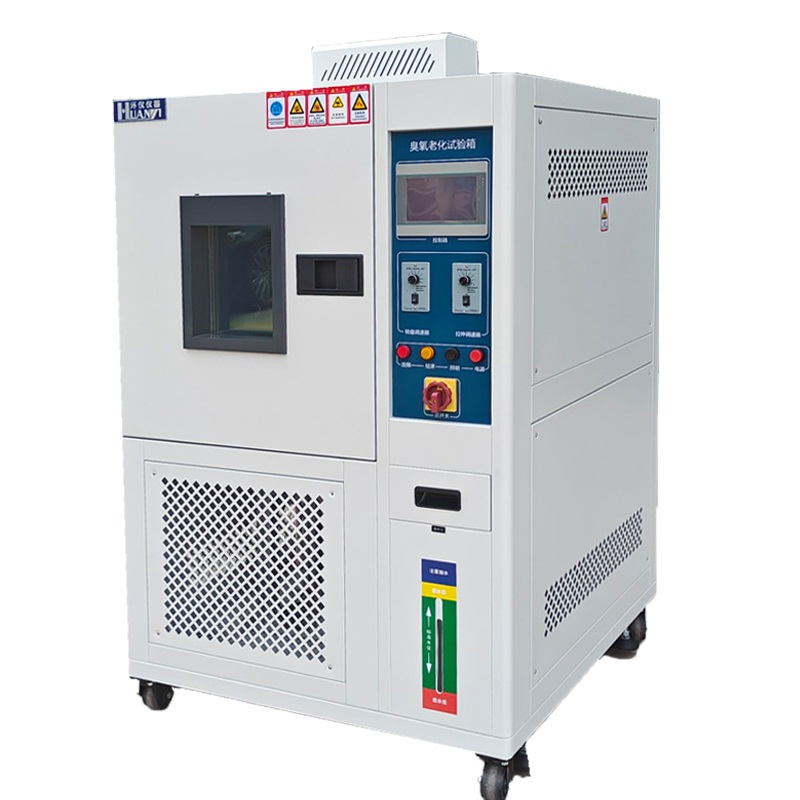
This test plan is based on GB/T 7762-2003 "Vulcanized Rubber or Thermoplastic Rubber - Ozone Cracking Resistance - Static Tensile Test" and ASTM D1149 standard. The core equipment is an Ozone Aging Test Chamber, with the following key parameters:
Ozone Concentration: Set at (50±5)×10⁻⁸ (i.e., 50±5pphm) to simulate the atmospheric environment of an industrial area.
Test Temperature: 40℃±2℃ (Industry standard recommended temperature)
Sample Tensile Ratio: Static tensile test at 20% (simulating the daily stress state of a mobile phone case)
Sample Holder Rotation Speed: 20~25mm/s to ensure uniform ozone distribution.
II. Specific Experimental Procedure
Step 1: Sample Preparation: Cut three standard rectangular samples (100mm × 10mm × 2mm) from the flat area of the phone case, mark the initial color value, and measure the initial hardness.
Step 2: Clamping and Settling: Fix the samples on the tensile fixture, ensuring an elongation of 20%, and place them in an ozone-free dark chamber for 24 hours to eliminate stress.
Step 3: Start the Test: Stabilize the temperature of the ozone aging test chamber (manufactured by Guangdong Haida Instruments Co., Ltd.) to 40℃ and control the humidity below 65%. Introduce ozone and start timing.
Step 4: Periodic Observation: Remove the samples at 24h, 48h, 72h, and 96h respectively. Observe the surface cracking using a 10x magnifying glass and rate it from 0 to 5 (0th grade: no cracks).
III. Experimental Results Data
| Aging time | Crack grade | Color difference value ΔE | Shore hardness change | Insulation resistance retention rate |
| 0h (Initial) | Level 0 | —— | 85HA | 100% |
| 48h | Level 1 (Minor surface texture) | 1.2 | +2HA | 98% |
| 96h | Level 2 (Visible cracks) | 3.8 | +8HA | 92% |
Conclusion: After 96 hours, the sample exhibited Grade 2 cracking and a color difference exceeding 3.0, indicating that the material's critical durability point under simulated industrial ozone conditions is 72 hours. According to GB/T 7762 rating standards, a cracking grade ≥ 3 or a color difference ΔE > 5.0 indicates non-compliance.
To extend product lifespan, material formulation optimization (e.g., adding anti-ozone agents) and retesting using professional equipment from Dongguan Huanyi Instrument Co., Ltd. can be implemented.