


Sample Collection For VOC Emission Climate Chamber Testing of Toys
Sampling VOC emissions from toys requires a toy VOC emission Climate Chamber, with TENAX tubes used for gas sampling. Below, we will explain the sampling process for toy VOC emissions.
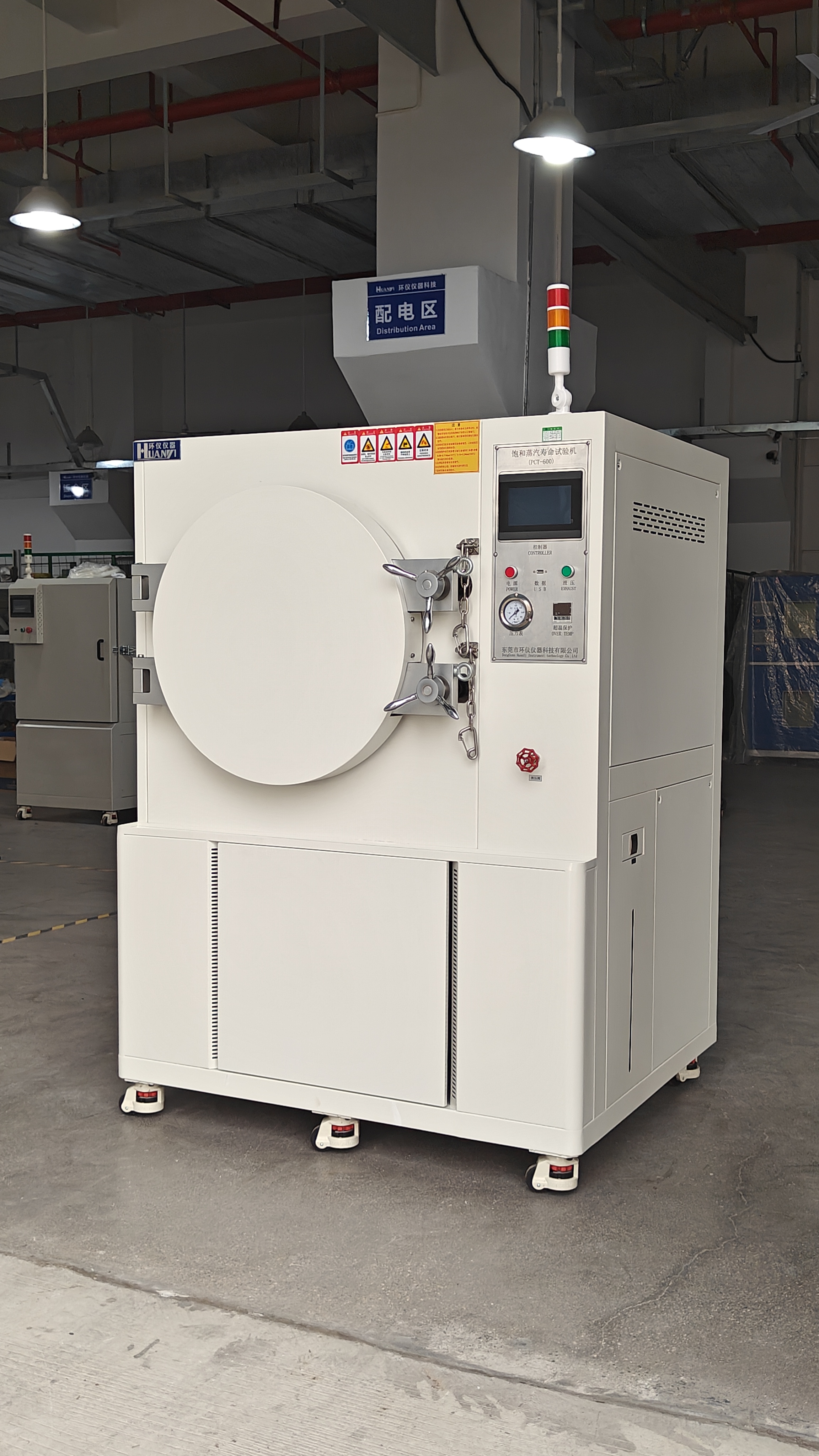
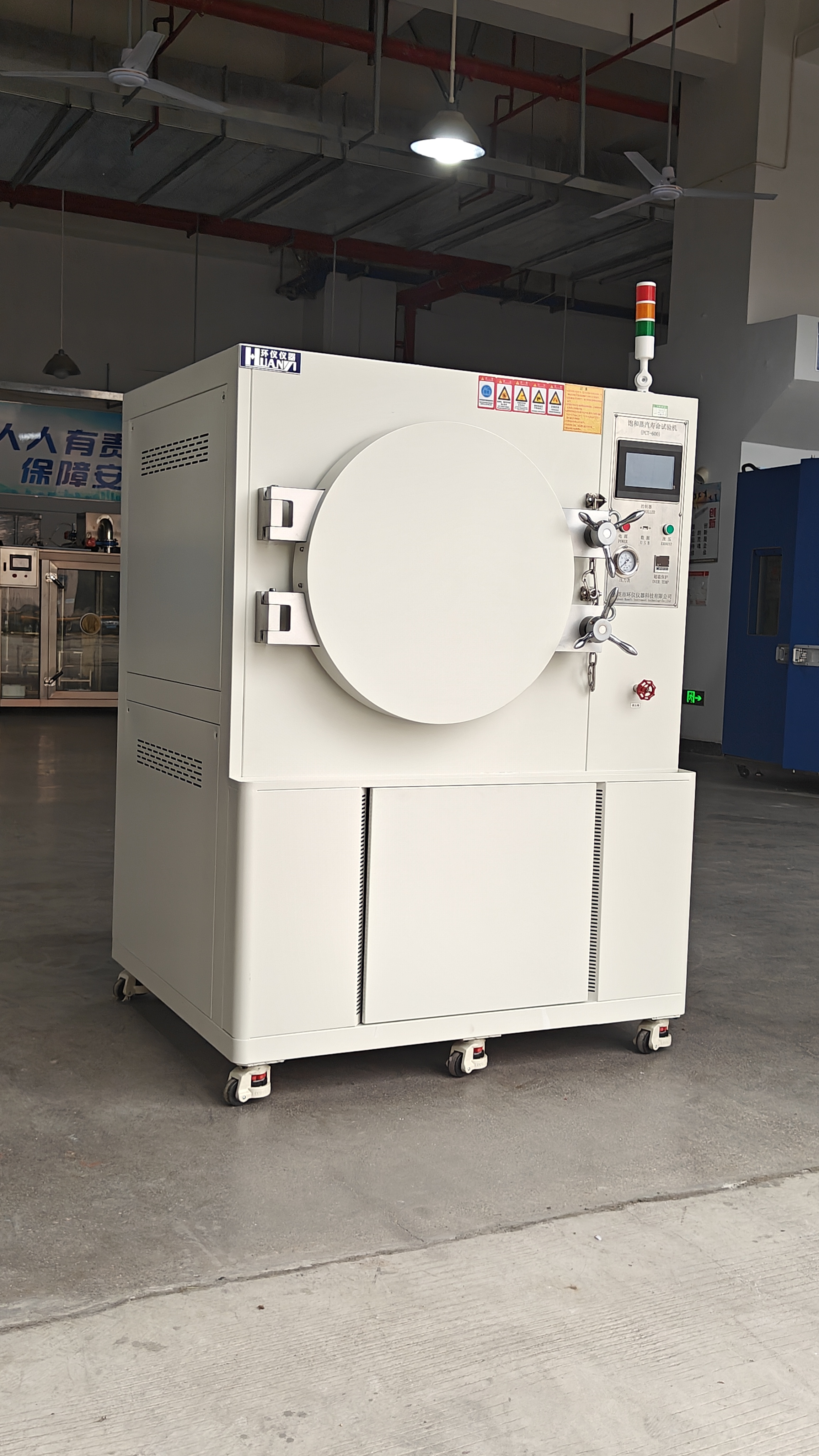
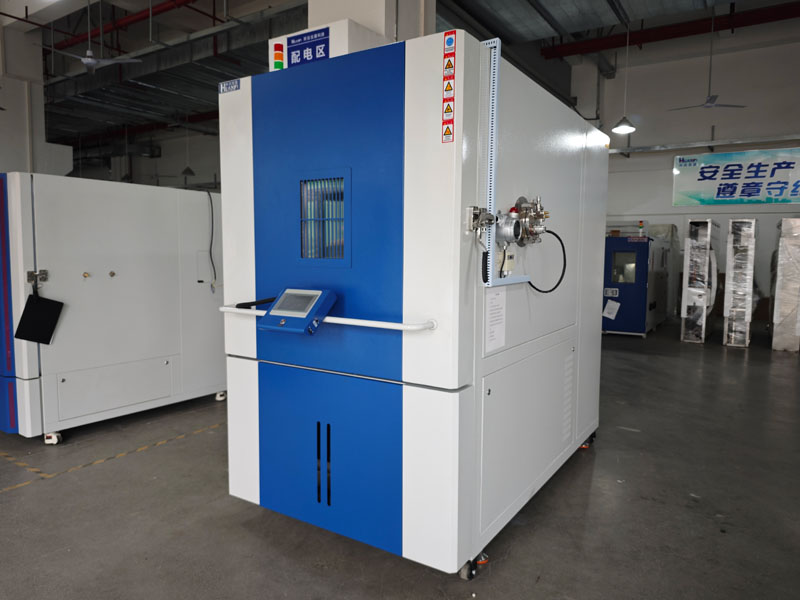
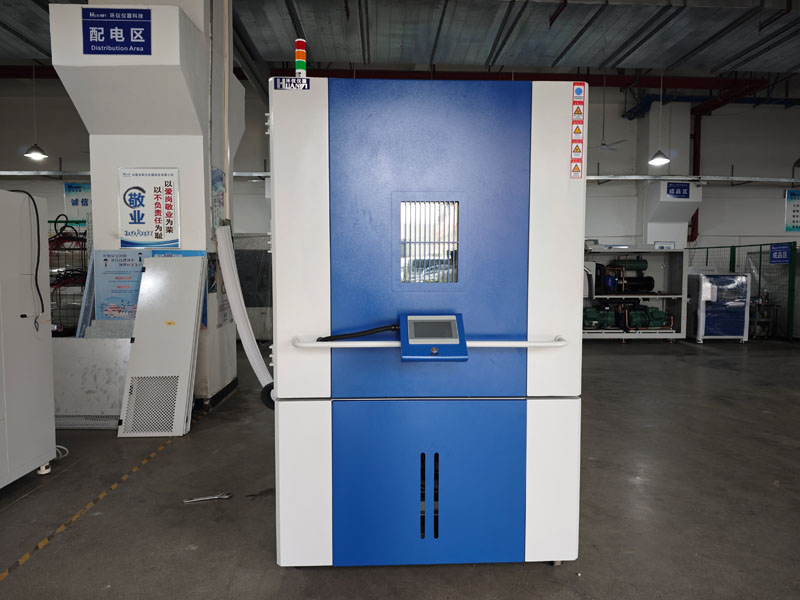
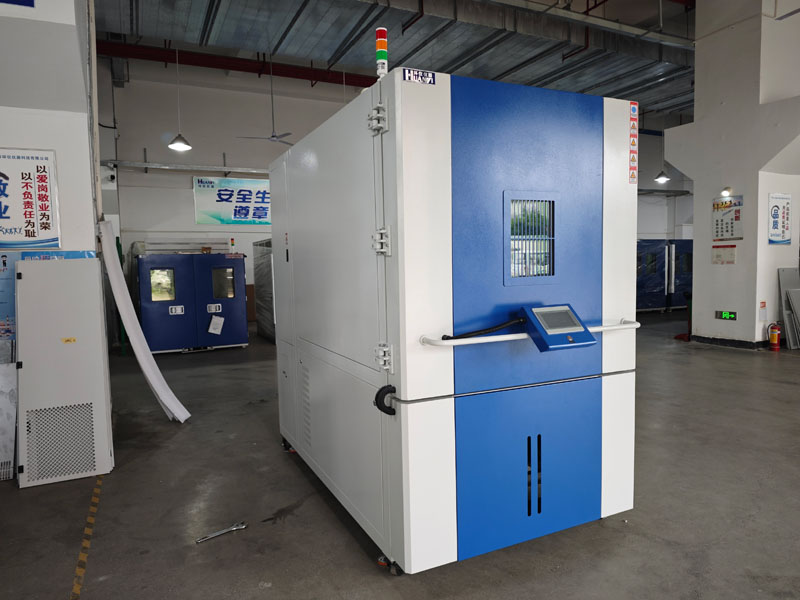
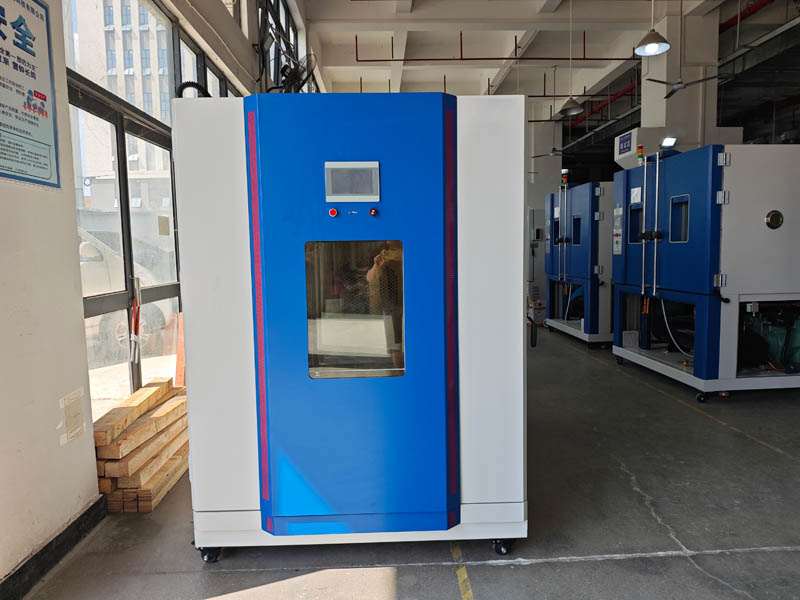
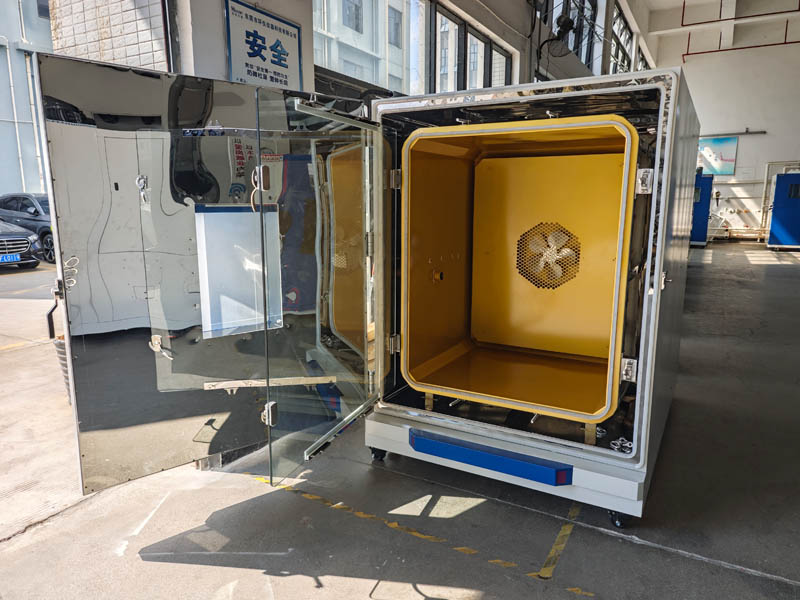
Testing Equipment: Toy VOC Emission Climate Chamber
VOC Release Environment:
1. Within 1 hour of sample conditioning, place the sample in the toy VOC release climate chamber. Chamber conditions: temperature 23±2℃, humidity 50±5%, release time 20 hours.
2. After release, perform sampling. Connect the collection tube to the air sampler using a conduit. Install the collection tube to the gas outlet of the climate chamber (bag). Use TENAX tubes for benzene compounds and DNHP tubes for formaldehyde sampling.
3. Once the TENAX sample has been collected, it should be analyzed immediately. If immediate analysis is not possible, seal both ends of the tube with a ferrule, wrap the collection tube in aluminum foil, label it, and store it in a refrigerator (4℃~10℃) for a maximum of one week.
4. Once the DNPH sample has been collected, it should be eluted with acetonitrile immediately. If immediate elution is not possible, wrap the collection tube in aluminum foil, label it, and store it in a refrigerator (4℃~10℃) for a maximum of 24 hours. The acetonitrile eluent solution should be diluted to 5 mL and analyzed as soon as possible; it can be stored in the refrigerator for 24 hours.
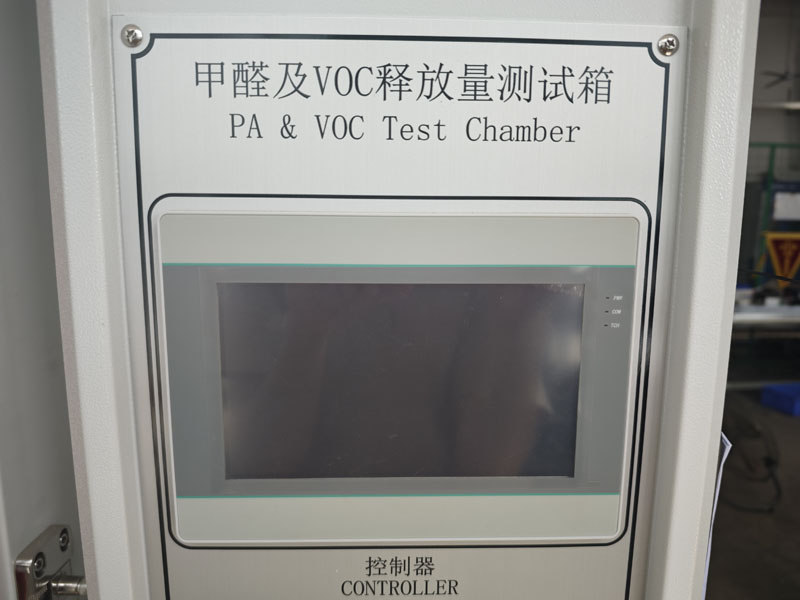
Climate Chamber Testing Principle:
The toy sample is placed in a climate chamber. After a period of time, once the volatile organic compound gases emitted by the sample have fully mixed with the air inside the chamber, the mixed air is periodically sampled. When the sampled data tends to stabilize, indicating that the gas inside the chamber has reached a steady state, the gas inside the chamber is sampled multiple times and the content of various gases is analyzed to determine whether the VOC emission of the test sample meets the standard.