


Study on Formaldehyde Equilibrium Time of Wood-based Panels in VOC Pre-treatment Chambers
Engineered wood products are a primary source of indoor formaldehyde, a substance characterized by a prolonged release process. According to the GB50325-2020 standard—which utilizes the Environmental Test Chamber method—a test is considered complete only after the specimen has reached equilibrium through continuous testing over a period of two days.
In this study, we subjected blockboard to a period of pre-treatment to observe its impact on the test results. Based on the experimental findings, we have drawn conclusions intended to serve as a reference for testing procedures.
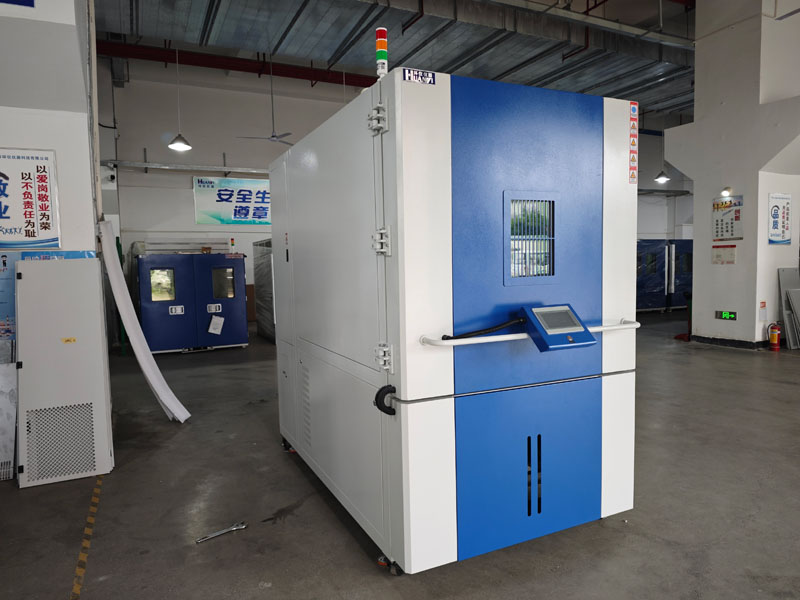
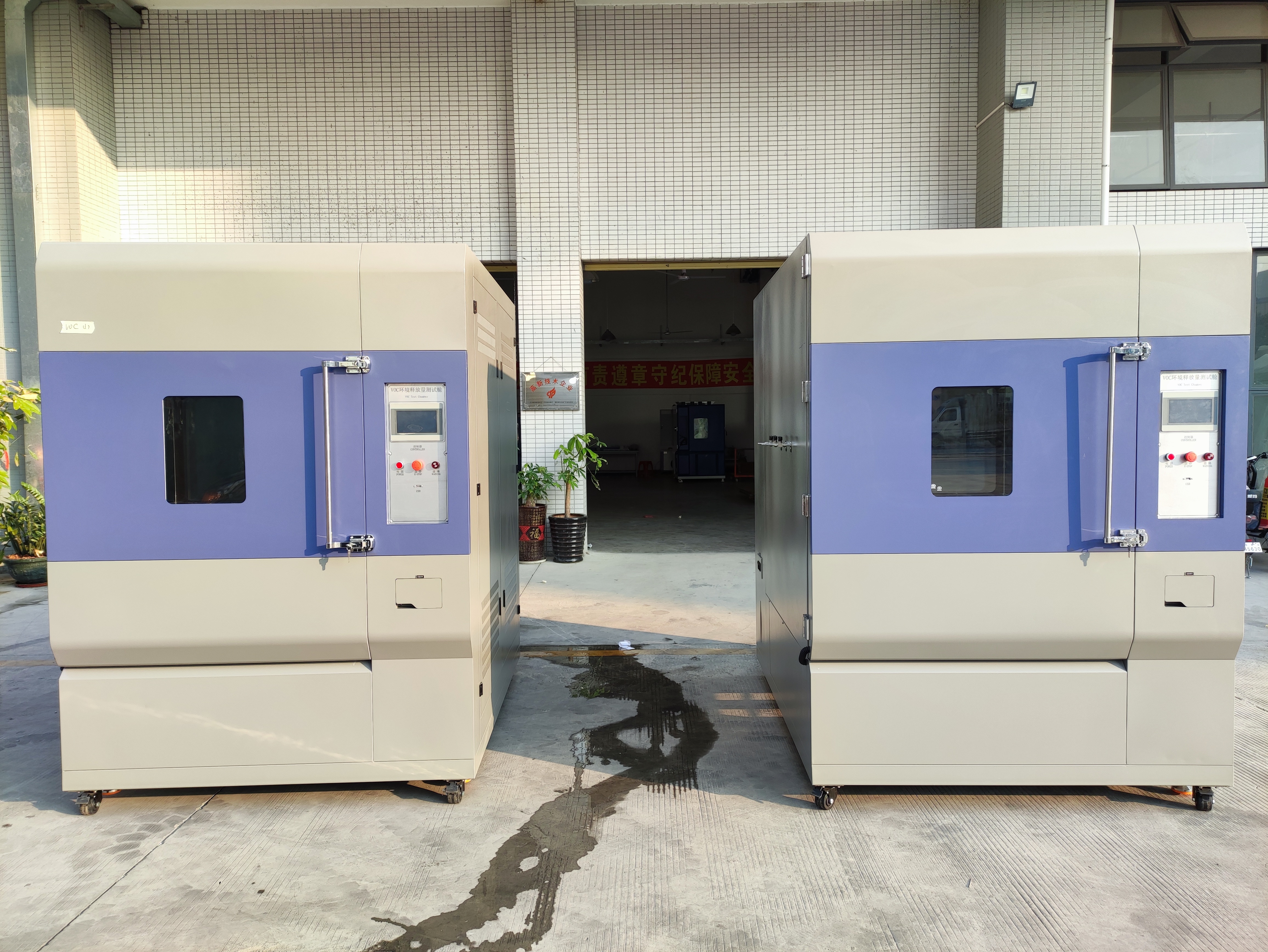
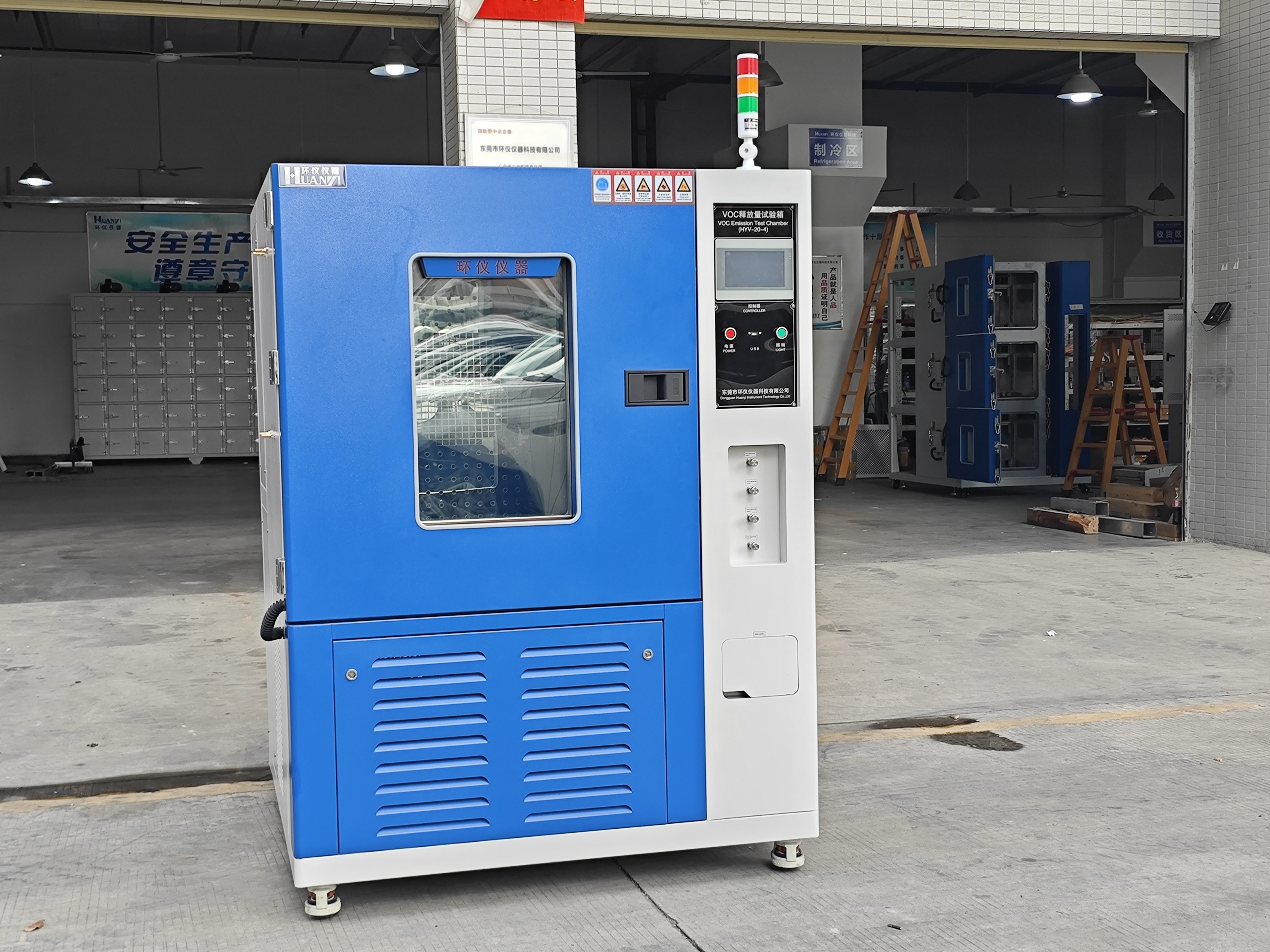
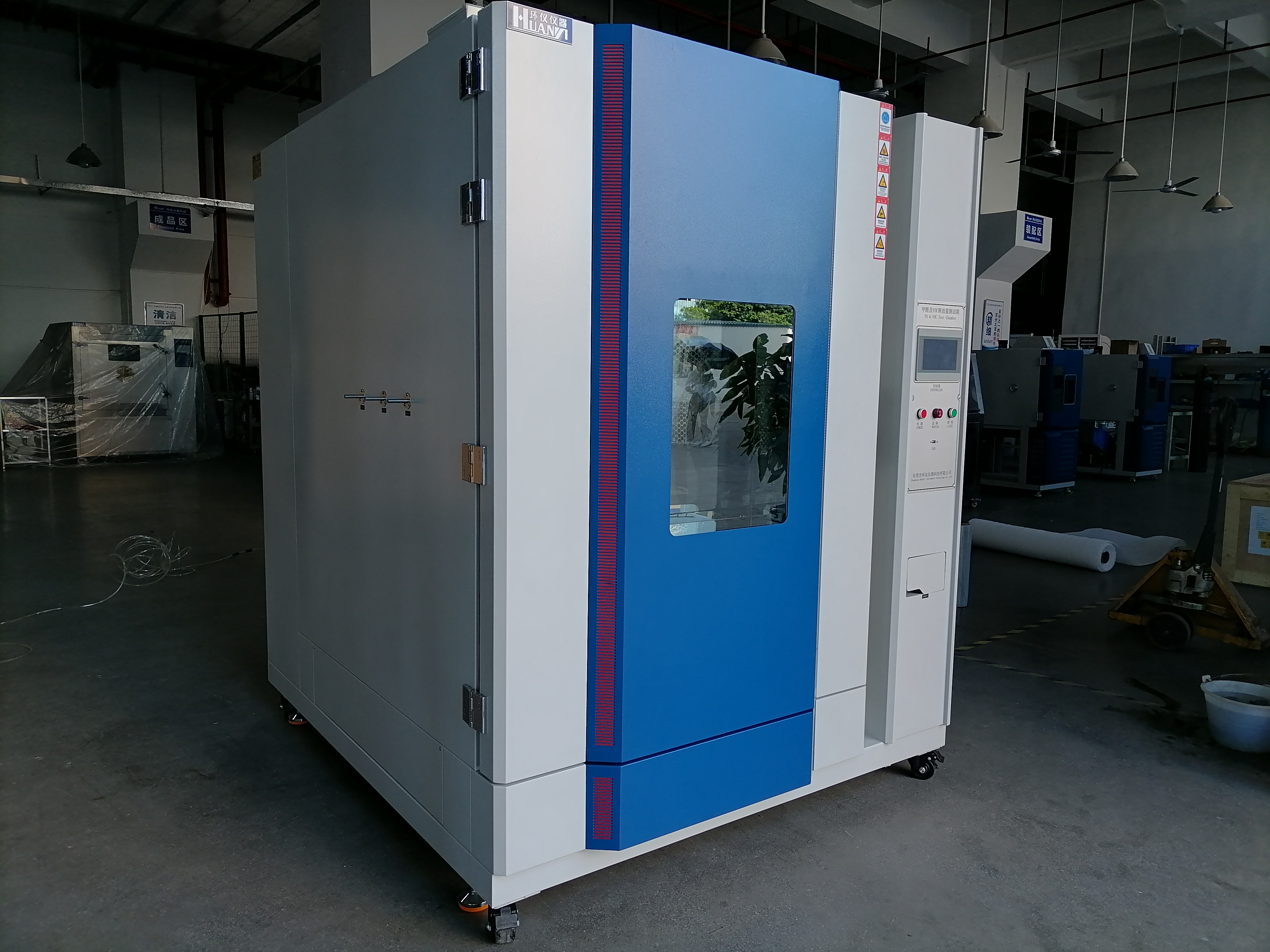
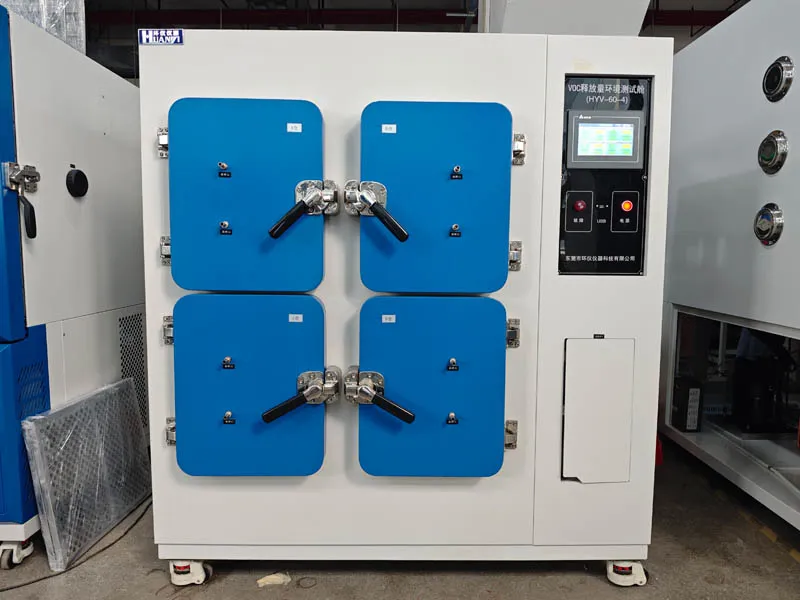
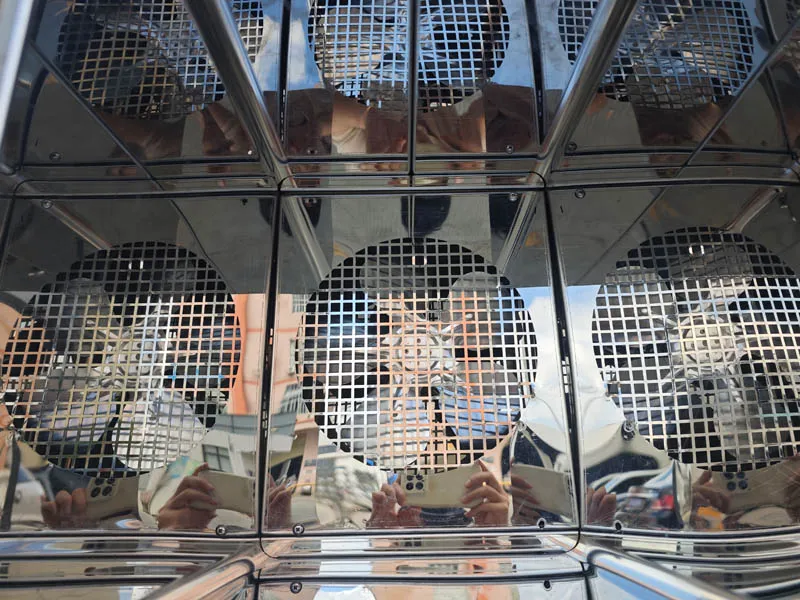
Test Equipment: Huanyi Instruments Hazardous Substance Release Pre-treatment Chamber
Testing instruments: Constant-flow sampler, large-volume gas absorption tube, visible spectrophotometer, thermometer, and barometer.
Sample preparation:
Six 0.5 m × 0.5 m specimens of blockboard from the same batch were selected and divided into three groups of two boards each for testing. Testing began immediately for the first group, while the remaining two groups underwent ventilation treatment for 5 days and 10 days, respectively, before being tested.
Test conditions:
The ratio of the surface area of the wood-based panel specimen to the volume of the environmental test chamber is 1:1.
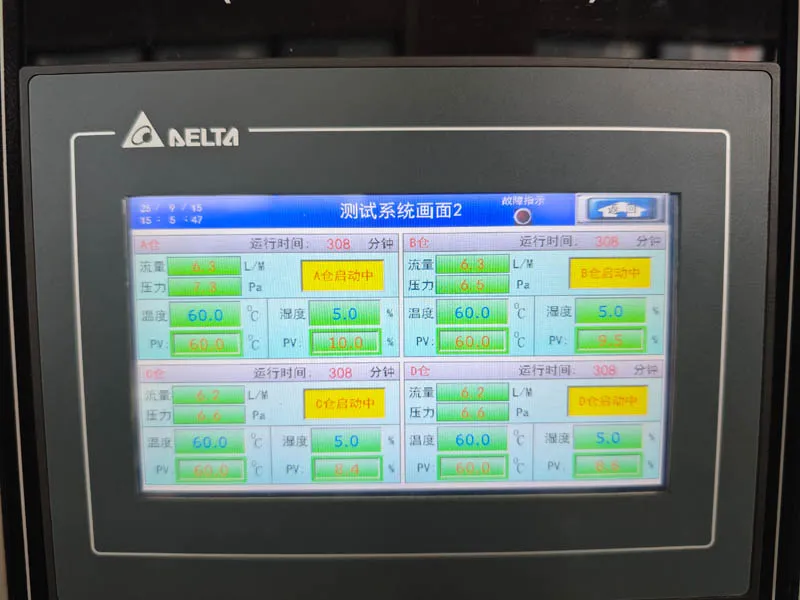
Environmental test Chamber Temperature: 23°C ± 0.5°C;
Relative humidity: 45% ± 3%; air exchange rate: 1 air change per hour (1 h⁻¹);
Air velocity over the surface of the test specimen: 0.2 m/s;
Prior to measuring the free formaldehyde emission, the background concentration of free formaldehyde in the environmental test chamber shall not exceed 0.01 mg/m³.
Experimental Procedure:
(1) First, clean the environmental test chamber and verify that the chamber's background formaldehyde level meets the specified requirements. Test the first set of blockboard samples until equilibrium is reached. Subject the remaining two sets of blockboard samples to ventilation treatment.
(2) Five days after testing began on the first set of blockboard samples, clean a second environmental test chamber and verify that its background formaldehyde level meets the specified requirements. Then, place the second set of blockboard samples—which have undergone five days of ventilation—into the chamber and test until equilibrium is reached.
(3) Ten days after testing began on the first set of blockboard samples, again verify that the chamber's background formaldehyde level meets the specified requirements. Then, place the third set of blockboard samples—which have undergone ten days of ventilation—into the chamber and test until equilibrium is reached (see the table below).
| Blockboard | Direct test (mg/m³) | Deviation from previous day (%) | Ventilation for 5 days (mg/m³) | Deviation from previous day (%) | Ventilation for 10 days (mg/m³) | Deviation from previous day (%) |
| Day 1 | 0.082 | - | 0.073 | - | 0.062 | - |
| Day 2 | 0.065 | 20.7 | 0.063 | 13.7 | 0.052 | 16.1 |
| Day 3 | 0.058 | 10.8 | 0.052 | 17.5 | 0.045 | 13.5 |
| Day 4 | 0.054 | 6.9 | 0.047 | 9.6 | 0.041 | 8.9 |
| Day 5 | 0.050 | 7.4 | 0.043 | 8.5 | 0.038 | 7.3 |
| Day 6 | 0.047 | 6.0 | 0.041 | 4.7 | 0.037 | 2.6 |
| Day 7 | 0.045 | 4.3 | - | - | - | - |