



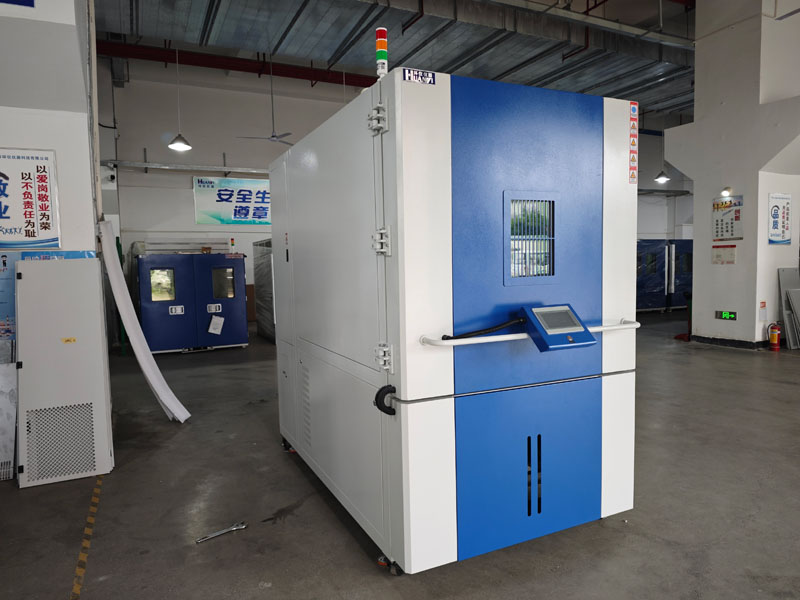
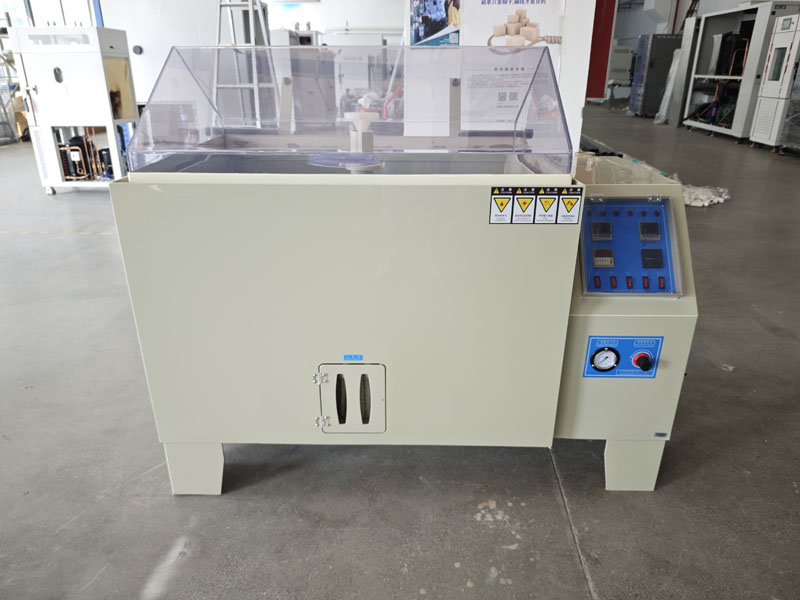
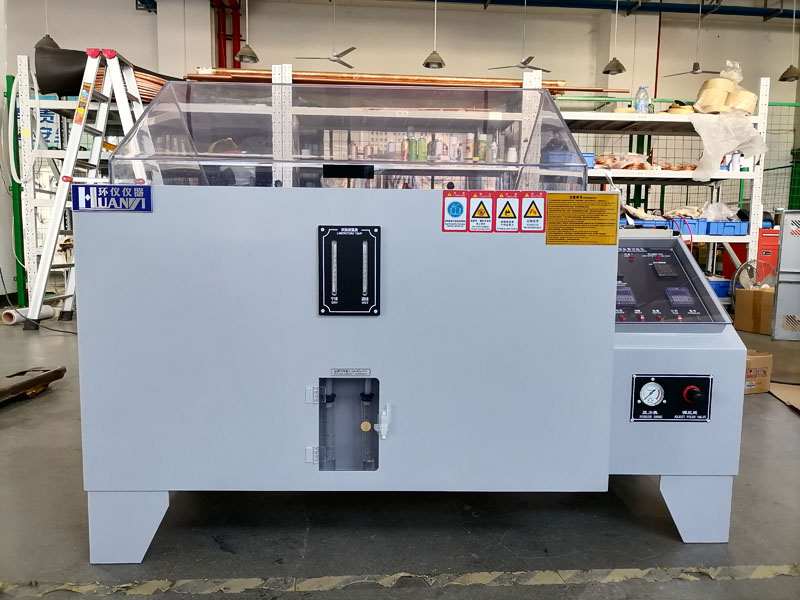
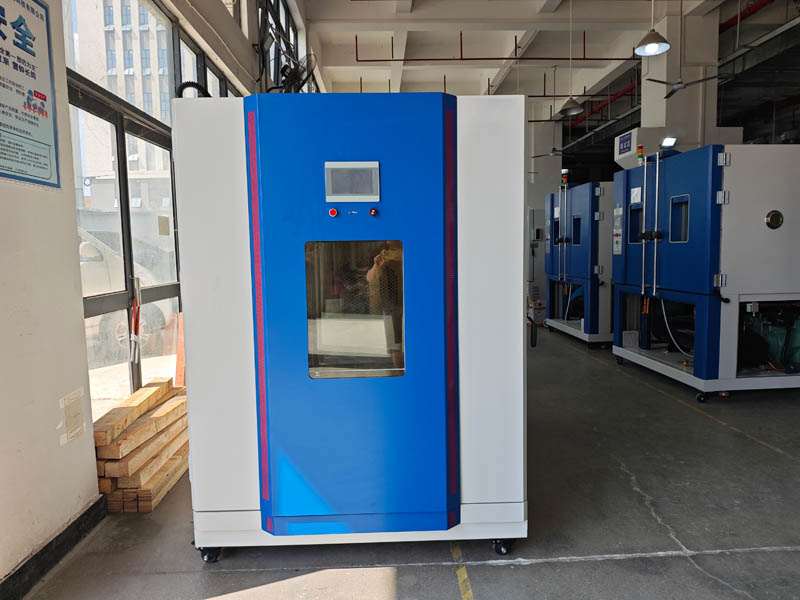
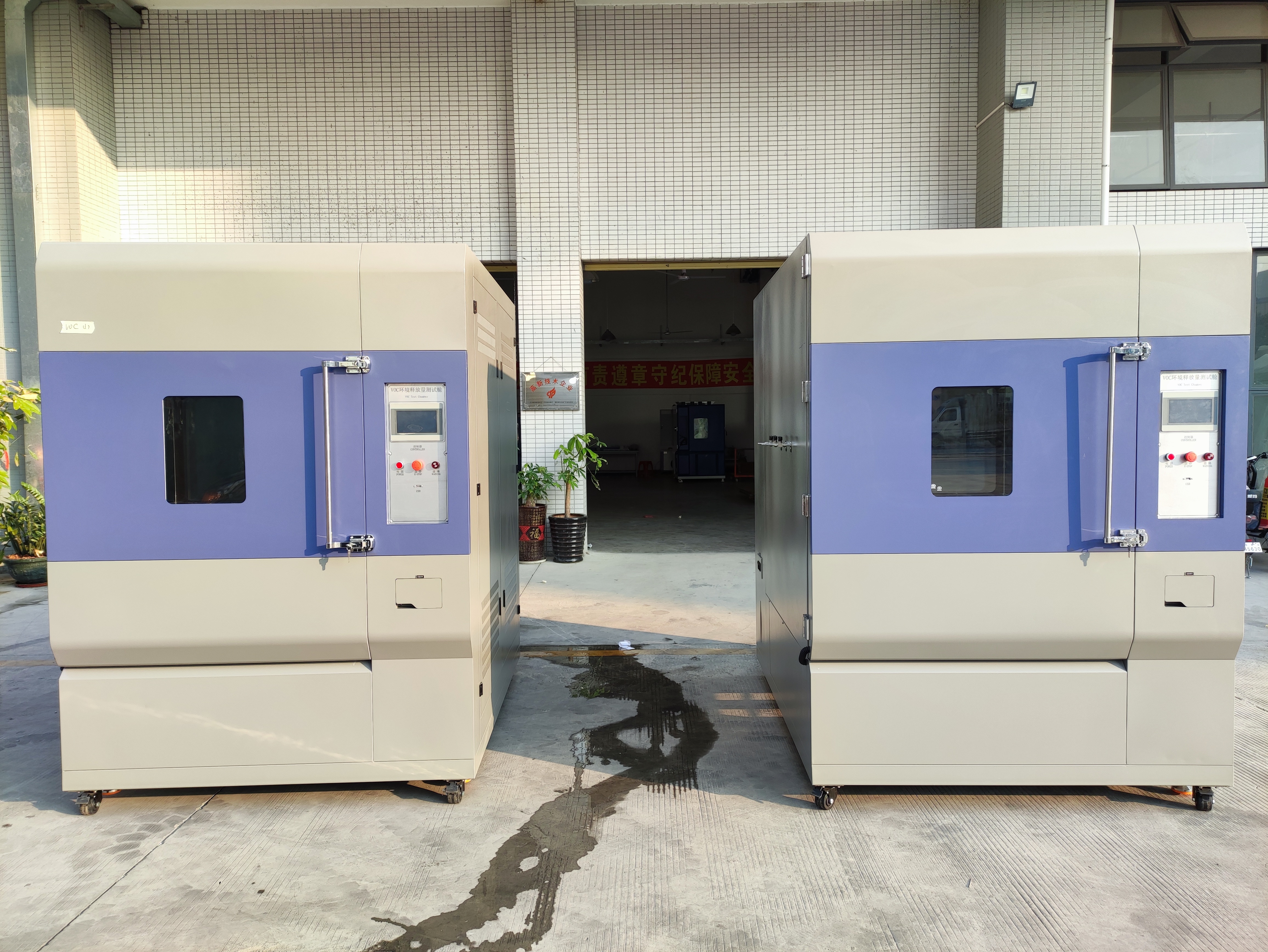
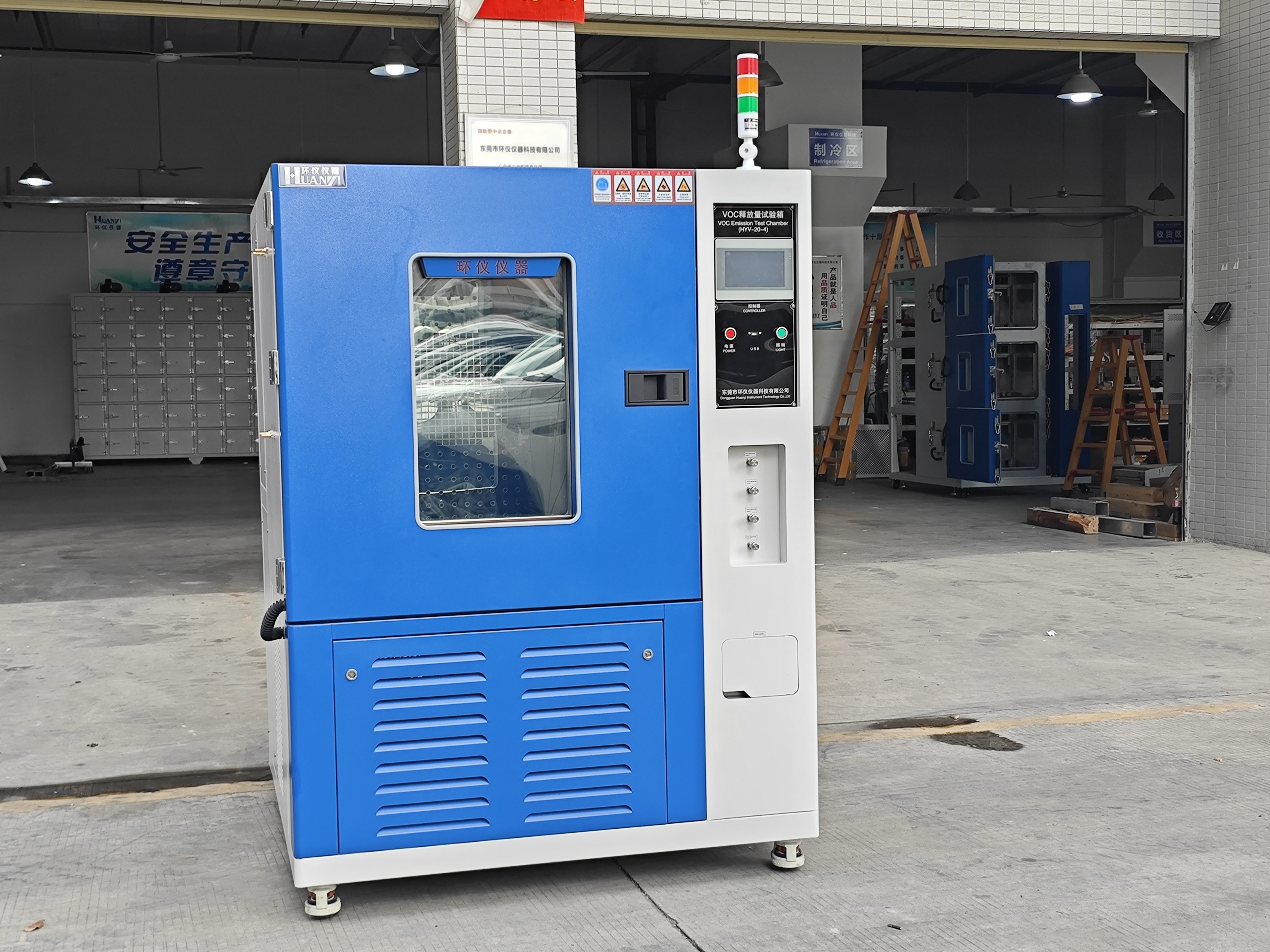
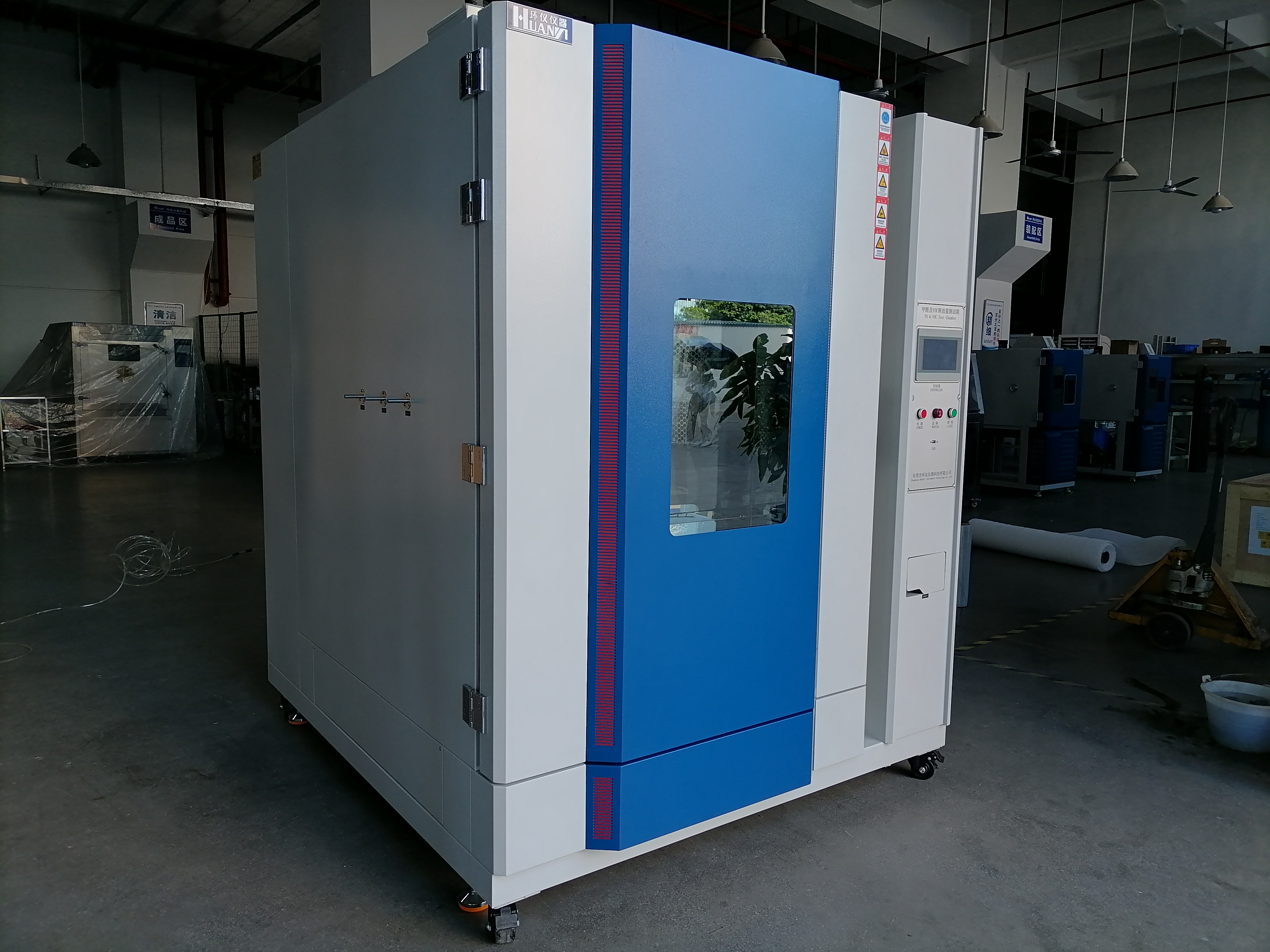
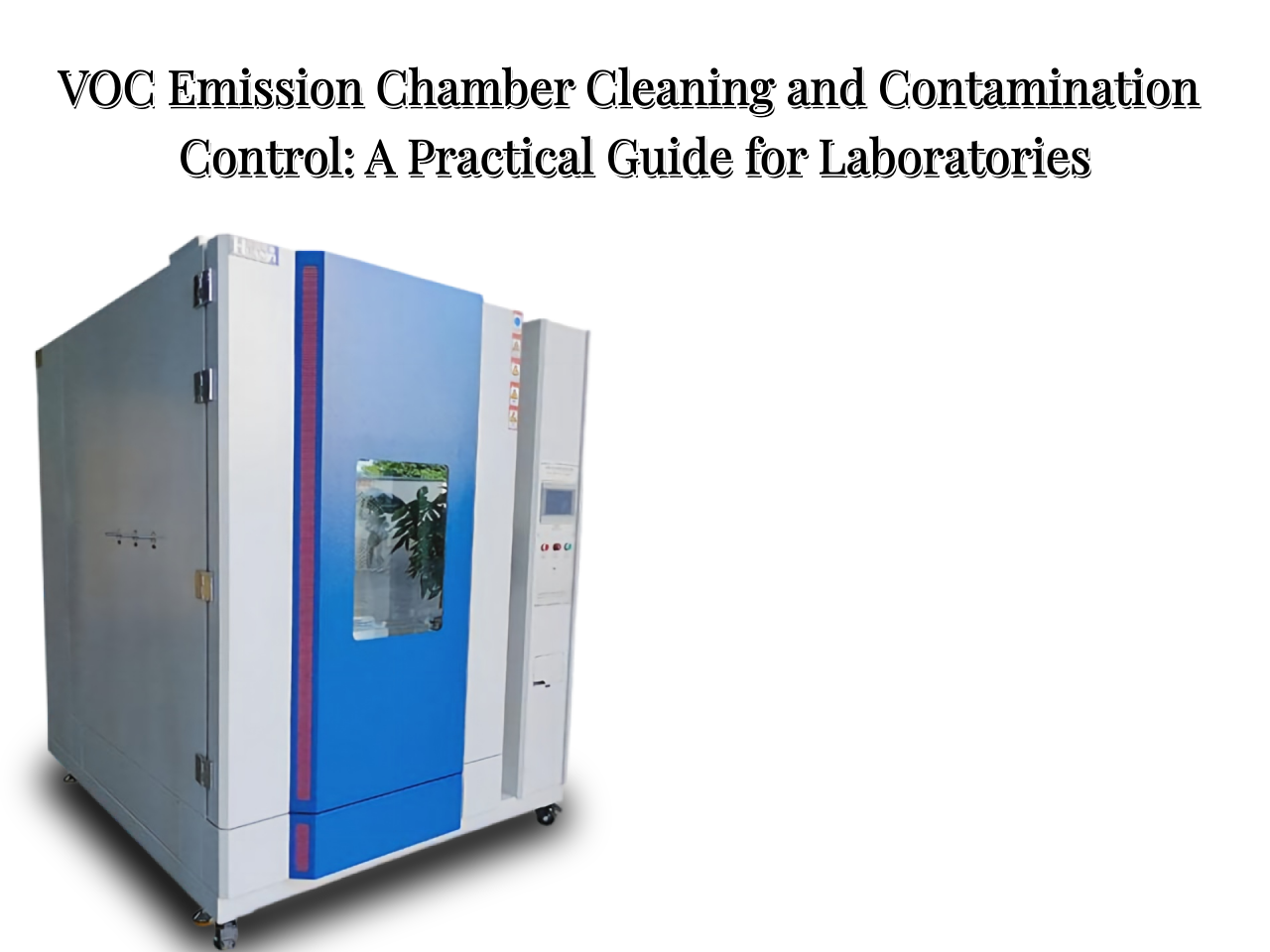
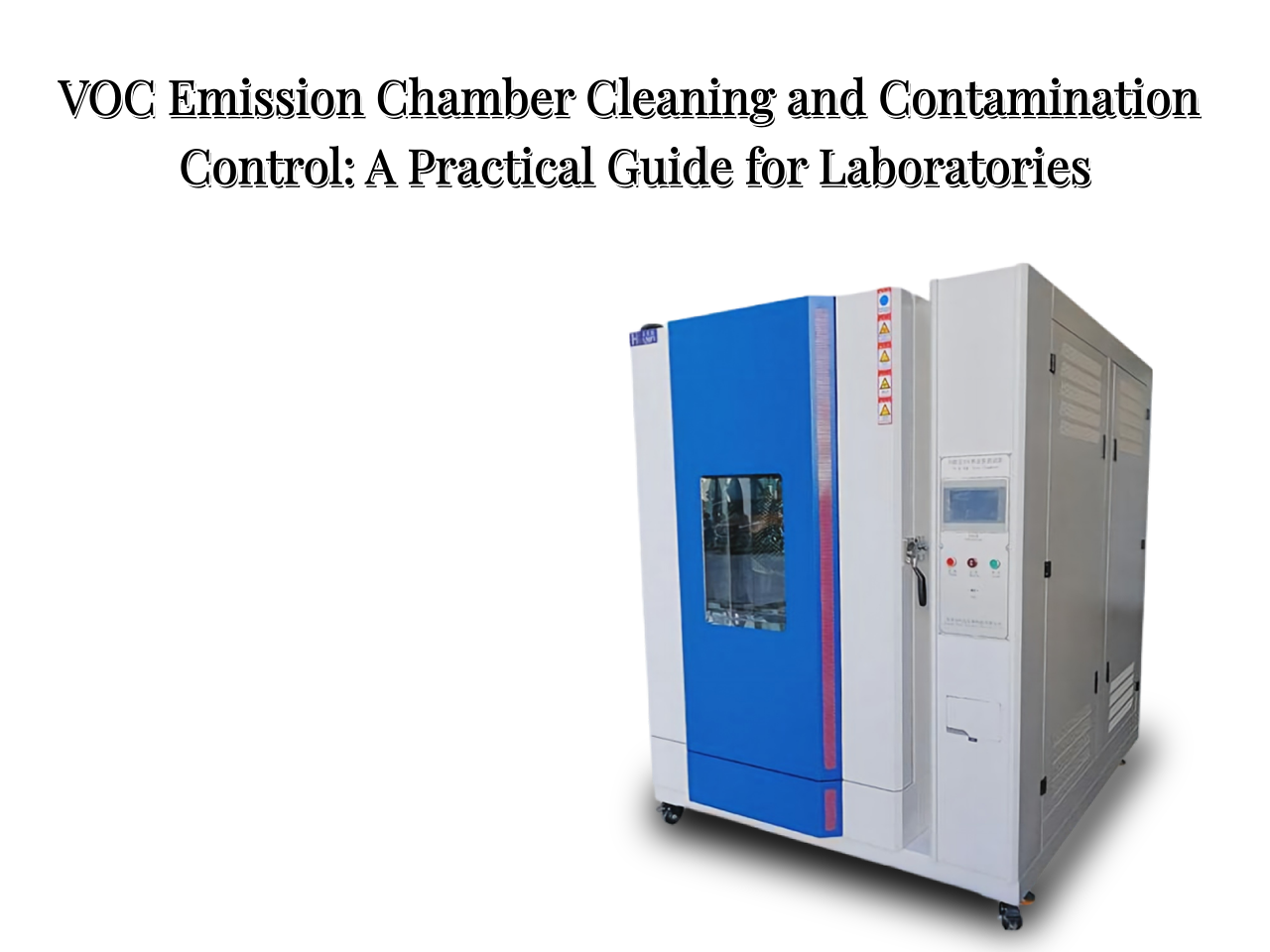
Switch Port Constant Humidity and Heat Test Chamber
The constant humidity and heat test chamber for switch ports can be used to assess a product's ability to withstand high temperature and high humidity environments.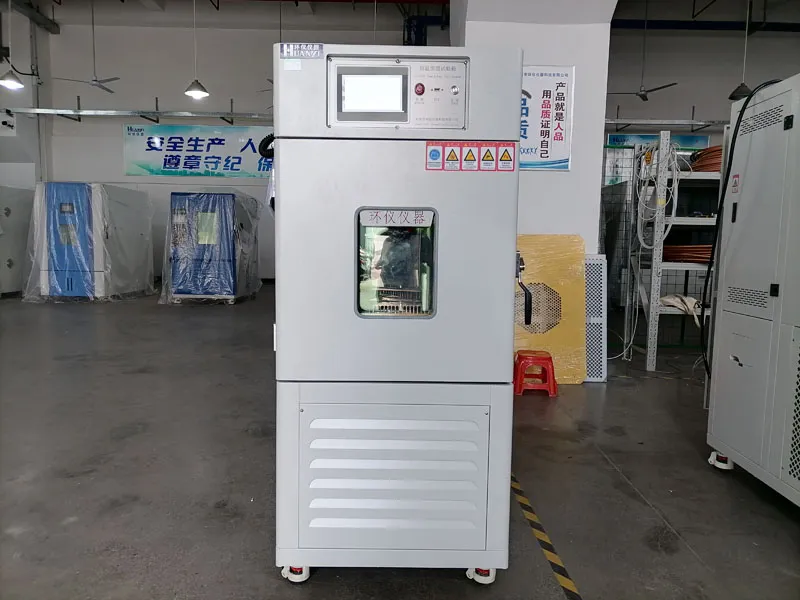
This test evaluates the corrosion resistance of chip metallized interconnects in plastic-encapsulated semiconductor devices and other types of packaged semiconductor devices. It can also be used as an accelerated method to address leakage current caused by moisture penetration through the passivation layer, and as a pretreatment method for various tests.
Technical Specifications:
| Brand | Huanyi Instruments | |||
| Temperature Range | 0-150°C | -20~150°C | -40~150°C | -70~150°C |
| Humidity Range | 20%~98%RH | |||
| Temperature and Humidity Fluctuation | ±0.5°C/±2.5%RH | |||
| Temperature and Humidity Uniformity | ≤2°C/≤3%RH | |||
| Temperature and Humidity Deviation | ±2°C, ±3.0%RH (>75%RH) ±5.0%RH (≤75%RH) | |||
| Heating Rate | Approx. 3°C/min (average nonlinear no-load) | |||
| Cooling Rate | Approx. 1°C/min (average nonlinear no-load) | |||
| Inner Casing Material | SUS304 Stainless Steel | |||
| Outer Casing Material | High-grade steel plate with baked enamel finish or SUS304 stainless steel | |||
| Refrigeration System | Mechanical compressor, binary cascade refrigeration | |||
| Cooling Method | Air-cooled/Water-cooled | |||
| Protective Devices | Leakage protection, compressor overpressure protection, overheat protection, overcurrent protection, over-temperature protection, fan overload protection, phase sequence protection, dry burning/empty combustion protection, water shortage protection. | |||
| Standard Accessories | One insulated glass viewing window, one test port, two sample racks, one lighting lamp, and a USB interface. | |||
| Remarks | Other chamber dimensions can be customized to meet specific requirements. | |||
Test Procedure:
1. Pretreatment
When the device is a surface-mount device encapsulated in plastic, it should undergo moisture immersion and solder heat treatment according to IEC 60749-20 before testing.
2. Placement and Removal of Device
The device should be placed in the specified constant humidity and heat test chamber for switch ports. When placing and removing the device from the test chamber, ensure that no small water droplets adhere to the device, and that the device does not come into contact with any condensation.
3. Test Conditions
Temperature and humidity conditions should be selected from the table below.
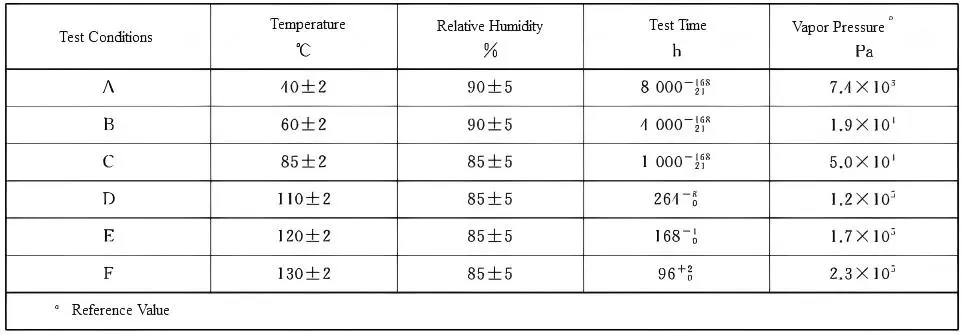
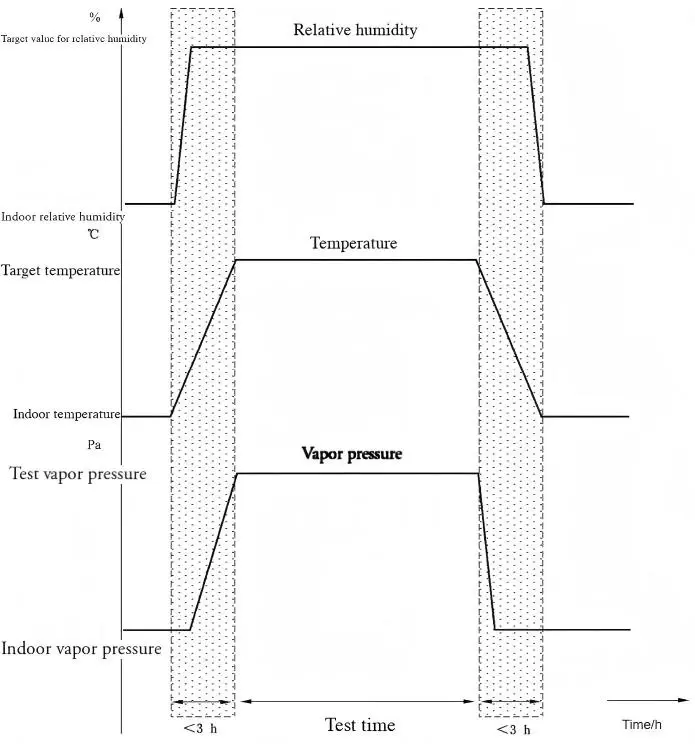
Unless otherwise specified in relevant documents, condition C should be used. For conditions D, E, and F, unless otherwise specified in relevant documents, the temperature should be controlled from the start to the end of the test, and the humidity should be controlled during the heating and cooling periods, based on the curves in the figure below. It should be noted that short circuits (leakage) between the electroplated metals of the external leads, which will not occur in field use, may occur under conditions C (85℃, 85% relative humidity) and conditions D, E, and F (unsaturated high-pressure steam test), potentially causing failure.
4. Post-Test Recovery
After the test is completed and the temperature and humidity inside the test chamber have returned to near the specified temperature and humidity profile, the device should be removed from the test chamber and placed at room temperature. The device should be kept at room temperature for 2 hours before starting electrical performance testing, continuing until the test is completed.
Under conditions D, E, and F, extra caution should be exercised when handling the device after the test, as other failure modes may occur due to condensation, sudden temperature and pressure changes, and other related factors.