



Technical Solutions for Vehicle Pollutant Emission Compartments
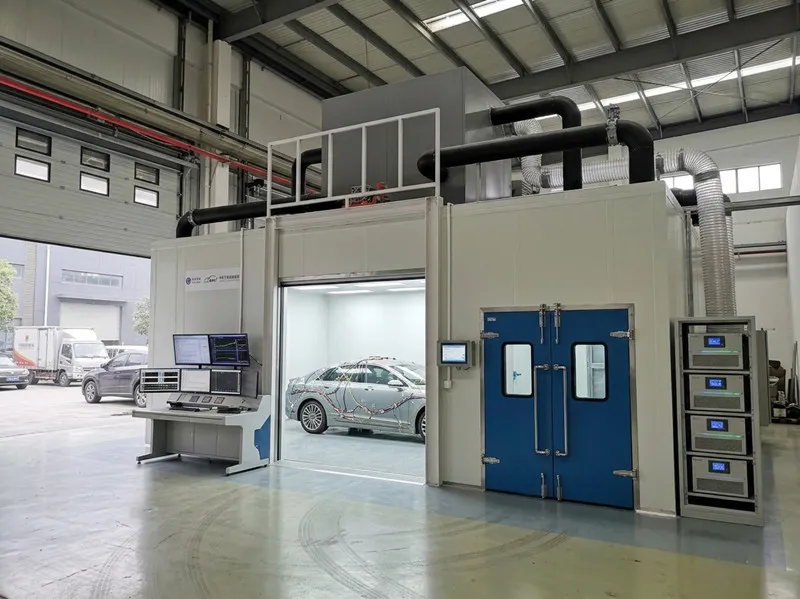
The impact of volatile organic compounds (VOCs), formaldehyde, aldehydes, ketones, and other harmful gases emitted by vehicles during operation on in-vehicle air quality and human health is receiving increasing attention. Therefore, we need a dedicated Environmental Chamber system for testing the pollutant emissions of buses to accurately measure the amount of pollutants released by the vehicle under different temperature, humidity, and ventilation conditions. Below, we will discuss the relevant technical requirements for bus pollutant emission chambers.
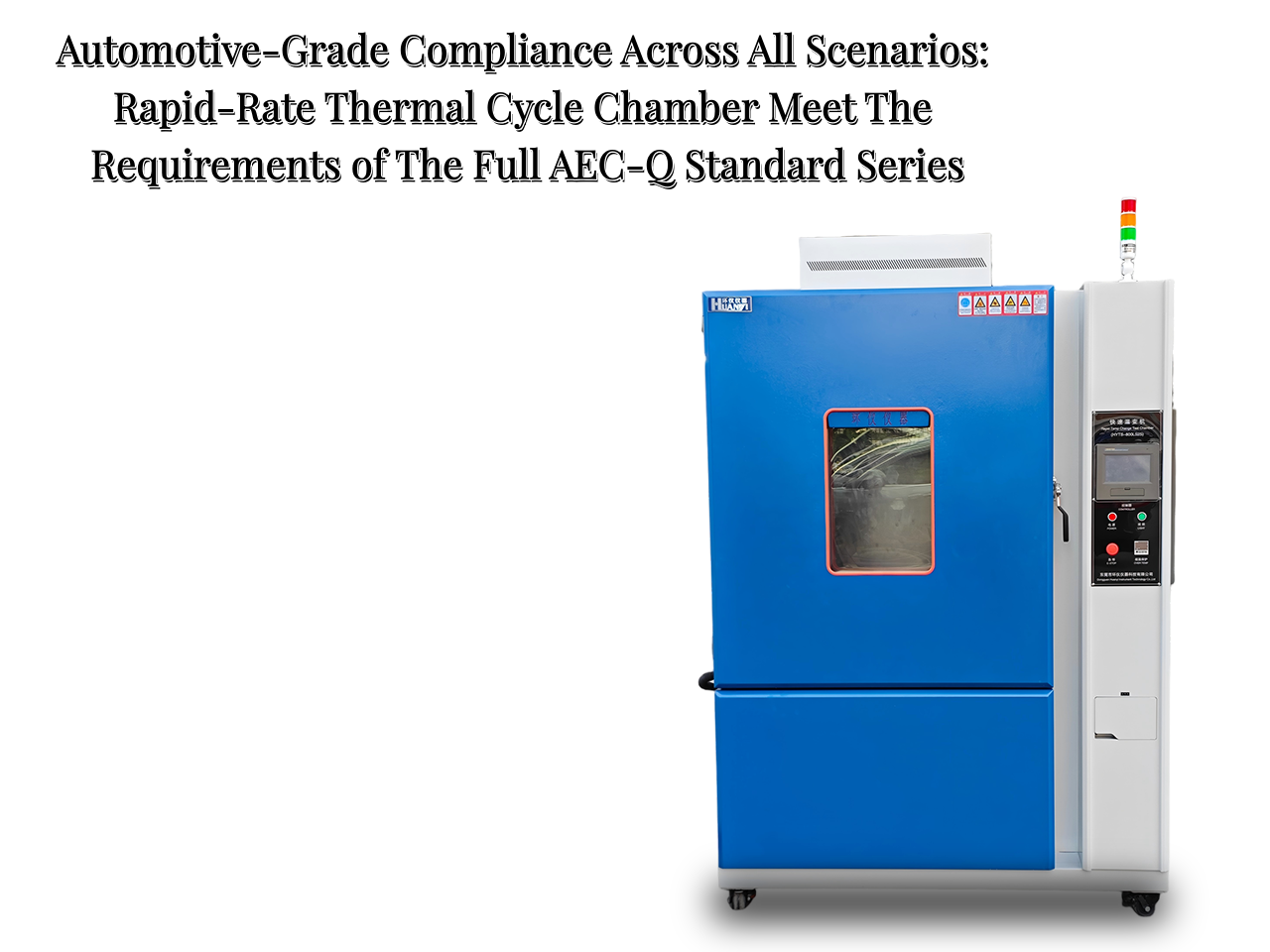
Product Name: Huanyi Instruments Bus Pollutant Emission Chamber
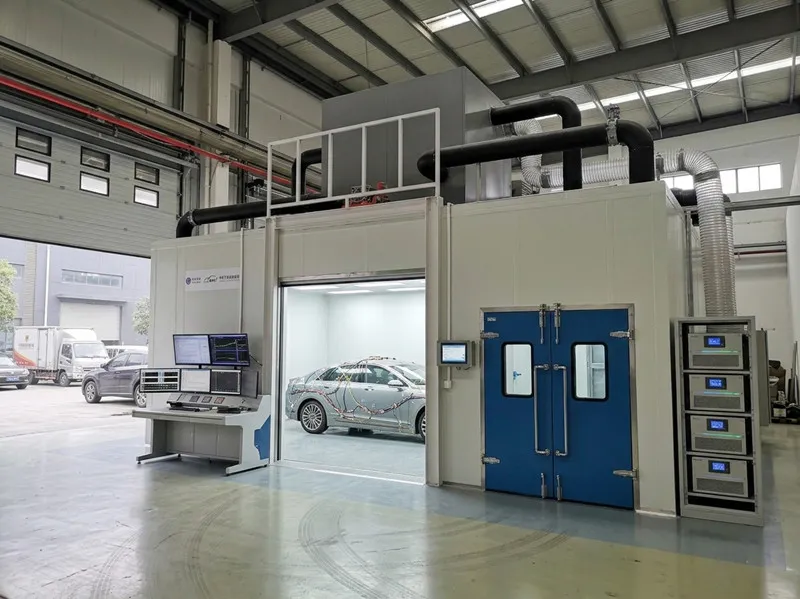
Main Components:
1. Cabin System
The cabin adopts a highly airtight structural design, consisting of a steel frame and insulated sandwich panels. The inner walls are made of low-adsorption, low-release materials, and the inner surface materials are inertized, with a leakage rate ≤0.5%/h.
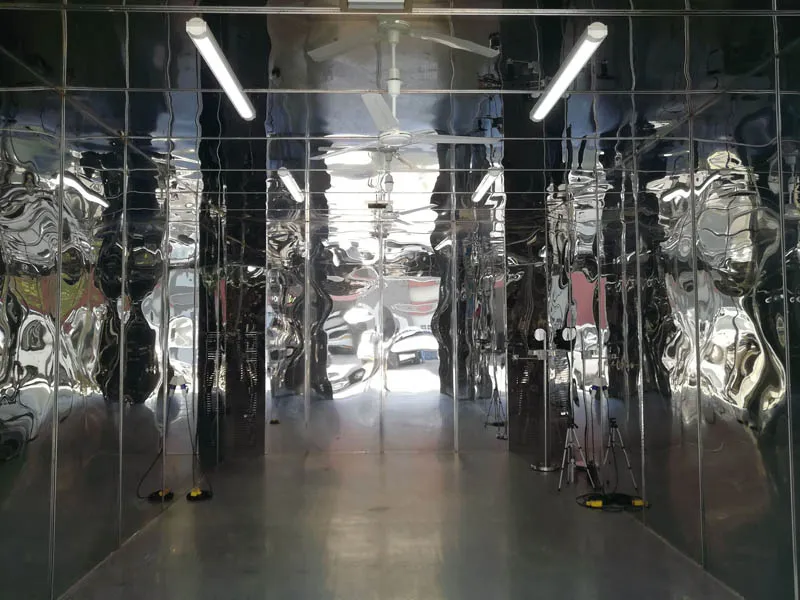
2. Temperature and Humidity Control System
This system simulates pollutant release under different environmental conditions and mainly consists of a refrigeration unit, electric heater, humidifier, and dehumidifier. The system uses PID control to achieve stable and rapid environmental adjustment.
3. Air Purification and Circulation System
A circulating fan ensures uniform air mixing within the cabin, preventing pollutant concentration stratification. This includes:
Activated carbon adsorption module (VOC removal)
HEPA high-efficiency filter (particulate matter removal)
Catalytic oxidation device (optional).
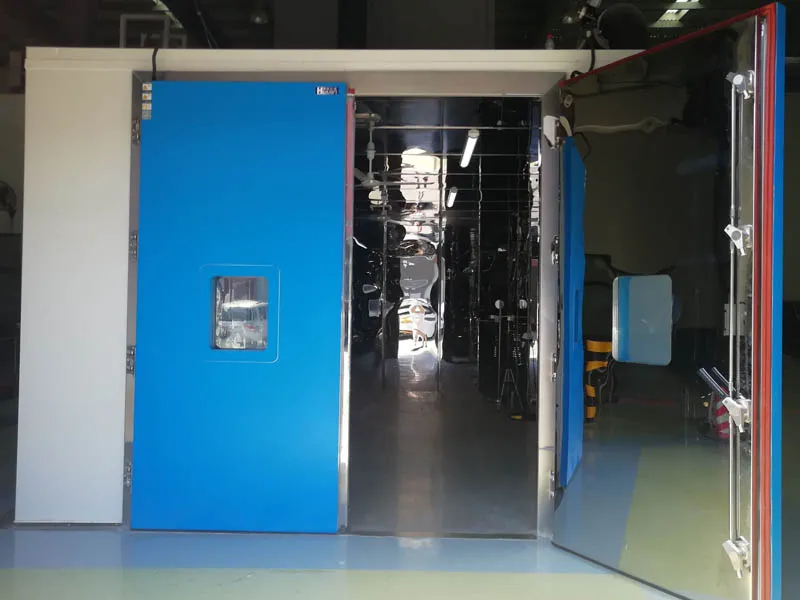
4. Fresh Air Supply and Ventilation System
Used to control the air exchange rate within the cabin, simulating actual operating conditions.
5. Sampling and Analysis System
Used to collect air samples from the cabin and analyze pollutants, mainly including:
Multi-point sampling devices (distributed in the front, middle, and rear areas of the vehicle), sampling pipelines (inert material, such as PTFE), and interfaces for online or offline analysis equipment.
Detectable Items: VOCs (TVOC), formaldehyde, benzene, toluene, xylene, aldehydes and ketones.
Supports coupling with gas chromatographs (GC), mass spectrometers (MS), etc.
Overall Parameters:
| Volume | Customizable |
| Temperature Range | 15~40°C (High Temperature Customization) |
| Humidity Range | 35~70% RH |
| Temperature Control Method | Air Jacket Method (Heat-Cold Counterbalance Method) |
| Humidity Control Method | Dry and Humidity Ratio Two-Way Adjustment Method |
| Temperature Deviation | ≤±0.5°C |
| Humidity Deviation | ≤±2% RH |
| Temperature Uniformity | ≤±1.5°C |
| Humidity Uniformity | ≤±3%RH |
| Temperature Fluctuation | ≤±0.5°C |
| Humidity Fluctuation | ≤±2%RH |
| Ventilation Rate | 0-2.5 times/hour (customizable) |
| Sealing Performance | In-cabin Air Leakage Rate <5%; Air Supply Rate or Pressurization of 1kPa Overpressure, Gas Leakage Rate <0.5% Cabin Volume/min |
| Center Air Velocity | 0.1-0.3m/s (continuously adjustable) |
| Relative positive pressure | 10±5 Pa |
| Spiked recovery rate | >80% |
| Background value (mg/m³) | Formaldehyde: ≤0.006 mg/m³; VOC: ≤0.002 mg/m³; TVOC: ≤0.02 mg/m³ |
Working Principle
The bus under test is driven into the emissions compartment, the doors are closed, and the compartment is sealed. The background air inside the compartment is purified to a low concentration using an air purification system. Then, the temperature and humidity control system is activated to bring the compartment to the set environmental conditions.
Within a specified time, pollutants released from the bus's interior materials diffuse into the air inside the compartment, where they are uniformly mixed through a circulation system. The sampling system collects air samples at set time points, and the pollutant concentration is measured using analytical equipment to calculate the total vehicle emissions.