



VOC Emission Testing for Building Materials, Furniture, and Product Quality Control
Introduction
Volatile organic compounds (VOCs) may be released from building materials, furniture, coatings, adhesives, and other products used indoors. Understanding these emissions is important for manufacturers developing products, laboratories evaluating material performance, and quality teams monitoring production consistency.
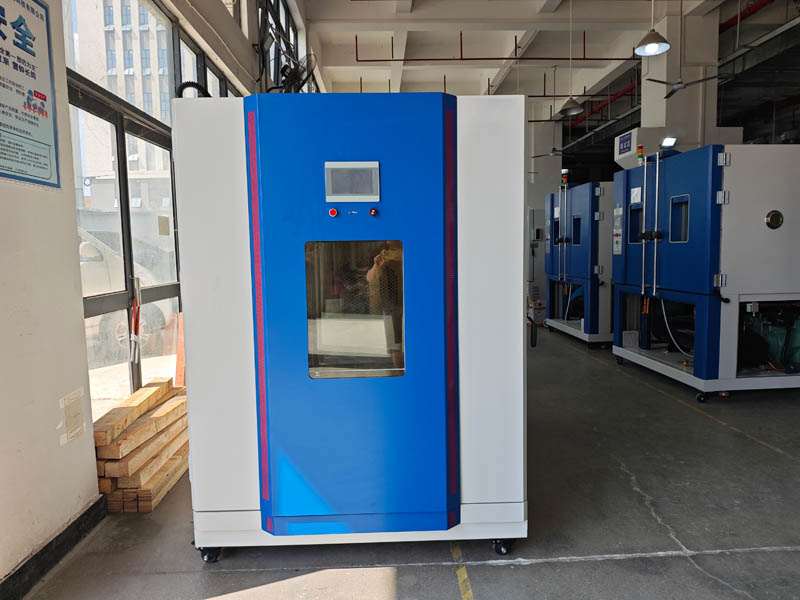
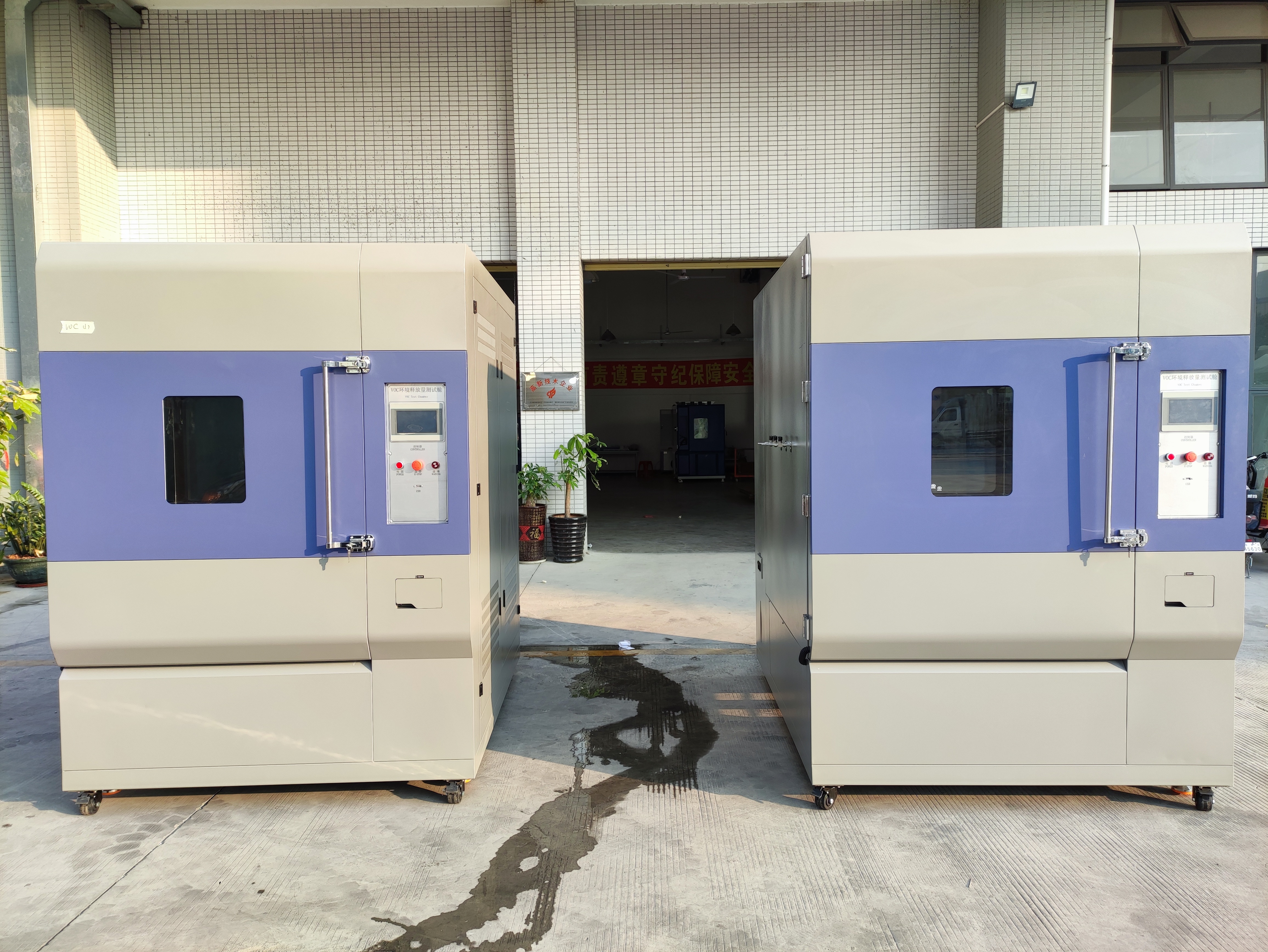
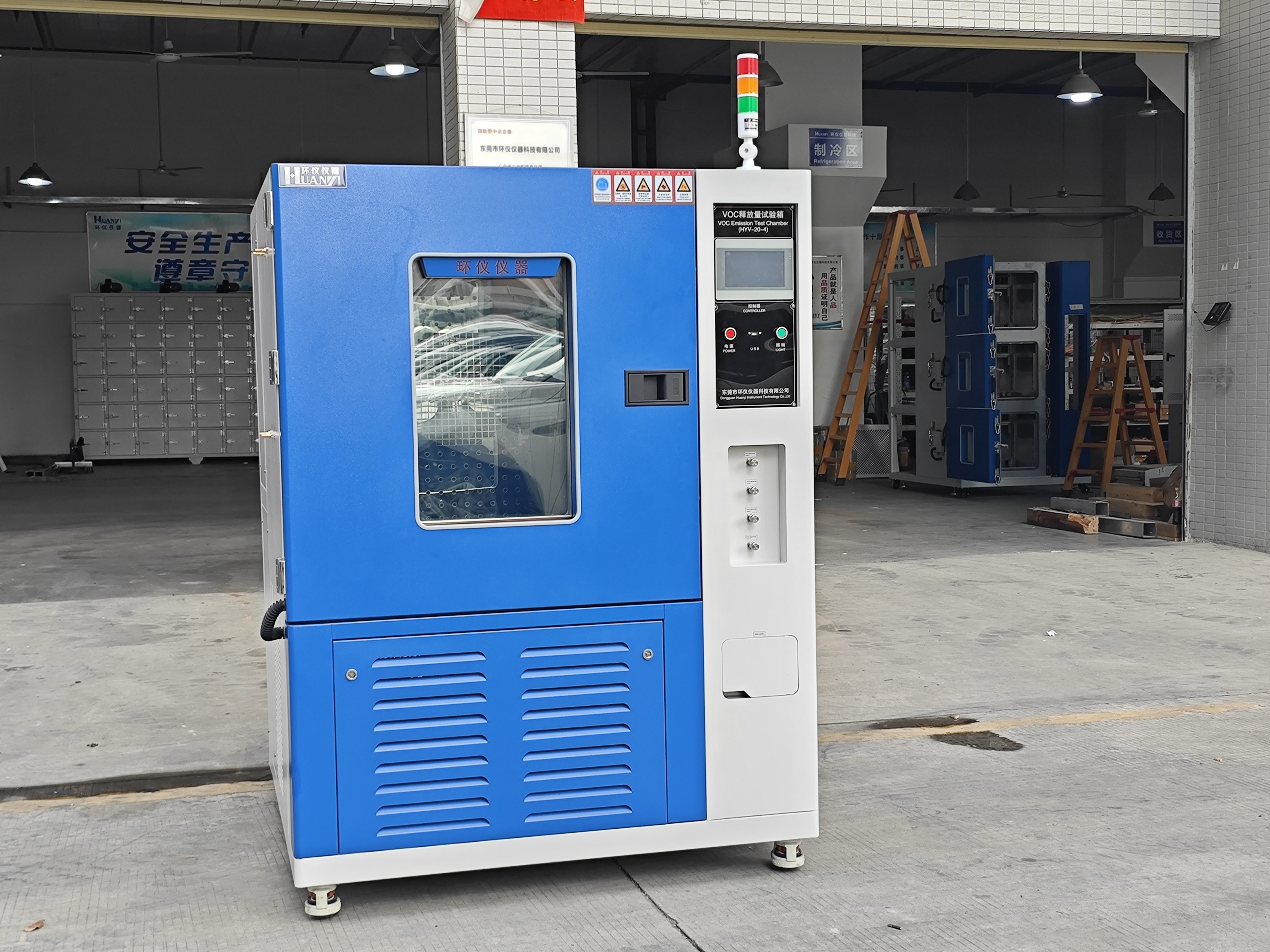
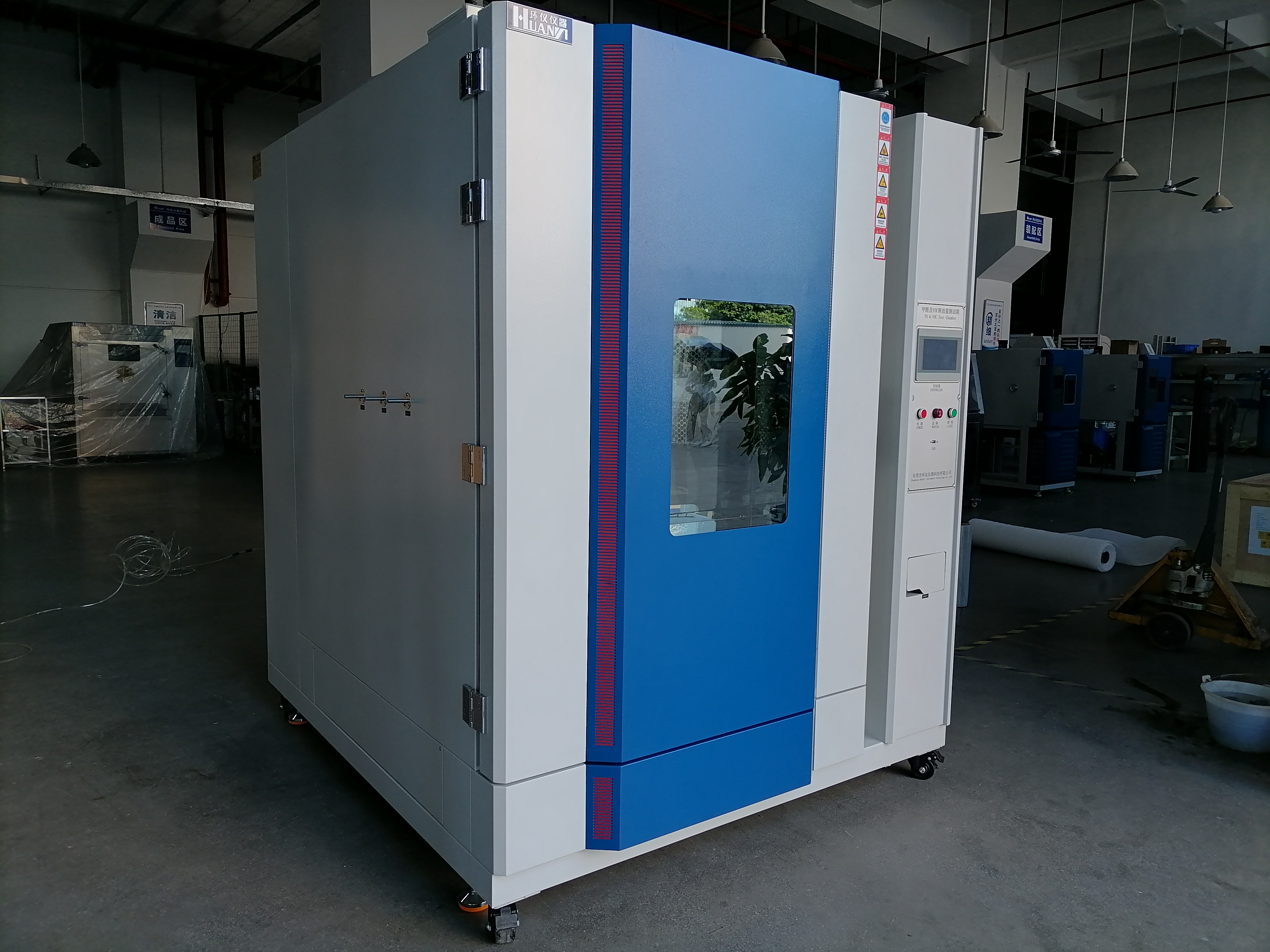
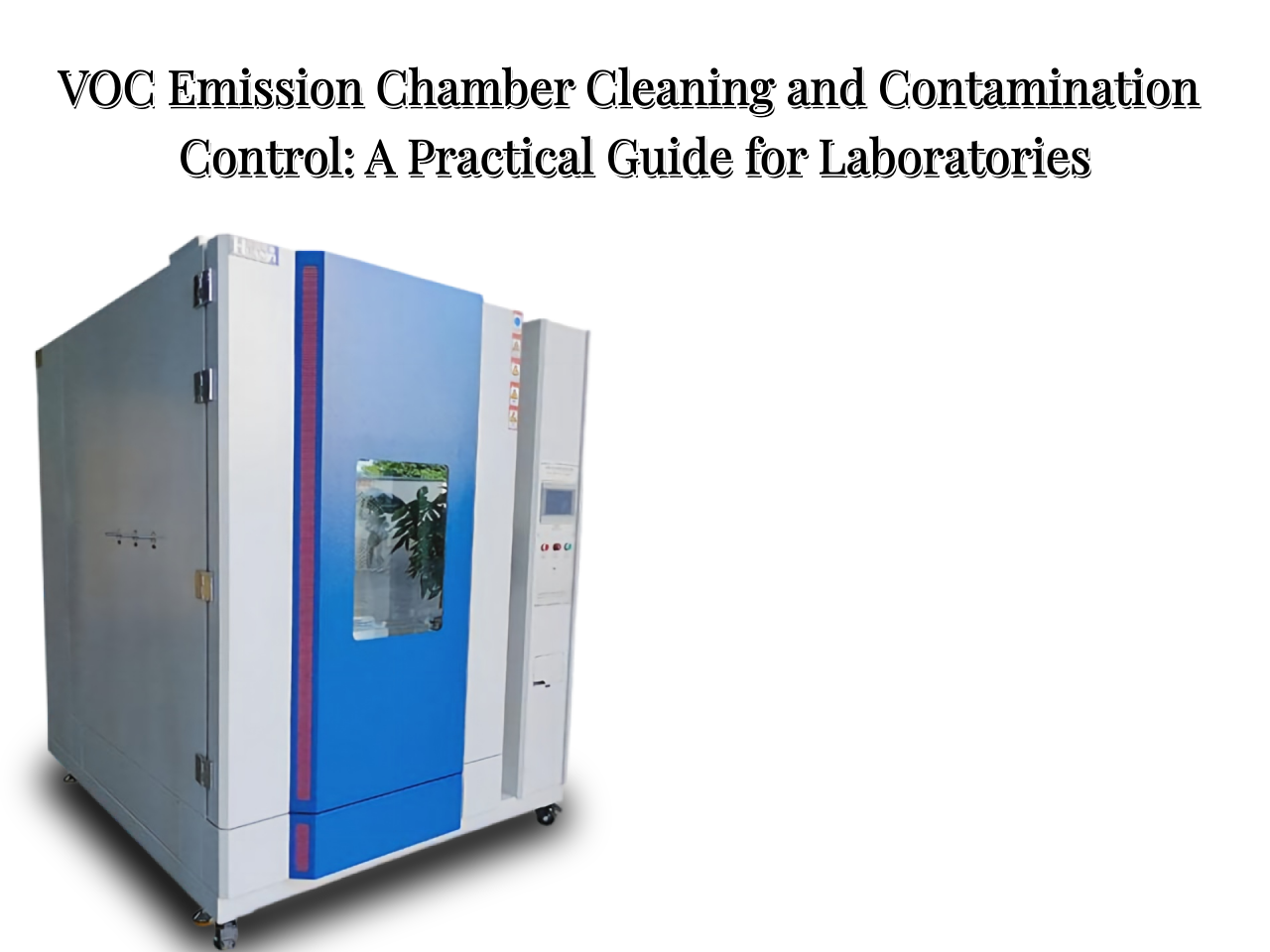
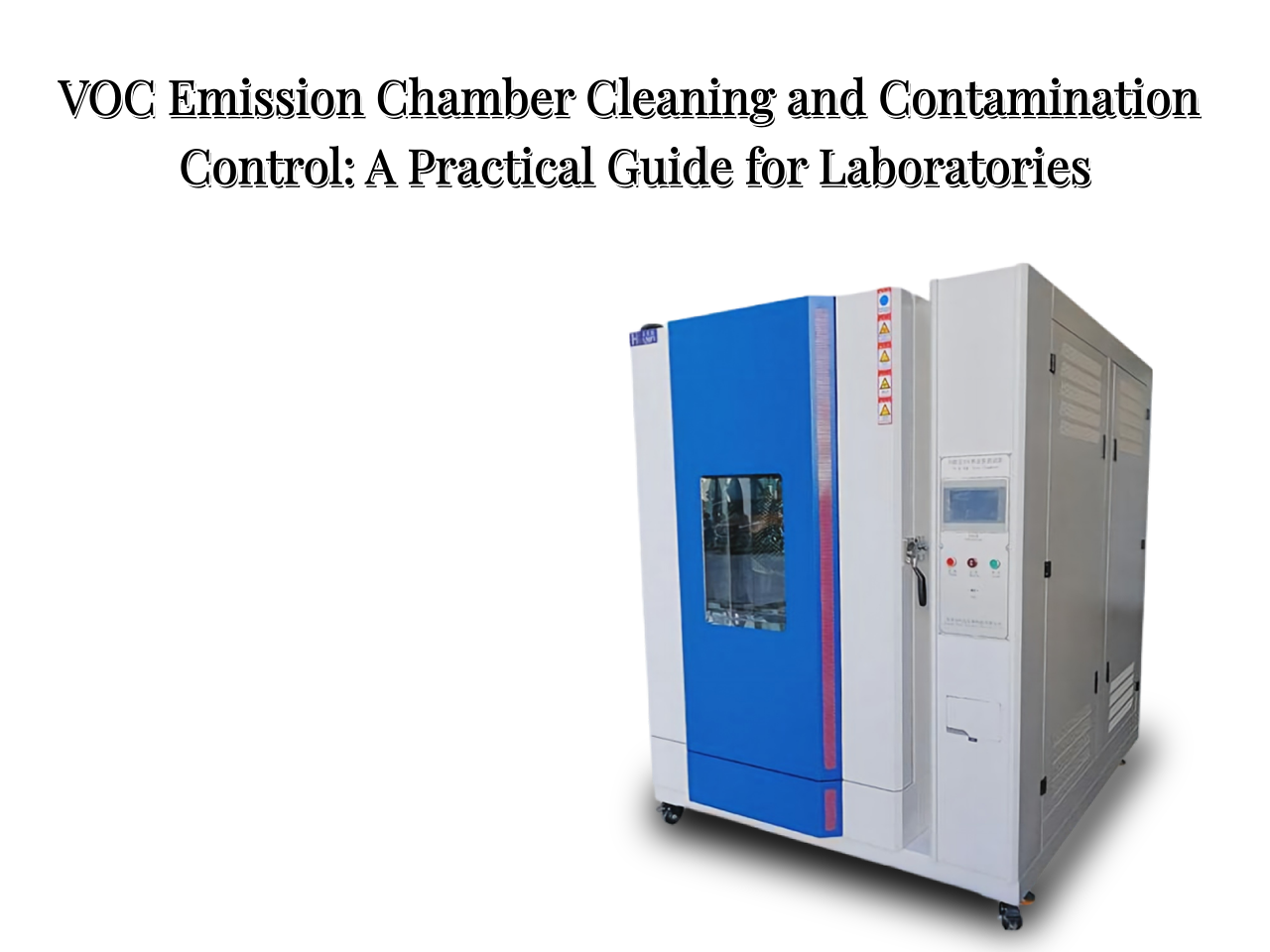
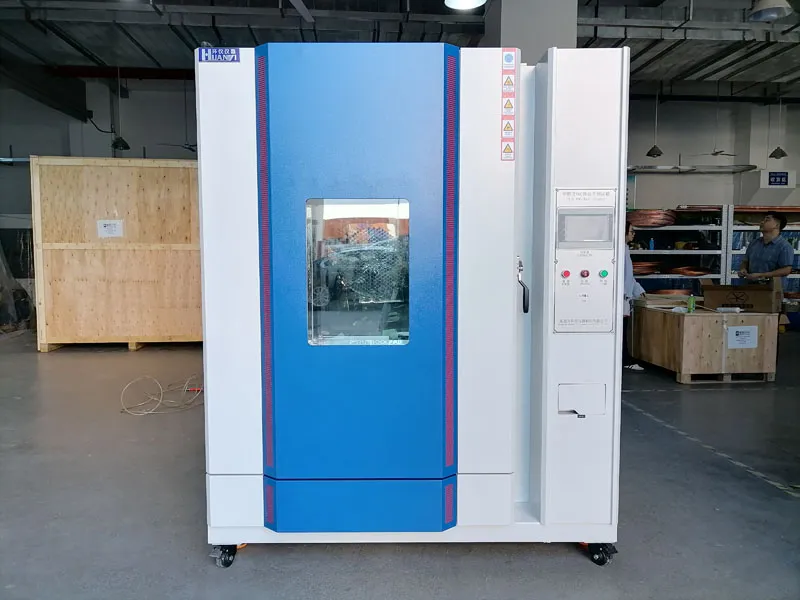
VOC Emission Test Chamber provides a controlled environment for evaluating emissions from representative specimens. ISO 16000-9:2024 describes a chamber method for determining area-specific VOC emission rates from building products and furnishings under defined climatic conditions.
The method can also be applied to formaldehyde emission measurements from wood-based panels and other building products, subject to the relevant procedures and analytical methods.
1. Building Materials and Interior Finishing Products
Flooring, wall coverings, insulation materials, sealants, and other construction products may release VOCs after installation. Their emission behavior can depend on composition, exposed surface area, temperature, humidity, and ventilation conditions.
Chamber testing allows manufacturers and laboratories to investigate emissions under controlled conditions. Results can support product development, comparative material assessment, and quality control.
For meaningful comparisons, specimens must be prepared consistently and tested using an appropriate method. Different specimen dimensions, exposed edges, loading factors, or environmental conditions can affect the results. Therefore, testing procedures and reporting conditions should be clearly documented.
2. Furniture and Wood-Based Panels
Furniture and wood-based panels are important applications for emission testing because materials, surface finishes, and adhesives may contribute to indoor emissions.
Chamber system can be used to study the release of selected VOCs and, where the applicable method is followed, formaldehyde. However, the appropriate standard and analytical procedure depend on the product and the purpose of the evaluation.
ISO 16000-9:2024 provides a general chamber method, while ISO 16000-11:2024 addresses specimen sampling, storage, and preparation. Formaldehyde analysis may require additional methods, such as ISO 16000-3, depending on the test program.
Manufacturers should confirm which standards are required by their customers, certification schemes, or target markets before specifying the test procedure.
3. Coatings, Adhesives, and Sealants
Coatings, adhesives, and sealants can have different emission profiles depending on formulation, curing conditions, and the time elapsed after application.
When evaluating these materials, the test plan should define how the specimen is prepared, when testing begins, which surfaces are exposed, and how emissions are sampled. Some applications may require methods specifically designed for applied or wet products rather than a generic procedure for finished building materials.
The chamber should provide the controlled conditions required by the selected method, while its internal materials and sampling system should minimize contamination and analyte losses.
4. Automotive Interiors and Other Specialized Applications
Automotive interior materials, electronic components, and other specialized products may also require evaluation of VOC emissions. However, their testing requirements are not necessarily identical to those for building products and furniture.
Automotive programs may specify particular vehicle-interior methods, specimen preparation procedures, conditioning environments, and acceptance criteria. Electronic and industrial products may have their own customer-specific or sector-specific requirements.
Chamber intended for these applications should therefore be selected against the relevant test method rather than assuming ISO 16000-9:2024 automatically covers every product category.
5. How to Select a Chamber for Your Application
Before purchasing a VOC Chamber, consider the following questions:
- What materials or finished products will be tested?
- Which standard or customer specification defines the test?
- What specimen dimensions, exposed areas, and loading factors are required?
- What temperature, relative humidity, and airflow conditions must be maintained?
- What background concentration and recovery verification are needed?
- Which sampling and analytical instruments will be used?
- What calibration, maintenance, and test documentation must be retained?
These details help determine the appropriate chamber volume, environmental control system, airflow design, sampling configuration, and verification plan.
Conclusion
VOC emission testing supports material research, product development, and quality control across building materials, furniture, coatings, and other product categories. A well-specified chamber helps laboratories establish controlled testing conditions, but reliable results also depend on specimen preparation, sampling, analysis, and quality assurance.
By identifying the target application and applicable test method before selecting equipment, laboratories can better align chamber design with their technical requirements.
References:
ISO 16000-9:2024 — Emission Test Chamber Method
ISO 16000-11:2024 — Sampling, Storage, and Specimen Preparation
ISO 16000-6 — VOC Sampling and Analysis