



VOC vs. Formaldehyde Testing: How Environmental Chambers and Analytical Methods Work Together
Introduction
VOC emission testing and formaldehyde emission testing are closely related, but they are not identical. Both may use Environmental Chambers to evaluate compounds released by building materials, furniture, coatings, and other products. However, the sampling and analytical methods can differ depending on the target compounds and the applicable test procedure.
Understanding the relationship between chamber testing and chemical analysis helps laboratories select suitable equipment and avoid assuming that one analytical configuration is appropriate for every emission test.
1. What Does the Environmental Chamber Do?
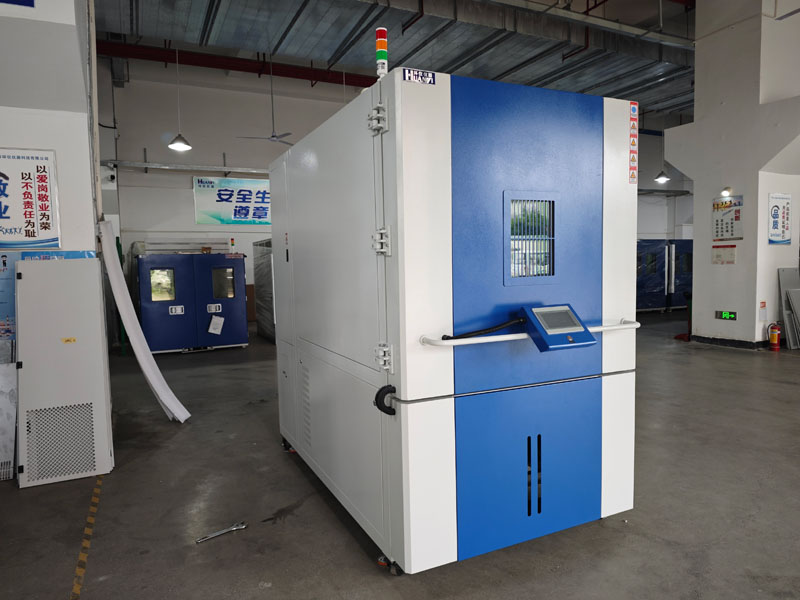
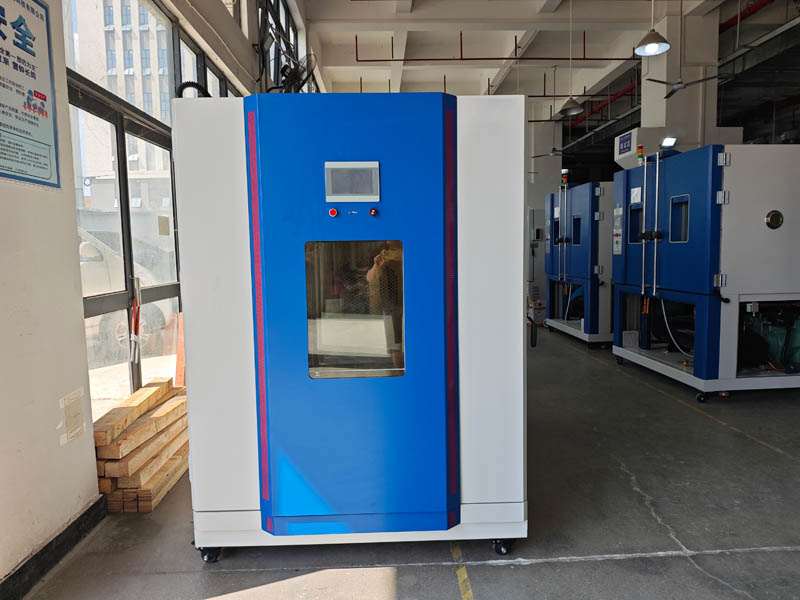
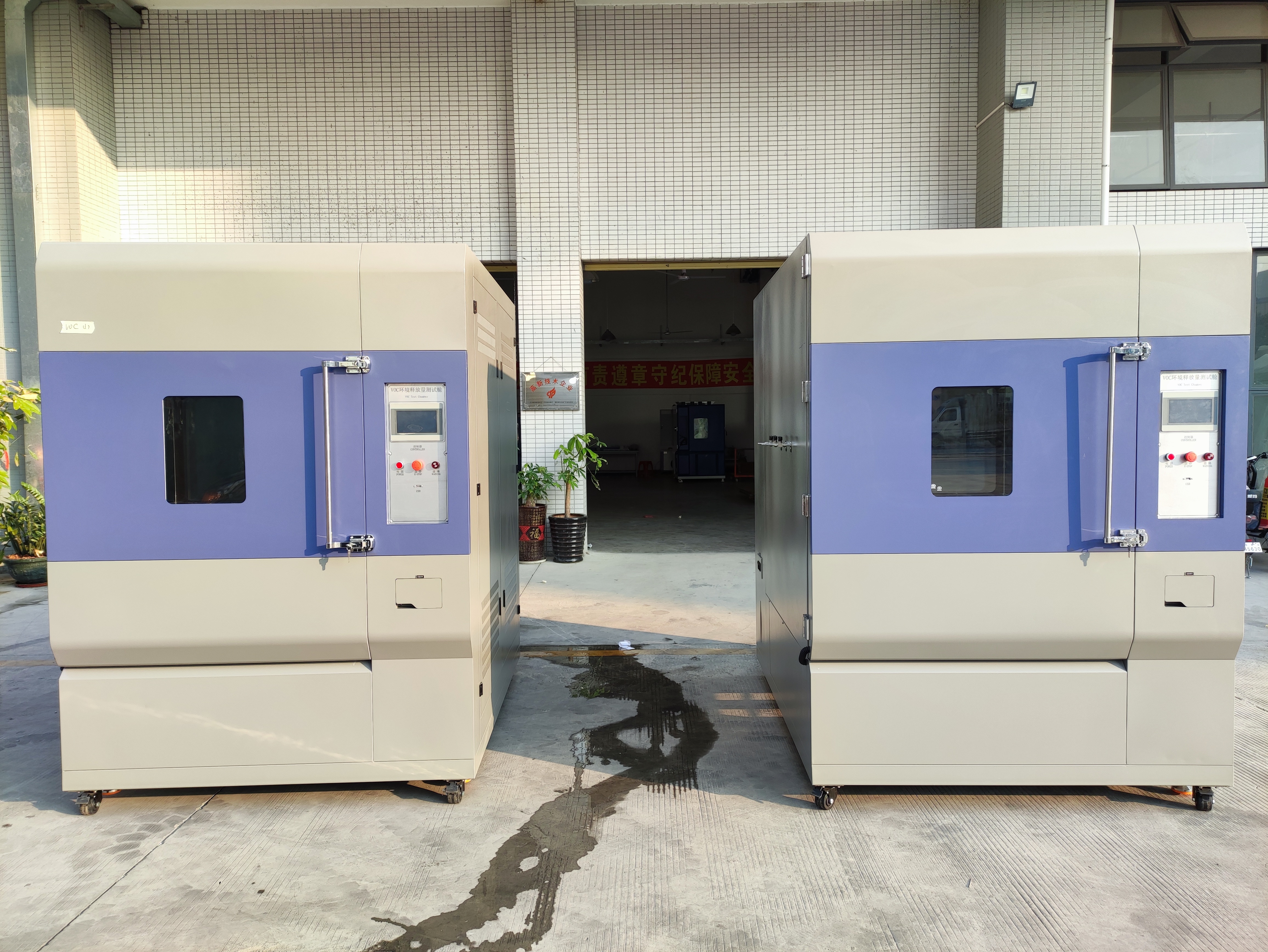
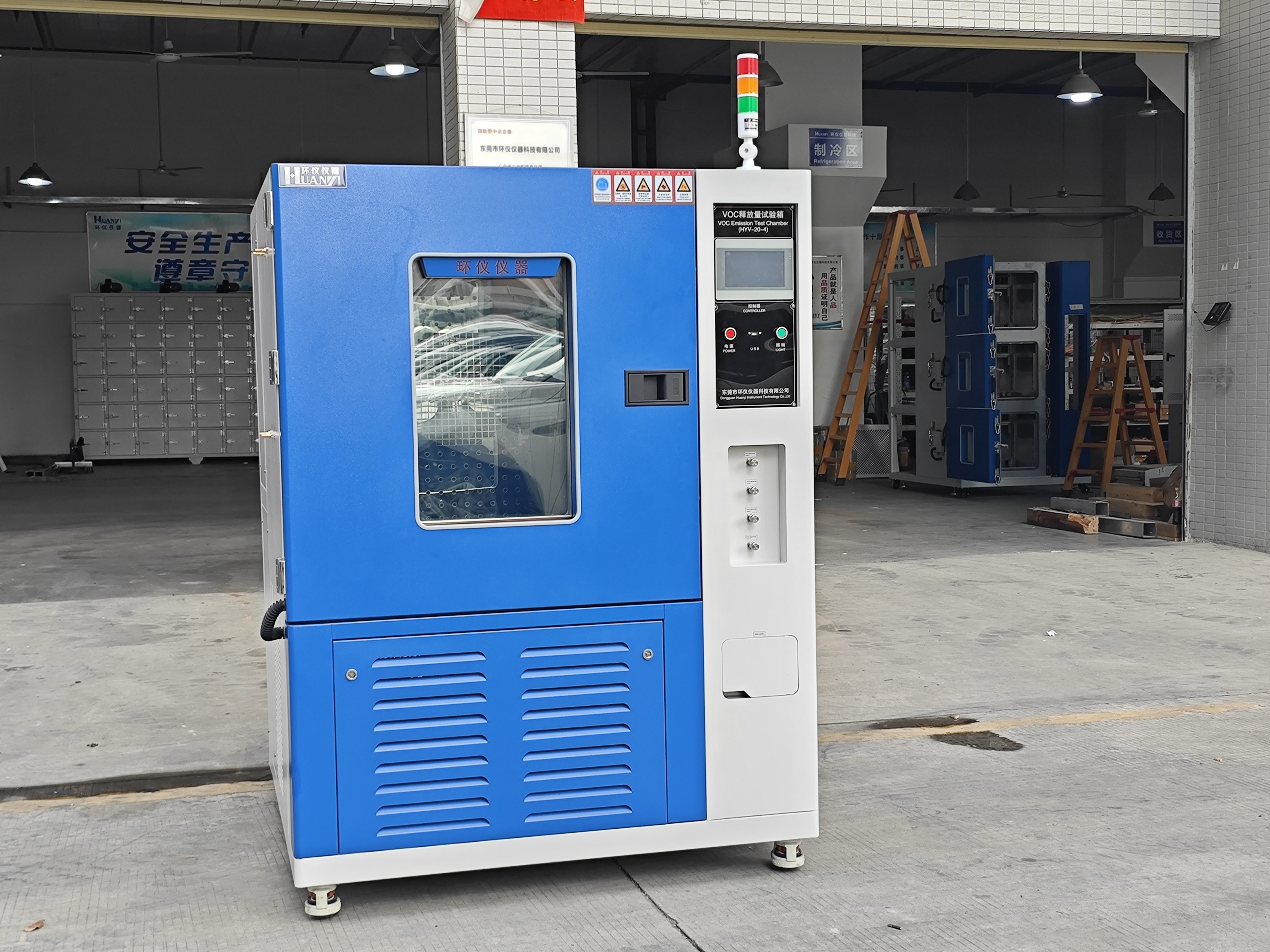
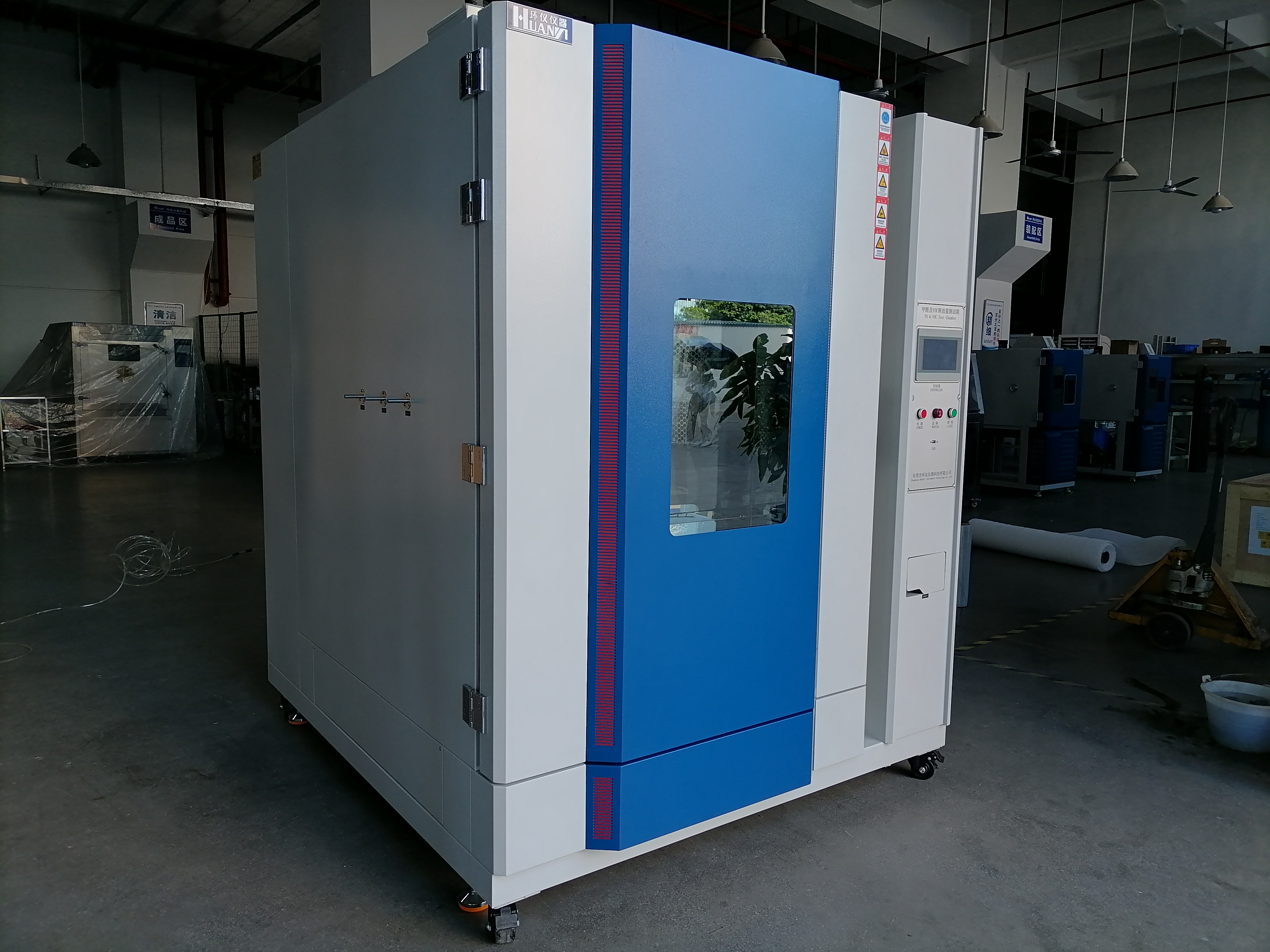
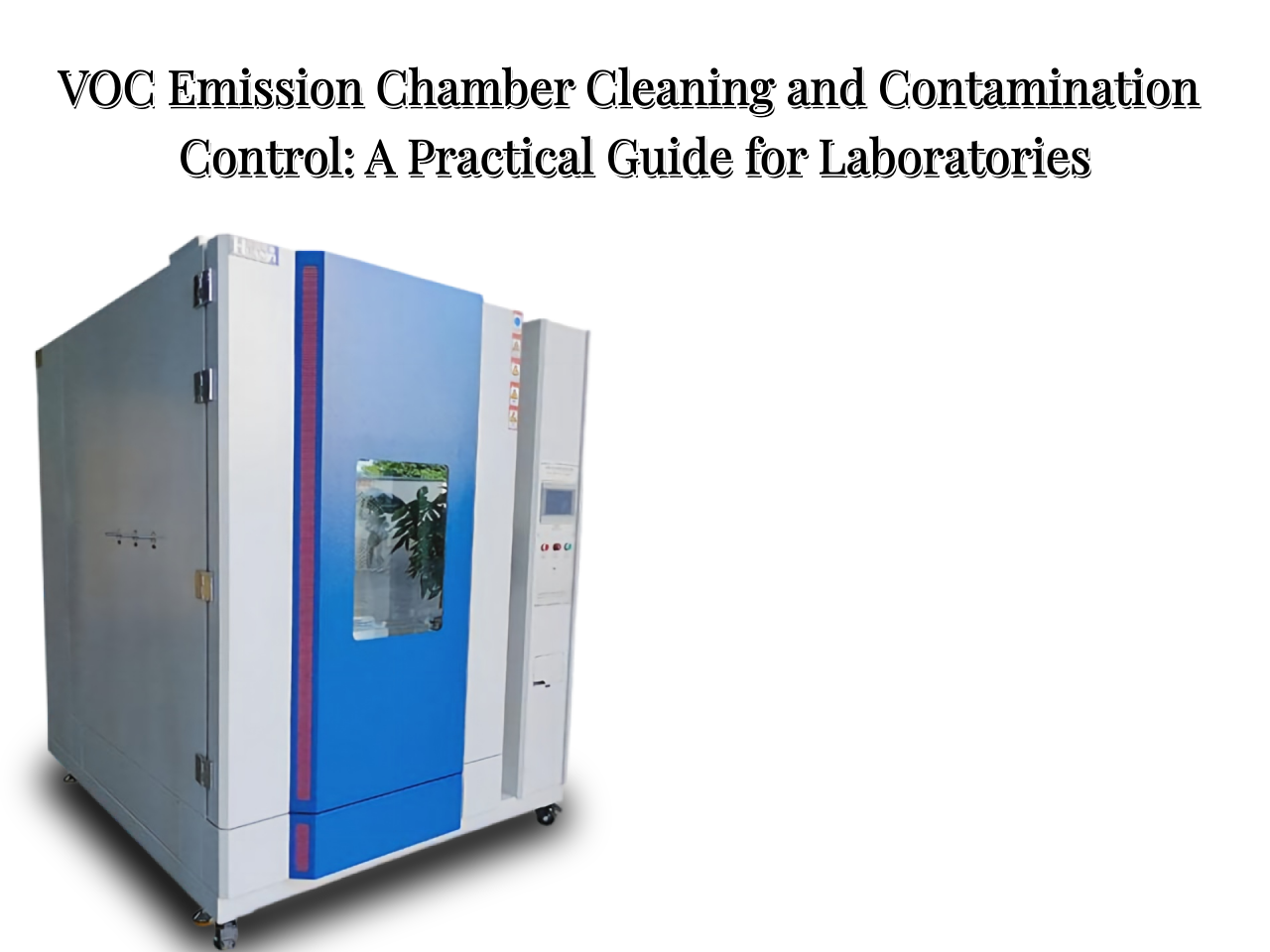
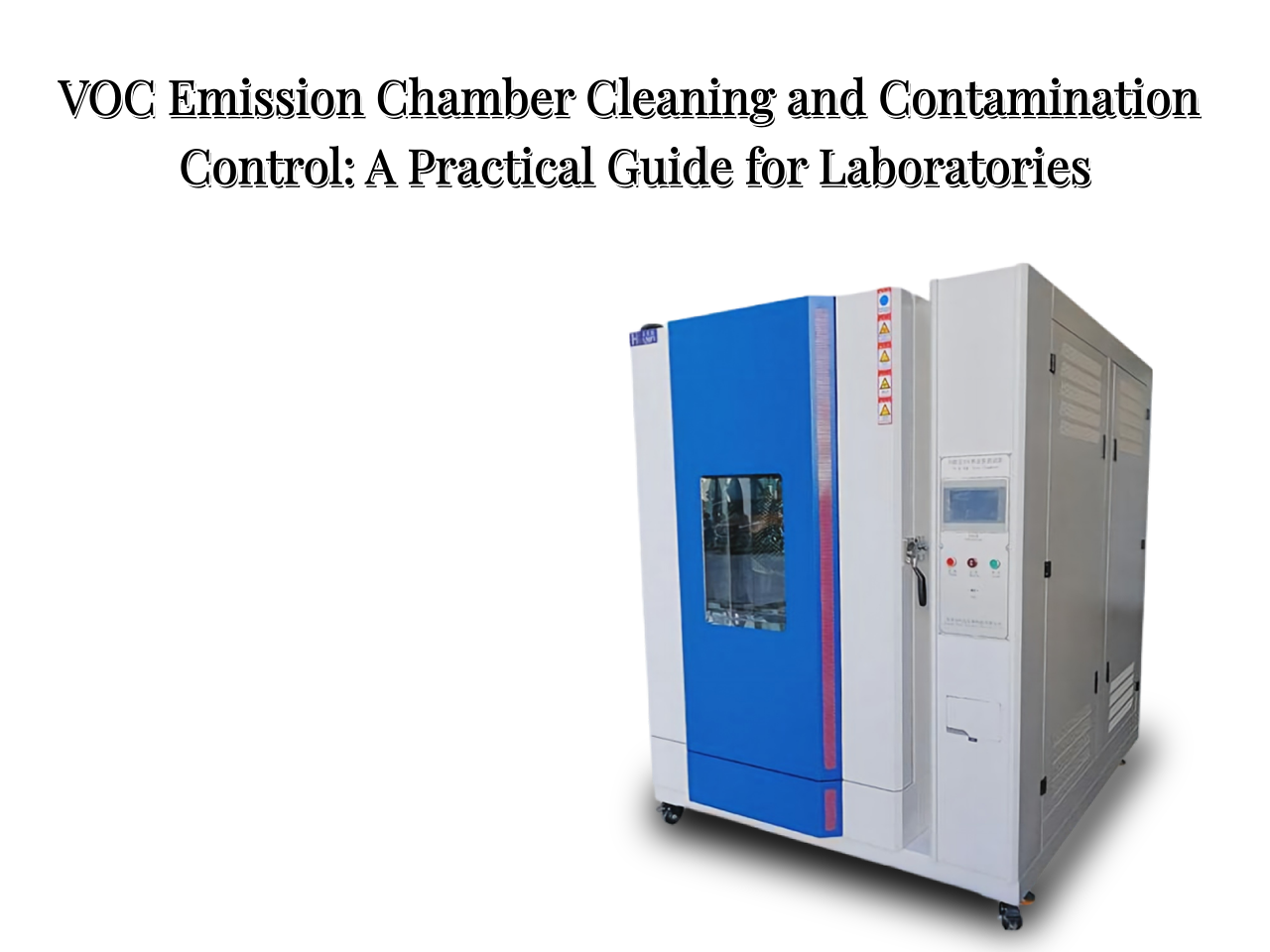
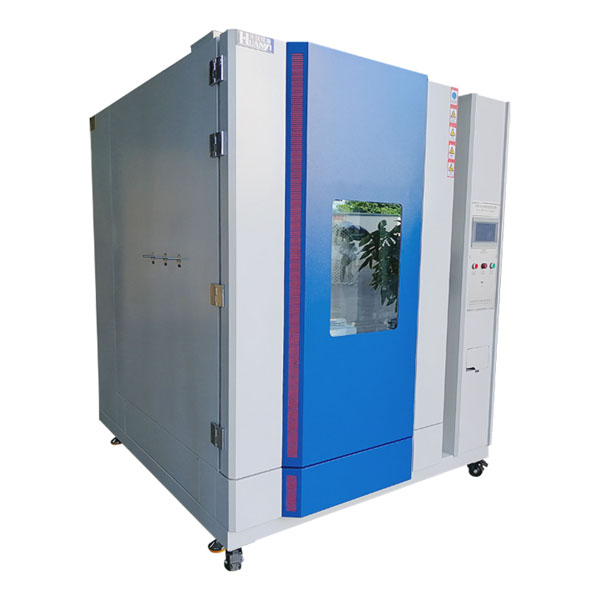
An environmental chamber provides a controlled environment in which a specimen releases chemical compounds under specified conditions.
Depending on the test method, controlled variables may include:
- Temperature
- Relative humidity
- Air exchange rate
- Air velocity or airflow distribution
- Specimen loading and exposed surface area
- Sampling time
The chamber establishes the test environment. It does not, by itself, identify or quantify every compound released by the specimen.
The measured air must be sampled and analyzed using a method suitable for the target compounds. Consequently, a complete testing system may include an Emission Chamber, a clean-air supply, airflow measurement and control, sampling equipment, and one or more analytical instruments.
2. How Are VOCs Commonly Analyzed?
Many VOC emission methods use sorbent tubes to collect compounds from chamber air. The collected compounds are then released through thermal desorption and separated by gas chromatography.
Depending on the method and analytical objective, detection may use mass spectrometry (GC-MS), flame ionization detection (GC-FID), or another validated technique.
ISO 16000-6:2021 describes a method for determining volatile, very volatile, and semi-volatile organic compounds in indoor and test-chamber air using active sampling on sorbent tubes, thermal desorption, and gas chromatography with MS or MS/FID.
The choice of sorbent, sampling volume, analytical conditions, and calibration procedure affects which compounds can be measured and how reliably they can be quantified.
Therefore, a laboratory should select the analytical configuration based on the required target-compound list and the applicable method, rather than relying on the label “VOC analyzer” alone.
3. Why Is Formaldehyde Often Treated Separately?
Formaldehyde is an individual chemical compound that may require a dedicated sampling and analytical procedure.
Although formaldehyde may be included in broader discussions of indoor emissions, its sampling behavior and analytical requirements are not necessarily identical to those of the wider range of VOCs measured using sorbent-tube and gas-chromatographic methods.
Depending on the applicable standard, formaldehyde measurement may use a specific collection medium, derivatization procedure, or analytical technique. The exact method should be selected according to the test objective and required reporting limits.
ASTM D6330, for example, addresses VOC emissions from manufactured wood-based panels while excluding formaldehyde from its scope; it refers to ASTM D6007 for formaldehyde determination. This illustrates why the test scope should be checked before assuming that one procedure covers both measurements.
4. Can One Environmental Chamber Support Both Types of Testing?
An environmental chamber may be used in different test programs when its design, operating range, cleanliness, sampling interfaces, and performance are suitable for the applicable methods.
However, the ability to control temperature and humidity does not automatically demonstrate that the complete system is suitable for every VOC and formaldehyde test.
Before choosing a system, laboratories should confirm:
- Whether the chamber materials are appropriate for the intended measurements
- Whether the required environmental conditions can be maintained
- Whether the sampling ports and connections support the planned procedures
- Whether background levels can be evaluated
- Whether the sampling and analytical equipment are suitable for the target compounds
- Whether the complete test procedure can meet the applicable method requirements
Separate sampling or analytical configurations may be necessary even when the same chamber is used.
5. Distinguish Chamber Performance from Analytical Performance
A useful way to evaluate the system is to separate its functions.
Chamber performance concerns the control and verification of test conditions, including temperature, humidity, airflow, air exchange, and background emissions.
Sampling performance concerns how representative chamber air is collected, including sampling flow, duration, tubing, and sample handling.
Analytical performance concerns compound identification and quantification, including calibration, detection limits, selectivity, and quality control.
These functions interact, but they are not interchangeable. A well-controlled chamber cannot correct an unsuitable analytical method, while a highly capable analytical instrument cannot compensate for poorly controlled chamber conditions.
6. Questions to Ask When Selecting Equipment
Before purchasing a VOC emission test chamber, laboratories should define the intended standards, target compounds, specimen types, chamber size, and expected test throughput.
They should also determine whether the analytical instruments are already available in the laboratory or must be supplied separately.
For equipment suppliers, a clear technical proposal should distinguish the chamber's capabilities from the performance of external sampling and analytical equipment. Any statement of standards conformity should be supported by appropriate technical documentation and verification.
Conclusion
VOC and formaldehyde emission testing share a common goal: characterizing chemical emissions from products under defined conditions. However, the analytical methods may differ according to the compounds being measured and the applicable test method.
The most suitable solution is not simply the chamber with the most features. It is a system in which chamber control, sampling procedures, analytical methods, and quality assurance work together to support the intended test program.