



What Factors Affect VOC Emission Test Results? Technical Guide to Chamber Testing
Introduction
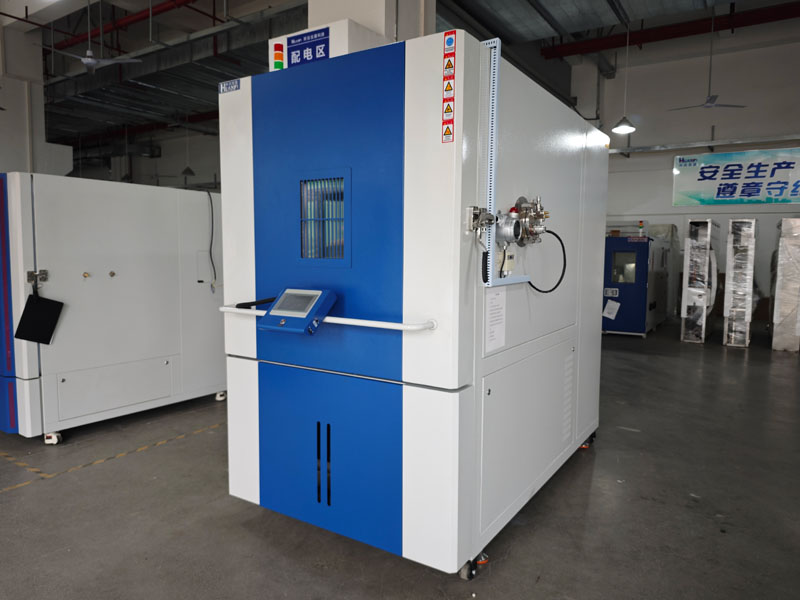
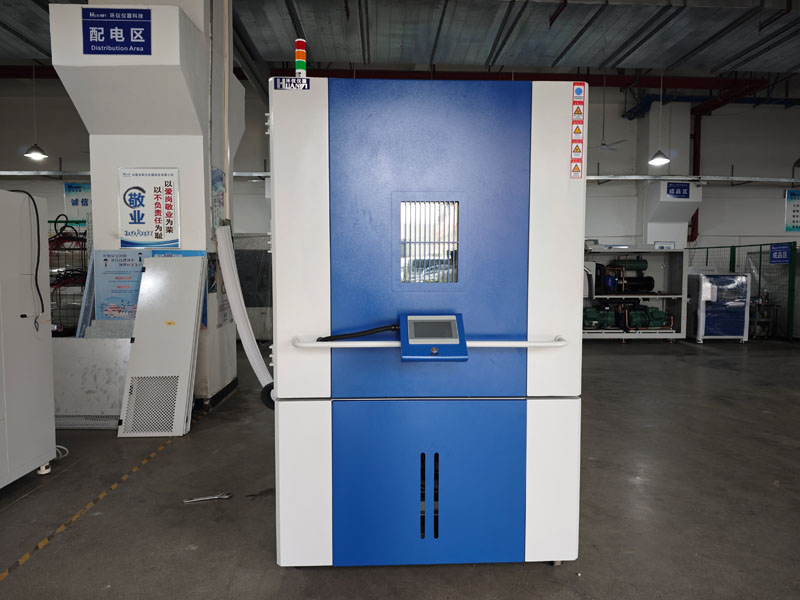
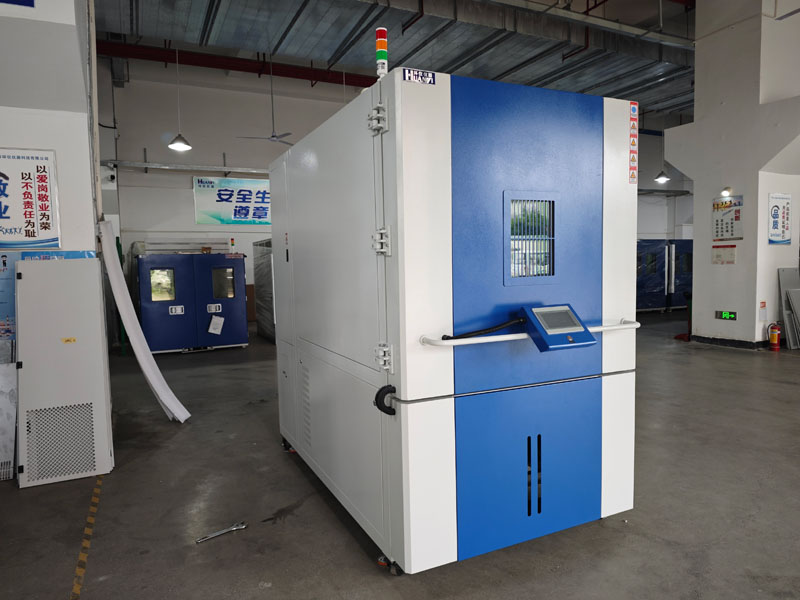
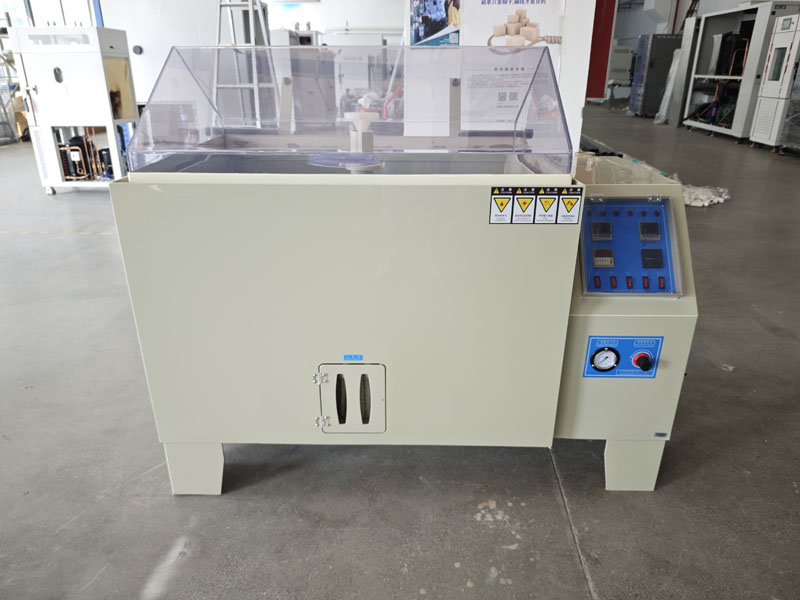
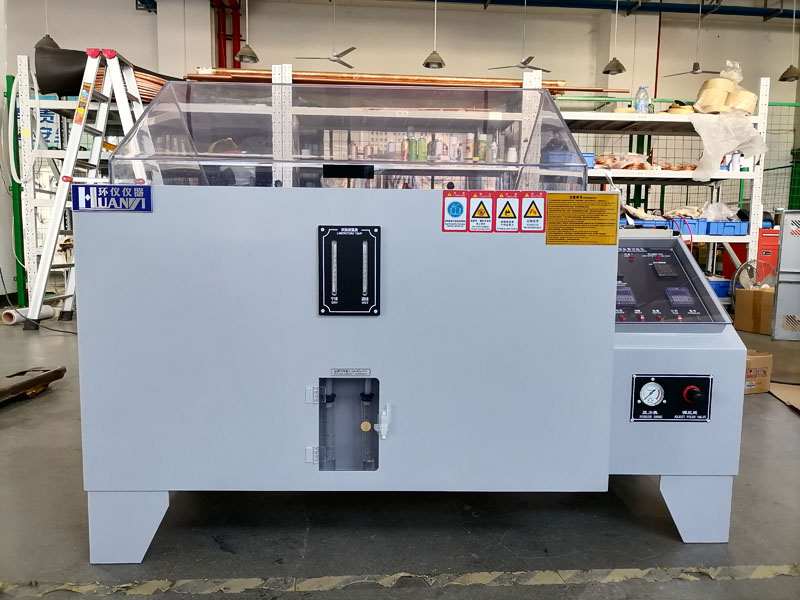
Volatile organic compound (VOC) emission testing is widely used to evaluate emissions from building materials, furniture, coatings, adhesives, and other products. Environmental Chamber allows laboratories to measure emissions under controlled conditions. However, the results depend on more than the material being tested.
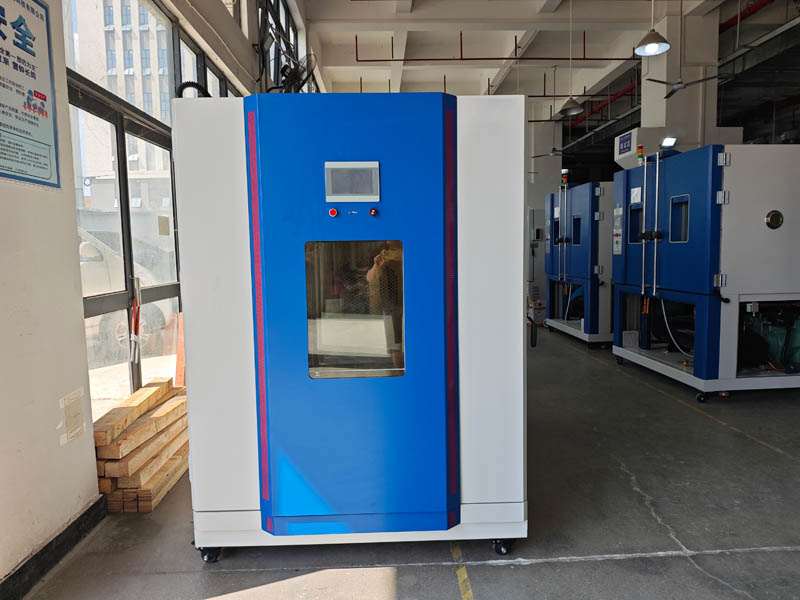
Temperature, relative humidity, airflow, specimen preparation, chamber materials, and sampling procedures can all influence the measured emission rate. Understanding these factors is essential when comparing products, investigating unexpected results, or selecting a Voc Emission Test Chamber.
1. Temperature and Relative Humidity
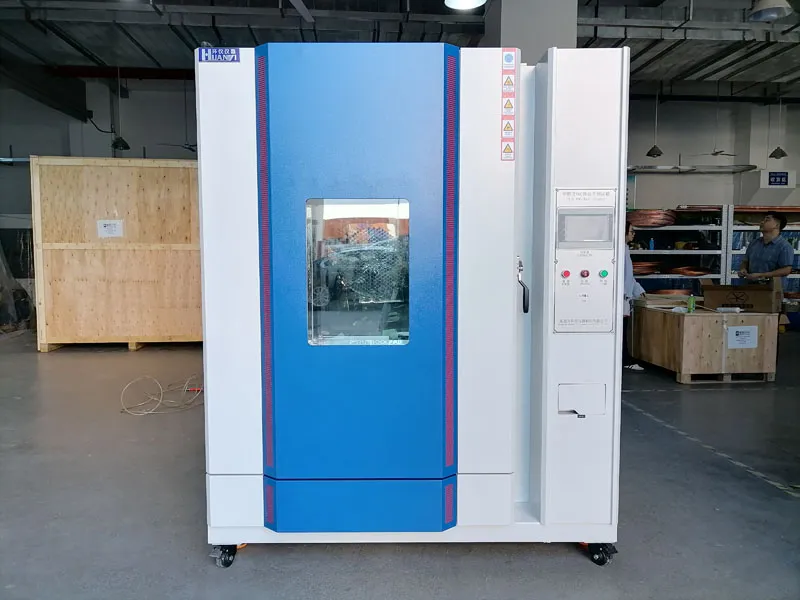
Temperature can influence the volatility of chemical compounds and their diffusion through materials. In many cases, increasing temperature changes the rate at which VOCs are released, although the magnitude and direction of the effect depend on the material and compound.
Relative humidity may also affect emissions, particularly for moisture-sensitive materials and certain chemical species. Changes in humidity can influence material properties, chemical interactions, and the partitioning of compounds between surfaces and air.
For reliable comparisons, laboratories should define the required temperature and humidity before testing, maintain the specified conditions, and record them throughout the test. ISO 16000-9:2024 provides a chamber-based method for determining VOC emissions under defined climatic conditions.
2. Air Exchange Rate and Specimen Loading
Air exchange rate describes how frequently the air inside the chamber is replaced. Together with chamber volume and specimen loading, it influences the concentration measured in chamber air.
Specimen loading refers to the amount of exposed material relative to the chamber volume or air supply, according to the applicable method. A different loading factor can produce different chamber concentrations even when the material itself is unchanged.
This means that two test results should not be compared directly unless the relevant conditions are sufficiently similar. The test report should identify specimen dimensions, exposed surface area, chamber volume, airflow, and other required parameters.
3. Specimen Preparation and Conditioning
Sample preparation can significantly affect the outcome. Cutting, sealing edges, exposing different surfaces, or changing the time between manufacture and testing may alter the measured emissions.
Storage conditions also matter. Temperature, packaging, ventilation, and elapsed time before testing can affect the condition of the specimen.
A documented preparation procedure helps reduce variation. Laboratories should follow the specimen preparation requirements of the applicable standard and avoid making unrecorded changes that could affect comparability.
4. Chamber Materials and Background Concentration
The chamber and its components must not introduce significant contamination into the measurement. Chamber walls, seals, tubing, and sampling components may release VOCs or adsorb compounds emitted by the specimen.
A suitable chamber design therefore considers material compatibility, surface treatment, cleanability, and airtightness. Background measurements help identify compounds that originate from the test system or supply air rather than from the specimen.
ISO 16000-9:2024 includes requirements and procedures addressing chamber performance, background concentration, and recovery evaluation. These checks help establish whether the system is suitable for the intended measurement.
5. Sampling and Analytical Methods
The measured concentration also depends on how the air sample is collected, transported, and analysed. Sampling flow, tubing materials, sample storage, instrument calibration, and the selected analytical method can all influence the result.
ISO 16000-6 addresses the determination of VOCs using sorbent sampling and chromatographic analysis. The specific analytical procedure should be selected according to the target compounds and testing objective.
6. How Can Laboratories Improve Comparability?
To compare results more confidently, laboratories should:
- Use consistent specimen preparation and conditioning procedures.
- Maintain and record the specified temperature, humidity, and airflow.
- Verify chamber background concentration and relevant performance characteristics.
- Use compatible sampling equipment and documented analytical procedures.
- Record test conditions and deviations in the final report.
Research on chamber testing has also highlighted the importance of harmonized procedures and interlaboratory comparisons. Differences in test practice can contribute to variation between laboratories, even when similar materials are evaluated.
Conclusion
VOC emission test results reflect the interaction between material properties and the complete testing system. Controlled climatic conditions, consistent specimen preparation, appropriate chamber materials, reliable airflow, and validated sampling procedures all contribute to meaningful results.
When selecting a Voc Test Chamber, laboratories should assess not only its control functions but also how the complete system supports the intended test method.
References:
ISO 16000-9:2024
ISO 16000-6 — VOC Sampling and Analysis
Research review on VOC/SVOC emission measurement methods and influencing factors