



Why Background Concentration and VOC Recovery Matter in Emission Testing
Introduction
Reliable VOC emission testing depends on more than controlling temperature and humidity. The chamber system must also minimize contamination and demonstrate that target compounds can be measured without unacceptable losses.
Two important concepts are background concentration and recovery. Background concentration helps identify VOCs that originate from the test system or supply air rather than the specimen. Recovery evaluation helps assess how effectively a target compound passes through the test system and is measured.
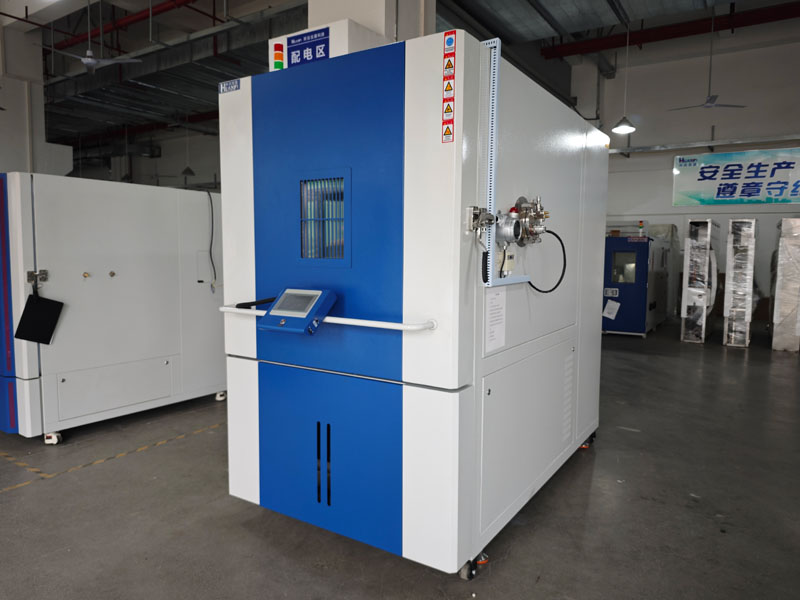
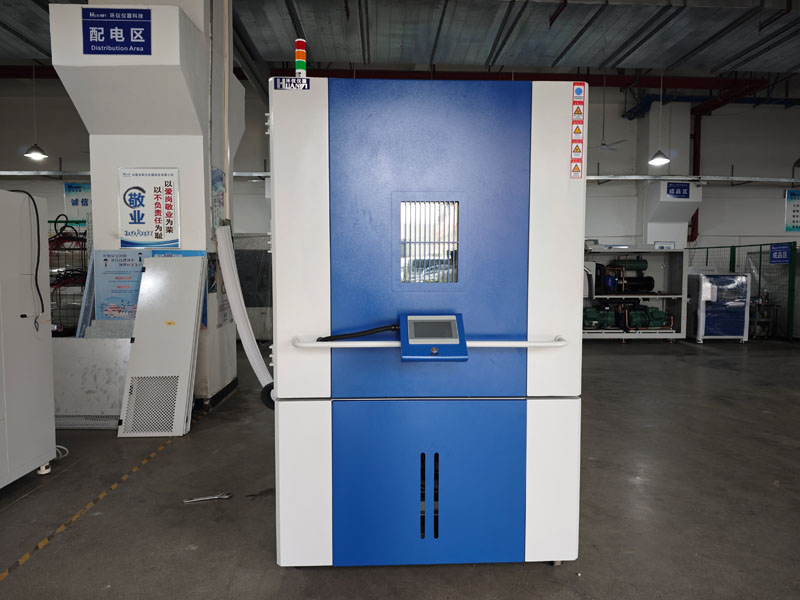
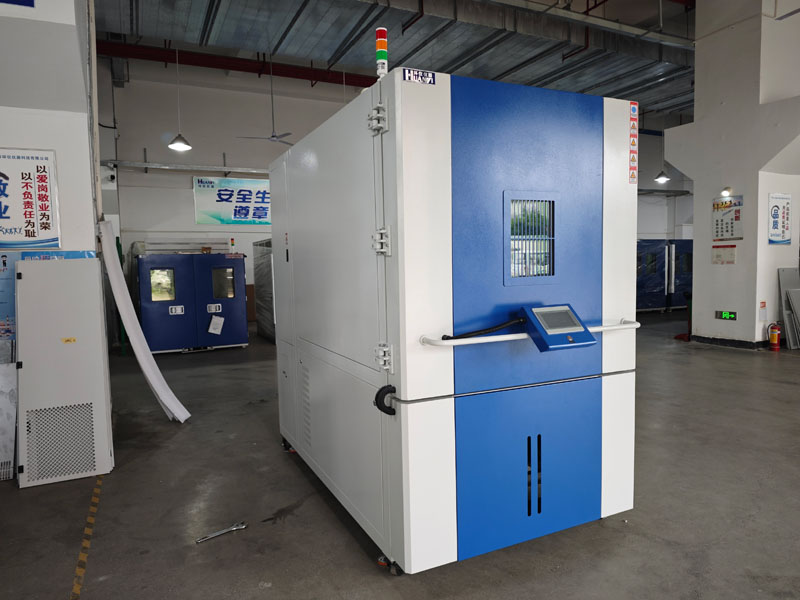
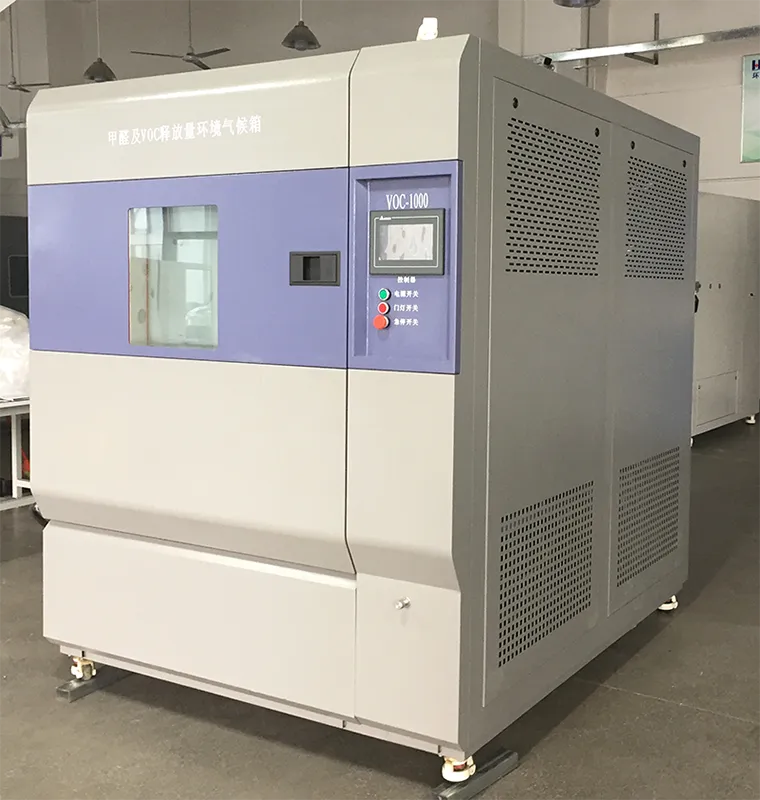
For laboratories using a VOC Emission Test Chamber, understanding these concepts is essential for interpreting results and maintaining confidence in the testing process.
1. What Is Background Concentration?
Background concentration refers to the concentration of a target compound detected when the test system is evaluated without the contribution of the specimen under investigation.
Potential sources include the supplied air, chamber walls, seals, fans, tubing, sampling components, and residues from previous tests. Cleaning agents or inadequate conditioning procedures may also affect the system background.
If background levels are significant, the measured concentration during a specimen test may not accurately represent emissions from the material itself. This is particularly important when evaluating low-emitting products or compounds present at very low concentrations.
2. How Can Background Contamination Be Controlled?
Background control begins with the selection of suitable materials. ISO 16000-9:2024 identifies polished, surface-treated stainless steel and glass as typical materials for surfaces and sampling components that contact emitted VOCs. Other components should be assessed for their potential emissions and adsorption effects.
Clean-air supply is another important factor. Air treatment and humidification systems should be suitable for the target testing conditions, and the quality of supplied air should be evaluated.
Before a test, laboratories should follow a documented cleaning and conditioning procedure and conduct background measurements as required by the applicable method. If unexpected compounds or elevated concentrations are detected, the source should be investigated before proceeding.
Background results should be documented so that changes over time can be identified and corrective actions can be evaluated.
3. What Is VOC Recovery?
Recovery describes the proportion of a known amount of a target compound that is measured leaving the chamber over a defined period, relative to the amount introduced during that period.
In practical terms, recovery helps assess whether the chamber and associated test system retain, lose, or otherwise affect the target compound before measurement.
ISO 16000-9:2024 includes a recovery evaluation using toluene and n-dodecane. Under the specified procedure, the mean recovery for each compound must exceed 80%. The test is designed to provide information about the performance of the overall method, rather than the chamber wall material alone.
Recovery testing should be carried out and interpreted according to the standard's defined conditions and calculation procedure.
4. What Can Cause Low Recovery?
Several factors may contribute to low recovery:
* Adsorption: VOCs may interact with chamber surfaces, seals, tubing, or other components.
* Leakage: Uncontrolled air exchange can alter the test conditions and affect measured concentrations.
* Sampling losses: Unsuitable sampling lines or handling procedures may reduce the amount of compound reaching the analytical instrument.
* System contamination or instability: Inconsistent operating conditions can complicate interpretation and comparison.
* Analytical factors: Calibration, sample handling, and the selected analytical method can influence the final result.
These factors demonstrate why the chamber, air supply, sampling system, and analytical workflow should be evaluated together.
5. Building a Practical Quality Assurance Process
A robust quality assurance process should define chamber preparation, background testing, environmental monitoring, airflow verification, sampling procedures, and recordkeeping.
The laboratory should retain relevant calibration information, background measurements, recovery results, test conditions, and any corrective actions. When results differ unexpectedly between tests, these records help determine whether the cause is related to the specimen, operating conditions, or measurement system.
It is also important to distinguish between equipment verification and complete method validation. A chamber may meet its specified temperature and airflow performance while the wider testing process still requires additional qualification.
Conclusion
Background concentration and VOC recovery are essential indicators when evaluating a VOC emission test system. Background testing helps identify contamination, while recovery testing helps assess the effect of the complete method on target compounds.
For laboratories selecting or operating a VOC Test Chamber, documented verification is more meaningful than relying on equipment descriptions alone. The objective is to establish a clean, controlled, and traceable testing process that supports reliable interpretation of material emissions.
Reference: ISO 16000-9:2024 — Official ISO Standard