- Home
- Products
- About Us
- Resources
- Support
- Contact Us
Leave Your Message
-
Phone
-
E-mail
-
Whatsapp
-
WeChat


Engineered to meet rigorous international standards (IEC, MIL-STD, ISO, TISI) for industrial production hubs in Bangkok, Chonburi, Rayong, and the Eastern Economic Corridor (EEC).
Navigating the rapid transformation of the "Detroit of Asia" into Southeast Asia's epicentre for Next-Generation Automotive and Advanced Electronics reliability screening.
Thailand's industrial sector has undergone a profound evolution over the past decade. Long celebrated as the undisputed "Detroit of Asia" for its commanding vehicle production capacity, the Kingdom is now aggressively pivoting toward high-tech manufacturing, electric mobility, and advanced microelectronics under the government's Thailand 4.0 economic blueprint. Central to this transformation is the Eastern Economic Corridor (EEC) spanning Chonburi, Rayong, and Chachoengsao, where global automotive OEMs, Tier-1 component suppliers, electronics assemblers, and battery giga-factories are establishing regional hubs.
In this demanding high-precision manufacturing environment, the role of Thermal Shock Chambers has evolved from an optional laboratory validation tool into an indispensable, mandatory quality assurance mechanism. Thailand’s tropical climate—characterized by persistent ambient heat, high relative humidity, and frequent outdoor-to-indoor thermal fluctuations—exerts severe stress on electronic, mechanical, and composite materials. When components designed or manufactured in Thailand are deployed globally, they must withstand extreme temperature transitions, ranging from sub-zero winter temperatures in North America and Europe to searing desert climates in the Middle East.
With Thailand's target of 30% zero-emission vehicle production by 2030 (30@30 policy), battery cells, battery management systems (BMS), power inverters, and on-board chargers require rigorous thermal shock tests between -40°C and +150°C to preempt micro-cracking and thermal runaway risks.
Clusters in Ayutthaya, Pathum Thani, and Samut Prakan producing integrated circuits, hard disk drives (HDDs), and automotive printed circuit board assemblies (PCBAs) rely on thermal shock cycling to detect coefficient of thermal expansion (CTE) mismatches.
Aerospace MRO facilities near U-Tapao airport and solar PV module factories across the Eastern Seaboard require cyclic climatic endurance test chambers to meet stringent international airworthiness and renewable energy certifications.
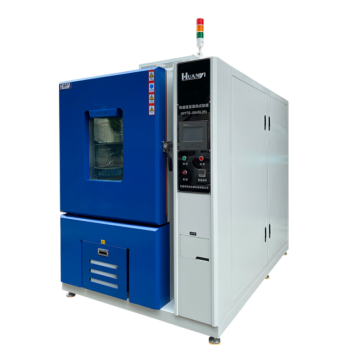
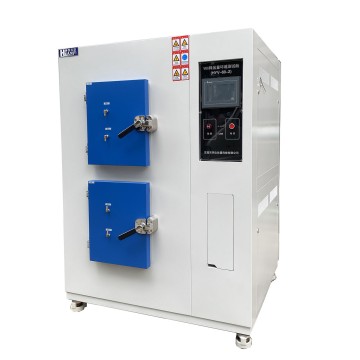
Unlike standard temperature humidity chambers that simulate gradual seasonal shifts, a Thermal Shock Chamber subjects the Unit Under Test (UUT) to instantaneous thermal shocks within seconds. This rapid transfer—typically shifting between hot (+60°C to +150°C) and cold (-40°C to -70°C) zones in under 10 seconds—reveals latent flaws such as solder joint fatigue, package delamination, hermetic seal breakdown, and chemical bond degradation before mass shipments leave Thai ports.
Combining AI-optimized PID thermal algorithms, dual-refrigeration cascades, and heavy-duty basket lift mechanisms for unmatched reliability.
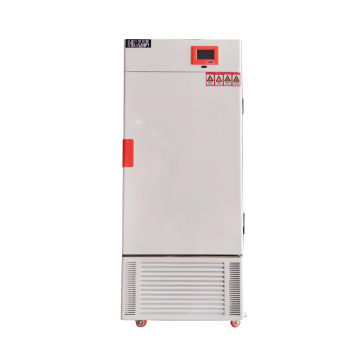
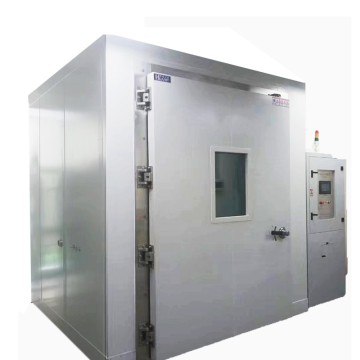
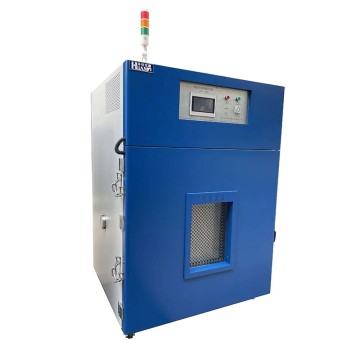
Modern industrial requirements in Thailand demand test equipment that not only delivers extreme thermal rates but also conserves electrical energy in tropical operating ambients. Our thermal shock chambers are built with cutting-edge engineering principles, offering distinct operational configurations tailored to specific test volumes and international test profiles:
| System Type | Mechanism | Key Standard Compliance | Typical Thai Application |
|---|---|---|---|
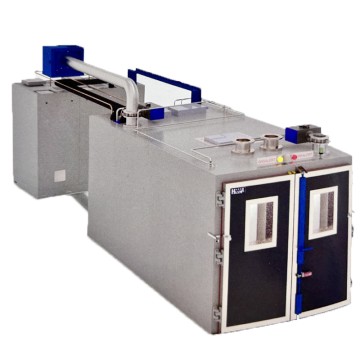
| Two-Zone Basket Transfer (Elevator Type) | Pneumatic or motorized basket shuttles the sample vertically between Hot and Cold chambers in <10 seconds. | MIL-STD-883K, IEC 60068-2-14 Na, JESD22-A104 | Semiconductor IC packaging, automotive sensor modules, consumer electronics PCBAs. |
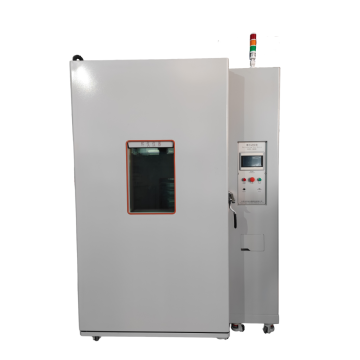
| Three-Zone Damper Type (Air-to-Air Stationary) | Sample remains stationary in the test zone while hot/cold dampers alternately direct conditioned airflows with ambient dwell. | MIL-STD-202G, JIS C 0025, ISO 16750-4 | Heavy automotive wire harnesses, optical connectors, large EV battery modules. |
| Liquid-to-Liquid Thermal Shock | Specimen is submerged between hot fluid and cold fluid baskets for ultra-fast heat transfer rates. | MIL-STD-883 Method 1011, DEF-STAN 00-35 | Hermetic glass-to-metal seals, defense electronics, high-reliability military sensors. |
Our systems incorporate AI-assisted intelligent energy management algorithms that dynamically calculate the required cooling or heating capacity based on real-time specimen thermal mass. This reduces electrical consumption by up to 35% compared to conventional continuous-bypass systems—a vital operational cost benefit given Thailand's industrial electricity tariffs.
Supporting critical validation workflows across multinational and domestic enterprises throughout Thailand and Southeast Asia.
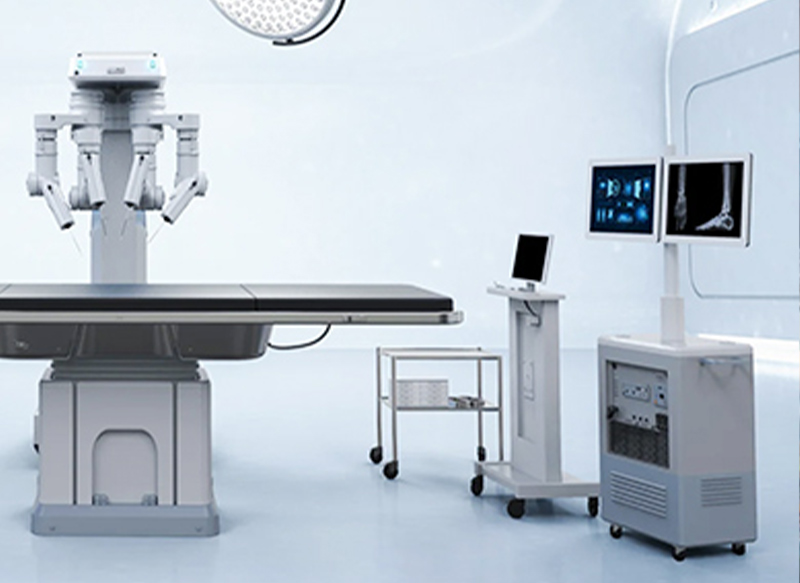
Pharmaceutical packaging integrity, diagnostic device thermal shock, and cold-chain storage validation.

Testing ECUs, powertrain sensors, lighting modules, and lightweight alloy brackets under rapid thermal stress.

Screening BGA solder fatigue, capacitor endurance, semiconductor wafers, and communication modules.

Validating avionics instrumentation, cockpit flight hardware, and composite satellite hardware.

Testing architectural glazing, thermal insulation panels, sealant durability, and structural composites.

Evaluating VOC emissions, formaldehyde release, and adhesive joint stability under controlled climates.

Precision calibration, third-party certification testing, and university R&D material characterization.
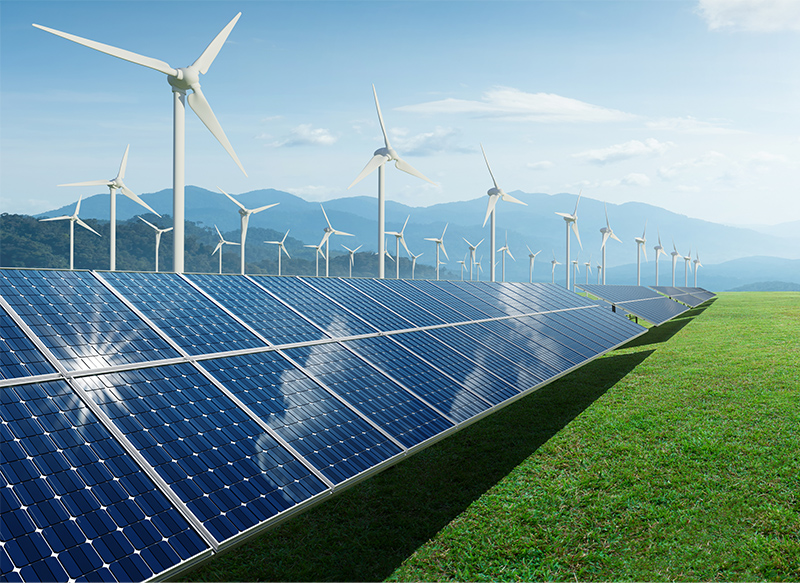
Accelerated climatic aging of lithium storage systems, PV solar inverters, and hydrogen fuel cell components.
Ensuring full alignment with Thai Industrial Standards Institute (TISI) mandates and international testing protocols.
As Thai factories scale their integration into international supply chains, adherence to international testing methodologies has become a key competitive differentiator. Manufacturers across Samut Prakan, Chonburi, and Ayutthaya are progressively upgrading their in-house testing facilities to fulfill stringent quality protocols:
Crucial for Thai automotive electronics suppliers. AEC-Q100 (ICs), AEC-Q101 (discrete semiconductors), and AEC-Q200 (passive components) require hundreds of thermal shock cycles between -55°C and +125°C without electrical malfunction.
Mandatory for EV battery safety certification in Thailand. Tests evaluate structural resilience during sudden temperature spikes to eliminate the possibility of internal short circuits or hazardous gas outgassing.
Standardized environmental screening benchmarks for electronics and telecommunications hardware destined for global markets, assessing resistance to thermal expansion stresses.
Furthermore, the integration of Industry 4.0 IoT connectivity has become standard across top-tier Thai manufacturing sites. Our thermal shock chambers come equipped with intelligent RS485/Ethernet interfaces, cloud-based data logging, automated anomaly alerts, and remote SCADA integration, allowing test engineers in Bangkok or Rayong to monitor round-the-clock testing cycles via mobile or central control rooms.
Dongguan Huanyi Instruments Technology Co., Ltd. was established on March 20, 2007, covering an area of 6,022 square meters. It is a high-tech enterprise integrating R&D, production, sales and after-sales service. It participated in the drafting of national standards and industry standards for environmental simulation test equipment.
Our philosophy is "customer-centric, quality-guaranteed, honesty-based, and innovation-oriented". Through unremitting efforts, Huanyi has cultivated a high-quality team with rich production, R&D and management experience. Since its establishment, the company has been providing customers with the "most competitive" products, continuously introducing international advanced technologies, learning from others and integrating them.
Chosen by leading multinational technology conglomerates, automotive leaders, and research institutes across Asia.







Comprehensive full-lifecycle engineering support from technical consultation to on-site commissioning across Thailand.
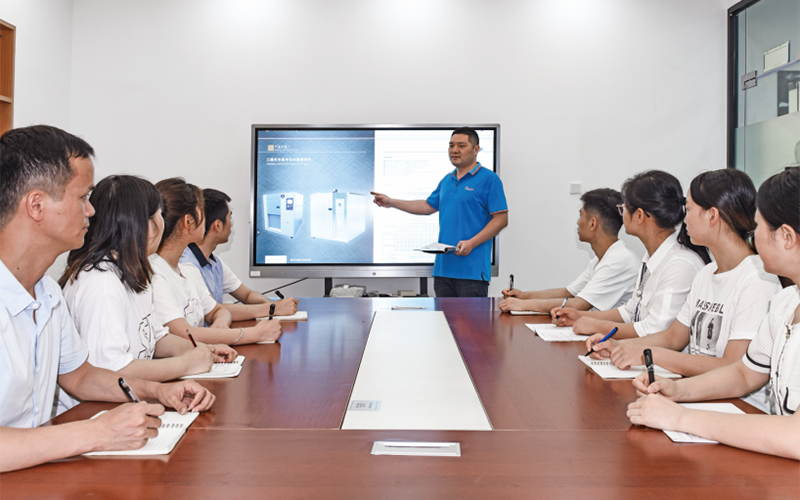
(1) Meeting to confirm customer needs
(2) Technical requirement mapping & specimen sizing analysis
(3) Customized proposal & quotation delivery
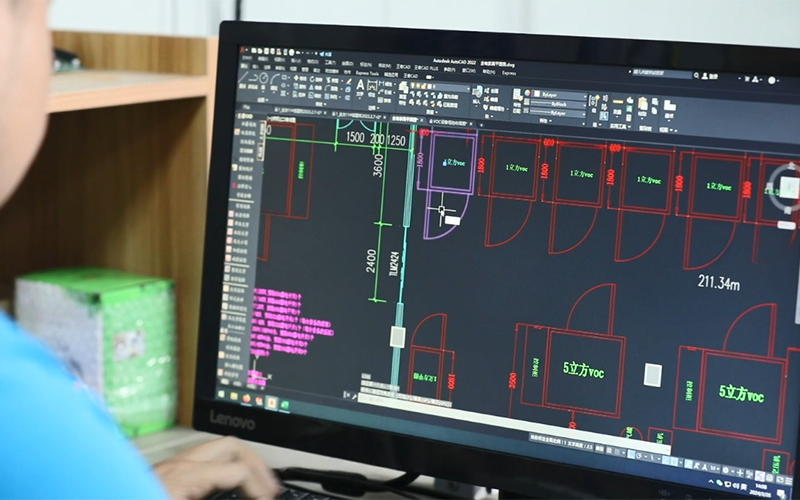
(1) The product development team develops and improves products according to customer needs.
(2) Structural 3D CAD modeling & airflow CFD simulation
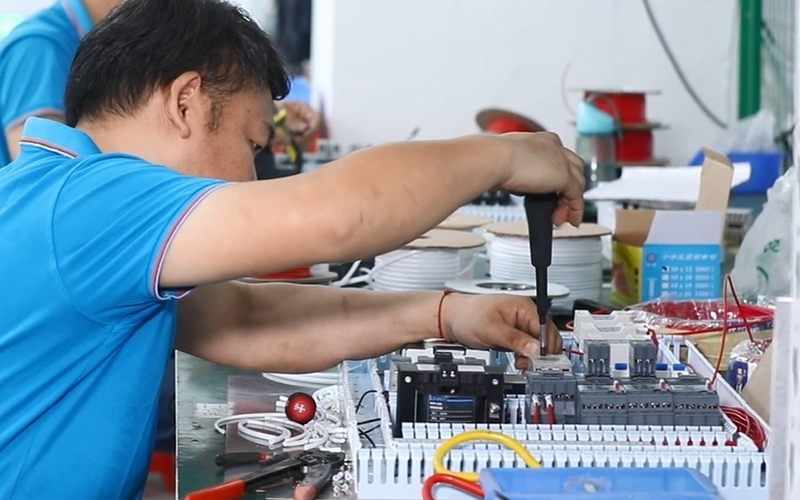
(1) Welding process
(2) Paint baking process
(3) Equipment assembly
(4) Equipment debugging
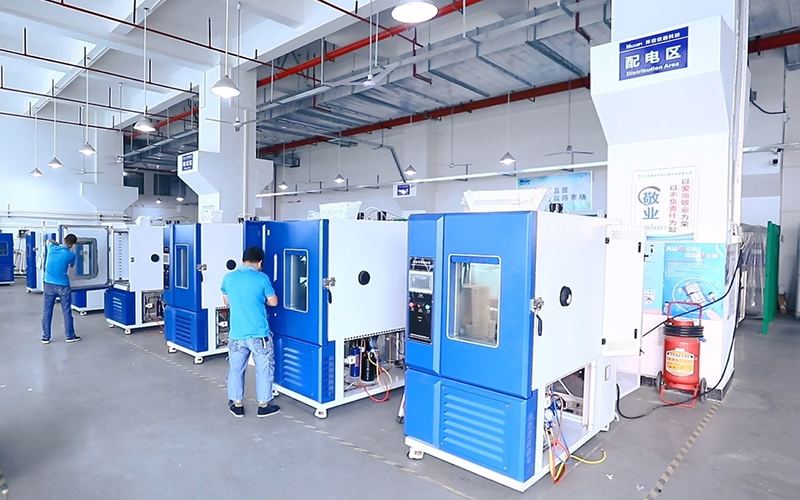
(1) Quality control
(2) Software debugging / Data calibration
(3) Visual / Internal inspection
(4) Equipment ready for dispatch
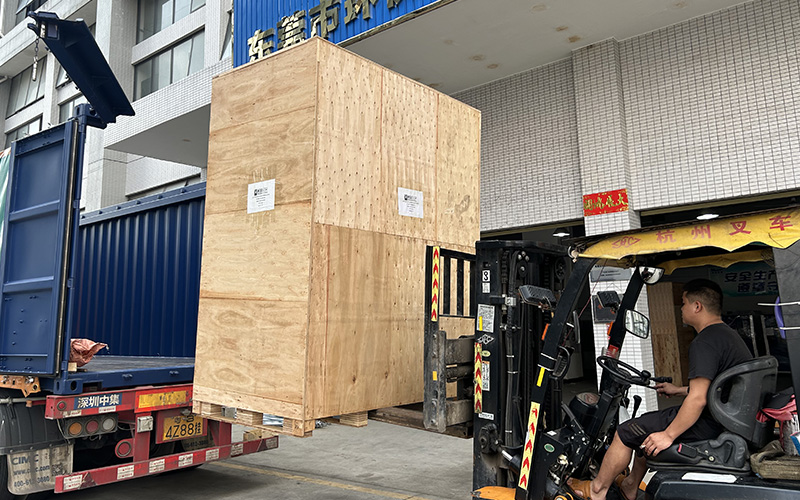
(1) Wood case package
(2) Package to container
(3) Container loading & international sea freight logistics to Laem Chabang / Bangkok port
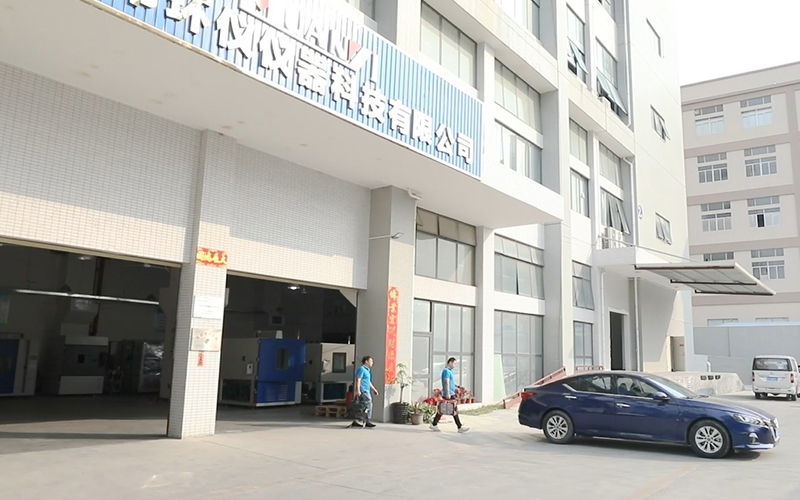
(1) Fault repair
(2) On-site inspection service
(3) Provide solutions
(4) Telephone follow-up & preventative maintenance
Explore our comprehensive lineup of advanced climatic, thermal shock, battery abuse, and VOC emission test systems supplied across Thailand.
Key technical parameters, facility requirements, and after-sales support considerations for engineering teams.
Selecting the optimal thermal shock test chamber requires careful analysis of specimen load characteristics, thermal heat dissipation, and facility capabilities. Thai engineering and quality assurance managers should evaluate four primary technical parameters before finalizing equipment specifications:
Ensure the refrigeration cascade has sufficient reserve cooling capacity to recover to setpoint temperatures within 5 minutes after specimen transfer, particularly when testing high-density metal heat sinks or live-powered EV inverters.
Given Thailand’s ambient temperatures frequently exceeding 35°C, water-cooled condenser systems connected to factory cooling towers are strongly recommended for continuous, uninterrupted thermal shock operations.
Partnering with a manufacturer offering comprehensive on-site installation, ISO 17025 compliant temperature calibration, sensor debugging, and local spare parts inventory across Thailand ensures maximum operational uptime.
Whether you are establishing a new quality control laboratory in the Amata City Industrial Estate, expanding automotive validation lines in Rayong, or upgrading semiconductor screening in Ayutthaya, Huanyi Instruments provides tailor-made climatic simulation and thermal shock chamber solutions. Get in touch with our technical sales engineers today for customized proposals, chamber volume dimensioning, and comprehensive test standard compliance guidance.