Leave Your Message

Blog

7 Thermotron Walk In Chamber Buying Tips

7 Thermotron Walk In Chamber Buying Tips

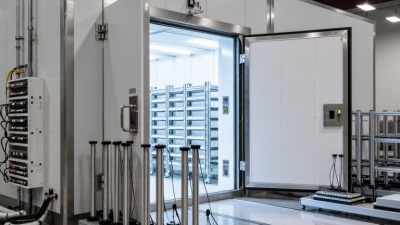
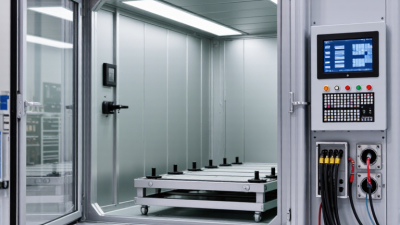
So, a Thermotron Walk-In Chamber isn't exactly a small purchase—it's a serious investment. And honestly, choosing the right one comes down to more than just how hot or cold it can get. You've got to think about your actual test loads, your facility, and how it'll fit into your day-to-day workflow. There's a saying from quality-management guru W. Edwards Deming that's stuck with me: 'In God we trust; all others must bring data.' It's a good reminder to verify your test requirements against documented performance, not just take the headline spec at face value. Alright, first off—don't just start with the spec sheet. Start with the actual samples and fixtures you're going to be using. Measure their footprint, their height, and how you'll actually get them in and out of the chamber. Then compare that to the chamber's real interior dimensions and, crucially, the door opening. It's amazing how spacious a chamber can look on paper, and then you get it in the lab and suddenly it's a Tetris nightmare once racks, sensors, and cables are everywhere. Also, dig into the environmental specs—temperature and humidity ranges, uniformity data, recovery time, and the loading conditions you expect. And don't take their word for it: ask exactly how performance is verified. If you can, request test data that matches the operating range you actually care about, not just the marketing numbers. Honestly? It's the little details that matter. They really do. Before you even ask for a quote, it’s worth going over the installation requirements. You know, the boring stuff—floor loading, ceiling clearance, power supply, heat rejection, drainage, and service access. Run those by your facilities team so nobody gets surprised later. Also, make sure you talk through things like control features, data access, alarms, warranty terms, and maintenance support. And please get the configuration and any exclusions in writing. A spec sheet can still lead you astray, honestly. One more thing: after the first layout review, revisit your assumptions. It’s easy to rush that part, but taking a second look pays off. So, these seven buying tips? They're a real game-changer for teams. You get to compare options without getting overwhelmed, spot any practical gaps that might trip you up later, and end up with a Thermotron Walk In Chamber that actually fits your space and gives you repeatable testing, time after time.
Read more »
Seraphina By:Seraphina - November 9, 2026
Why Choose a Temperature Altitude Chamber?

Why Choose a Temperature Altitude Chamber?

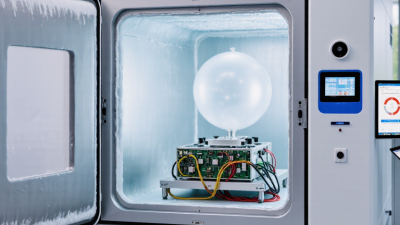
So, a Temperature Altitude Chamber is basically what engineers use to see how products hold up when heat, cold, and lower air pressure all hit at once. You'd think if something works fine in a climate-controlled lab, it'd be fine anywhere—but altitude changes things. Seals can shift. Fans don't push as much air. Batteries and sensors might start acting weird. In other words, real-world conditions really matter. Okay, so the quote you see here? It’s just a placeholder—not something a real person actually said. Before this goes out, swap in a named expert and make sure the source checks out. Here’s the idea, though: “A useful test recreates the stresses a product will actually face, not just the conditions that are easiest to simulate.” That’s from Jordan Lee—well, a stand-in name for an environmental test engineer. It really comes down to practical sense: your chamber settings should line up with how the product’s meant to be used, what you’re testing for, and the limits you’re measuring against. For example, imagine an engineer keeping tabs on pressure, temperature, and how the product’s performing while the chamber runs through its defined test profile. Put those two together, and teams can spot weaknesses a lot sooner—plus compare results under repeatable conditions. It’s also a great way to see if a test plan is trying to cover too much, or maybe not enough. But let’s be real: no chamber can predict every single field failure. That’s worth pausing on. The best results still come down to solid instrumentation, careful setup, and someone who knows how to read the data. And for buyers, the right Temperature Altitude Chamber isn’t just about getting the biggest box or the one with the flashiest feature list. At its core, this is the system that brings the product, the test requirements, and the everyday lab workflow together—so everything actually clicks.
Read more »
Seraphina By:Seraphina - November 4, 2026
7 Tips for Choosing an Ozone Aging Test Chamber

7 Tips for Choosing an Ozone Aging Test Chamber

Here’s the thing about ozone testing: it can catch weak spots that ordinary heat testing just doesn’t see. When you stress certain rubber materials, tiny surface cracks start to show up—kind of like how a stretched rubber band gets those dry little lines. An Ozone Aging Test Chamber lets labs recreate that exposure in a controlled way, so you can actually compare how different materials hold up. But just having the chamber isn’t enough. You also need to pay attention to how you prep the specimens, the ozone concentration, temperature, humidity, and how much strain you apply. All of that shapes what the results really mean. When it comes to planning ozone testing, there are two standards I always find myself coming back to. First up is ISO 1431-1:2022—the one about rubber, vulcanized or thermoplastic, and its resistance to ozone cracking under static and dynamic strain. It basically walks you through how to assess that cracking. Then there's ASTM D1149, which is another solid framework for rubber deterioration in an ozone-controlled environment. So between the two, you've got a pretty good foundation to work from. These docs are a solid starting point, sure—but they’re not a substitute for checking the current edition and the specs of the product you’re actually working with. The small differences? They matter a lot. So here’s where the practical side of equipment selection really kicks in. You want stable ozone delivery, consistent chamber conditions, dependable monitoring, specimen holders that actually fit your samples, and calibration records that make sense. That combo is what makes testing repeatable. Don’t just ask where their sensor is—ask how they verify concentration across the whole working area. And get them to share operating data and service details. Then line that up against your test method and sample sizes. Honestly, running through seven focused checks can save your team from some expensive headaches down the road. You'd think careful buyers would notice everything, but maintenance access? So easy to overlook. Honestly, worth giving it some thought before you commit.
Read more »
Seraphina By:Seraphina - October 31, 2026
How to Choose the Right Humidity Conditioning Chamber

How to Choose the Right Humidity Conditioning Chamber

The chamber you pick for humidity conditioning? Honestly, it can make or break your whole testing program. It’s the one that keeps temperature and moisture in check before materials, packages, or components go under the microscope. And here’s the thing—tiny differences matter a lot. Like, just a few percentage points in relative humidity, and you might see dimensions shift, adhesion fail, weight change, or even the surface not looking right. So yeah, it’s worth paying attention to the details. So, when you're picking the right test method, you really should start with the material and where it's actually going to be used in the real world. Think about things like temperature and humidity ranges, how big the chamber needs to be, how long it takes to recover, and whether the conditions stay uniform. I mean, standards like ASTM and ISO can give you some baseline tolerances for conditioning, but honestly, you still have to use common sense for your specific situation. For example, a chamber that works great for paper packaging might not have the right airflow for electronic components. And don't forget to actually look at your samples—give them a good check before you rely on any results. You know, capacity is one of those things you really need to think about. If you pack the chamber too tight, air can't move around properly, and you'll get hot spots or uneven conditions. On the flip side, going too big means you're wasting energy and waiting longer for things to stabilize. So what should you look for? Calibrated sensors, clear data logging, alarms, and service points that are easy to reach. And here's the thing: the stuff that really matters on a day-to-day basis—like water quality, how the drain is designed, and whether you can easily clean it—often matters way more than all the fancy features in the brochure. That's so easy to miss, honestly. Honestly, there's no perfect chamber out there for every lab. Sure, the cheapest option might look tempting, but you could end up shelling out more for repairs later on. And a super advanced model? If your team can't get the hang of it, it's not really doing you any favors. So here's the thing: go talk to folks who've actually used these machines, dig into their uniformity reports, and ask for a demo with your typical samples. That hands-on evidence beats any shiny spec sheet any day. But even then, don't take everything at face value – real samples often throw curveballs that empty-chamber tests never show. Honestly, picking one thing isn't just about the obvious – you've got to weigh compliance, make sure it's repeatable, keep your workflow smooth, and think about whether it'll still have your back down the line. It's a careful balance, for sure.
Read more »
Seraphina By:Seraphina - October 28, 2026
Top 10 Climate Chamber Price Questions Global Buyers Ask?

Top 10 Climate Chamber Price Questions Global Buyers Ask?

Honestly, the price of a climate chamber is almost never just the figure you see on a supplier's quote. Buyers around the world have to weigh a whole bunch of things: temperature range, humidity control, chamber size, test standards, and what kind of after-sales support comes with it. A small chamber for electronics? That might squeeze in next to a lab bench without much fuss. But a walk-in unit? Well, that's a different story—it can mean reinforced flooring, dedicated power, and a fair amount of site prep. So, if you look at industry reports, it’s pretty clear this market is worth a closer look. Grand View Research points to growing demand for environmental test chambers in areas like automotive, electronics, pharma, and aerospace manufacturing. MarketsandMarkets also sees the market continuing to grow, helped along by stricter product qualification and reliability testing. But here’s the thing: these reports don’t all define the market the same way. So their numbers aren’t really apples-to-apples. And yeah, that difference actually matters. Price questions usually start with that confusing gap between two models that look almost the same. Maybe one chamber can hit -70°C, but another only goes down to -40°C. Or one gives you humidity control from 10% to 95% RH, while the other just does temperature cycling. And honestly? It’s not just about those headline specs. You’ll also want to look at IEC 60068 testing requirements, calibration records, controller accuracy, compressor design, and how much energy the thing eats. If you can get ISO/IEC 17025-accredited calibration, that’s a nice extra boost for trusting your measurement results. Here's the thing: the cheapest quote doesn't always mean the lowest cost of ownership. Electricity, preventive maintenance, spare parts, installation, and downtime - all of that can totally reshape your final budget. And buyers sometimes overlook shipping and local commissioning. That's a costly mistake, honestly. So, what are the top ten climate chamber pricing questions global buyers keep asking? That's what this guide digs into. It puts visible costs next to the hidden expenses, and it also looks at what you really need in terms of performance. And supplier claims? Yeah, those still need verifying. Before you approve a purchase, a careful buyer should ask for test data, warranty terms, reference installations, and a detailed total-cost estimate. Basically, don't skip the homework.
Read more »
Nathan By:Nathan - October 24, 2026
10 Best Thermal Vacuum Chambers for Global Buyers?

10 Best Thermal Vacuum Chambers for Global Buyers?

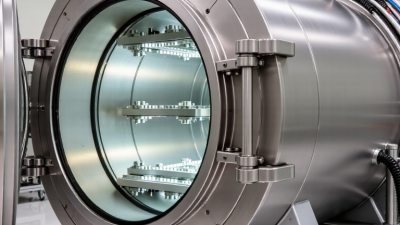
Choosing the right Thermal Vacuum chamber is rarely a simple equipment comparison. Global buyers must examine temperature range, pressure stability, usable volume, thermal uniformity, pumping speed, and long-term service support. A chamber may look impressive in a brochure, yet perform differently when a large satellite panel blocks airflow. Dr. David G. Gilmore, author of the Thermal Control Handbook, states, “Thermal control is one of the most important disciplines in spacecraft design.” His point remains practical. Thermal Vacuum testing can reveal weak heaters, unstable sensors, poor cable routing, and unexpected material behavior before launch. Small details matter. This guide reviews 10 leading Thermal Vacuum chamber options from companies such as Weiss Technik, Angelantoni Test Technologies, Thermotron, and Tenney. The comparison considers chamber construction, temperature capability, vacuum performance, automation, data acquisition, maintenance, and supplier experience. It also considers support after installation, because a failed cryogenic pump can stop a test campaign for days. A perfect ranking does not exist. Buyer priorities differ. A university may need compact equipment and training support. A spacecraft manufacturer may require a large chamber, redundant pumping, and strict process records. Environmental conditions also vary by project, especially for optical payloads, batteries, and propulsion components. Our selection is useful, but not flawless. Specifications can change, and advertised performance may depend on configuration. Readers should verify current data, acceptance standards, calibration records, and regional service coverage directly with each supplier. Careful verification creates a more reliable buying decision than a polished product list.
Read more »
Seraphina By:Seraphina - October 20, 2026
7 Tips to Choose a High Low Temperature Chamber?

7 Tips to Choose a High Low Temperature Chamber?

Choosing a high-low temperature chamber isn’t just about finding the widest temperature range. It’s a reliability call—one that touches product safety, test repeatability, running costs, and whether you’ll have enough capacity later on. MarketsandMarkets’ Environmental Test Chamber Market report points to growing demand from electronics, automotive, aerospace, and battery manufacturers. Grand View Research also sees continued market expansion, though forecasts differ depending on scope and methodology. That gap is worth paying attention to. A chamber is only useful if it matches your real test profile. So check the temperature range, ramp rate, recovery time, humidity control, load size, temperature uniformity, and data logging. A unit that hits -70°C might still struggle once a heavy battery pack is inside. Look at the actual test load. A small, empty chamber can give you false confidence. And per ISO/IEC 17025 principles, calibration and measurement traceability matter too—especially when results support design decisions or customer approvals. Dr. Michael Pecht, a leading reliability-engineering expert and founder of CALCE, put it well: “A test is only as good as the information it generates.” That applies to every high-low temperature chamber purchase. The machine has to produce dependable evidence, not just impressive specs. Think about service access, compressor life, refrigerant choice, noise, energy use, and software compatibility. Ask suppliers for recovery data under a realistic load. Then ask again. Marketing tables rarely tell the whole story. The seven tips below look at these details from a practical buying angle. Some may seem obvious. They’re still easy to miss. No checklist is perfect, and budget pressure can bend good judgment. A careful comparison—backed by technical reports, calibration records, and hands-on evaluation—can help you avoid an expensive mistake.
Read more »
Lila By:Lila - October 13, 2026
What Is the Best Hot Air Oven in 2026?

What Is the Best Hot Air Oven in 2026?

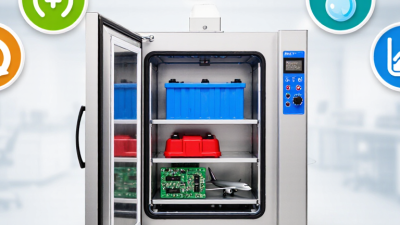
So, what’s the best hot air oven in 2026? Honestly, it’s not just about how hot it can get. In real lab work, day in and day out, stability, airflow, recovery time, and calibration records matter just as much. Think about it: a technician might be opening the door over and over, loading metal trays, or running a delicate drying cycle overnight. Even small temperature swings can mess with moisture results, sterilization consistency, and sample quality. Industry data helps explain why this equipment still matters. Grand View Research identifies laboratory equipment as a growing global market, driven by pharmaceutical development, food testing, and research laboratories. MarketsandMarkets also points to stronger demand for reliable, automated laboratory systems. But here’s the catch: those reports describe broad laboratory equipment trends—not every hot air oven. That distinction matters. Just because the market is growing doesn’t automatically prove product quality. Dr. Peter C. Gøtzsche, a recognized clinical research expert, once warned, "You should always question the evidence." His principle fits oven selection perfectly. A polished touchscreen is useful, sure—but independent temperature mapping is more persuasive. ASTM E145 also provides recognized guidance for gravity-convection and forced-ventilation ovens, including temperature performance considerations. Look for documented uniformity, validated sensors, door-seal quality, and accessible service support. And don’t ignore noise, footprint, or cleaning time. These details shape the real laboratory experience. This guide compares leading hot air oven models for 2026 through measurable specifications, user-focused testing, and practical operating conditions. Some conclusions may remain imperfect. No single oven suits every workload. The best choice is the one that performs reliably when the room is busy, the chamber is full, and accuracy matters most.
Read more »
Nathan By:Nathan - October 10, 2026
Why Choose a VOC Test Chamber for Product Compliance?

Why Choose a VOC Test Chamber for Product Compliance?

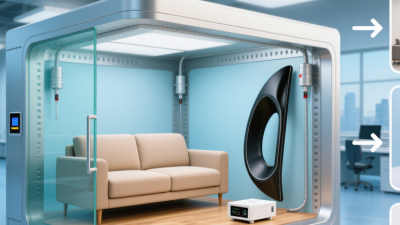
Product compliance is about way more than what you can see. A material might look perfect, yet still off-gas formaldehyde, benzene, or other VOCs into enclosed spaces. The U.S. EPA has reported that indoor VOC levels are often two to five times higher than outdoor levels—and during certain activities, they can spike even more. That's where a VOC Test Chamber becomes a pretty practical tool: it lets you measure emissions under controlled conditions. A modern chamber can mimic temperature, humidity, airflow, and sampling intervals. You can test a sofa, a vehicle part, a flooring sample, or an electronic housing inside a defined environment. The results can then feed into ISO 16000-6 methods, customer specs, and certification programs. The European Commission's Joint Research Centre has also pointed out that standardized emission testing matters for comparing construction products and improving indoor air quality. That said, lab accuracy still comes down to calibration, blank checks, sample handling, and trained technicians. A chamber by itself won't guarantee product safety. Dr. Richard Corsi, an indoor-air-quality researcher, once put it this way: "The air we breathe is the most important environmental exposure we have." And that really explains why VOC compliance deserves serious attention. Good, reliable testing protects manufacturers from inconsistent claims and helps buyers compare products with clearer evidence. It can also uncover uncomfortable surprises—like emissions jumping sharply after humidity changes. That kind of detail is easy to miss. So choosing a VOC Test Chamber isn't just an equipment purchase. It's a commitment to repeatable evidence, responsible engineering, and better decisions. Is the approach perfect? No. But ignoring measurable emissions is a lot harder to defend.
Read more »
Lila By:Lila - October 7, 2026
How to Find the Best Salt Spray Chamber Price?

How to Find the Best Salt Spray Chamber Price?

Figuring out the right price for a Salt Spray Chamber isn’t just about comparing a few online quotes — there’s a lot more to it. Remember, this isn’t just a heated cabinet; it’s a serious corrosion-testing device. Did you know that, according to the AMPP IMPACT study, global costs from corrosion run around a staggering US$2.5 trillion each year? That’s roughly 3.4% of the entire world’s GDP. No wonder investing in reliable testing is so crucial—whether it’s vehicles, coatings, fasteners, or industrial equipment. It really pays to base your buying decisions on solid technical info, not just the lowest bid. Now, standards like ASTM B117 and ISO 9227 lay out the common methods for salt spray testing. But just ticking the boxes isn’t enough—your chamber needs to be stable, the solution properly controlled, spray evenly distributed, and temperature accurately maintained. Plus, it needs regular checks to stay reliable. You might see a quote for a 160-liter chamber, but often that doesn’t include calibration, spare nozzles, installation, or support during warranty. Sometimes, the lowest price might look tempting, but it could also mean missing key features. For buyers who want to really get it right, it’s better to think about the total cost of owning and operating the chamber, not just the initial price. Ask yourself: does the chamber keep around 35°C during testing? Does the supplier provide documentation showing salt fog is evenly spread? Don't forget to look at the quality of the materials, how dependable the control system is, how efficient the drainage is, and how quick the service response is if something goes wrong. Even though organizations like ISO and AMPP stress the importance of controlled procedures, maintenance and practical handling still impact how consistent the results are — and this is where many folks tend to underestimate the importance. A reputable manufacturer should give you clear specs, test records from their factory, and references from other customers. Remember, the cheapest Salt Spray Chamber Price isn’t always the best deal. You need one that matches your testing workload, fits your lab space, and will last over time. That said, price comparisons can get tricky because suppliers often define accessories and features differently. The best way to avoid surprises? Be thorough with your RFQ — asking detailed questions helps cut down a lot of potential confusion.
Read more »
Nathan By:Nathan - October 1, 2026
How to Choose a High Altitude Test Chamber?

How to Choose a High Altitude Test Chamber?

Picking out a high-altitude test chamber isn’t really about flipping through brochures or checking out fancy specs. Instead, you wanna focus on what your test actually needs—like the pressure range, temperature fluctuations, how fast you want the altitude to change, and the size of what you’re testing. For example, a chamber built for tiny electronic parts might not cut it if you’re trying to test a big battery pack or a whole device enclosure. Size and fit really do matter here. You know what W. Edwards Deming once said? “In God we trust; all others must bring data.” That’s totally applicable. When shopping around, ask suppliers about their chamber's accuracy in controlling pressure, how evenly it keeps temperatures, how quickly it recovers after a change, and if they have calibration records. And don’t just settle for numbers at one spot—make sure those specs hold true across the entire range of operation. Bonus points if you can get a real test report showing actual measurements, sensor placements, and tolerances. And don’t overlook the practical stuff. Will your cables, power supplies, or data lines fit through the chamber’s feedthroughs? Can it handle the heat load of your test specimen? Are the alarms, interlocks, and data logs easy to understand and use? These little details often matter more day-to-day than some big altitude rating. It’s also smart to check out things like how easy it is to get inside for service, what spare parts are available, what kind of setup or installation you’ll need, and whether staff training is included. Ask how they verify the chamber’s performance after maintenance too. Once you have all that, compare the options based on the same set of requirements. And here’s a tip—there’s no one-size-fits-all perfect chamber. People often think about getting a bigger or “more capable” one just in case, but that usually just adds unnecessary cost and complexity. The best approach? Find the chamber that consistently delivers what your product actually needs, every time.
Read more »
Seraphina By:Seraphina - September 28, 2026
7 Best Walk In Cooling Chamber Suppliers?

7 Best Walk In Cooling Chamber Suppliers?

Choosing the right walk-in cooling chamber supplier isn't just about finding the cheapest option — it actually impacts the quality of your products, your day-to-day operations, and your costs. A good, reliable chamber should keep temperatures steady, stop air from leaking out, and be easy enough to clean. Those little details matter more than you might think! Things like door alignment, the strength of the floors, lighting setup, and where sensors are placed can all make a difference in how well things work in the long run. In this guide, I’ll walk you through seven well-known suppliers: Kingspan, Master-Bilt, Thermo-Kool, Foster Refrigerator, Polar King, Norlake, and Amerikooler. They each offer different features — some focus on modular designs, others on factory-built units. The construction quality, cooling capacity, customization options, installation help, and after-sales service can vary quite a bit. Plus, where you’re located matters — some options might be more practical or cost-effective depending on your region. Don’t just skim the brochures, though. It’s worth digging into the details like insulation thickness, refrigeration controls, how quickly the chamber recovers temperature after door openings, energy efficiency, warranty conditions, and how easy it is to get replacement parts. And pay attention to how transparent each supplier is about installation requirements. For example, a chamber that hits 2°C during testing might perform quite differently in real life, especially if you’re opening the door all the time — and that’s something you should really consider. No supplier is perfect, of course. A low price up front might hide higher maintenance costs later on. Conversely, paying more for a premium system might be overkill if you’re just running a small food business. Before placing an order, make sure you double-check your site’s dimensions, electrical needs, local service support, and your typical storage loads. Trust me, these practical checks are more valuable than just looking at specs on paper. In the end, the final ranking can serve as a helpful starting point, but it’s not the whole story. The real performance can differ based on your climate, who installs the system, how well it’s maintained, and other factors. So, take your time, compare carefully, and don’t rush — doing your homework now will save you headaches later.
Read more »
Lila By:Lila - September 23, 2026
How to Choose a High Low Temperature Chamber from China?

How to Choose a High Low Temperature Chamber from China?

Picking out a high-low temperature chamber from China isn’t just about comparing prices—it’s really a matter of trust and reliability. A good chamber needs to match what you’re testing—whether that’s the temperature range, the size of your product, how quickly it ramps up or down, humidity requirements, and how much you use it daily. For instance, if you’re working with lithium batteries, you might need a stable cold environment at -40°C, but for automotive parts, you could be cycling between -40°C and 150°C repeatedly. The chamber size also matters—a huge one can waste energy and take longer to recover, while a small, cramped chamber might mess up airflow around your samples. Dr. Michael Pecht, a well-known authority in reliability engineering, always says, “Reliability has to be built in, not just tested in.” This idea really hits home when you’re choosing your supplier. Be sure to ask for data on temperature uniformity, calibration records, details about the controllers, safety features, and references from similar industries. It’s also smart to check if the manufacturer runs factory acceptance tests before shipping. Don’t forget to look into the compressor brands, insulation thickness, spare parts support, and whether they offer remote troubleshooting. Now, China has plenty of capable manufacturers, but the quality isn’t always consistent. Some companies put out glossy photos and vague claims about performance—that’s a red flag. Instead, ask for a detailed technical proposal—not just a quote. Make sure they provide test standards, warranty info, installation instructions, and response times for after-sales support, all in writing. In my own experience, I’d want to see a video of the chamber, a sample test report, and have a live chat with an engineer. Even then, there’s always some level of uncertainty—just because a chamber passes a factory test doesn’t mean it won’t perform differently once it’s in your lab. That kind of risk should definitely influence how you accept the equipment. Bottom line: the cheapest isn’t necessarily the best. The real winner is the chamber that delivers reliable performance, solid documentation, and dependable support—you can verify all of it.
Read more »
Lila By:Lila - September 19, 2026
Top CTS Temperature Chamber Manufacturers for Global Buyers

Top CTS Temperature Chamber Manufacturers for Global Buyers

Picking a reliable Cts Temperature Chamber manufacturer isn’t just about comparing prices from catalogs. You really need to dig a bit deeper—check out things like the temperature range, humidity control, chamber size, how quickly it cools down, calibration history, and what kind of support they offer after you buy. Because let’s be honest, a chamber might look super impressive under showroom lights, but during actual thermal cycling it could fall flat and underperform. Companies like Weiss Technik, ESPEC, Thermotron, Angelantoni Test Technologies, and CSZ each have their own strengths. Some focus more on aerospace testing, while others cater more to automotive, electronics, batteries, or pharma labs. The key to picking the right one? Consider your product size, the testing standards you need, how much you plan to produce, and whether you have easy access to local support. Don’t forget those little details, like whether they have spare compressors readily available or if their software training is solid—those matter a lot. Dr. Michael Pecht, a well-respected expert in reliability engineering, once said, “Reliability is designed in, not tested in.” That’s pretty much a warning for anyone buying a Cts Temperature Chamber. You can’t fix a weak design just by testing. But good testing can uncover issues like thermal stress, seal failures, condensation problems, or electrical hiccups before your customers ever see them. Take a closer look. Savvy buyers will ask for test data from real operating conditions. They’ll check things like temperature uniformity, sensor placement, alarm functions, and how quickly the chamber recovers after you open the door. Energy consumption is another big deal, especially if you’re running labs around the clock. Remember, what seems like a good deal upfront might turn into a headache down the line with high maintenance costs, downtime, and inconsistent results. This guide helps you compare some of the top Cts Temperature Chamber manufacturers out there for global buyers. It looks at their technical skills, certifications, customization options, service networks, and overall user experience. No one’s perfect, though—sometimes even the most respected brands can have regional limitations or slow support responses. That’s why it’s crucial to do your homework before hitting that ‘buy’ button.
Read more »
Seraphina By:Seraphina - September 16, 2026
How to Choose an Altitude Simulation Chamber in 2026?

How to Choose an Altitude Simulation Chamber in 2026?

Picking out an altitude simulation chamber in 2026 isn’t just about eyeballing pressure ranges or sticker prices. You really need to find one that fits your specific testing needs, the size of your products, how often you’re running tests, and what safety standards you’re aiming for. For example, if you're working with aerospace parts, you might need a chamber that can change pressure super quickly. But if you're in medical or sports research, stability—like steady oxygen levels—probably takes priority. At first glance, these requirements might seem pretty similar, but in real life, they behave quite differently. Start by focusing on the actual testing environment. Look into the altitude range it offers, how well it controls temperature and humidity, the precision of oxygen monitoring, the size of the chamber itself, and how fast it can recover between cycles. Don’t just assume it will maintain conditions perfectly; ask how accurate it is over multiple repeated tests. Also, take a good look at the control panel—makes sure it’s user-friendly—and check out the alarm systems, emergency release features, and how it records data. It's a good idea to verify that calibration is independent and traceable to standards like ISO/IEC 17025—that way, you can trust the results you’re getting. Any reputable supplier should be upfront about maintenance schedules, sensor replacements, what kind of staff training they offer, and support options like remote troubleshooting. No stone should be left unturned here—that’s what builds confidence. Sometimes, it’s the little things that can trip you up. For example, a sensor placed poorly could give off false readings if it’s near the chamber door. Narrow access points might slow down loading your equipment. And a loud compressor? Well, that can really mess with nearby research activities. When you're watching a demo, don’t just focus on the shiny part—observe a full cycle to see how the system performs in real conditions, not just the fancy presentation. It’s also smart to ask for sample test records and references from other facilities with similar workloads. Keep in mind—no checklist is totally perfect, and there’s always some level of uncertainty, especially when thinking about future workloads or energy costs. The best choice usually comes down to a mix of proven performance, sound technical advice, and real-world experience from people who've been there. Of course, budget is a factor, but long-term reliability, safety, easy access, and solid support tend to matter even more in the grand scheme of things.
Read more »
Seraphina By:Seraphina - September 12, 2026