- Home
- Products
- About Us
- Resources
- Support
- Contact Us
Leave Your Message
-
Phone
-
E-mail
-
Whatsapp
-
WeChat


High-precision environmental evaluation equipment engineered to address rigorous Southeast Asian climatic weathering standards.
The Republic of Indonesia represents Southeast Asia's largest economy, driven by dynamic industrial expansion under the "Making Indonesia 4.0" master plan. As major manufacturing clusters across West Java (Bekasi, Cikarang, Karawang), East Java (Surabaya, Gresik), and the Riau Islands expand their supply chain integration, material durability emerges as a critical performance benchmark. Operating precisely on the equator, Indonesian industrial products face severe solar photodegradation. The archipelago encounters extreme annual ultraviolet radiation, averaging UV index ratings regularly between 9 and 12+, combined with ambient relative humidity consistently exceeding 80% to 90% and high coastal salinity.
Under these rigorous conditions, organic materials—ranging from automotive exterior components, masterbatch plastics, architectural coatings, industrial adhesives, to solar photovoltaic backing sheets—suffer accelerated degradation. Phenomena such as chalking, yellowing, mechanical embrittlement, micro-cracking, and loss of tensile strength manifest within months of field exposure. Consequently, Indonesian manufacturing enterprises, R&D centers, and testing certification institutions (such as Balai Besar Standardisasi dan Pelayanan Jasa Industri) are systematically upgrading their quality control protocols with advanced UV aging test chambers.
Indonesia experiences constant year-round high-irradiance solar radiation that rapidly fractures carbon-polymer chains without reliable UV stabilized testing.
Adherence to Standar Nasional Indonesia (SNI), ASTM G154, ISO 4892-3, and SAE J2020 requires highly calibrated, repeatable UV simulation setups.
The development of the new capital city Nusantara demands sustainable, weather-resistant building envelopes and green infrastructure polymers.
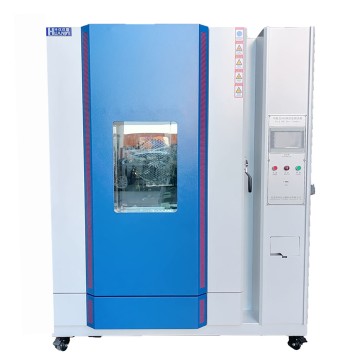
Modern UV test chambers have moved beyond basic lamp arrays into intelligent, closed-loop environmental simulation systems. For procurement directors and lab technicians in Indonesia, selecting the right UV aging testing manufacturer requires addressing distinct domestic operational environments:
Serving critical industrial verticals from Jakarta automotive corridors to East Java furniture hubs and national renewable power farms.
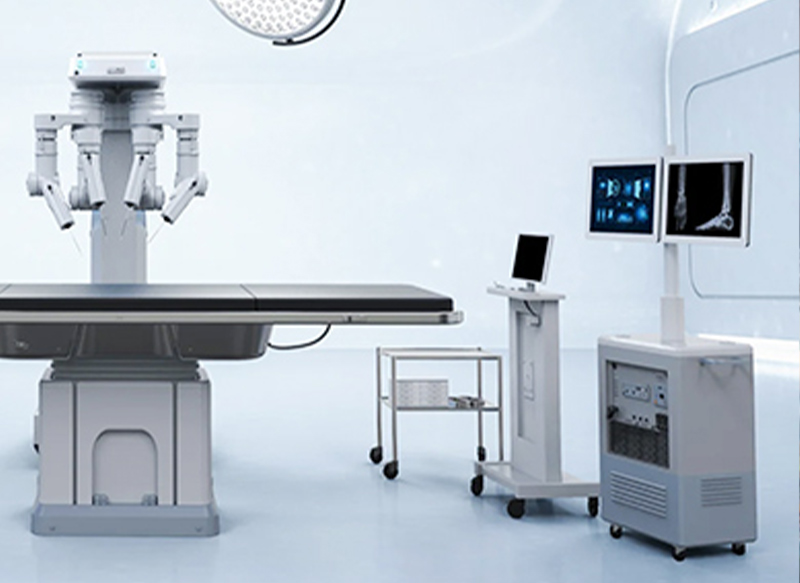






As the Indonesian government enforces strict domestic value component rules (Tingkat Komponen Dalam Negeri - TKDN), multinational manufacturers operating in Indonesia are obliged to establish local testing facilities rather than sending samples abroad to Singapore, Japan, or Germany. This transition has spurred significant demand for cost-effective, high-precision environmental chambers manufactured by seasoned international specialists like Dongguan Huanyi Instruments Technology Co., Ltd.
Indonesia is rapidly establishing itself as the ASEAN production epicenter for electric vehicles, anchored by substantial investments in nickel processing and lithium battery manufacturing in Morowali, Weda Bay, and Karawang. EV battery casings, charging infrastructure housings, and automotive exterior trims demand high UV and thermal endurance. UV chambers calibrated to ISO 4892-3 and SAE J2020 ensure exterior components withstand years of intense sun exposure without crack propagation, dielectric breakdown, or aesthetic chalking.
With massive construction undertakings including the high-speed rail network and the green smart city of Nusantara (IKN), building specifications require exterior coatings, aluminum composite panels (ACP), sealant elastomers, and polymer roofing to guarantee 10 to 20-year lifespans. Accelerated UV aging test chambers compress a decade of equatorial solar degradation into days, providing immediate feedback on formulation adjustments, UV stabilizer additives (HALS), and anti-chalking pigments.
Central Java hubs such as Jepara and Solo lead global exports in teak and synthetic polyolefin/PE rattan furniture. International buyers in Europe and North America demand rigorous certifications proving that woven furniture will not discolor, split, or lose tensile elasticity after continuous UV exposure. Huanyi Instruments offers reliable testing hardware that enables Indonesian exporters to provide verifiable batch conformity reports.
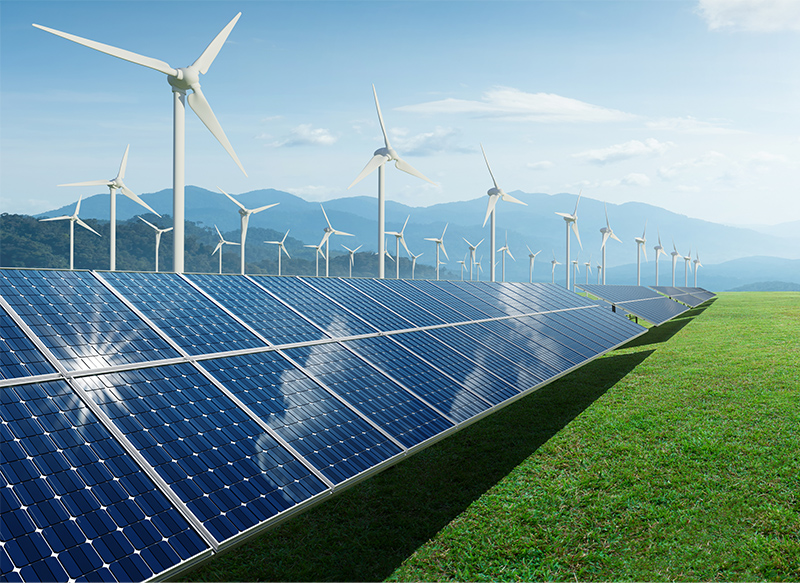
In alignment with Indonesia’s National Energy General Plan (RUEN) targeting accelerated renewable integration, floating solar power plants (such as the Cirata Floating Solar Project) and rooftop installations are proliferating. Ethylene Vinyl Acetate (EVA) and Polyolefin Elastomer (POE) encapsulants undergo severe UV irradiation combined with water misting in our chambers to verify protection against potential-induced degradation (PID) and yellowing.
From custom engineering to overseas deployment and technical support, our full-lifecycle execution ensures seamless lab integration.
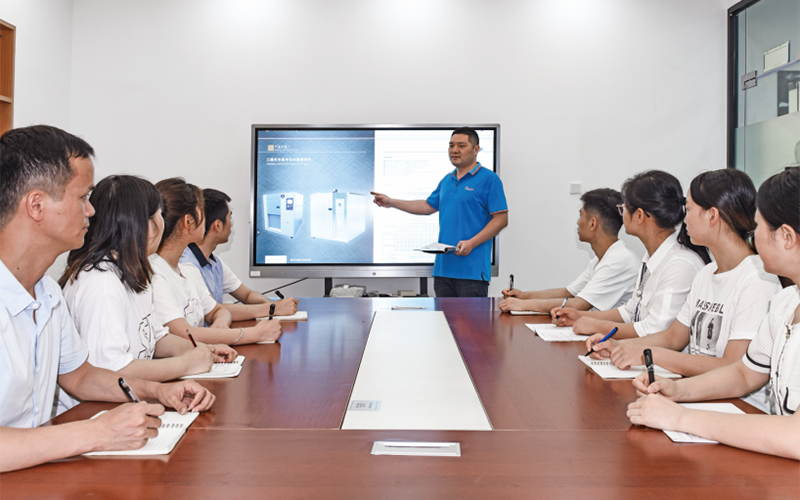
(1) In-depth meeting to evaluate technical and test standard requirements.
(2) Formulation of customized test chamber design parameters.
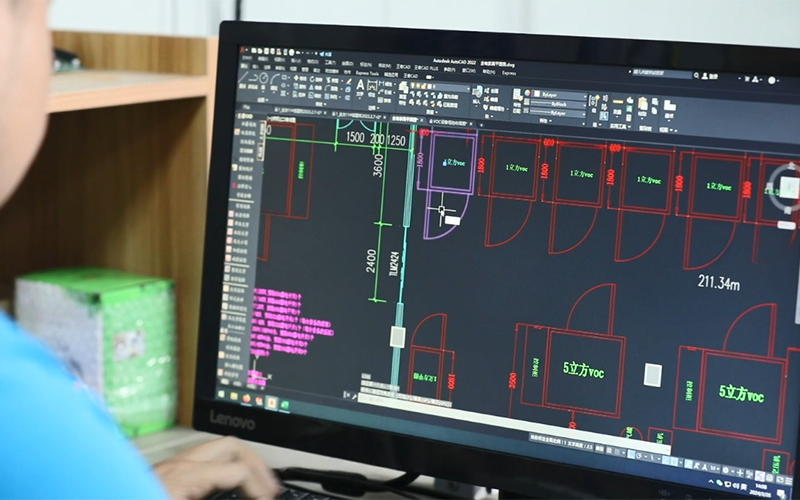
(1) Dedicated engineering teams configure hardware and software architectures to match customer specifications and global testing standards.
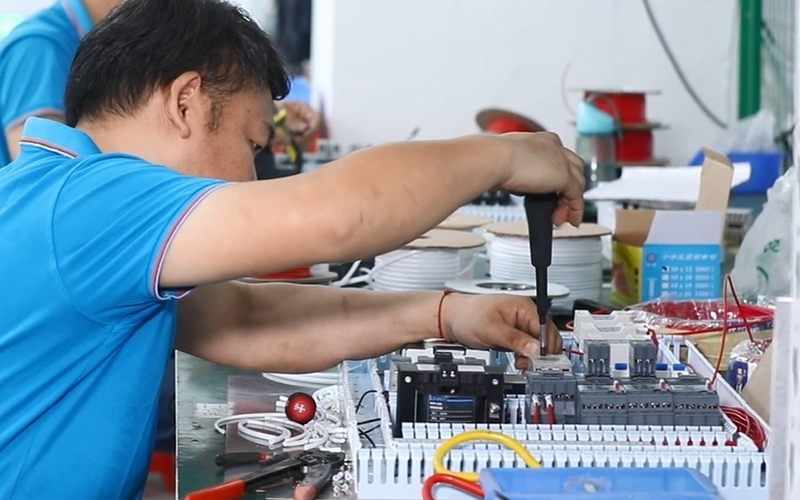
(1) High-precision welding processes.
(2) Electrostatic paint baking.
(3) System hardware integration.
(4) Multi-loop controller debugging.
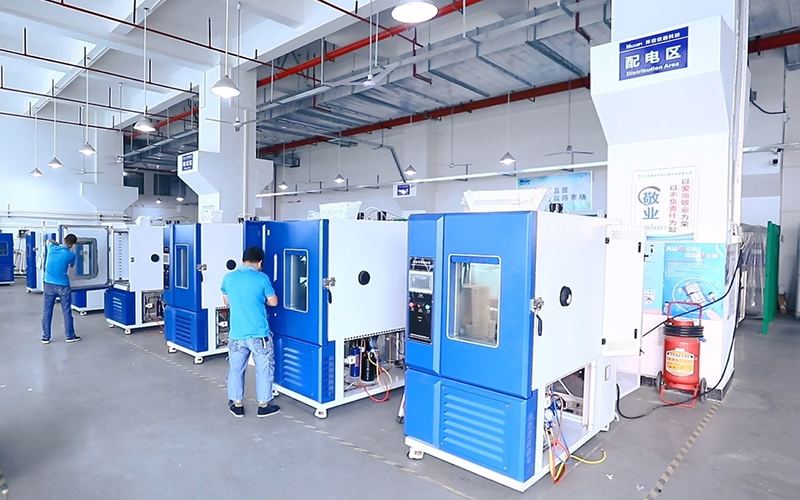
(1) Total Quality Control (QC).
(2) Software calibration & irradiance verification.
(3) Visual & electrical safety audits.
(4) Pre-dispatch readiness check.
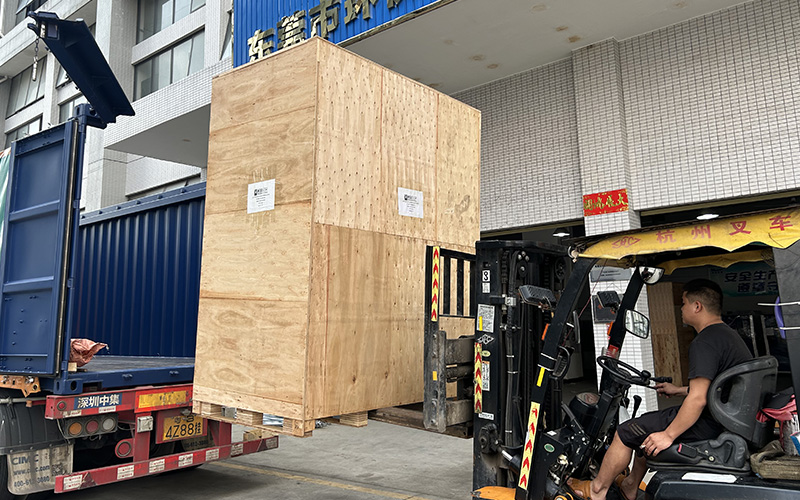
(1) Export-standard fumigated wooden crates.
(2) Moisture-proof protective wrapping.
(3) Container loading and sea transit to Tanjung Priok/Tanjung Perak ports.
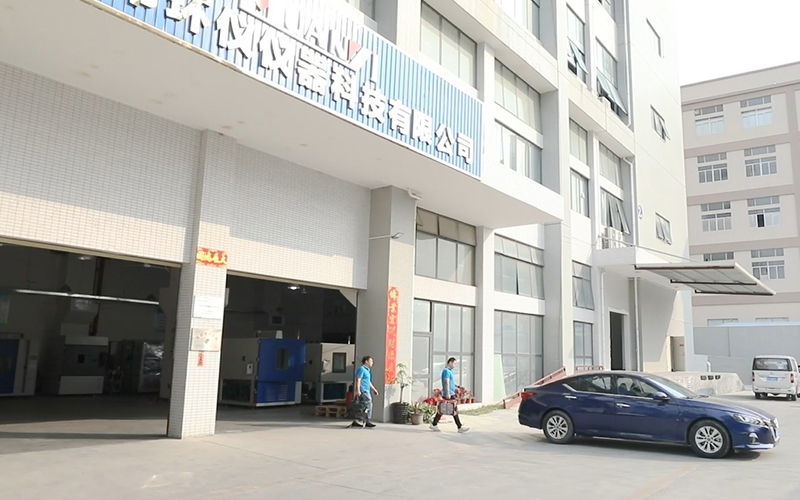
(1) Fast maintenance & spare lamp dispatch.
(2) On-site or video commissioning guidance.
(3) Customized technical solutions.
(4) Proactive follow-up.
Global leadership in environmental testing chamber design, development, and international manufacturing.
Dongguan Huanyi Instruments Technology Co., Ltd. was established on March 20, 2007, covering an area of 6,022 square meters. It is a high-tech enterprise integrating R&D, production, sales, and after-sales service. Demonstrating authoritative industry standing, Huanyi has actively participated in the drafting of national standards and industry standards for environmental simulation test equipment.
Our guiding philosophy is "customer-centric, quality-guaranteed, honesty-based, and innovation-oriented." Through unremitting efforts, Huanyi has cultivated a high-quality team with rich production, R&D, and management experience. Since its establishment, the company has been consistently delivering the "most competitive" testing chambers to international clients, introducing advanced technologies, and driving continuous product evolution.







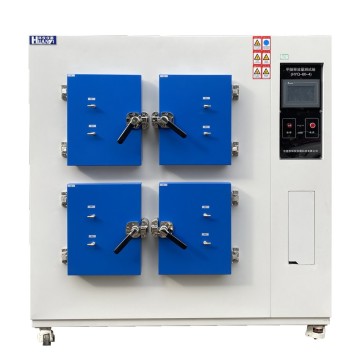
Explore our full line of chambers designed for Indonesian R&D facilities, pharmaceutical labs, and industrial QC workshops.